


Shortness of breath in hot weather may occur when the body has to work harder to regulate its core temperature, especially after sun exposure, outdoor physical activity, or staying in a hot, poorly ventilated environment. In some people, this is only a temporary response and improves after resting in a cool place.
A rapid heartbeat in hot weather may be a normal physiological response as the body increases blood flow to the skin to dissipate heat. This often occurs after sun exposure, outdoor physical activity, heavy sweating, or prolonged exposure to hot, humid, and poorly ventilated environments.
However, a rapid heartbeat may also be a sign of dehydration, low blood pressure, electrolyte imbalance, or cardiovascular disease, especially if it is accompanied by prolonged palpitations, chest pain, shortness of breath, dizziness, fainting, or a sensation of an irregular heartbeat.

Dehydration does not always cause intense thirst. During summer, many people may become silently dehydrated, with symptoms such as dry mouth, dry lips, headache, mild fatigue, reduced urination, dark-colored urine, or dizziness when standing up. If prolonged, dehydration may affect blood pressure, cardiovascular function, kidney function, and increase the risk of heat exhaustion or heatstroke.
Heatstroke is a medical emergency that occurs when the body can no longer regulate its core temperature after prolonged exposure to a hot environment or excessive physical exertion. If not treated promptly, heatstroke can damage the brain, heart, kidneys, and many other organs. In the article below, doctors at Hong Ngoc General Hospital help readers recognize dangerous warning signs and understand when a patient should be hospitalized immediately.
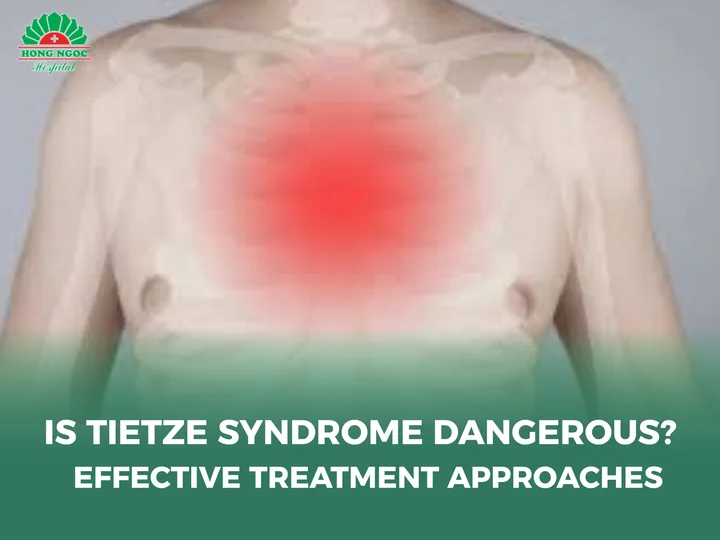
Tietze syndrome is frequently misinterpreted as a cardiac or pulmonary condition due to the presence of chest and back pain. This raises important concerns regarding its potential severity, methods of accurate diagnosis, and effective management strategies. The following article provides a detailed overview of Tietze syndrome, including its clinical significance, diagnostic approach, and current treatment options.
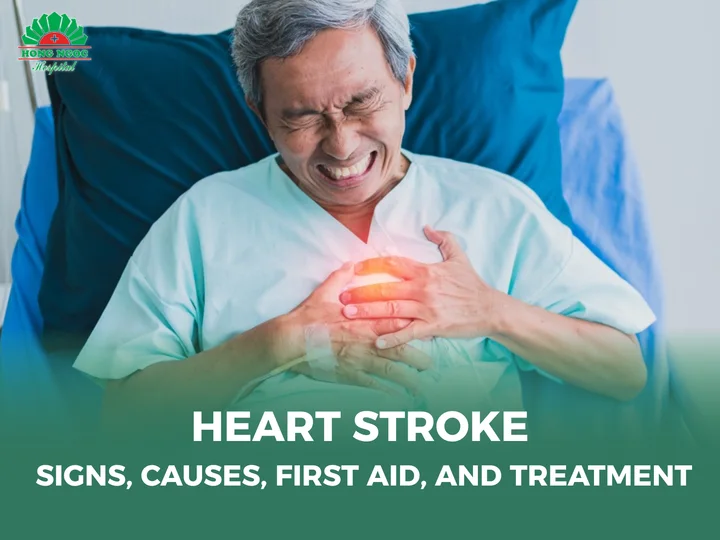
A heart stroke is a life-threatening medical emergency that requires immediate attention. If not treated promptly, it can lead to severe complications or even death. Therefore, understanding its causes, symptoms, and treatment options is crucial for early recognition and effective management.
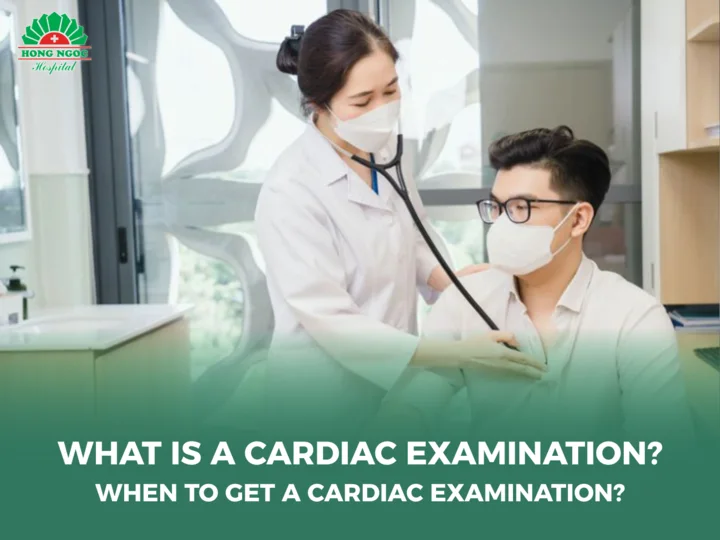
Cardiovascular diseases often carry serious risk, in some cases, may even be life-threatening. Therefore, patients need early diagnosis and treatment. Notably, cardiovascular diseases are increasingly affecting younger populations, placing a growing number of people at risk... Explore the cardiac examination process at Hong Ngoc General Hospital and key guidelines for your visit.
Sinus tachycardia is a type of arrhythmia characterized by a sinus heart rate of more than 100 beats per minute. This condition should be managed early to prevent serious complications such as heart failure, myocardial infarction, and sudden cardiac death.
Sinus bradycardia is a condition in which the heart’s sinus node generates impulses more slowly than normal, resulting in a heart rate below 60 beats per minute. If this condition persists, it may cause symptoms such as fatigue, dizziness, and fainting. In some cases, it may even lead to sudden cardiac death and become life threatening.
lorem ipsum dolor
Lorem ipsum dolor sit amet, consectetur adipiscing elit. Mauris odio lectus, pretium faucibus nisi eu, accumsan consectetur orci. In blandit vehicula nisl, vel lacinia ligula finibus a. Donec fermentum rhoncus