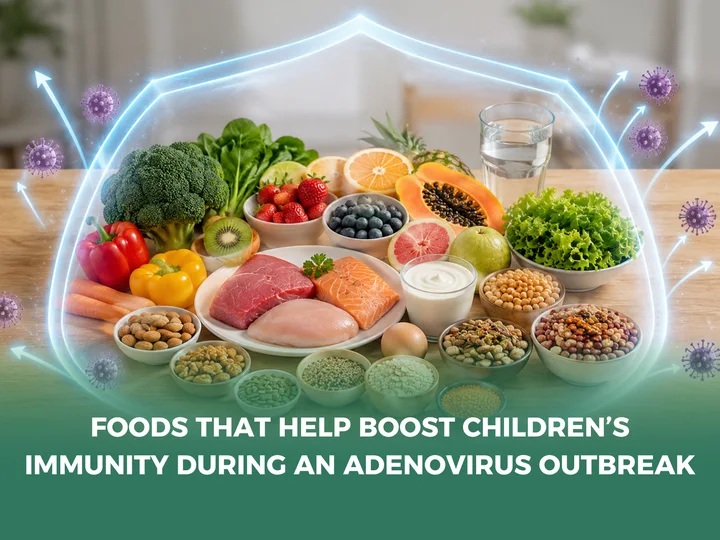

As the number of adenovirus cases in children tends to increase, many parents are concerned about what they should feed their children to support immunity. Proper nutrition can help the immune system function more effectively and provide a healthy foundation for children during the infectious disease season. However, parents should understand that food cannot replace preventive measures such as handwashing, personal hygiene, avoiding exposure to sources of infection and seeking medical care when children show warning signs.
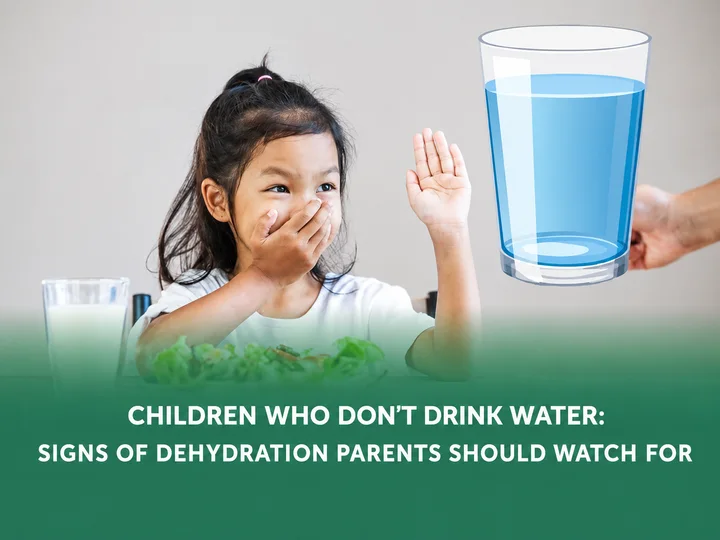
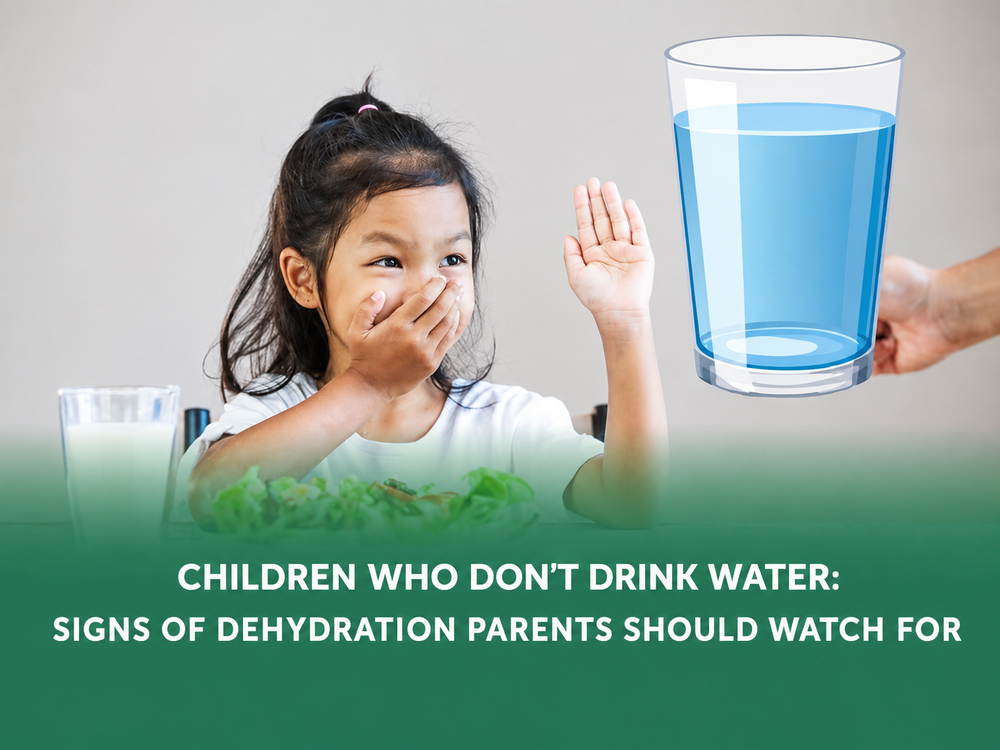
Many parents encounter situations in which children are too absorbed in play, do not like drinking plain water, or only agree to drink when they are very thirsty. Some children are also used to soft drinks, milk, or fruit juice, which may make them even more likely to refuse plain water. However, on hot days, inadequate fluid intake can quickly put children at risk of dehydration, affecting digestion, thermoregulation, alertness, and overall health.
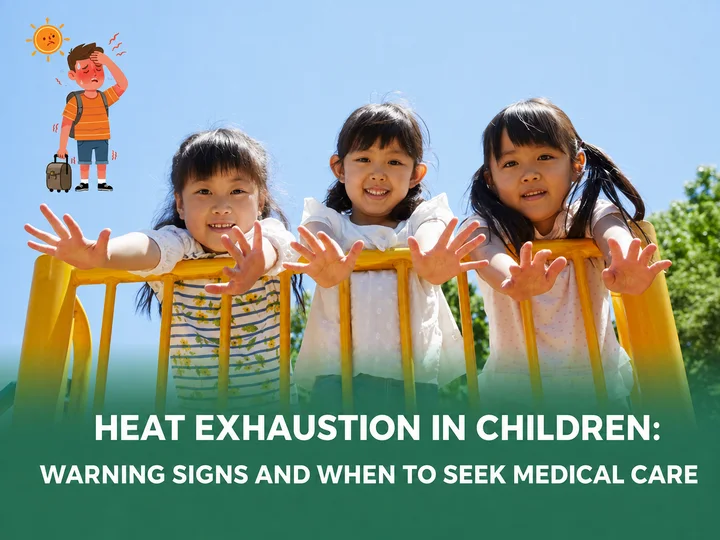
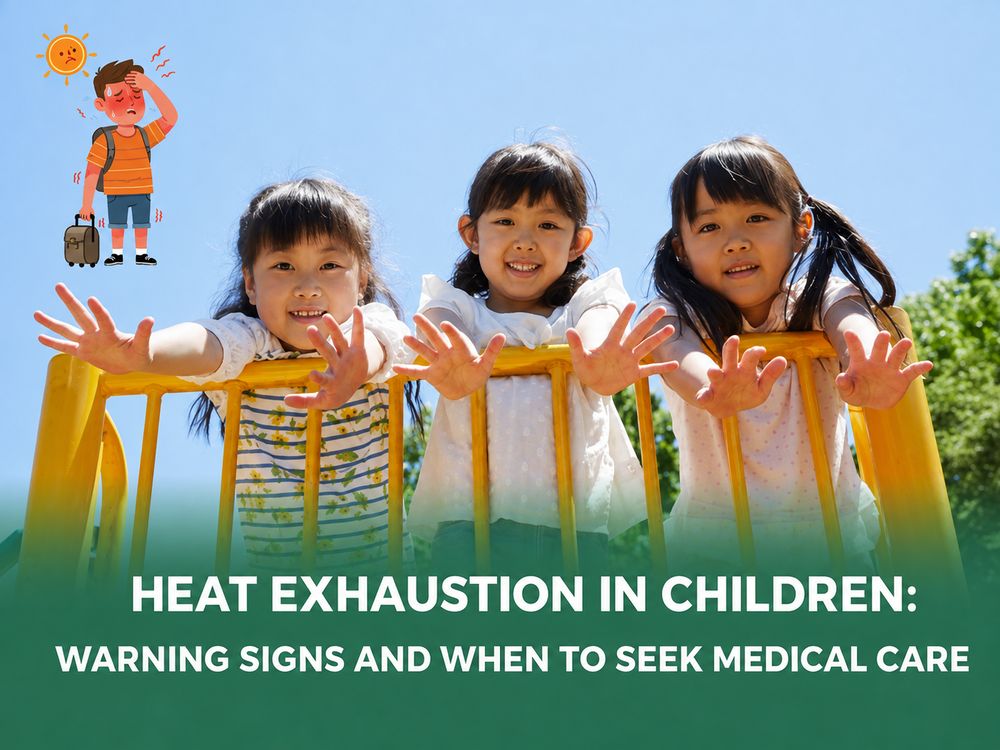
Summer is the time when children are more likely to engage in outdoor activities, including playing, traveling, sports, and extracurricular programs. However, prolonged hot weather also increases the risk of dehydration, heat exhaustion, sunstroke, and heatstroke in children. Below, a pediatric specialist at Hong Ngoc General Hospital outlines the warning signs, timely first-aid measures for children with sunstroke, and symptoms that require hospital admission.
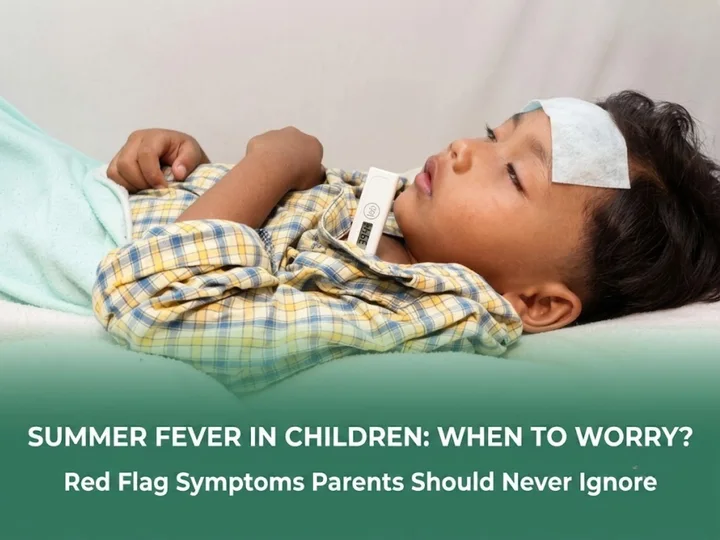
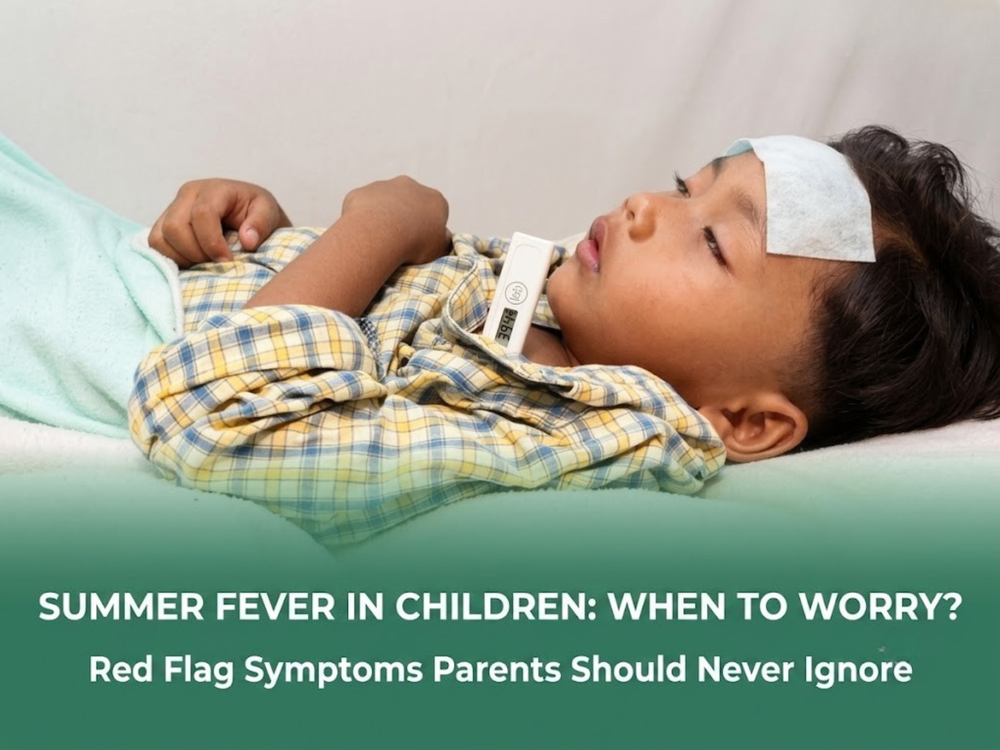
Fever in children during the summer is relatively common and may be associated with viral fever, hand, foot and mouth disease, respiratory tract infections, gastroenteritis, dehydration related to hot weather, or certain seasonal infectious diseases. Most cases of fever in children can be monitored and managed at home if the child remains alert, is able to eat or breastfeed, can engage in light play, and responds to fever-reducing medication.
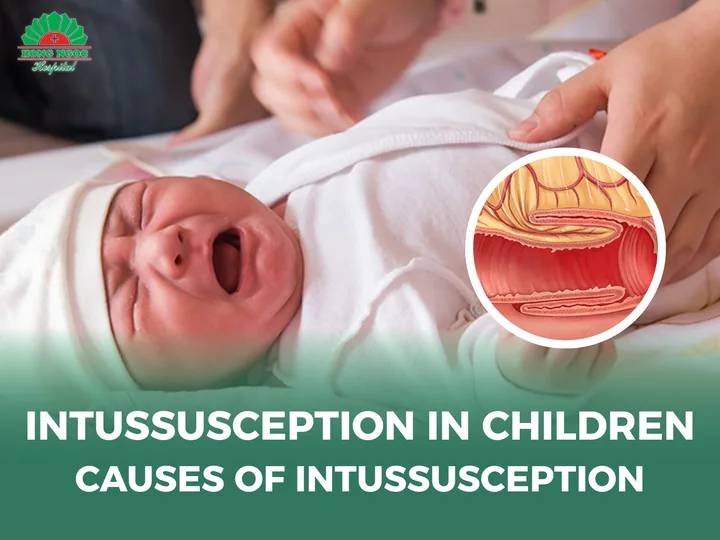
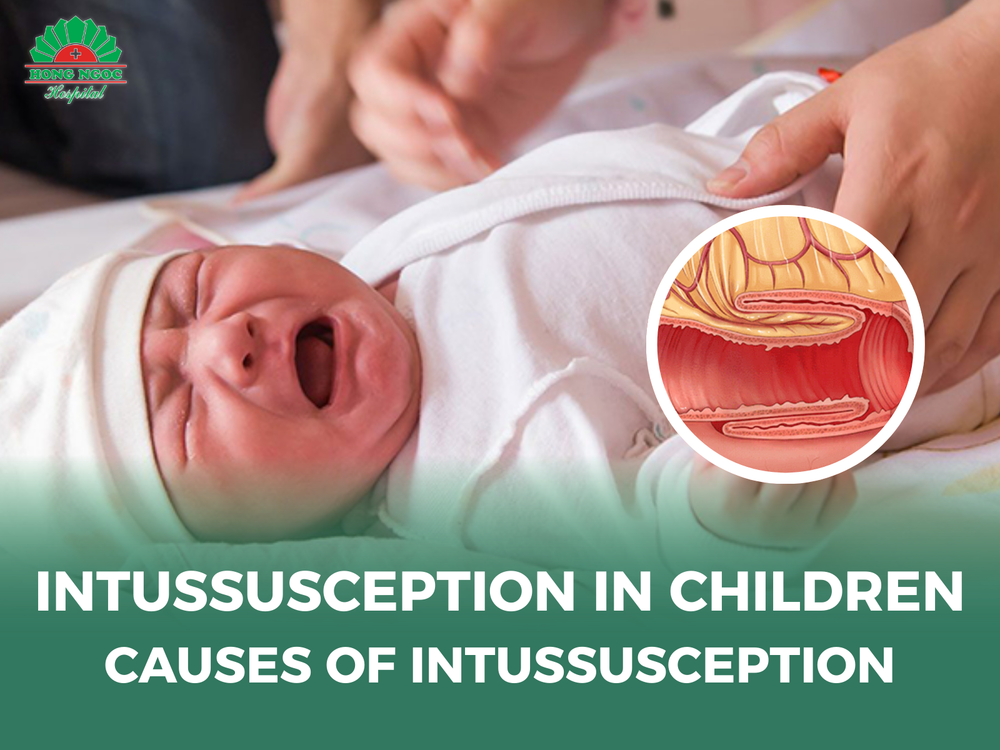
Intussusception is a condition commonly encountered in young children but is often overlooked in its early stages due to nonspecific symptoms that can be easily mistaken for gastrointestinal disturbances. Early recognition of warning signs and associated risk factors enables parents to seek timely hospital care, thereby increasing the likelihood of successful non-surgical management and reducing the risk of serious complications.
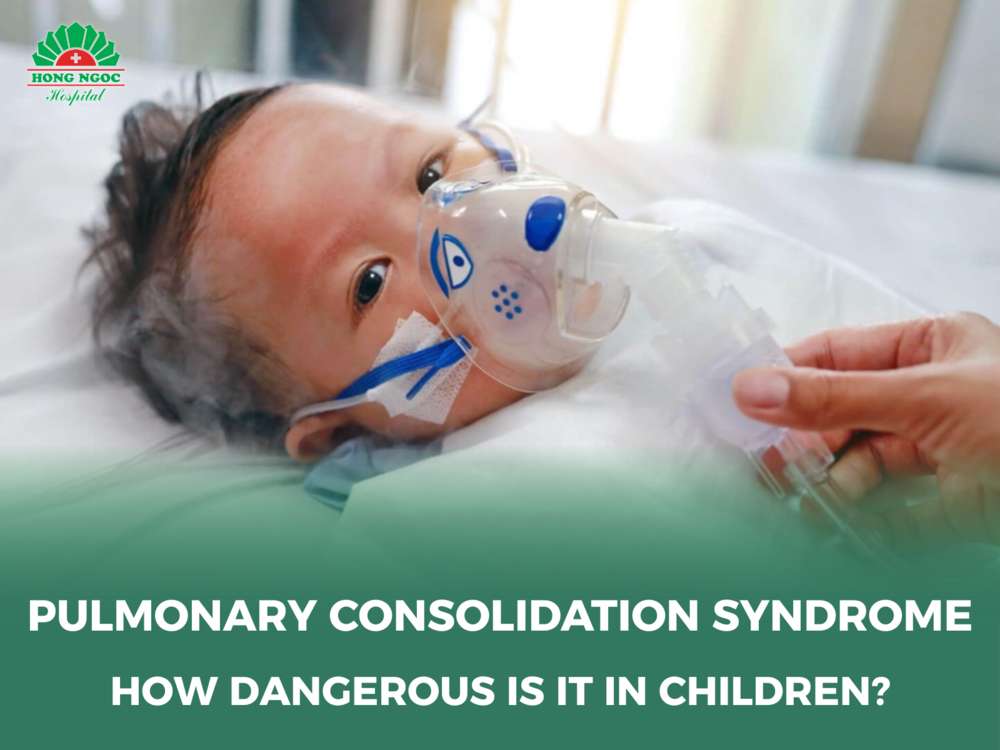
Pulmonary consolidation syndrome in children poses significant risks if not detected and treated promptly. A proper understanding of the condition, along with early recognition of warning signs, can help parents prevent long-term lung damage and minimize complications that may affect a child’s overall growth and development.
Pleuritis in children is commonly caused by bacterial or viral infections, as well as other underlying medical conditions. The disease not only affects the respiratory system but may also lead to serious complications if it is not detected and treated in a timely manner.
Pneumonia in children is a serious respiratory disease with a high mortality rate, especially in those under 5 years of age. The condition can progress rapidly and lead to dangerous complications if not detected, diagnosed, and treated promptly.
Digestive disorders in neonates can have adverse effects on long term growth and development, as this is a critical stage requiring consistent and adequate nutritional intake.
Below are the common clinical manifestations of neonatal digestive disorders, along with their underlying causes and recommended management approaches.

lorem ipsum dolor
Lorem ipsum dolor sit amet, consectetur adipiscing elit. Mauris odio lectus, pretium faucibus nisi eu, accumsan consectetur orci. In blandit vehicula nisl, vel lacinia ligula finibus a. Donec fermentum rhoncus