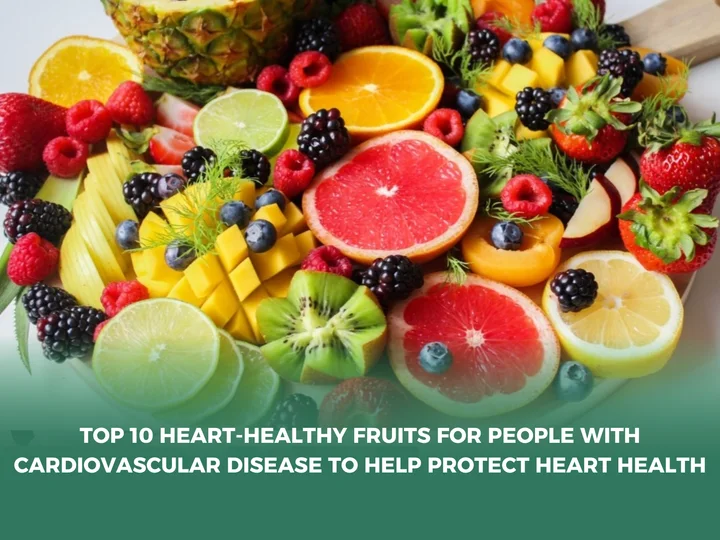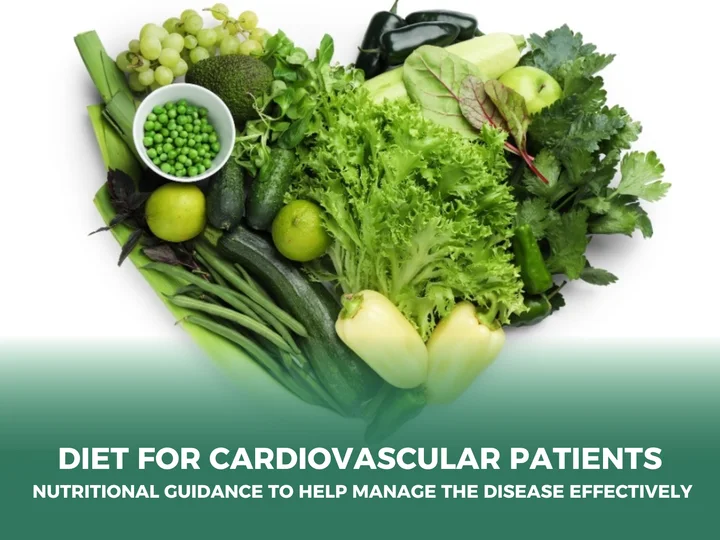



A healthy diet not only helps maintain overall health but also contributes to controlling cardiovascular risk factors such as blood pressure, blood lipids, blood glucose and body weight. Instead of focusing on a single “superfood,” patients should build a balanced dietary pattern that prioritizes fresh foods, green vegetables, whole grains, fish, legumes and healthy fats, while limiting salt, sugar and saturated fat.
Below, Vu Thi Thin, MD, MSc, Resident Doctor, Cardiology and Interventional Cardiology Department, Hong Ngoc General Hospital, recommends the top 10 easy-to-prepare, heart-healthy dishes that are suitable for the whole family.
Quick answer
Heart-healthy dishes are often prepared with marine fish, green vegetables, whole grains, legumes, fresh fruits and unsaturated fats. People with cardiovascular disease or at risk of developing cardiovascular disease should prioritize steaming, boiling, baking, grilling or pan-searing with minimal oil, while limiting foods high in salt, added sugar, saturated fat, trans fat and processed ingredients. There is no single “best” food for heart health; long-term benefits come from a diverse dietary pattern that is maintained consistently.

Professional medical consultation
Vu Thi Thin, MD, MSc, Resident Physician - Cardiology Department and Interventional Cardiology - Hong Ngoc Phuc Truong Minh General Hospital.
Medical note
This article provides general nutritional information for reference only and is not a substitute for medical diagnosis, treatment or individualized counseling from a physician. Dietary plans should be adjusted according to each person’s health status, underlying medical conditions and current medications, especially in patients with heart failure, kidney disease, diabetes, hyperkalemia, severe dyslipidemia or those taking anticoagulants.
Patients should not stop or change their medications, take high-dose omega-3 supplements, high-dose fish oil or dietary supplements without consulting a physician.
Quick summary
What makes a dish heart-healthy?
A dish can be considered heart-friendly when it contributes to a balanced dietary pattern that is low in sodium and saturated fat, rich in fiber, and centered on fresh foods.
Recommended criteria include:
- Rich in green vegetables, fresh fruits or whole grains;
- Providing protein from fish, skinless poultry, legumes, tofu or low-fat dairy products;
- Using unsaturated fats from plant-based oils, fish, avocado or unsalted nuts and seeds;
- Limiting salt, added sugar, saturated fat and trans fat;
- Prioritizing steaming, boiling, baking, grilling or pan-searing with minimal oil instead of deep-frying;
- Limiting salty dipping sauces, industrially prepared sauces and ultra-processed foods.
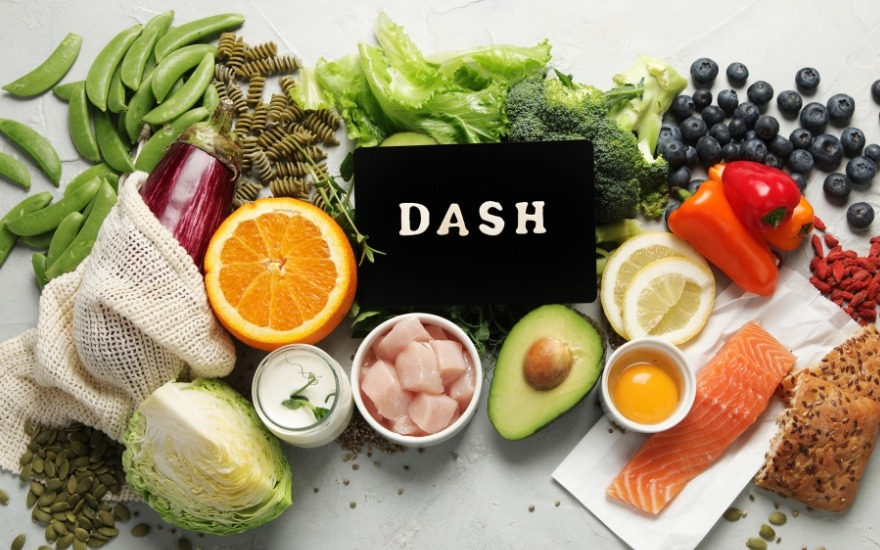
According to nutritional recommendations from the American Heart Association (AHA), the overall dietary pattern is more important than simply adding a few individual foods. Dietary patterns such as the DASH diet (Dietary Approaches to Stop Hypertension) and the Mediterranean-style diet prioritize fruits and vegetables, whole grains, fish, legumes, nuts, seeds and plant-based oils, while limiting sodium, added sugar and processed meats.
Top 10 heart-healthy dishes
The serving sizes below are for reference only and apply to clinically stable adults. Actual portions should be adjusted based on age, body weight, physical activity level, weight goals, blood pressure, blood lipids, blood glucose, kidney function, heart failure status and current medications.
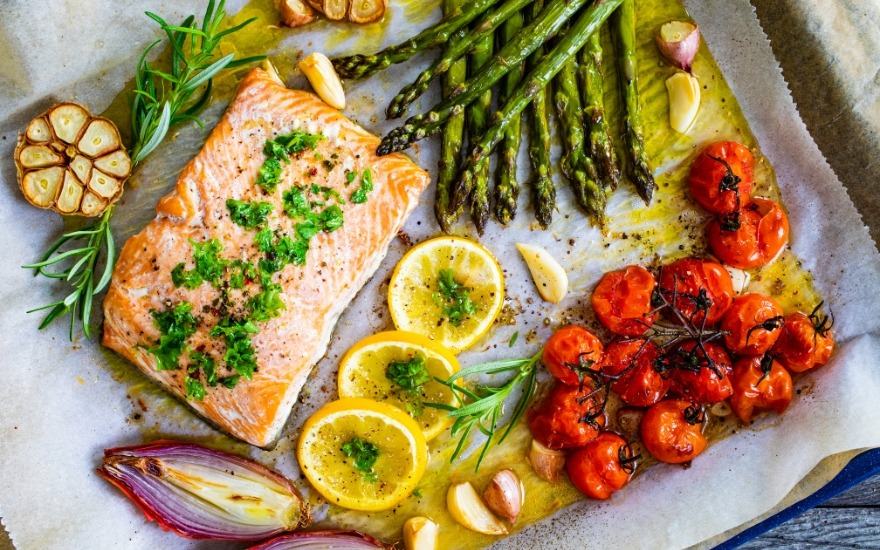
1. Pan-seared salmon served with steamed vegetables
Salmon is a source of the omega-3 fatty acids EPA and DHA. When included as part of a balanced diet, fatty fish may help support triglyceride control and provide unsaturated fats that are more beneficial than saturated fats from fatty meats or fried foods.
Combining salmon with steamed broccoli, carrots, asparagus or zucchini helps increase the fiber, vitamin and mineral content of the meal.
Suggested serving size:
- Approximately 100–150 g of cooked fish per serving;
- Fish, especially fatty fish, may be consumed about twice per week or as advised by a physician;
- Vegetables should make up about half of the plate if there are no contraindications.
Cooking notes:
- Pan-sear with a moderate amount of olive oil or canola oil;
- Limit butter, cream-based sauces, soy sauce, fish sauce or bottled sauces that are high in sodium;
- Prioritize low-mercury fish and vary the types of fish consumed;
- Women who are pregnant, planning pregnancy or breastfeeding should consult a physician about suitable fish types and intake amounts.
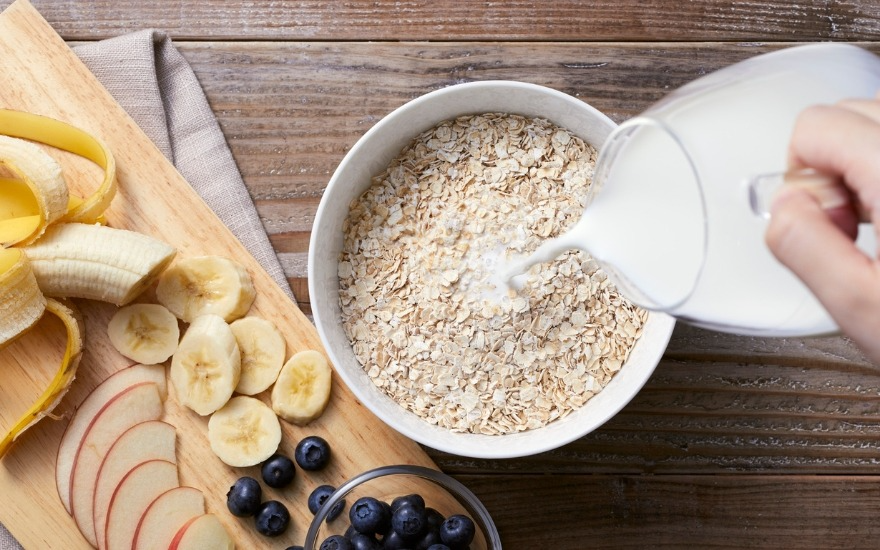
2. Oatmeal porridge with low-fat milk
Oats contain beta-glucan, a type of soluble fiber that may help support LDL cholesterol reduction when consumed as part of a healthy diet. Oatmeal porridge cooked with low-fat milk is suitable for breakfast because it is easy to eat, helps promote satiety and can be combined with fresh fruit.
Suggested serving size:
- Approximately 40–60 g of dry oats per meal;
- Use low-fat or fat-free milk, preferably unsweetened;
- It can be eaten for breakfast or as a snack, depending on individual energy needs.
Optional additions:
- A small amount of blueberries, strawberries or apple;
- A small portion of chia seeds or walnuts;
- Cinnamon to enhance flavor instead of adding sugar.
Note: People with diabetes or prediabetes still need to account for carbohydrates from oats, milk and fruit. Sugar, condensed milk and syrup should be avoided.
3. Green salad with chicken breast
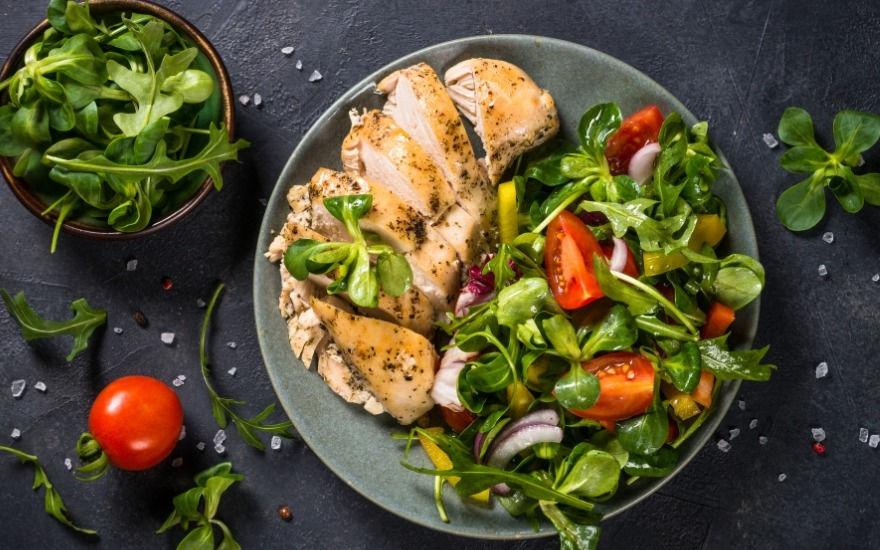
Green salad with chicken breast is a dish rich in fiber, vitamins and lean protein. Skinless chicken breast provides protein with a lower amount of saturated fat than many fatty red meats.
Suggested serving size:
- Approximately 100–120 g of cooked chicken breast;
- Green vegetables should make up about half of the meal;
- Add a small amount of olive oil, canola oil or avocado if appropriate.
Suggested ingredients:
- Lettuce;
- Spinach;
- Tomato;
- Cucumber;
- Bell pepper;
- Onion;
- Lemon;
- Olive oil.
Cooking notes:
- Avoid mayonnaise-based dressings, cream-based sauces or bottled dressings that are high in sodium or sugar;
- People taking warfarin should maintain a consistent intake of leafy green vegetables and avoid sudden increases or decreases.
4. Steamed mackerel with ginger
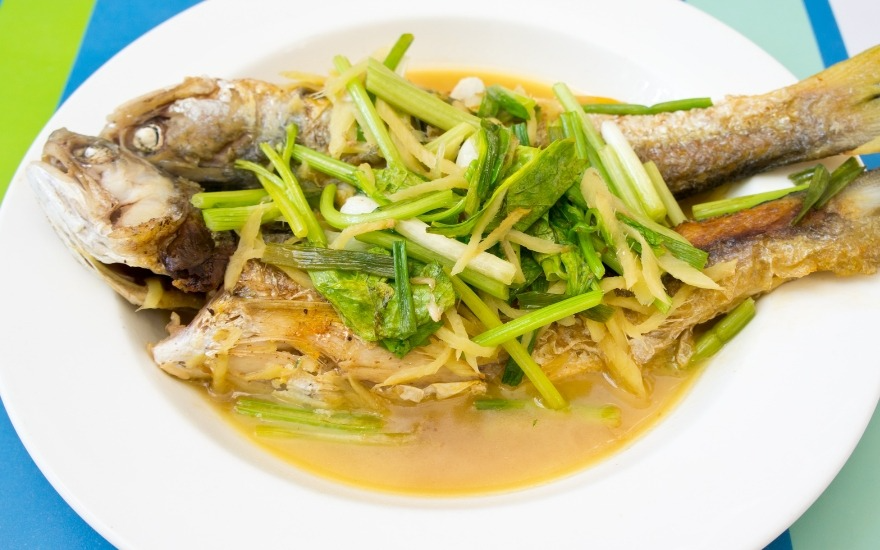
Mackerel is a fatty fish that provides protein and omega-3 fatty acids. Steaming it with ginger enhances the dish’s aroma and flavor, which may help reduce the need for salt or salty dipping sauces. Ginger should not be considered a food that treats cardiovascular disease.
Suggested serving size:
- Approximately 100–150 g of cooked fish per serving;
- Mackerel can be alternated with salmon, sardines, herring or other low-mercury fish.
Cooking notes:
- Steam the fish with ginger, scallions, dill or herbs;
- Season lightly;
- Limit fish sauce, soy sauce or salty sauces;
- Do not use high-dose ginger or ginger-based supplements without medical advice if you are taking anticoagulants or antiplatelet medications.
5. Sweet leaf soup with lean pork
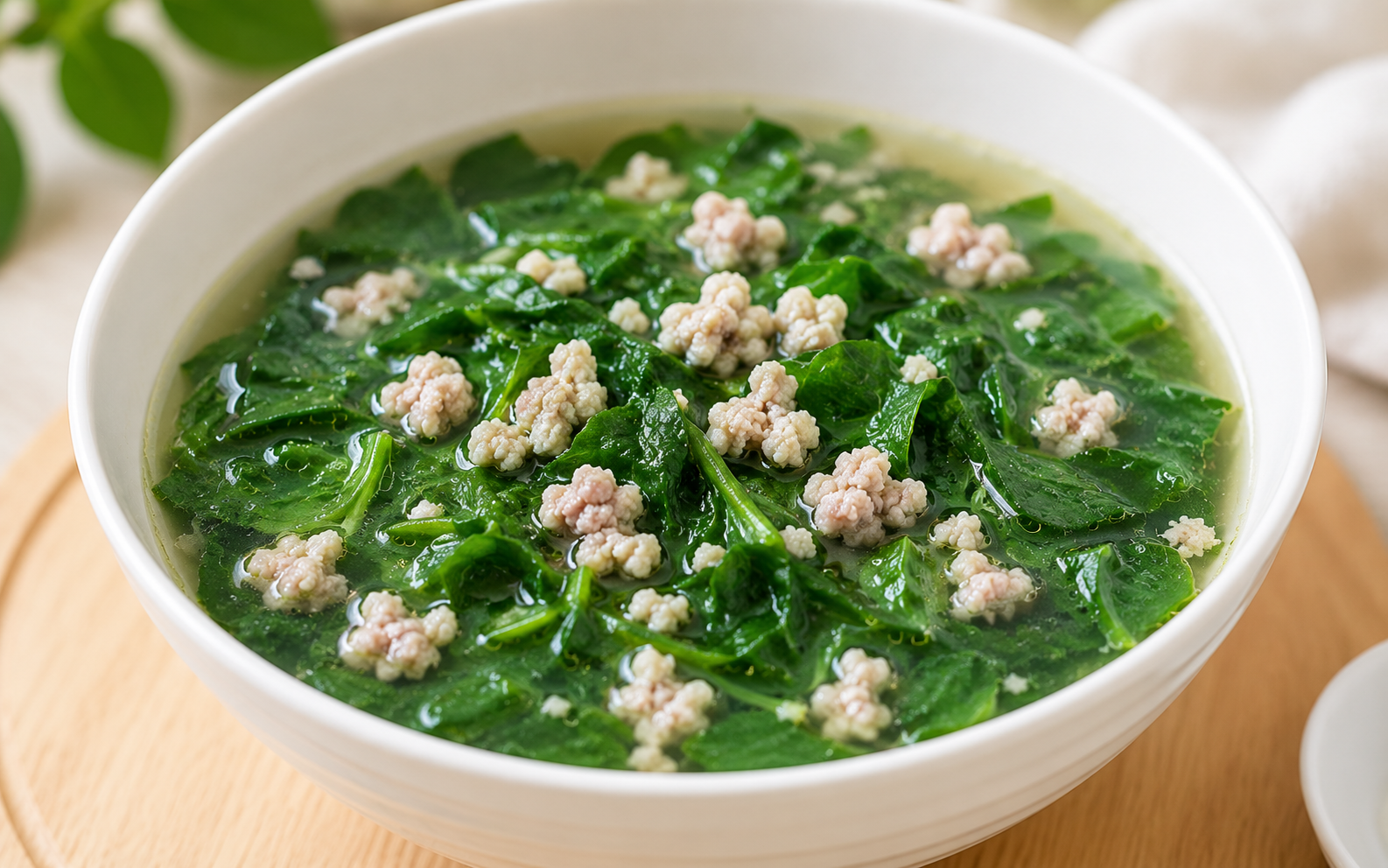
Sweet leaf soup with lean pork is a familiar dish that is easy to prepare, low in fat and suitable for many families. Sweet leaf provides fiber, vitamins and minerals, while lean pork adds protein.
Suggested serving size:
- Approximately 50–70 g of lean pork per bowl of soup;
- Vegetables should make up the majority of the dish;
- Use a moderate amount of salt or fish sauce.
Cooking notes:
- Choose lean pork and remove visible fat;
- Avoid seasoning the dish too heavily;
- Limit seasoning powders or ready-made seasonings that are high in sodium;
- People with kidney disease or hyperkalemia should consult a physician about an appropriate intake of green vegetables.
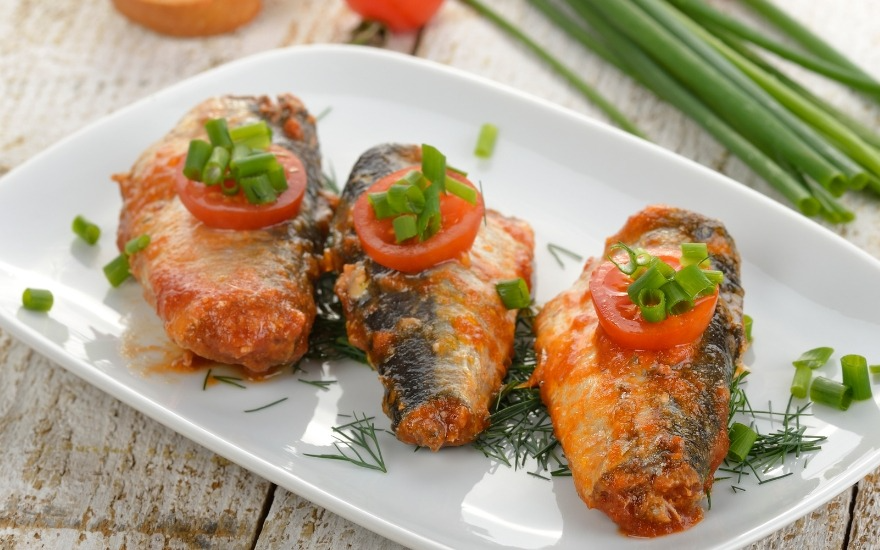
6. Sardines in tomato sauce
Sardines are small fish that can provide omega-3 fatty acids, protein, calcium and vitamin D when the soft bones are eaten. Tomatoes provide lycopene and antioxidants. These ingredients can be beneficial as part of a diet rich in fruits and vegetables, but they do not replace medications or cardiovascular treatment.
Suggested serving size:
- Approximately 100–120 g of fish per serving;
- Can be consumed 1–2 times per week, alternating with other protein sources.
Cooking notes:
- If using canned sardines, read the sodium content on the label;
- Choose sardines packed in water or low-sodium tomato sauce;
- Avoid sardines packed in oil with high salt content or thick, highly seasoned sauces;
- Rinse lightly if appropriate to reduce salt content;
- Do not add too much sugar when preparing the tomato sauce.
7. Tofu with mushroom sauce
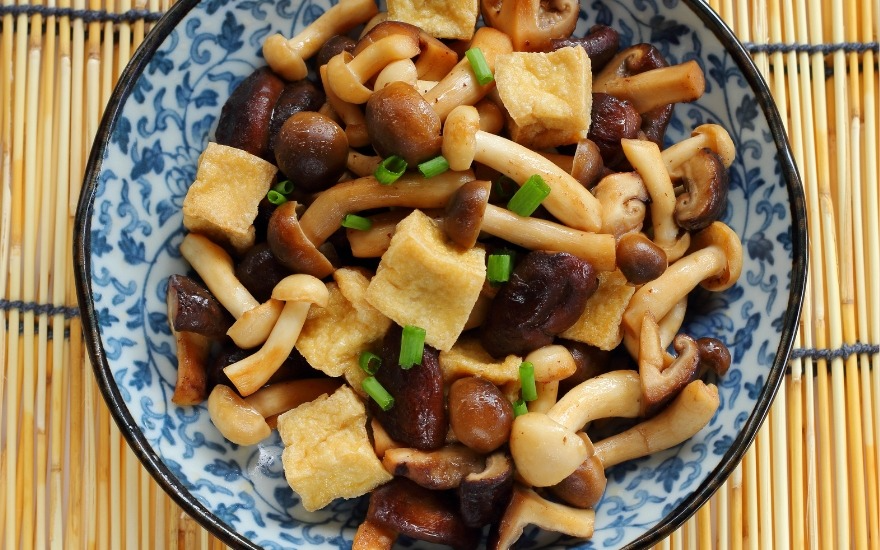
Tofu is a plant-based protein source that is low in saturated fat. Mushrooms provide fiber, B vitamins and several minerals. This dish is a suitable option for replacing part of the red meat intake in meals.
Suggested serving size:
- Approximately 100 g of tofu per serving;
- It can be eaten several times per week, depending on individual protein needs and coexisting medical conditions.
Cooking notes:
- Do not deep-fry the tofu before adding the sauce;
- Prioritize steamed tofu, tofu pan-seared with minimal oil or tofu cooked directly in sauce;
- Use fresh mushrooms, tomatoes, onions and garlic to enhance flavor;
- Limit bottled sauces, oyster sauce or seasonings that are high in sodium.
8. Brown rice with chicken breast and boiled vegetables
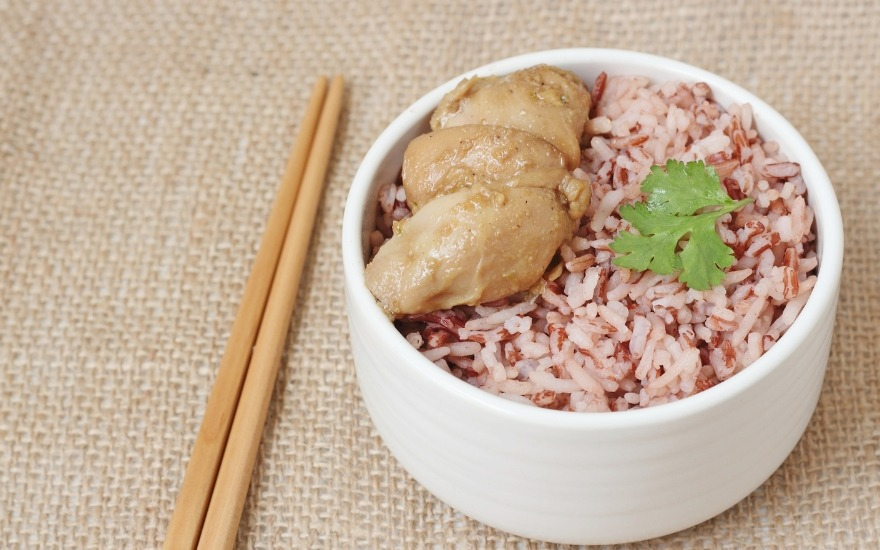
This is a balanced meal that combines carbohydrates, protein and fiber. Brown rice provides carbohydrates that are absorbed more slowly than some refined starches; chicken breast adds lean protein; and boiled vegetables help increase fiber and micronutrient intake.
Suggested serving size:
- Approximately one small to medium bowl of brown rice;
- Approximately 100 g of cooked chicken breast;
- Boiled or steamed vegetables should make up about half of the plate.
Notes:
- People with diabetes still need to account for carbohydrate intake from brown rice;
- Brown rice should not be consumed in excessive amounts if weight control or blood glucose control is needed;
- People with kidney disease should consult a physician about an appropriate protein intake.
9. Pumpkin and lentil soup
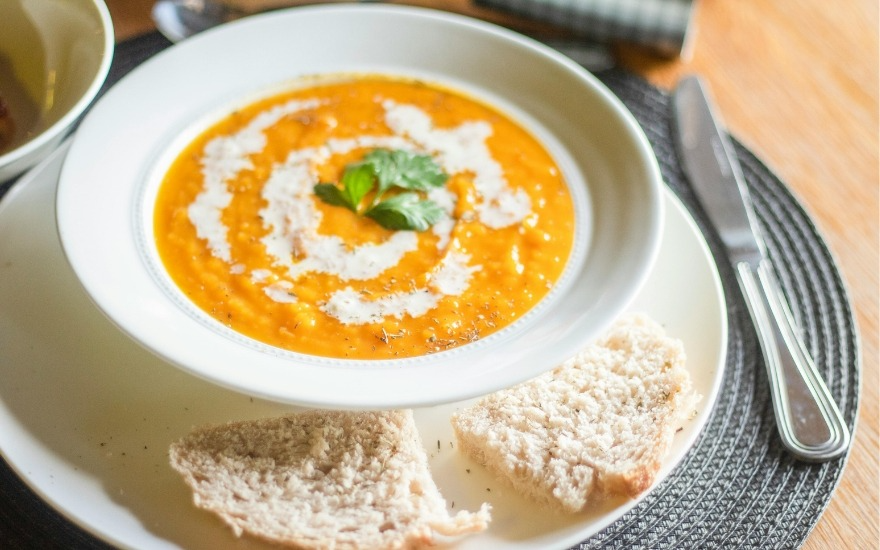
Pumpkin provides beta-carotene, while lentils provide plant-based protein and fiber. This soft, easy-to-eat soup is suitable for older adults or people who prefer a light dinner.
Suggested serving size:
- One bowl of soup, approximately 250–300 ml;
- It can be used as a snack or a light dinner, depending on individual energy needs.
Cooking notes:
- Do not add heavy cream or butter;
- Season lightly;
- Use onions, garlic, pepper and herbs to enhance flavor;
- People with diabetes should account for carbohydrates from pumpkin and lentils;
- People with kidney disease should consult a physician about an appropriate intake of legumes.
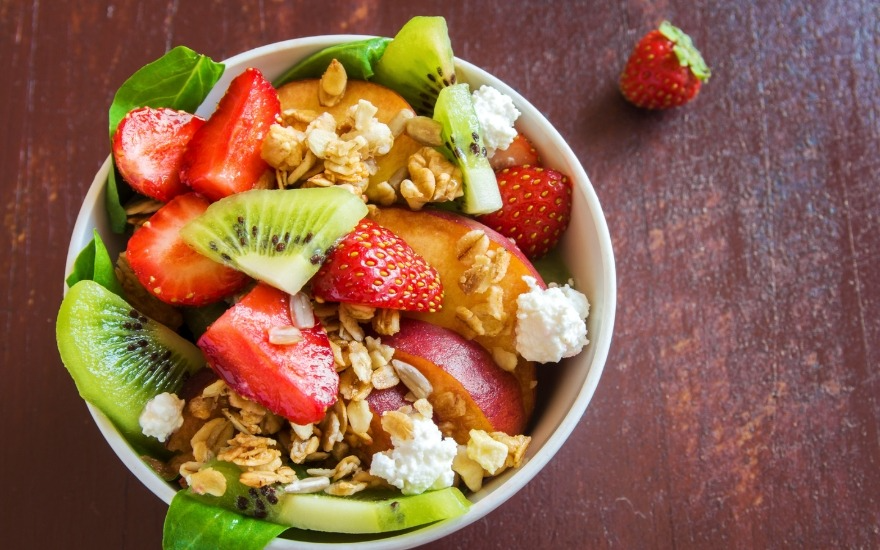
10. Fruit salad with nuts and seeds
Fruit salad with nuts and seeds can provide vitamins, fiber and unsaturated fats. However, portion size should be controlled because fruits still contain natural sugars, while nuts and seeds are energy-dense.
Suggested ingredients:
- Apple;
- Orange;
- Kiwi;
- Blueberries;
- Strawberries;
- Unsalted almonds;
- Unsalted walnuts.
Suggested serving size:
- Approximately 150–200 g of fruit per serving;
- Approximately 15–30 g of unsalted nuts and seeds, depending on individual energy needs.
Cooking notes:
- Do not add syrup, sugar, condensed milk or cream;
- Fruits should not completely replace green vegetables;
- People with diabetes should choose appropriate fruits and control portion size;
- People with kidney disease, hyperkalemia or those taking medications that affect potassium levels should consult a physician before consuming large amounts of potassium-rich fruits, nuts or seeds.
Notes on preparing heart-healthy dishes
Even when healthy ingredients are selected, cooking methods can still significantly affect the nutritional value of a dish.
To support cardiovascular health, it is advisable to:
- Prioritize steaming, boiling, baking, grilling or pan-searing with minimal oil;
- Reduce salt, fish sauce, soy sauce and ready-made seasonings;
- Limit processed foods;
- Use plant-based oils such as olive oil, canola oil or soybean oil in moderate amounts;
- Increase vegetables in each meal if there are no contraindications;
- Choose unsalted nuts and seeds instead of salted roasted varieties;
- Read food labels to check sodium, added sugar and saturated fat content;
- Avoid reusing frying oil multiple times;
- Avoid frequent use of bottled sauces, as they may contain high amounts of sodium or sugar.
Special considerations for people with heart failure, kidney disease, diabetes or those taking anticoagulants
Not all patients with cardiovascular disease have the same nutritional needs. A dish that is beneficial for one person may not be suitable for another if coexisting medical conditions are present.

Considerations for people with heart failure or kidney disease
Patients with heart failure, chronic kidney disease, significant edema, hyperkalemia, or those taking diuretics or medications that affect potassium levels should not independently follow a diet high in fruits, dark leafy greens, legumes or nuts, or increase water intake without medical guidance. They should consult a physician about appropriate fluid, sodium, potassium, protein and fruit intake.
Considerations for people with diabetes
People with diabetes or prediabetes still need to account for their total daily carbohydrate intake. Brown rice, oats, pumpkin, potatoes and fruits are better choices than many refined carbohydrates, but excessive intake can still raise blood glucose levels.
Considerations for people taking warfarin or anticoagulants
People taking warfarin, a vitamin K antagonist anticoagulant, do not need to completely avoid green vegetables, but should maintain a consistent intake of leafy greens and monitor INR as scheduled. Patients should not use high-dose fish oil, omega-3 supplements, ginger, garlic or dietary supplements without medical guidance if they are taking anticoagulants or antiplatelet medications.
Cardiovascular nutrition consultation and care at Hong Ngoc General Hospital
If you have cardiovascular conditions such as hypertension, coronary artery disease, heart failure or dyslipidemia, or risk factors such as diabetes, overweight or obesity, regular medical checkups and an appropriate dietary plan can help support disease control and reduce the risk of complications.
At Hong Ngoc General Hospital, patients are examined by a team of qualified cardiologists, supported by modern diagnostic equipment for comprehensive assessment of cardiovascular status and related risk factors. Depending on each case, physicians may coordinate with the Departments of Nutrition, Endocrinology, Nephrology and Urology, and other relevant specialties to develop an appropriate treatment plan, dietary regimen and follow-up strategy tailored to each patient.
To make the consultation more effective, patients should bring recent test results, such as blood lipid profile, blood glucose and kidney function tests, along with their current prescriptions, blood pressure log if available, and information about their current diet. These details provide physicians with a more complete basis for assessment and individualized recommendations.

Frequently asked questions
What is the best food for heart health?
There is no single food that can be considered the “best” for heart health. A diverse diet rich in green vegetables, fish, whole grains, legumes and unsalted nuts and seeds often provides more sustainable benefits than focusing on one specific food.
What foods should people with hypertension prioritize?
People with hypertension should prioritize lightly seasoned, low-sodium dishes such as steamed fish, boiled vegetables, lightly seasoned vegetable soups, unsweetened oatmeal porridge, low-sodium tofu with mushroom sauce or green salads without salty dressings. Salty dipping sauces, pickled foods, instant noodles and processed foods should be limited.
Should red meat be eaten every day?
Red meat should not be consumed every day, especially fatty red meat or processed meats. Patients should prioritize fish, skinless poultry, legumes, tofu and other protein sources that are low in saturated fat for most meals.
Should fats and oils be completely avoided?
No. The body still needs fat to function normally. The key is to prioritize unsaturated fats from plant-based oils, fish, avocado and nuts and seeds, while limiting animal fat, butter, fried foods and trans fat.
Should people with cardiovascular disease eat salmon or mackerel every day?
Daily consumption is not necessary. Fish, especially fatty fish, may be eaten about twice per week or as advised by a physician. It is recommended to vary the types of fish, prioritize low-mercury options and prepare them with minimal salt.
Should people with heart disease eat a lot of fruit?
Fresh fruit can be beneficial as part of a healthy diet, but it should not be consumed in excessive amounts. People with diabetes need to control fruit intake to avoid elevated blood glucose, while those with kidney disease or hyperkalemia should consult a physician about suitable fruit choices.
Can people with heart failure drink plenty of water and eat a lot of fruits and vegetables?
They should not do so without medical guidance. People with heart failure may need to restrict fluid and sodium intake as prescribed. If kidney disease or hyperkalemia is present, certain potassium-rich fruits and vegetables may also need to be adjusted.
Do people taking warfarin need to avoid green vegetables?
They do not need to completely avoid green vegetables. The important point is to maintain a consistent vitamin K intake, avoid sudden changes in the amount of leafy greens in the diet and monitor INR as instructed by a physician.
Conclusion
Heart-healthy dishes should be built around fresh foods that are rich in fiber, healthy protein and unsaturated fats, such as fish, green vegetables, whole grains, legumes, fresh fruits and unsalted nuts and seeds. Cooking methods are also important: steaming, boiling, baking, grilling, pan-searing with minimal oil and light seasoning should be prioritized.
However, no food can replace prescribed medications, follow-up visits or medical care. People with cardiovascular disease, heart failure, kidney disease, diabetes or those taking anticoagulants need individualized counseling to choose portions that are appropriate and safe.
References