


Cardiovascular disease comprises a group of chronic conditions that require long-term management through multiple measures, including prescribed medication use, regular follow-up visits, appropriate physical activity, weight control, smoking cessation and a healthy diet.
An appropriate dietary plan can help control risk factors such as blood pressure, cholesterol, blood glucose and body weight, thereby supporting a reduction in cardiovascular event risk when combined with medical treatment and a healthy lifestyle. However, patients with cardiovascular disease should not follow a one-size-fits-all meal plan, as nutritional needs may vary depending on specific conditions such as hypertension, coronary artery disease, heart failure, dyslipidemia, diabetes or coexisting kidney disease.
Quick answer A diet for patients with cardiovascular disease should prioritize green vegetables, fresh fruits, whole grains, fish, legumes, low-fat or fat-free dairy products, plant-based oils and unsalted nuts and seeds. Patients should limit salt and sodium, saturated fat, trans fat, processed meats, ultra-processed foods, fried foods, sugar-sweetened beverages and alcoholic drinks. The diet should be individualized according to each condition, kidney function, current medications and the physician’s guidance.

Professional medical consultation
Vu Thi Thin, MD, MSc, Resident Doctor - Cardiology and Interventional Cardiology Department - Hong Ngoc Phuc Truong Minh General Hospital.
Medical note
The information in this article is for reference only and is not a substitute for medical diagnosis, treatment or individualized nutritional counseling from a physician. Patients with cardiovascular disease, especially those with heart failure, chronic kidney disease, diabetes, those taking anticoagulants or diuretics, or those with multiple comorbidities, should be directly examined by a specialist to develop an appropriate dietary plan.
Patients should not stop or change medications, use dietary supplements, take high-dose omega-3 products or follow overly restrictive diets without a physician’s indication.
Quick summary
Why is diet important for patients with cardiovascular disease?
Diet directly affects many cardiovascular risk factors, including blood pressure, blood cholesterol, triglycerides, blood glucose, body weight and chronic inflammation. When these factors are better controlled, patients may reduce the burden on the heart and help prevent complications.
An appropriate diet can help:
- Support blood pressure control;
- Reduce LDL cholesterol, commonly known as “bad” cholesterol;
- Support triglyceride control;
- Manage body weight;
- Support blood glucose control in people with diabetes;
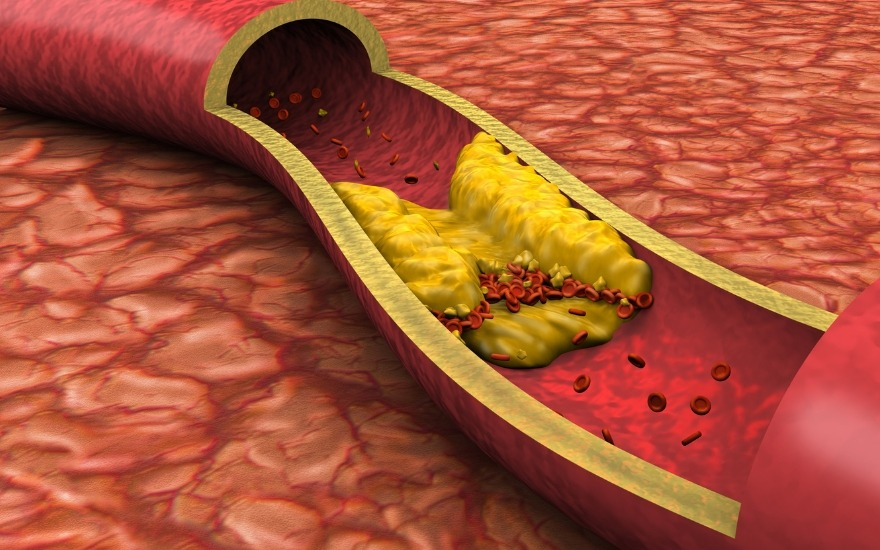
- Reduce the risk of atherosclerosis progression;
- Help lower the risk of myocardial infarction, stroke and cardiovascular events when combined with medical treatment.
However, nutrition is only one part of a cardiovascular disease management plan. Patients still need to take medications as prescribed, attend regular follow-up visits, monitor blood pressure, blood lipids and blood glucose, and maintain a healthy lifestyle.
Principles for building a diet for patients with cardiovascular disease
Eat a diverse and balanced range of food groups
No single food can provide comprehensive cardiovascular protection. Patients should build diverse, balanced meals that include:
- Whole grains;
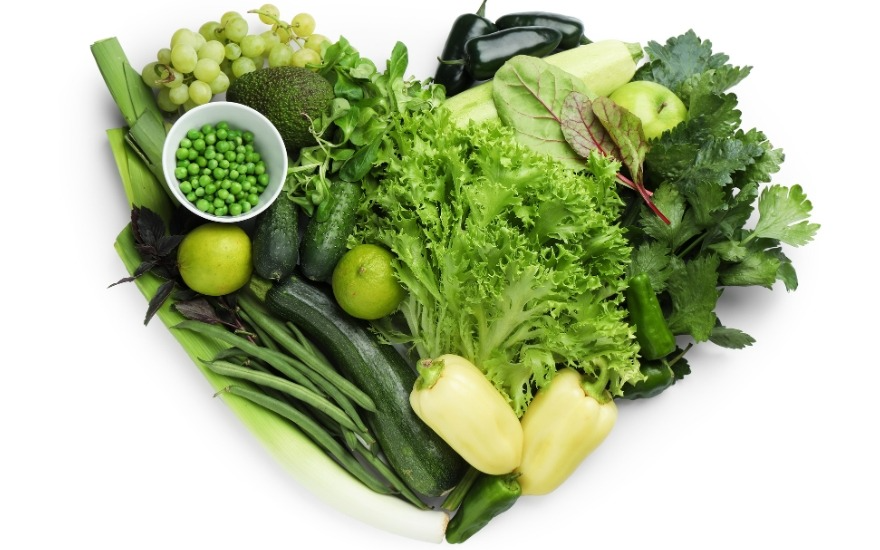
- Green vegetables and fresh fruits;
- Healthy protein from fish, legumes, skinless poultry and low-fat dairy products;
- Healthy fats from plant-based oils, fatty fish, avocado and unsalted nuts and seeds;
- Fluid intake appropriate for their health status.
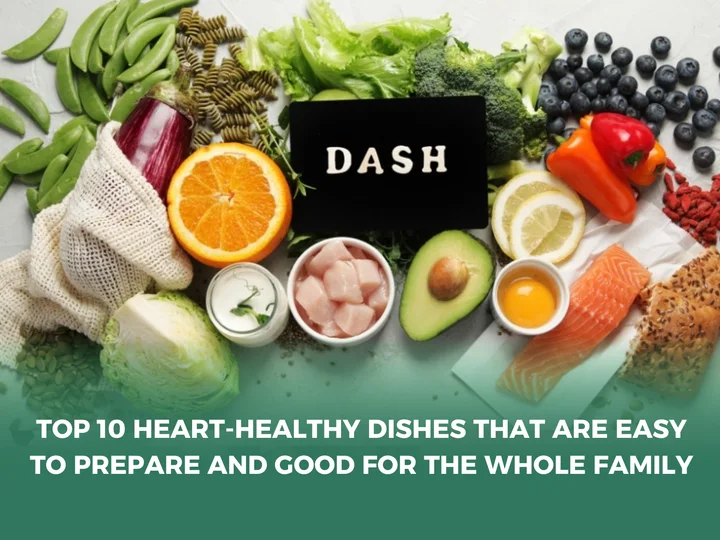
Dietary patterns commonly recommended for cardiovascular health include the DASH diet (Dietary Approaches to Stop Hypertension) and the Mediterranean-style diet. These dietary patterns share common principles: prioritizing fresh foods, fruits and vegetables, whole grains, legumes, fish and plant-based oils, while limiting salt, added sugar, processed meats and unhealthy fats.
Limit salt and high-sodium foods
Excessive sodium intake can increase blood pressure and place a greater burden on the heart. The World Health Organization (WHO) recommends that adults reduce sodium intake to less than 2,000 mg per day, equivalent to less than 5 g of salt per day.
To reduce salt intake in the diet, patients should:
- Prioritize fresh foods instead of canned foods, pickled foods or fast foods;
- Limit fish sauce, soy sauce, dipping salt, seasoning powders and ready-made seasonings;
- Read food labels to check sodium content;
- Taste food before adding seasoning;
- Use lemon, garlic, ginger, pepper and herbs to enhance flavor instead of salt;
- Limit instant noodles, sausages, bacon, canned foods and salty snacks.
People with hypertension, heart failure, kidney disease or significant edema should consult a physician about the appropriate level of salt intake, as individual needs may vary depending on disease severity and current medications.

Reduce saturated fat and avoid trans fat
Saturated fat and trans fat can increase LDL cholesterol, promote the progression of atherosclerosis and increase the risk of cardiovascular events.
Patients should limit:
- Animal fat;
- Poultry skin;
- Butter;
- Fatty red meat;
- Deep-fried foods;
- Industrially produced confectionery;
- Fast food;
- Foods containing “partially hydrogenated oils.”
Instead, patients should prioritize:
- Olive oil;
- Canola oil;
- Soybean oil;
- Fish;
- Avocado;
- Unsalted nuts and seeds;
- Legumes and soy-based products.
Fat should not be completely eliminated from the diet, as the body still needs lipids to build cell membranes, synthesize hormones and absorb fat-soluble vitamins such as A, D, E and K. The key is to choose appropriate types of fat and consume them in moderate amounts.
Increase fiber intake, especially soluble fiber
Fiber helps support cholesterol control, improve digestion, promote satiety and support weight management. Soluble fiber found in oats, legumes, fruits and some vegetables is particularly beneficial in helping reduce LDL cholesterol.
Good sources of fiber include:
- Green vegetables;
- Fresh fruits;
- Oats;
- Brown rice;
- Whole-wheat bread;
- Lentils, mung beans, black beans and soybeans;
- Sweet potatoes;
- Unsalted nuts and seeds.
Reference targets such as 25–30 g of fiber per day or 400–500 g of fruits and vegetables per day may be used for clinically stable adults. Actual portions should be adjusted based on age, body weight, physical activity level, blood glucose, kidney function and coexisting medical conditions.
Prioritize fish and dietary sources of omega-3
Omega-3 fatty acids are a group of unsaturated fatty acids that are beneficial for cardiovascular health, particularly in supporting triglyceride reduction and anti-inflammatory effects. Patients can obtain omega-3 from natural food sources such as:
- Salmon;
- Mackerel;
- Sardines;
- Herring;
- Flaxseeds;
- Chia seeds;
- Walnuts.
Fish may be consumed about twice per week, or according to individual tolerance and the physician’s advice. Patients should not use high-dose omega-3 supplements or high-dose fish oil on their own, especially if they are taking anticoagulants or antiplatelet medications, preparing for surgery or have a bleeding disorder. Supplementation should be discussed with a physician.
Limit added sugar and sugar-sweetened beverages
Patients with cardiovascular disease, especially those with overweight, diabetes, fatty liver disease or dyslipidemia, should limit added sugar.
Foods and beverages that should be limited include:
- Soft drinks;
- Milk tea;
- Energy drinks;
- Bottled fruit juices;
- Cakes and candies;
- Ice cream;
- Sweet dessert soups;
- High-sugar desserts;
- Sugar-coated breakfast cereals.
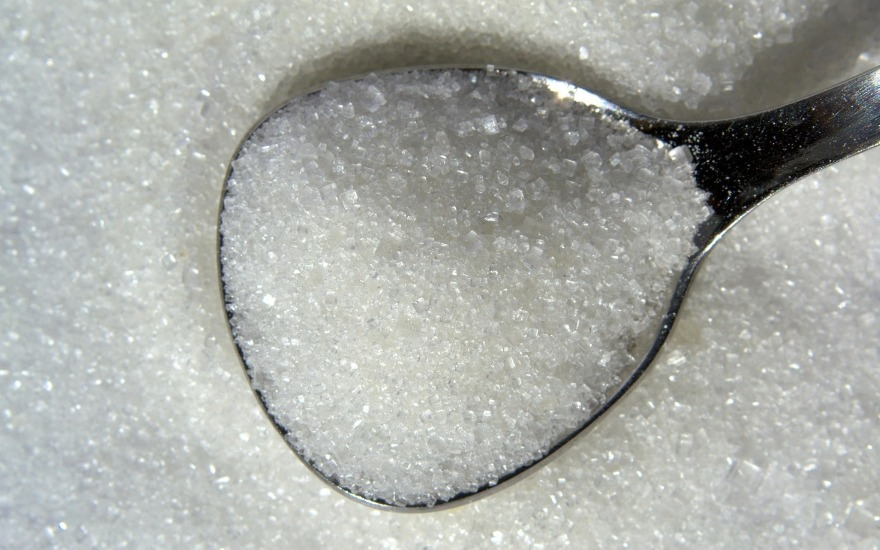
Added sugar increases energy intake and may contribute to weight gain, elevated triglycerides and more difficult blood glucose control.
Limit ultra-processed foods and processed meats
Ultra-processed foods often contain high amounts of sodium, added sugar, saturated fat, trans fat or additives. Patients with cardiovascular disease should limit:
- Sausages;
- Bacon;
- Ham;
- High-sodium canned foods;
- Instant noodles;
- Salty snacks;
- Potato chips;
- Fast food;
- Industrially produced confectionery;
- Sugar-sweetened bottled beverages.
Instead of processed foods, patients should prioritize fresh foods, home-cooked meals and simple cooking methods such as steaming, boiling, pan-searing with minimal oil or baking at an appropriate temperature.
Nutritional considerations by cardiovascular condition
Dietary plans for patients with cardiovascular disease should be individualized. The table below helps patients understand why a single meal plan should not be applied to every condition.

However, according to Vu Thi Thin, MD, MSc, Resident Physician: “People with heart failure, chronic kidney disease, significant edema or those taking diuretics should not independently follow a ‘high-fluid, high-fruit-and-vegetable, high-nut’ diet like healthy individuals. Certain potassium-rich foods, such as bananas, oranges, avocado, coconut water, dark leafy greens or nuts and seeds, may need to be adjusted in the presence of hyperkalemia or kidney failure.”
Patients should consult their physician about:
- Daily salt intake;
- Recommended fluid intake;
- Appropriate potassium intake;
- Appropriate protein intake;
- How to monitor body weight and edema;
- Warning signs that require early medical evaluation.
Suggested one-day meal plan for patients with cardiovascular disease
The meal plan below is for reference only and applies to clinically stable adults with cardiovascular disease. Specific portions should be adjusted based on age, body weight, physical activity level, coexisting medical conditions, kidney function, blood glucose and current medications.
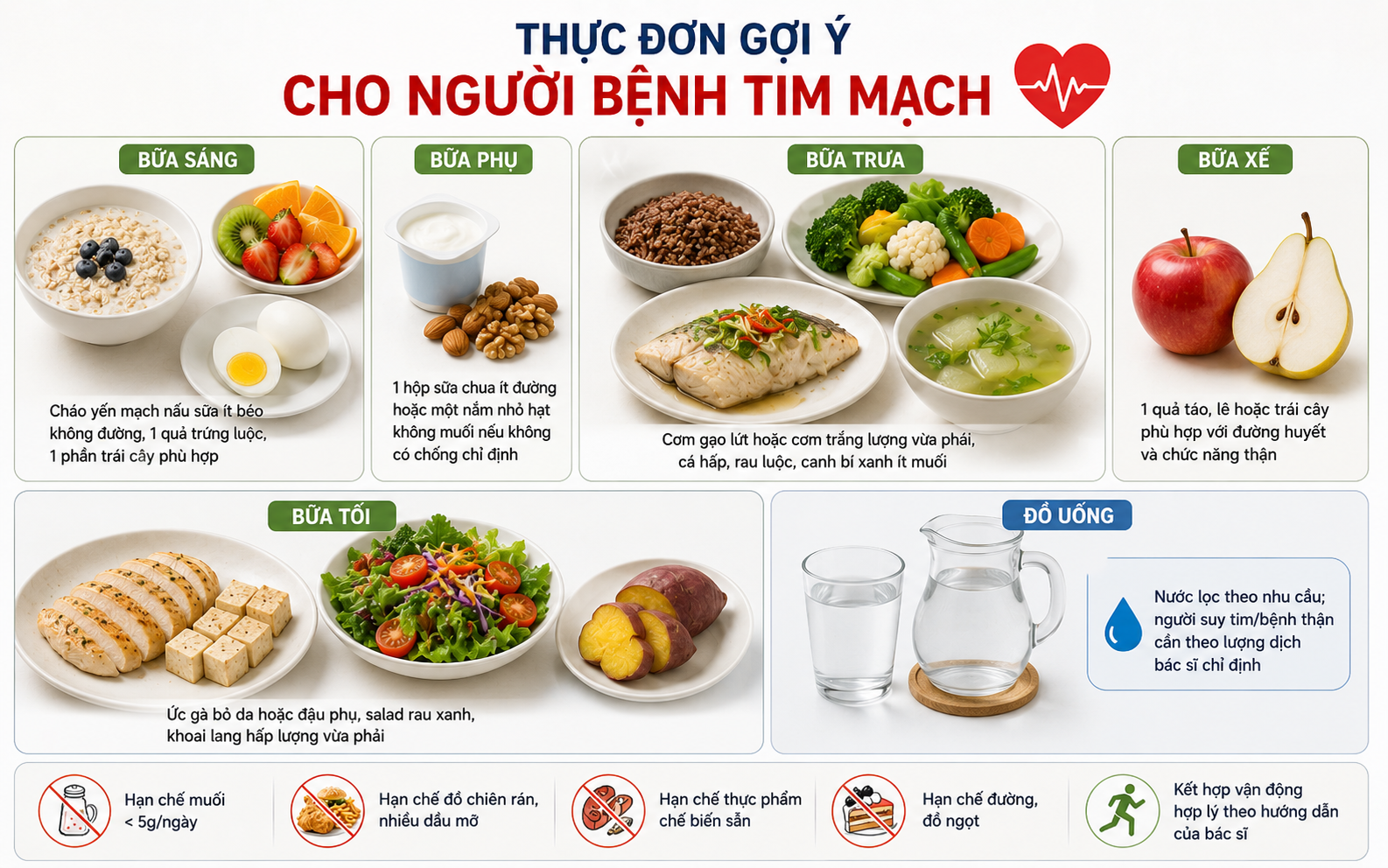
People with diabetes need to control carbohydrate intake at each meal. People with kidney disease or heart failure should consult a physician before increasing their intake of fruits, dark leafy greens, nuts and seeds, or fluids.
Key considerations when building a diet for patients with cardiovascular disease
Do not follow overly restrictive diets without medical guidance
Many people believe that cardiovascular disease requires completely eliminating fats, meat, eggs or carbohydrates. This is not true for every case.
The body still needs:
- Healthy fats to absorb fat-soluble vitamins;
- Protein to maintain muscle mass and immune function;
- Appropriate carbohydrates to provide energy;
- Vitamins and minerals from a varied diet.
Excessive dietary restriction may cause fatigue, nutrient deficiencies, loss of muscle mass or make the diet difficult to maintain long term. Instead of eliminating foods completely, patients should choose appropriate food types, control portion sizes and monitor how their body responds.

Control portion sizes
Prolonged excess energy intake can lead to weight gain, obesity, insulin resistance, dyslipidemia and hypertension. Patients should:
- Eat slowly and chew thoroughly;
- Avoid overeating;
- Limit late-night eating;
- Divide meals appropriately if they have diabetes or gastrointestinal conditions;
- Monitor body weight and waist circumference;
- Prioritize low-energy, high-fiber foods such as green vegetables.
People with overweight or obesity should discuss with a physician to set a safe weight loss goal and avoid extreme fasting.
Combine diet with a healthy lifestyle
Diet becomes more effective when combined with a healthy lifestyle. Patients should:
- Exercise regularly according to their ability and the physician’s guidance;
- Quit smoking;
- Limit alcoholic beverages;
- Get adequate sleep;
- Manage stress;
- Monitor blood pressure at home if instructed;
- Check blood lipid levels, blood glucose and body weight regularly.
People with chest pain, shortness of breath, heart failure, arrhythmias or those who have recently undergone a cardiovascular intervention should consult a physician before starting an exercise program.

Medication adherence and regular follow-up visits
Diet cannot fully replace medications for cardiovascular disease. Patients need to take medications as prescribed, including antihypertensive drugs, lipid-lowering medications, antiplatelet agents, anticoagulants or other cardiovascular medications if prescribed by a physician.
Stopping medication on one’s own when symptoms improve may increase the risk of cardiovascular events, such as myocardial infarction, stroke, worsening heart failure or dangerous arrhythmias.
Regular follow-up visits help physicians assess:
- Blood pressure;
- Blood lipid levels;
- Blood glucose;
- Liver and kidney function;
- Body weight;
- Cardiovascular symptoms;
- Treatment effectiveness and medication side effects;
- The suitability of the current diet.
When should patients see a cardiologist?
Patients should seek cardiology consultation early if they experience any of the following:
- Blood pressure that is frequently high or difficult to control;
- Persistently elevated cholesterol or triglyceride levels;
- Elevated blood glucose or diabetes;
- Leg swelling, marked fatigue or reduced exercise tolerance;
- Palpitations, a pounding heartbeat or an irregular heart rhythm;
- Existing heart failure, kidney disease, obesity or multiple coexisting conditions;
- A need for dietary counseling tailored to cardiovascular disease;
- A need to adjust their diet while taking anticoagulants, diuretics or multiple cardiovascular medications.
Warning signs that require immediate emergency care
Patients should seek emergency care or call emergency medical services if they experience:
- Severe chest pain, or pain radiating to the shoulder, left arm, jaw, back or upper abdomen;
- Severe shortness of breath or rapidly worsening breathing difficulty;
- Sweating, dizziness or fainting;
- Weakness or paralysis on one side of the body, facial drooping or difficulty speaking;
- Palpitations accompanied by chest pain, shortness of breath or fainting;
- Significant swelling, bluish discoloration or extreme fatigue;
- Very high blood pressure accompanied by severe headache, blurred vision, chest pain or shortness of breath.
Patients should not wait for symptoms to resolve on their own or attempt home treatment when signs suggest myocardial infarction, stroke, acute heart failure or a dangerous arrhythmia.
Nutrition counseling and cardiovascular treatment at Hong Ngoc General Hospital
Patients with cardiovascular disease often need a comprehensive assessment, not one based solely on a single blood pressure or cholesterol reading. Dietary plans should be developed according to the specific cardiovascular condition, kidney function, blood glucose, body weight, current medications and daily eating habits.
At Hong Ngoc General Hospital, cardiologists can examine patients, assess risk factors such as hypertension, dyslipidemia, diabetes and overweight/obesity, and provide treatment, nutrition and physical activity counseling tailored to each patient. When needed, cardiologists may coordinate with Nutrition, Endocrinology, Nephrology and Urology, or other relevant specialties to personalize the diet and ensure long-term follow-up.
Patients should bring their blood lipid profile, blood glucose and kidney function test results, current prescriptions, home blood pressure log and information about their current diet so that physicians can provide more accurate counseling.

Frequently asked questions
Can people with cardiovascular disease eat eggs?
Yes. Most people with cardiovascular disease can still eat eggs in appropriate amounts as part of a balanced diet. If patients have severe dyslipidemia, diabetes, kidney disease or a specific medical condition, they should consult a physician about the appropriate amount.
Do people with heart disease need to completely avoid red meat?
Not necessarily. However, fatty red meat and processed meats should be limited. For most meals, patients should prioritize fish, skinless poultry, legumes, tofu and other protein sources that are low in saturated fat.
Do people with hypertension need to follow an extremely low-salt diet?
Not all patients need to follow an extremely low-salt diet, but reducing salt and sodium intake is an important principle in supporting blood pressure control. The specific level of restriction should follow a physician’s advice, especially in patients with heart failure, kidney disease or those taking diuretics.
Can people with cardiovascular disease drink coffee?
Some people with cardiovascular disease may consume coffee in moderate amounts if they do not experience palpitations, arrhythmias, difficult-to-control hypertension or insomnia. However, coffee with excessive sugar, heavy cream or condensed milk should be avoided. People with arrhythmias should consult a physician.
Should dietary supplements be used to protect heart health?
Dietary supplements do not replace prescribed medications, a healthy diet or follow-up visits. Patients should use them only after consulting healthcare professionals, as some products may interact with cardiovascular medications or affect bleeding risk.
Should people with heart failure drink plenty of water to “detoxify” the body?
No. People with heart failure may need to restrict fluid intake as prescribed. Drinking too much water can worsen edema, shortness of breath and the burden on the heart. Patients should ask their physician about the appropriate daily fluid intake.
Do people taking warfarin, a vitamin K antagonist anticoagulant, need to avoid green vegetables?
They do not need to completely avoid green vegetables. The important point is to maintain a consistent vitamin K intake, avoid sudden changes in the amount of leafy greens in the diet and attend follow-up visits or INR testing as instructed by a physician.
Should people with cardiovascular disease eat bananas, oranges, avocado or nuts and seeds?
These foods may be suitable for many people, but they should not be applied universally. Patients with chronic kidney disease, hyperkalemia or those taking certain medications that affect potassium levels should consult a physician before consuming large amounts of potassium-rich foods.
Conclusion
Diet plays an important role in cardiovascular disease management and complication risk reduction when combined with medication, physical activity, smoking cessation and regular follow-up visits. Patients should prioritize fresh foods, green vegetables, appropriate fruits, whole grains, fish, legumes and healthy fats, while limiting salt, saturated fat, trans fat, ultra-processed foods, sugar-sweetened beverages and alcoholic drinks.
Because cardiovascular disease includes many different conditions, dietary plans should be individualized based on blood pressure, blood lipid levels, blood glucose, kidney function, heart failure status, current medications and treatment goals. Patients should see a cardiologist for appropriate nutrition and treatment counseling, rather than following overly restrictive diets or using dietary supplements on their own.
References