

Facial drooping, arm or leg weakness, difficulty speaking, blurred vision, loss of balance, or a severe headache may be signs of a stroke. Early recognition is essential for timely emergency care.
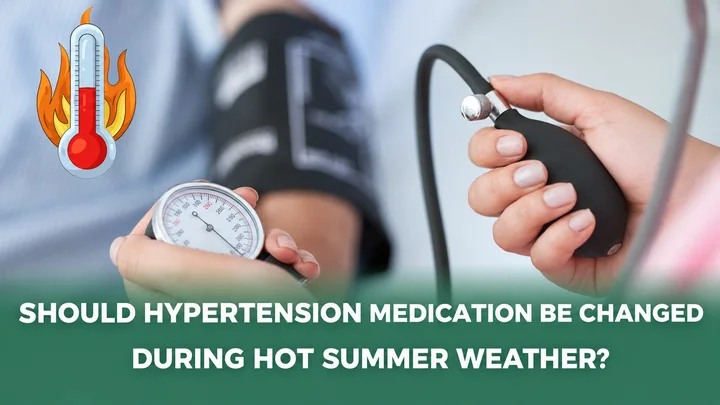
Hot weather may cause blood pressure to drop or fluctuate. Patients should not reduce the dosage or discontinue their medication without medical advice. Learn how to monitor blood pressure safely during summer.
Palpitations during summer may be caused by dehydration, electrolyte imbalance, caffeine intake, or cardiovascular disease. Learn the warning signs that require early medical evaluation.

Shortness of breath in hot weather may occur when the body has to work harder to regulate its core temperature, especially after sun exposure, outdoor physical activity, or staying in a hot, poorly ventilated environment. In some people, this is only a temporary response and improves after resting in a cool place.
Prolonged hot weather can leave many people feeling severely fatigued, with headaches and dizziness after being outdoors. These symptoms are often overlooked because they are assumed to be caused only by dehydration. However, doctors warn that they may also be early signs of heat-related illness, heatstroke, or even stroke.
Older adults are particularly vulnerable to hot weather because the body’s ability to regulate temperature, thirst sensation, cardiovascular function, and kidney function all decline with age. During prolonged heat waves, older adults are more likely to experience dehydration, electrolyte imbalance, low blood pressure, a rapid heartbeat, heat exhaustion, heatstroke, or cardiovascular complications if they are not cared for properly.
Sleep apnea leads to intermittent hypoxemia during rest, resulting in poor sleep quality and increasing the risk of serious complications. What are the simple, effective, and home-based approaches for managing sleep apnea?
Symptoms of sleep apnea serve as important clinical warning signs that enable early recognition of the condition. They provide essential guidance for timely diagnosis and facilitate appropriate treatment, helping to prevent complications and protect overall health.
Sleep apnea is a condition characterized by partial or complete interruption of airflow into the lungs, leading to episodes of apnea or hypopnea during sleep. Understanding its underlying causes and recognizing early clinical manifestations can enable timely detection, facilitate appropriate therapeutic intervention, and help minimize the risk of associated complications.
lorem ipsum dolor
Lorem ipsum dolor sit amet, consectetur adipiscing elit. Mauris odio lectus, pretium faucibus nisi eu, accumsan consectetur orci. In blandit vehicula nisl, vel lacinia ligula finibus a. Donec fermentum rhoncus