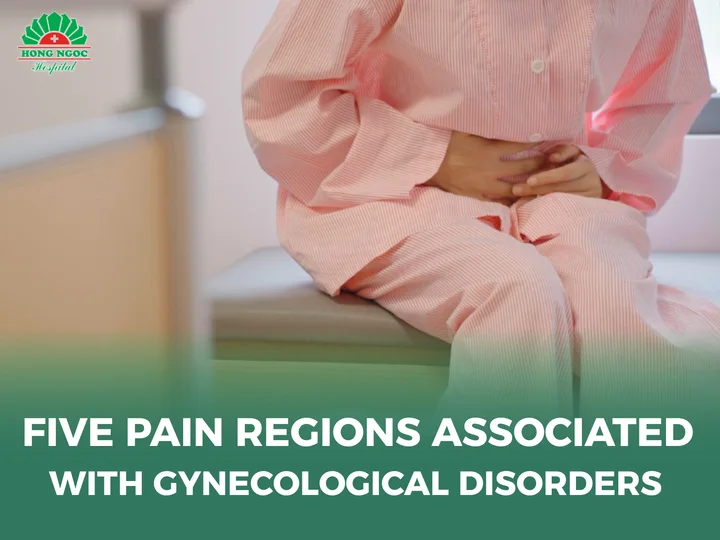

According to statistics, approximately 90% of Vietnamese women of reproductive age experience at least one gynecological disorder during their lifetime. Notably, many women tend to disregard medical consultation despite abnormal symptoms, allowing the disease to progress to more severe stages that adversely affect daily activities and reproductive health. Below are the six most typical warning signs of gynecological disorders that require prompt medical attention.
What are gynecological disorders?
Gynecological disorders refer to a group of conditions affecting the female reproductive organs, including the vagina, cervix, uterus, ovaries, and fallopian tubes.
Common gynecological conditions include vaginitis, cervicitis, cervical ectropion–associated inflammation, uterine fibroids, ovarian cysts, adnexal inflammation, and, more seriously, gynecologic malignancies. Women of reproductive age are particularly susceptible to gynecological disorders, which may recur multiple times throughout their lives.
Common signs and symptoms of gynecological disorders

Approximately 90% of Vietnamese women experience at least one gynecological disorder at some point during their lifetime.
Although gynecological disorders are highly prevalent, many women remain complacent about abnormal symptoms and are reluctant to seek medical evaluation. Physicians recommend that women promptly present to a reputable healthcare facility when experiencing any of the following signs:
Abnormal vaginal discharge
Normal vaginal discharge is typically clear or milky white in appearance, similar in consistency to egg white, odorless, and non-irritating. Vaginal secretions commonly increase during ovulation and in the days preceding menstruation.
When vaginal discharge appears abnormal in color such as green, yellow, or brown and is accompanied by a foul or fishy odor, this may indicate common gynecological conditions including vaginitis, cervicitis, or even sexually transmitted infections.
Please contact the hotline at 0916 690 018 or complete the form below to promptly register for a gynecological examination when signs of gynecological disease are present.
Lower abdominal discomfort and pain during sexual intercourse
Certain gynecological conditions, such as uterine fibroids, ovarian cysts, pelvic inflammatory disease, or endometriosis, may cause a sensation of pressure or pain in the lower abdomen as well as dyspareunia. The pain may be persistent and dull in nature, often intensifying during menstruation. This represents an important warning sign of potentially serious gynecological disease and warrants early diagnosis and timely treatment to prevent complications.
Genital itching and irritation
Genital itching and irritation are common signs of gynecological disorders.
Another typical sign of gynecological disease is genital itching and irritation. This condition commonly occurs in women with vaginitis caused by fungal, bacterial, or Trichomonas infections. If not treated promptly, the infection may spread and adversely affect reproductive health.
Abnormal vaginal bleeding
Abnormal vaginal bleeding occurring outside the menstrual period, after sexual intercourse, or following menopause is a serious warning sign that may be associated with conditions such as cervicitis, uterine polyps, or even cervical and uterine cancer. Prompt gynecological evaluation is essential for accurate diagnosis and appropriate management.
Menstrual irregularities
Irregular menstrual cycles, menorrhagia, hypomenorrhea, excessively heavy menstrual flow, or menstrual blood with abnormal color or odor are warning signs of underlying uterine or ovarian disorders. Prolonged menstrual disturbances may adversely affect fertility and overall women’s health.
An irregular menstrual cycle may be a sign of an underlying gynecological disorder and warrants medical evaluation.
Lower back discomfort, waist soreness, and pelvic pain
Uterine fibroids, ovarian cysts, or pelvic inflammatory disease may lead to lower back pain and waist soreness. The discomfort may intensify and be accompanied by fever, nausea, or abnormalities in bowel and urinary function. When these symptoms persist, women should seek prompt medical evaluation for timely diagnosis and appropriate treatment.
Causes of gynecological disorders
According to experts, gynecological disorders may arise from multiple contributing factors, including the following:
Improper intimate hygiene practices. The use of inappropriate cleansing products, frequent vaginal douching, or inadequate hygiene during menstruation may disrupt the vaginal pH balance, alter the normal microbiota, and predispose to infection and inflammation.
Unsafe sexual practices. Failure to use condoms, having multiple sexual partners, or engaging in sexual activity during active infection increases the risk of sexually transmitted infections.
Hormonal fluctuations. Pregnancy, childbirth, the perimenopausal transition, or the use of hormonal contraceptives may alter endocrine balance and increase susceptibility to gynecological conditions.
Prolonged psychological stress. Chronic stress can impair immune function, reducing the body’s ability to defend against pathogenic bacteria and fungi.
Wearing tight or damp underwear. Ill-fitting underwear or fabrics with poor moisture absorption may create a humid environment conducive to microbial growth.
In addition, tobacco use, alcohol consumption, and an unhealthy lifestyle may obscure early warning signs of gynecological disease, allowing conditions to progress silently and increasing the risk of serious complications.
What should be done when signs of gynecological disease appear?
Regular gynecological examinations are an effective strategy for screening and early detection of gynecological disorders. When symptoms suggestive of gynecological disease arise, women should not self-medicate or hesitate to seek medical care. Inappropriate self-treatment may exacerbate infection or inflammation, complicate definitive management, and increase the likelihood of recurrence.
Regular gynecological examinations help ensure early detection and timely treatment of potentially serious gynecological disorders.
Physicians recommend that women take the following measures:
Promptly present to a reputable healthcare facility for specialist consultation and appropriate diagnostic investigations, such as vaginal discharge microscopy, ultrasonography, Pap smear testing, colposcopy, and related examinations, to accurately identify the underlying cause.
Strictly adhere to the prescribed treatment regimen and avoid discontinuing medication prematurely, even when symptoms improve.
Abstain from sexual intercourse throughout the course of treatment to prevent genital mucosal injury and cross-infection.
Maintain proper intimate hygiene by gently cleansing with clean water or mild, physician-recommended cleansing solutions, and avoid vaginal douching.
Closely monitor symptoms and attend follow-up visits as scheduled to assess treatment efficacy.
Gynecological care at Hong Ngoc: privacy, discretion, and safety
With more than 20 years of experience in reproductive healthcare, Hong Ngoc General Hospital has become a trusted destination for gynecological examination and treatment among women in the capital. Supported by a team of highly experienced obstetrics and gynecology specialists, the hospital is committed to listening attentively to patients’ private concerns and providing dedicated consultation and guidance throughout the entire diagnostic and treatment process.
At Hong Ngoc, gynecological services are carefully designed to safeguard patient privacy. From reception areas and consultation rooms to ultrasound suites, diagnostic testing, and treatment counseling, all services are arranged within a closed and discreet system, following a “one consultation room – one physician – one nurse – one patient” model. All medical records and examination data are securely stored within a protected system, allowing patients to feel fully comfortable when discussing sensitive health issues.

Hong Ngoc applies a private consultation model featuring one physician, one nurse, and one patient.
The hospital has also invested in a comprehensive range of advanced medical equipment from leading global manufacturers, including state-of-the-art ultrasound systems such as the Voluson Expert 22 and GE Voluson E8, as well as modern surgical technologies including Karl Storz endoscopic systems, LigaSure vessel sealing devices, and morcellators, supported by fully sterile operating rooms to ensure the highest level of patient safety.
To meet the growing demand for gynecological examination and treatment, the Hong Ngoc Healthcare System currently operates four gynecology service locations in Hanoi:
Hong Ngoc General Hospital: 55 Yen Ninh Street, Ba Dinh District, Hanoi.
Hong Ngoc Phuc Truong Minh General Hospital: No. 8 Chau Van Liem Street, Tu Liem District, Hanoi.
Hong Ngoc Keangnam General Clinic: Zone B1 and Level 10, Landmark 72, Pham Hung Street, Hanoi.
Hong Ngoc Tasco General Clinic: Level 3, Building B, Tasco Megamall, 07–09 Nguyen Van Linh Street, Hanoi.
Note: The information provided in this article by Hong Ngoc General Hospital is for reference purposes only and does not substitute for professional medical diagnosis or treatment.Follow the official Hong Ngoc General Hospital fanpage for more useful health information.

According to statistics, approximately 90% of Vietnamese women of reproductive age experience at least one gynecological disorder during their lifetime. Notably, many women tend to disregard medical consultation despite abnormal symptoms, allowing the disease to progress to more severe stages that adversely affect daily activities and reproductive health. Below are the six most typical warning signs of gynecological disorders that require prompt medical attention.
What are gynecological disorders?
Gynecological disorders refer to a group of conditions affecting the female reproductive organs, including the vagina, cervix, uterus, ovaries, and fallopian tubes.
Common gynecological conditions include vaginitis, cervicitis, cervical ectropion–associated inflammation, uterine fibroids, ovarian cysts, adnexal inflammation, and, more seriously, gynecologic malignancies. Women of reproductive age are particularly susceptible to gynecological disorders, which may recur multiple times throughout their lives.
Common signs and symptoms of gynecological disorders
Approximately 90% of Vietnamese women experience at least one gynecological disorder at some point during their lifetime.
Although gynecological disorders are highly prevalent, many women remain complacent about abnormal symptoms and are reluctant to seek medical evaluation. Physicians recommend that women promptly present to a reputable healthcare facility when experiencing any of the following signs:
Abnormal vaginal discharge
Normal vaginal discharge is typically clear or milky white in appearance, similar in consistency to egg white, odorless, and non-irritating. Vaginal secretions commonly increase during ovulation and in the days preceding menstruation.
When vaginal discharge appears abnormal in color such as green, yellow, or brown and is accompanied by a foul or fishy odor, this may indicate common gynecological conditions including vaginitis, cervicitis, or even sexually transmitted infections.
Please contact the hotline at 0916 690 018 or complete the form below to promptly register for a gynecological examination when signs of gynecological disease are present.
Lower abdominal discomfort and pain during sexual intercourse
Certain gynecological conditions, such as uterine fibroids, ovarian cysts, pelvic inflammatory disease, or endometriosis, may cause a sensation of pressure or pain in the lower abdomen as well as dyspareunia. The pain may be persistent and dull in nature, often intensifying during menstruation. This represents an important warning sign of potentially serious gynecological disease and warrants early diagnosis and timely treatment to prevent complications.
Genital itching and irritation
Genital itching and irritation are common signs of gynecological disorders.
Another typical sign of gynecological disease is genital itching and irritation. This condition commonly occurs in women with vaginitis caused by fungal, bacterial, or Trichomonas infections. If not treated promptly, the infection may spread and adversely affect reproductive health.
Abnormal vaginal bleeding
Abnormal vaginal bleeding occurring outside the menstrual period, after sexual intercourse, or following menopause is a serious warning sign that may be associated with conditions such as cervicitis, uterine polyps, or even cervical and uterine cancer. Prompt gynecological evaluation is essential for accurate diagnosis and appropriate management.
Menstrual irregularities
Irregular menstrual cycles, menorrhagia, hypomenorrhea, excessively heavy menstrual flow, or menstrual blood with abnormal color or odor are warning signs of underlying uterine or ovarian disorders. Prolonged menstrual disturbances may adversely affect fertility and overall women’s health.
An irregular menstrual cycle may be a sign of an underlying gynecological disorder and warrants medical evaluation.
Lower back discomfort, waist soreness, and pelvic pain
Uterine fibroids, ovarian cysts, or pelvic inflammatory disease may lead to lower back pain and waist soreness. The discomfort may intensify and be accompanied by fever, nausea, or abnormalities in bowel and urinary function. When these symptoms persist, women should seek prompt medical evaluation for timely diagnosis and appropriate treatment.
Causes of gynecological disorders
According to experts, gynecological disorders may arise from multiple contributing factors, including the following:
Improper intimate hygiene practices. The use of inappropriate cleansing products, frequent vaginal douching, or inadequate hygiene during menstruation may disrupt the vaginal pH balance, alter the normal microbiota, and predispose to infection and inflammation.
Unsafe sexual practices. Failure to use condoms, having multiple sexual partners, or engaging in sexual activity during active infection increases the risk of sexually transmitted infections.
Hormonal fluctuations. Pregnancy, childbirth, the perimenopausal transition, or the use of hormonal contraceptives may alter endocrine balance and increase susceptibility to gynecological conditions.
Prolonged psychological stress. Chronic stress can impair immune function, reducing the body’s ability to defend against pathogenic bacteria and fungi.
Wearing tight or damp underwear. Ill-fitting underwear or fabrics with poor moisture absorption may create a humid environment conducive to microbial growth.
In addition, tobacco use, alcohol consumption, and an unhealthy lifestyle may obscure early warning signs of gynecological disease, allowing conditions to progress silently and increasing the risk of serious complications.
What should be done when signs of gynecological disease appear?
Regular gynecological examinations are an effective strategy for screening and early detection of gynecological disorders. When symptoms suggestive of gynecological disease arise, women should not self-medicate or hesitate to seek medical care. Inappropriate self-treatment may exacerbate infection or inflammation, complicate definitive management, and increase the likelihood of recurrence.
Regular gynecological examinations help ensure early detection and timely treatment of potentially serious gynecological disorders.
Physicians recommend that women take the following measures:
Promptly present to a reputable healthcare facility for specialist consultation and appropriate diagnostic investigations, such as vaginal discharge microscopy, ultrasonography, Pap smear testing, colposcopy, and related examinations, to accurately identify the underlying cause.
Strictly adhere to the prescribed treatment regimen and avoid discontinuing medication prematurely, even when symptoms improve.
Abstain from sexual intercourse throughout the course of treatment to prevent genital mucosal injury and cross-infection.
Maintain proper intimate hygiene by gently cleansing with clean water or mild, physician-recommended cleansing solutions, and avoid vaginal douching.
Closely monitor symptoms and attend follow-up visits as scheduled to assess treatment efficacy.
Gynecological care at Hong Ngoc: privacy, discretion, and safety
With more than 20 years of experience in reproductive healthcare, Hong Ngoc General Hospital has become a trusted destination for gynecological examination and treatment among women in the capital. Supported by a team of highly experienced obstetrics and gynecology specialists, the hospital is committed to listening attentively to patients’ private concerns and providing dedicated consultation and guidance throughout the entire diagnostic and treatment process.
At Hong Ngoc, gynecological services are carefully designed to safeguard patient privacy. From reception areas and consultation rooms to ultrasound suites, diagnostic testing, and treatment counseling, all services are arranged within a closed and discreet system, following a “one consultation room – one physician – one nurse – one patient” model. All medical records and examination data are securely stored within a protected system, allowing patients to feel fully comfortable when discussing sensitive health issues.
Hong Ngoc applies a private consultation model featuring one physician, one nurse, and one patient.
The hospital has also invested in a comprehensive range of advanced medical equipment from leading global manufacturers, including state-of-the-art ultrasound systems such as the Voluson Expert 22 and GE Voluson E8, as well as modern surgical technologies including Karl Storz endoscopic systems, LigaSure vessel sealing devices, and morcellators, supported by fully sterile operating rooms to ensure the highest level of patient safety.
To meet the growing demand for gynecological examination and treatment, the Hong Ngoc Healthcare System currently operates four gynecology service locations in Hanoi:
Hong Ngoc General Hospital: 55 Yen Ninh Street, Ba Dinh District, Hanoi.
Hong Ngoc Phuc Truong Minh General Hospital: No. 8 Chau Van Liem Street, Tu Liem District, Hanoi.
Hong Ngoc Keangnam General Clinic: Zone B1 and Level 10, Landmark 72, Pham Hung Street, Hanoi.
Hong Ngoc Tasco General Clinic: Level 3, Building B, Tasco Megamall, 07–09 Nguyen Van Linh Street, Hanoi.
Note: The information provided in this article by Hong Ngoc General Hospital is for reference purposes only and does not substitute for professional medical diagnosis or treatment.Follow the official Hong Ngoc General Hospital fanpage for more useful health information.
Để lại câu hỏi của bạn để nhận được giải đáp từ các bác sĩ của Hồng Ngọc
Lorem ipsum dolor
Lorem ipsum dolor sit amet, consectetur adipiscing elit. Mauris odio lectus, pretium faucibus nisi eu, accumsan consectetur orci. In blandit vehicula nisl, vel lacinia ligula finibus a. Donec fermentum rhoncus