


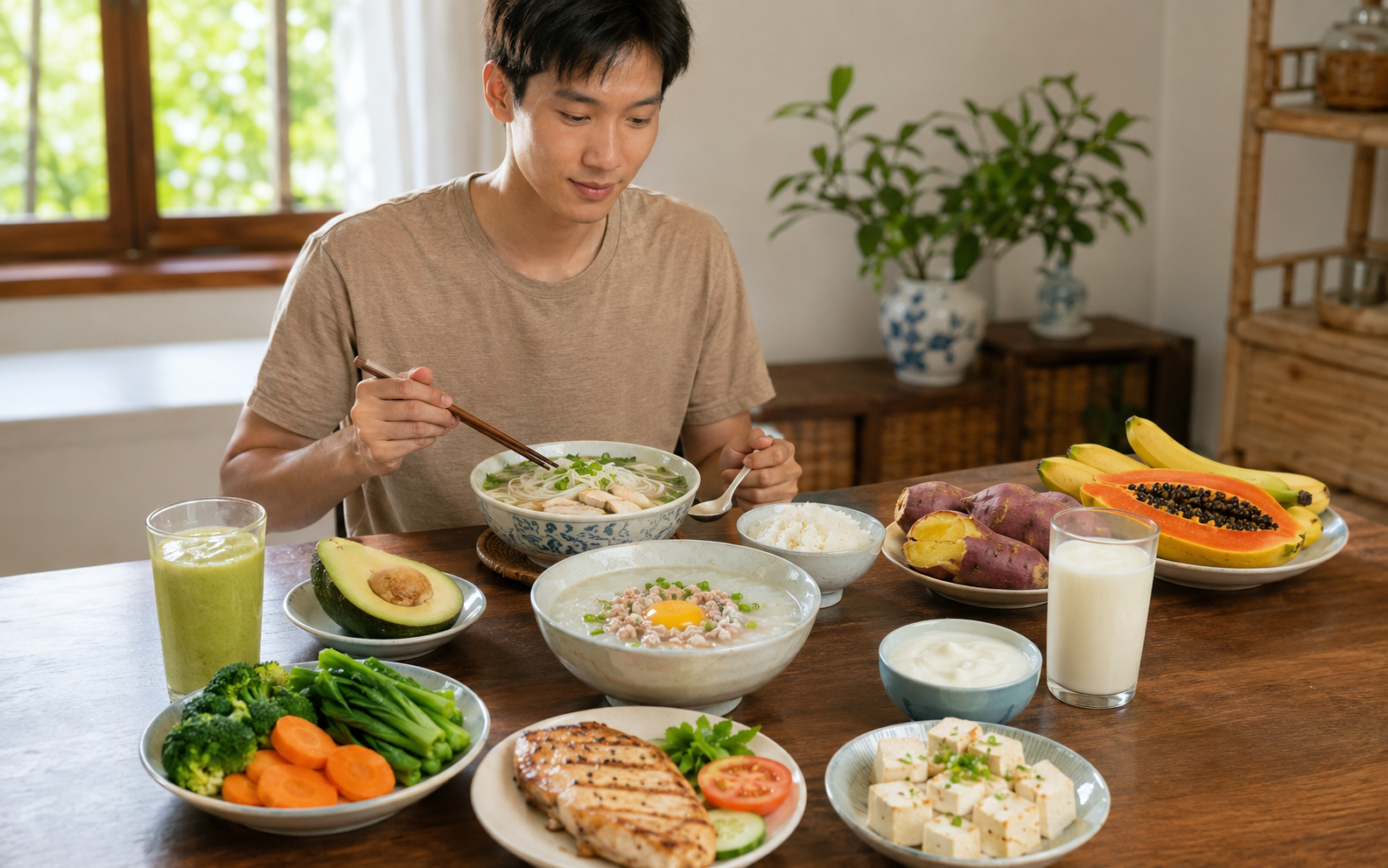
Nutrition does not replace tuberculosis medication. Patients must continue taking their medication exactly as prescribed, attend scheduled follow up appointments and monitor for adverse effects. However, an easily digestible diet that provides adequate energy and protein and is rich in micronutrients can support physical recovery, gradual weight gain and help reduce the risk of undernutrition during treatment.
Medically reviewed by: Le Thi Tram, MD, Specialist Level II, Respiratory Medicine, Hong Ngoc General Hospital.
Why does pulmonary tuberculosis often cause weight loss?
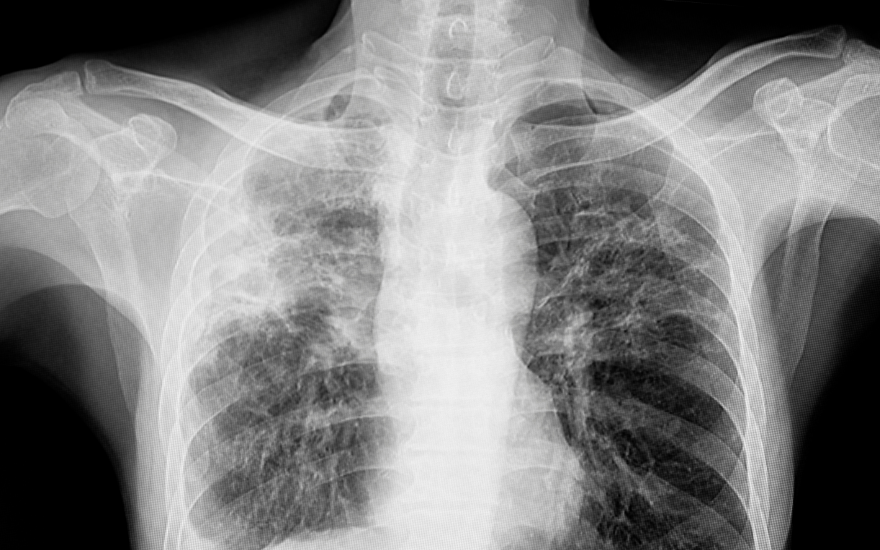
Pulmonary tuberculosis affects more than the lungs. As a chronic infectious disease, it can have systemic effects and compromise nutritional status. According to the World Health Organization, tuberculosis can worsen undernutrition, while undernutrition weakens immune function and increases the risk of latent tuberculosis progressing to active disease. Infection and inflammation associated with active tuberculosis can also increase catabolism, leading to significant weight loss.
Four main mechanisms explain why people with pulmonary tuberculosis are prone to becoming underweight and losing weight:
Poor appetite and inadequate dietary intake
People with tuberculosis often experience fatigue, a mild fever in the afternoon, night sweats and a persistent cough, sometimes accompanied by nausea or a bitter taste in the mouth. These symptoms can make eating difficult and lead to skipped meals. Some tuberculosis medications may also cause gastric irritation, nausea or reduced appetite, particularly during the early stages of treatment. When poor dietary intake persists, the body does not receive enough energy to maintain weight.
Increased energy expenditure due to illness
Chronic tuberculosis infection can alter the body’s metabolism. In some patients, energy and protein requirements may increase while food intake declines, creating an energy imbalance that contributes to weight loss.
Loss of muscle mass, not just body fat
When nutritional intake is inadequate while the body’s requirements are increased, both fat and muscle tissue are broken down to meet energy needs. As a result, patients not only lose weight but also experience muscle loss, fatigue, slower recovery, reduced physical capacity and further loss of appetite. This creates a harmful cycle that should be addressed through appropriate tuberculosis treatment combined with a diet providing adequate energy and protein.
Digestive problems and medication related adverse effects
According to the World Health Organization, weight loss in people with tuberculosis may result from several factors, including reduced food intake caused by poor appetite, nausea, abdominal pain and persistent diarrhea, as well as disease related metabolic changes. These factors can further reduce dietary intake and worsen nutritional status. Patients receiving tuberculosis treatment who develop severe loss of appetite, persistent nausea, abdominal pain, jaundice or unusual fatigue should inform their doctor promptly rather than simply trying to eat more.
How much should people with pulmonary tuberculosis eat to gain weight?
To gain weight, people with pulmonary tuberculosis need to consume more energy than their bodies expend. However, they should increase their intake gradually rather than suddenly or by eating excessively at one meal. Energy intake should be increased progressively and distributed across several protein rich meals and snacks to support better nutrient absorption.
Estimated energy requirements based on body weight
The National Lung Hospital suggests that people with tuberculosis may require approximately 35 - 40 kcal/kg of body weight per day. This can be estimated as follows:
This table is intended only for an initial estimate. Patients should not force themselves to meet these targets if they are experiencing nausea or abdominal pain, have liver disease, kidney disease, diabetes, gout or heart failure, or are experiencing adverse effects from tuberculosis medication. Those who are severely underweight, have a persistent fever or severe infection, are highly physically active, or are recovering from illness may have different requirements and should receive individualized guidance from a doctor or dietitian.

Foods to prioritize for weight gain with pulmonary tuberculosis
People with pulmonary tuberculosis should prioritize an energy dense, high protein and micronutrient rich diet that remains easy to digest. During periods of fatigue, fever, severe coughing or nausea, patients should choose soft, warm and easy to swallow foods and divide their intake into several smaller meals throughout the day to support better nutrient absorption.
1. Easily digestible, protein rich foods
Protein plays an important role in repairing damaged tissues, maintaining muscle mass and supporting immune function during pulmonary tuberculosis treatment. Patients should therefore include a source of protein in most meals and snacks.
Suitable options include:
- Steamed fish, lightly braised fish, fish porridge and fish soup.
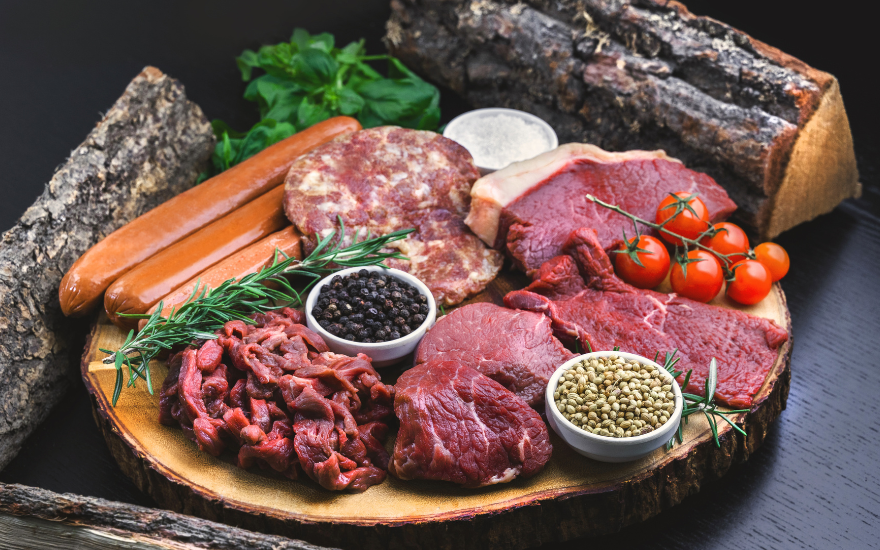
- Minced lean meat, chicken, lean pork and tender beef.
- Boiled eggs, steamed eggs and egg porridge.
- Milk, yogurt and moderate amounts of cheese, if well tolerated.
- Tofu, soy milk and well cooked legumes.
Nutritional guidance recommends that people with tuberculosis include zinc rich foods such as seafood, peas, soybeans, egg yolks and lean meat. Iron rich foods, including beef, liver, shiitake mushrooms, soybeans and other legumes, may also be incorporated according to each patient’s individual needs. However, not everyone with tuberculosis requires iron or zinc supplements. Supplementation should be based on dietary intake, nutritional status and an assessment by a healthcare professional.
2. Soft, easily digestible carbohydrates for increased energy intake
Carbohydrates are the body’s primary source of energy and help prevent the breakdown of muscle tissue for fuel. People with pulmonary tuberculosis should therefore not restrict carbohydrates. Instead, they should consume adequate amounts and choose suitable sources according to their energy requirements.
Suitable options include:
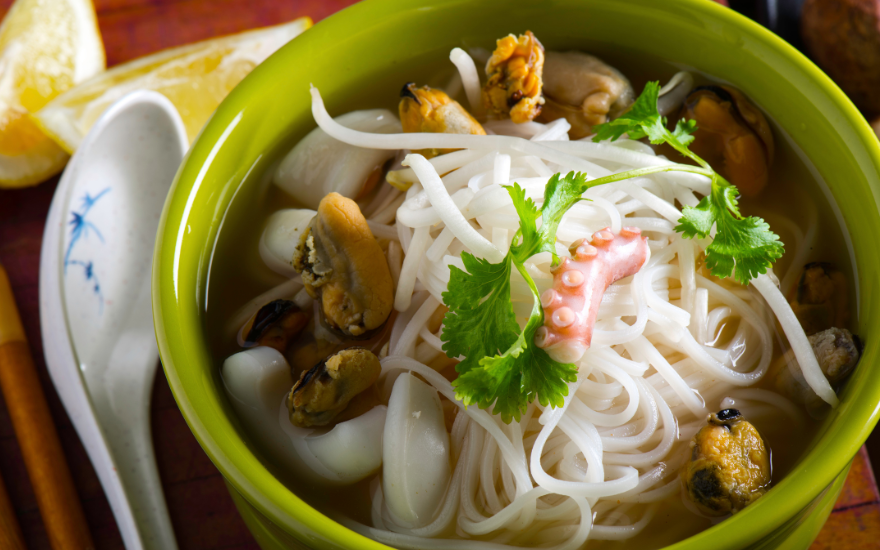
- Soft rice, thick porridge, pho, rice noodles, wheat noodles and glass noodles.
- Sweet potatoes, potatoes, pumpkin and corn.
- Oatmeal, soft bread and whole grains, if well tolerated.
When appetite is poor, soft or semi liquid foods such as meat porridge, fish porridge, chicken pho, or potato and minced meat soup may be easier to eat. Very thin porridge generally provides insufficient energy, so it can be prepared with a thicker consistency or enriched with eggs, milk, cooking oil and minced meat to increase its nutritional value.
3. Healthy fats for increasing energy intake
Fat provides more energy than protein or carbohydrates for the same amount of food. It can therefore be particularly helpful for people who need to gain weight but have a poor appetite or feel full quickly.
Patients may include:
- One to two teaspoons of vegetable oil added to porridge, soup or broth after cooking.
- Avocado, finely ground nuts or peanut butter, provided they are not allergic.
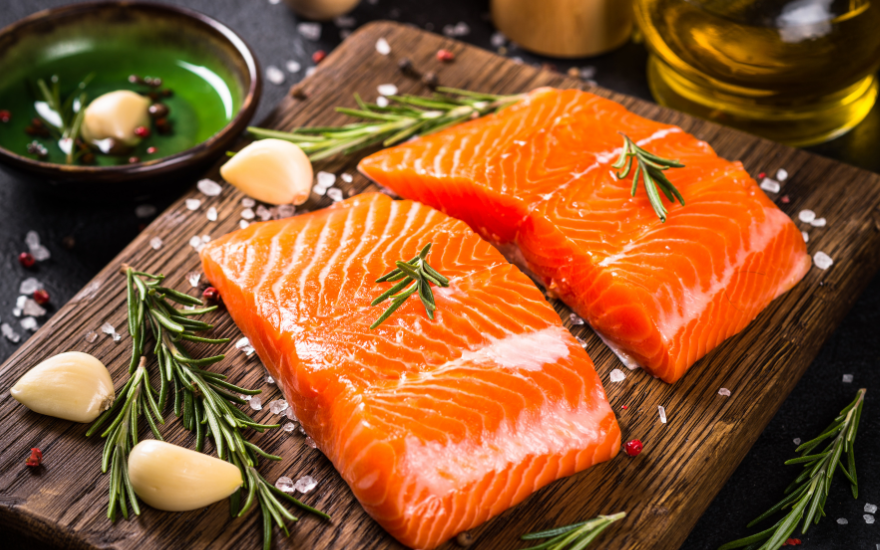
- Fatty fish such as salmon, mackerel and sardines, where appropriate.
- Whole milk or energy dense nutritional products under medical guidance for patients who are severely underweight.
However, fried foods, foods high in animal fat and fast food should not be consumed excessively. They may cause bloating, nausea, indigestion or other digestive problems and can adversely affect liver health and lipid metabolism.
4. Vegetables and fruit provide essential micronutrients
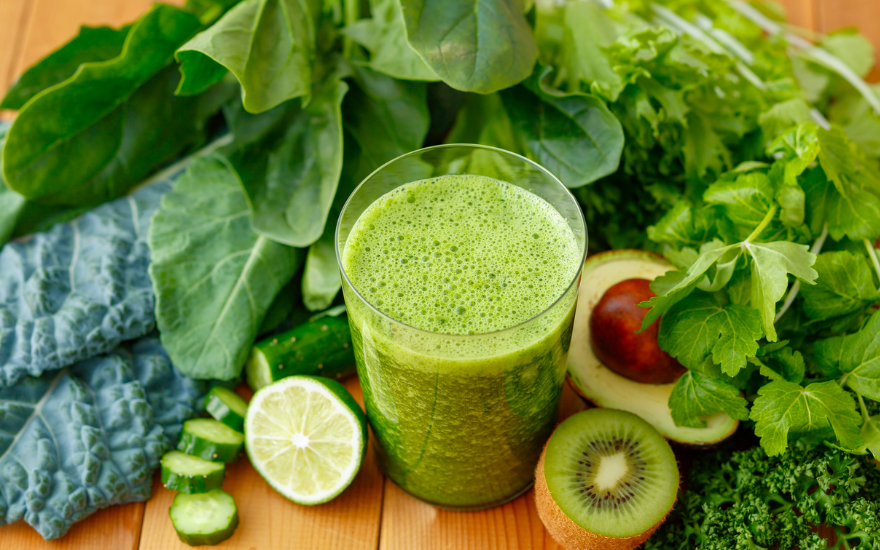
Gaining weight does not mean focusing solely on meat, dairy products or carbohydrates. Vegetables and fruit provide essential vitamins, minerals, antioxidants and fiber, helping support digestion and immune function as part of a varied, balanced diet.
The Ministry of Health recommends that people with tuberculosis obtain vitamins A, C and E from dark green vegetables and ripe yellow, orange and red fruit and vegetables, such as oranges, mangoes, papayas, tomatoes and carrots. Attention should also be given to B vitamins and vitamin K, which are found in green vegetables, liver, lean meat, legumes, potatoes, bananas, cauliflower and whole grains.
Patients should prioritize vegetables cooked until soft, vegetable soups, low sugar fruit smoothies or soft ripe fruit. Those experiencing digestive problems such as diarrhea, bloating or abdominal pain should adjust their choice of fruit and vegetables according to individual tolerance.
5. Energy dense snacks support healthy weight gain
Snacks are particularly important because people with pulmonary tuberculosis often cannot eat large main meals. Adding nutritious snacks can increase total daily energy intake without overloading the digestive system.
Suitable options include:
- Warm milk, yogurt or soy milk.
- Avocado, banana or yogurt smoothies, if sugar restriction is not required.
- Boiled or steamed eggs.
- Meat porridge, chicken soup or pumpkin soup.
- Soft bread with eggs or nut butter.
- Silken tofu, sweet potatoes and other nutrient dense snacks.
Patients who are severely undernourished or have very poor dietary intake should consult a doctor or dietitian about appropriate oral nutritional supplements rather than using weight gain formulas without professional guidance.

How to divide meals to support weight gain when experiencing poor appetite or nausea
People with pulmonary tuberculosis may find it difficult to gain weight if they eat only three main meals a day. Instead, they should divide their daily food intake into four to six smaller meals to improve tolerance and reduce poor appetite and nausea.
Principles for dividing meals appropriately
- Eat smaller portions more frequently throughout the day rather than forcing yourself to consume a large amount at one meal.
- Each main meal should include carbohydrates, protein and healthy fats.
- Choose soft, warm and easily digestible foods when experiencing fatigue or frequent coughing.
- Drink sufficient fluids throughout the day, but avoid drinking too much immediately before meals.
- Consider a bedtime snack if it does not cause bloating or acid reflux.
- Vary meals regularly to prevent food fatigue.
- If you feel nauseated, eat slowly in small amounts and avoid strong smelling or high fat foods if they worsen your symptoms.
Sample one day meal plan for people with pulmonary tuberculosis seeking to gain weight
The following meal plan is intended only as a general guide for people without specific underlying conditions. Those with kidney disease, liver disease, diabetes, gout, heart failure or dyslipidemia, as well as pregnant women, should have the plan adjusted under medical guidance.
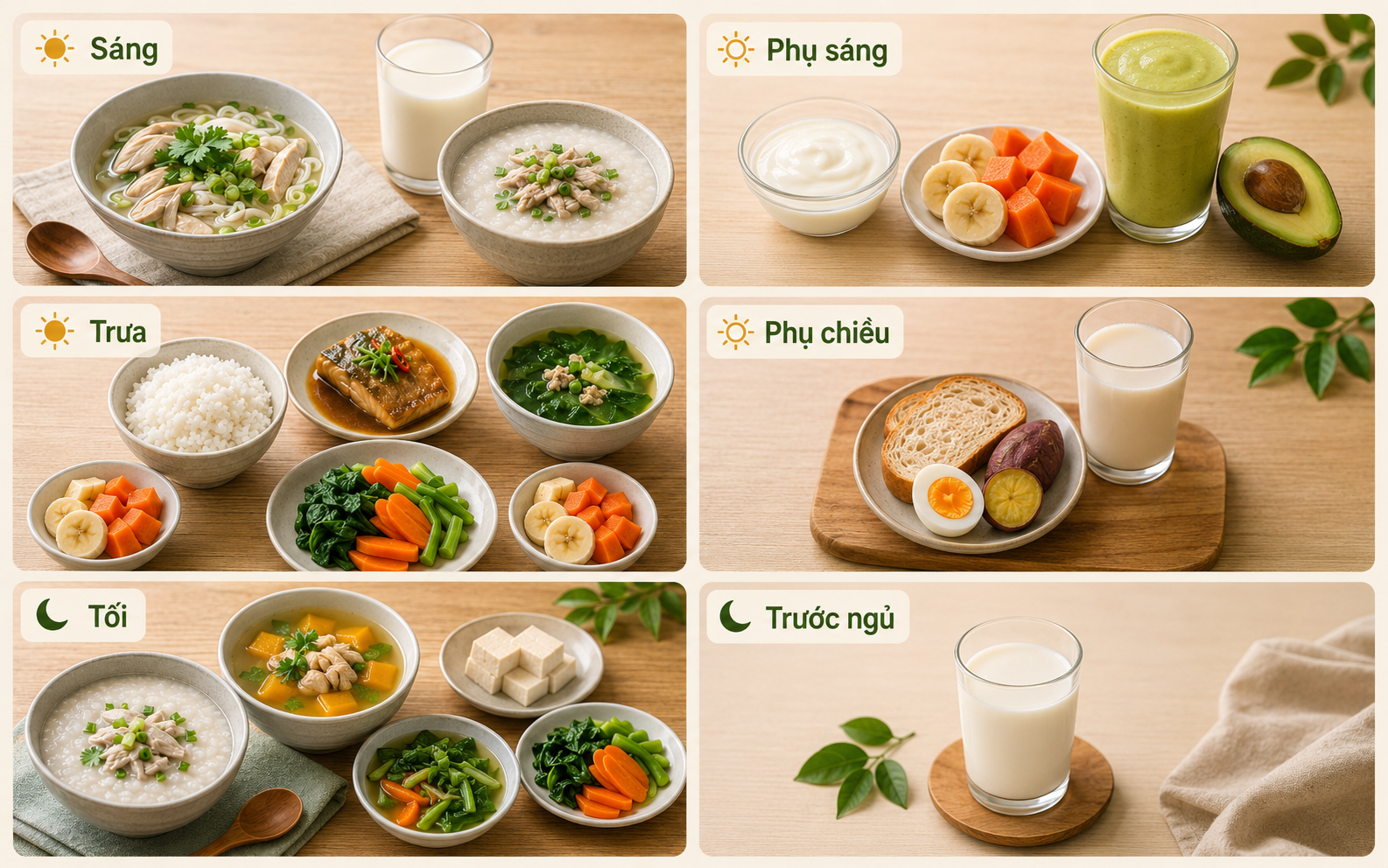
If patients can tolerate rice normally, they do not need to rely solely on porridge. Porridge and soup may be more suitable during periods of fever, fatigue, severe coughing, sore throat or nausea. As their condition improves, patients should gradually increase their intake of soft rice, protein, vegetables and nutritious snacks to meet their energy requirements. Those experiencing severe nausea, persistent vomiting, progressively poorer food intake or continued weight loss should inform their doctor so that the underlying cause and nutritional status can be reassessed.
Pulmonary tuberculosis diagnosis and follow up at the Respiratory Medicine Department of Hong Ngoc General Hospital
At the Respiratory Medicine Department of Hong Ngoc General Hospital, people experiencing persistent cough, coughing up blood, chest pain, shortness of breath, a mild fever in the afternoon, night sweats, poor appetite, fatigue or unexplained weight loss can undergo medical evaluation to determine the cause and assess their risk of pulmonary tuberculosis.
For patients already diagnosed with pulmonary tuberculosis who are losing weight, doctors can assess their response to treatment, medication related adverse effects, risk of transmission, underlying conditions and nutritional status. Laboratory tests, diagnostic imaging or multidisciplinary consultation may be recommended when appropriate.
Patients can call the hotline at 0947 616 006 or submit their details through the online form to request a consultation.

Frequently asked questions
Can drinking milk help people with pulmonary tuberculosis gain weight?
Milk provides energy, protein, calcium and various micronutrients, which can help improve nutritional intake in people with tuberculosis who are eating poorly or losing weight. However, milk should not be used as a substitute for main meals. Sustainable weight gain requires a balanced diet that includes rice, porridge or pho; meat, fish and eggs; vegetables and fruit; vegetable oils; and nutritious snacks.
How many meals should people with pulmonary tuberculosis eat each day?
People with pulmonary tuberculosis who are underweight or have a poor appetite should divide their food intake into approximately four to six meals a day. The National Lung Hospital also recommends smaller, more frequent meals and increasing the energy density of foods for people with tuberculosis.
How much protein should people with pulmonary tuberculosis consume?
Protein requirements should be individualized according to body weight, nutritional status, disease severity and any underlying conditions. Some nutritional guidance for people with tuberculosis recommends approximately 1.5–2 g of protein per kilogram of body weight per day. However, people with kidney disease, liver disease, gout, diabetes or other underlying conditions should consult their doctor before increasing their protein intake.
Can people with pulmonary tuberculosis eat eggs?
Yes, provided they are not allergic and have no specific medical contraindications. Eggs are an easy to eat source of protein and can be boiled, steamed or added to porridge and soup. People with dyslipidemia, hepatobiliary disease or specific dietary requirements should consult their doctor regarding an appropriate intake.
Can people with pulmonary tuberculosis eat beef?
Yes. Lean beef can be included if it is well tolerated. Beef provides protein, iron and various micronutrients and may be suitable for people experiencing weight loss or anemia. It should be prepared until tender, with minimal oil, consumed in moderation and combined with vegetables, carbohydrates and healthy fats.
Should people with pulmonary tuberculosis drink alcohol to improve their appetite?
No. The US Centers for Disease Control and Prevention warns that consuming alcohol while taking tuberculosis medication can be dangerous and may damage the liver. Alcohol should therefore be avoided throughout treatment.
What should patients do if tuberculosis medication causes poor appetite or nausea?
Patients should inform their doctor for guidance on medication timing, monitoring for adverse effects, and any necessary tests, assessments or treatment. They should not stop tuberculosis medication without medical advice, as this may lead to treatment failure or increase the risk of drug resistance. Contact the treating facility if severe nausea or vomiting, abdominal pain, jaundice, dark urine, unusual fatigue, or numbness and tingling in the limbs occurs.
Is continued weight loss during tuberculosis treatment a concern?
It may indicate a need for reassessment. Continued weight loss or failure to gain weight during treatment may be related to inadequate dietary intake, medication related adverse effects, underlying conditions, poor nutrient absorption, incorrect medication adherence or an inadequate response to treatment. Patients should attend a follow up appointment rather than simply purchasing additional milk or supplements.
Conclusion
People with pulmonary tuberculosis who want to gain weight should consume adequate energy and protein, divide their food intake into smaller meals and include a wide variety of vitamins and minerals. Their diet should prioritize meat, fish, eggs, dairy products, tofu, easily digestible carbohydrates, healthy fats, green vegetables and fruit.
Nutrition, however, is only supportive. Patients must continue taking tuberculosis medication exactly as prescribed, attend scheduled follow up appointments and inform their doctor if they continue to lose weight or experience severe nausea, jaundice, numbness or tingling in the limbs, coughing up blood or worsening shortness of breath.
For patients with poor food intake, severe underweight or underlying conditions such as diabetes, liver disease, kidney disease, gout or heart failure, dietary plans should be individualized rather than based rigidly on general calorie or protein targets.
Medical disclaimer
This article is for informational purposes only and does not replace medical diagnosis, a tuberculosis treatment regimen or individualized nutritional advice.
Patients should not stop taking tuberculosis medication, change the timing of their doses, or use supplements, herbal products or weight gain products without consulting their doctor. Contact the treating doctor or tuberculosis clinic if jaundice, dark urine, severe abdominal pain, persistent nausea or vomiting, numbness or tingling in the limbs, blurred vision, persistent fever, coughing up blood, worsening shortness of breath or continued weight loss occurs during treatment.