


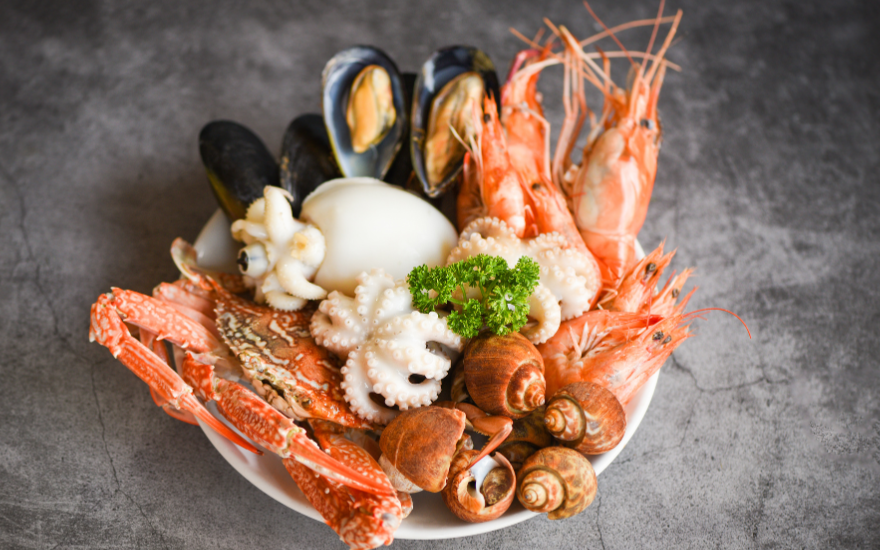
People with asthma may eat seafood if they are not allergic and have never developed coughing, wheezing or difficulty breathing after eating it. They should choose fresh seafood, ensure that it is thoroughly cooked, eat moderate portions and avoid unfamiliar dishes if they are prone to allergic reactions.
However, people with asthma should avoid any seafood that has previously caused an allergic reaction. Shellfish allergy, including reactions to shrimp, crab, clams and snails, may cause symptoms within minutes to several hours after ingestion or contact, including wheezing and difficulty breathing. Fish allergy involving species such as salmon, tuna or catfish is different from shellfish allergy.
Importantly, respiratory symptoms after eating should be regarded as warning signs in people with both asthma and a food allergy. Typical signs of a food allergy include wheezing, coughing, difficulty breathing, swelling of the lips, tongue or throat, hoarseness, dizziness and fainting. In people with asthma, these reactions may trigger an acute exacerbation or worsen an asthma attack.
In summary: People with asthma do not need to avoid seafood completely, but they should avoid any type that has previously caused an allergic reaction or triggered an asthma attack.
Medical review: Le Thi Tram, MD, Specialist Level II, Department of Respiratory Medicine, Hong Ngoc General Hospital.
Why can seafood cause breathing difficulties in some people with asthma?
Seafood does not cause asthma in everyone. Many people with asthma can eat fish, shrimp, crab and squid without any problems if they do not have an allergy. However, in sensitive individuals, seafood may trigger an allergic reaction that affects the skin, digestive system and, most importantly, the respiratory tract. In people with asthma, these reactions may be mistaken for an acute asthma attack or may make breathing difficulties more severe.
Seafood allergy can cause wheezing and difficulty breathing
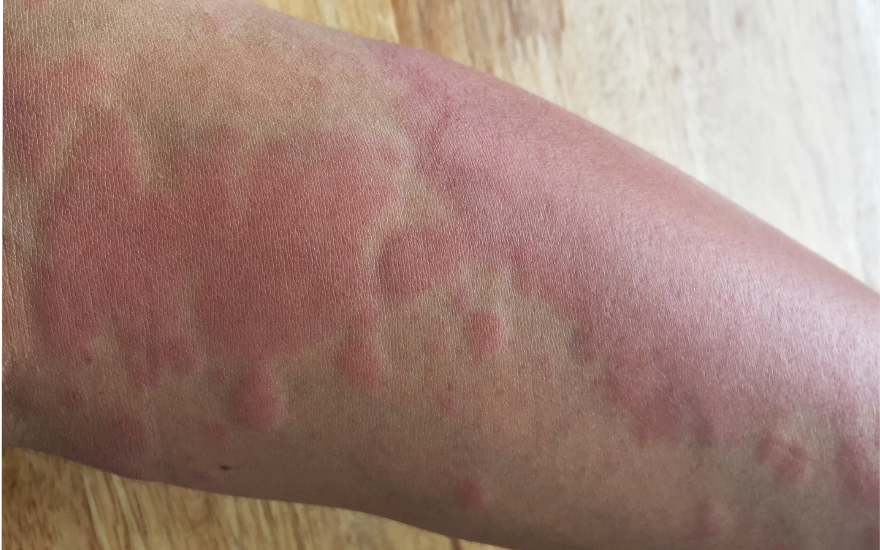
A seafood allergy occurs when the immune system identifies proteins in seafood as harmful substances and overreacts. Symptoms may develop rapidly after eating or coming into contact with seafood. These can include an itchy mouth, hives, swelling of the lips or eyelids, abdominal pain, vomiting, diarrhoea, coughing, wheezing, chest tightness and difficulty breathing.
People with asthma should be closely monitored if they develop wheezing or difficulty breathing after eating seafood. These symptoms may indicate an asthma attack triggered by a food allergy, but they can also be signs of anaphylaxis, a potentially life threatening medical emergency.
Asthma combined with food allergy may increase the risk of severe reactions
People with poorly controlled asthma, a history of food allergy or previous anaphylaxis should be particularly cautious when eating seafood. According to recommendations from the Global Initiative for Asthma, people with asthma and a suspected or confirmed food allergy should be assessed to identify the allergen and develop an appropriate management plan.
This does not mean that everyone with asthma must avoid seafood completely. If an allergy to a specific type of seafood is suspected or confirmed, the person should avoid that food and seek medical advice, as respiratory reactions may become more severe when asthma is poorly controlled.
Processed seafood may contain additives or hidden allergens
Fresh seafood is not the only potential source of an allergic reaction. Processed products such as fish cakes, surimi, seafood balls, seafood sauces, seafood snacks, dried seafood, seasoned squid, dried shrimp, shrimp paste, fish sauce, seafood hotpot and seafood flavoured instant noodles may have unclear ingredient information or contain additives that trigger irritation.
People with a history of allergy should read food labels carefully and ask about ingredients when eating out. Some people with asthma may also be sensitive to sulphites, which are preservatives found in certain processed foods. Not all seafood contains sulphites, but the ingredients in dried, frozen or processed products may be more difficult to verify than those in seafood prepared at home.
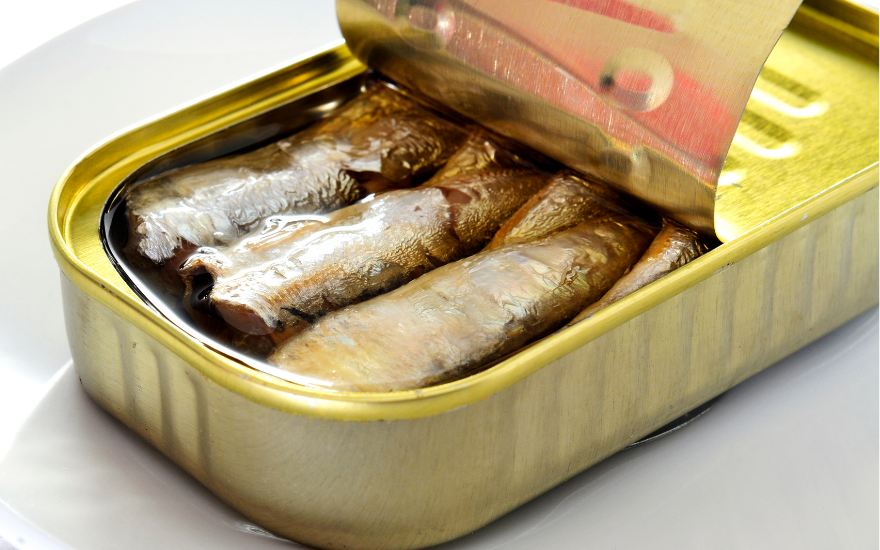
Which people with asthma can eat seafood?
People with asthma may eat seafood if they have no history of seafood allergy or unusual reactions after eating it. This generally applies when:
- They have eaten the same type of seafood several times without an adverse reaction.
- They have no history of hives, itching, swelling of the lips or face, abdominal pain, vomiting or diarrhoea after eating seafood.
- They have never developed coughing, wheezing, chest tightness or difficulty breathing after eating seafood.
- Their asthma is well controlled.
- The seafood is fresh, thoroughly cooked and obtained from a reliable source.
Seafood can provide high quality protein as part of the diet of people with asthma. Some oily fish are also rich in omega 3 fatty acids and unsaturated fats, which play an important role in cardiovascular health. However, people with asthma should avoid eating large quantities at once and should not try unfamiliar dishes while travelling or when their asthma is not well controlled.
Which people with asthma should avoid seafood?
People with asthma should avoid seafood, or only eat it again after medical assessment, if any of the following circumstances apply:
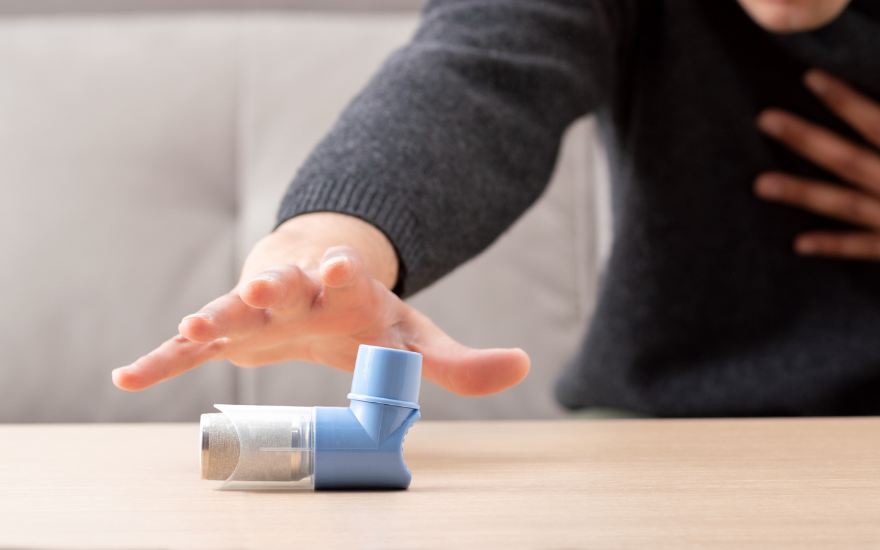
Some health education resources may advise people with asthma to be cautious with foods that commonly cause allergies or with unfamiliar dishes. This means avoiding foods that have previously caused a reaction, rather than eliminating all seafood if it is well tolerated and there is no history of allergy.
Fish, shrimp, crab, squid and shellfish: do they all need to be avoided?
People with asthma do not necessarily need to avoid all types of seafood. Seafood is a broad category that includes fish and shellfish. An allergy to one type of seafood does not necessarily mean an allergy to every other type.
Allergy to fish such as salmon, tuna and catfish is different from shellfish allergy. Therefore, people with a shrimp allergy should not assume that they are allergic to all types of fish. Conversely, being able to eat fish safely does not necessarily mean that shrimp, crab or shellfish will also be safe.
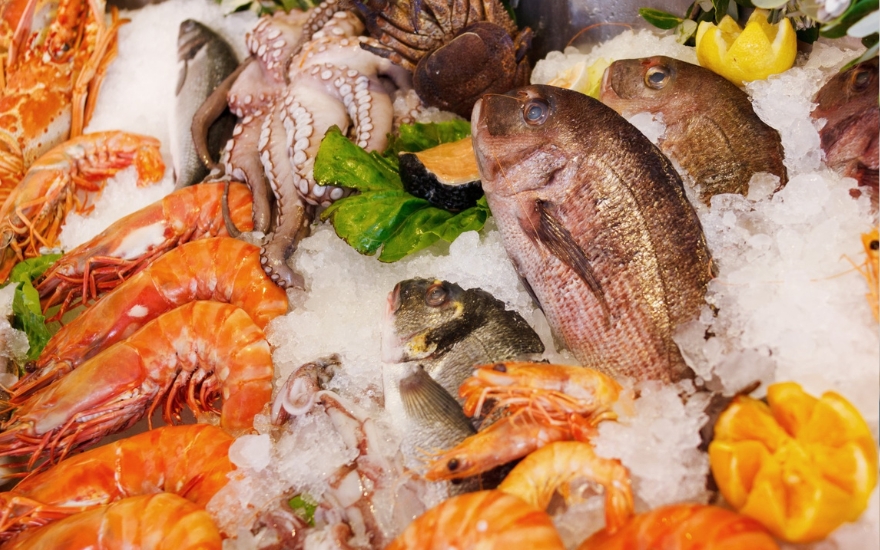
How can people with asthma eat seafood more safely?
People with asthma who have no history of seafood allergy may still eat seafood by following appropriate safety precautions. Most importantly, they should not try any type of seafood again if it has previously caused a suspected allergic reaction or unusual symptoms.
Choose seafood that has previously been well tolerated
People with asthma should choose seafood they have eaten before without experiencing symptoms such as coughing, wheezing, hives or difficulty breathing. They should avoid trying several new types of seafood at the same time, particularly when their asthma is poorly controlled, they have a persistent cough or they have recently recovered from an illness.
Try only a small amount if there has been no previous suspected allergic reaction
Trying a small amount and monitoring for symptoms is appropriate only for people who have never experienced a suspected allergic reaction to that type of seafood and whose asthma is well controlled.
If someone has previously developed symptoms such as hives, swelling of the lips or face, abdominal pain, vomiting, coughing, wheezing, chest tightness or difficulty breathing after eating seafood, they should not try it again at home. Medical assessment and reintroduction, if necessary, should be carried out under the direction of an allergy specialist in a setting where the person can be monitored safely.
If a type of seafood has not been eaten for a long time and the person wishes to reintroduce it, they should begin with a very small amount and be monitored by healthcare professionals for several hours. If any unusual symptoms occur, such as itching, hives, abdominal pain, vomiting, coughing, wheezing, chest tightness or difficulty breathing, they should stop eating immediately and seek medical attention.
Cook seafood thoroughly and avoid products of unknown origin
Raw, undercooked, spoiled or improperly stored seafood may cause digestive problems, infection or food poisoning. These conditions can be mistaken for an allergic reaction or may worsen symptoms in people with asthma. Seafood should therefore be fresh, thoroughly cooked and eaten in moderation.
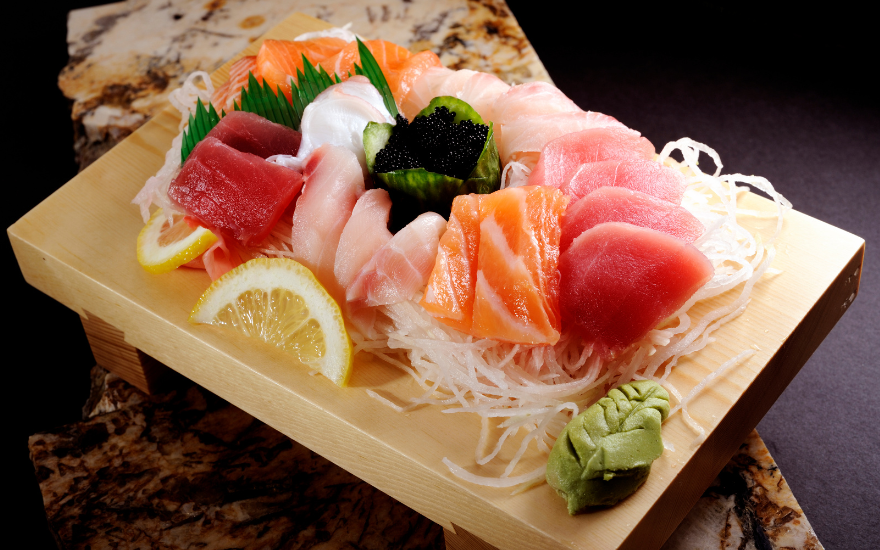
Avoid dishes containing multiple ingredients if you have a history of allergies
Hotpots, buffets, dishes with sauces, foods fried in shared oil, street food and dishes containing multiple ingredients may pose a risk of cross contact with seafood allergens. People who are allergic to shrimp, crab or other seafood may still experience a reaction without eating the allergen directly because it may be present on cooking utensils or in broths or frying oil.
Do not eat seafood during an asthma attack or when asthma is poorly controlled
People experiencing symptoms such as coughing, wheezing or difficulty breathing, those with a respiratory infection, or those needing their reliever medication more frequently than usual should focus on bringing their asthma under control first. During this period, they should avoid trying new seafood dishes, as these may worsen respiratory symptoms or make it difficult to distinguish an asthma attack from an allergic reaction.
Signs of seafood allergy: When should symptoms be monitored, and when is emergency care needed?
Seafood allergy can cause reactions ranging from mild to severe. People with asthma should pay particular attention to respiratory symptoms because they may be difficult to distinguish from a typical asthma attack and can sometimes progress rapidly.
When is seafood allergy testing needed?
People with asthma should consult an allergy or respiratory specialist if they develop any of the following symptoms after eating seafood:
- Hives, itching or skin redness.
- Swelling of the lips, eyelids, face, tongue or throat.
- Abdominal pain, vomiting or diarrhoea after eating seafood.
- Coughing, wheezing, chest tightness or difficulty breathing.
- Light-headedness, dizziness, low blood pressure or fainting.
- Repeated reactions to the same type of seafood.
- An unexplained allergic reaction when it is unclear whether the trigger was fish, shellfish or an ingredient or additive in the dish.
The doctor may review the patient’s medical history, the timing of symptom onset, the type and amount of seafood consumed, how it was prepared, any medication taken and any history of asthma or allergies. Depending on the individual case, specific IgE testing, skin-prick testing or other assessments may be recommended.
Specific IgE and skin-prick tests can support the diagnosis but do not replace a detailed clinical history. A positive result indicates sensitisation but does not necessarily mean that the patient will develop symptoms after eating the food. Conversely, patients with a clear history of a severe reaction should not try the food again without medical supervision simply because their test results are inconclusive.

Asthma assessment and management at the Department of Respiratory Medicine, Hong Ngoc General Hospital
At the Department of Respiratory Medicine, Hong Ngoc General Hospital, people with asthma can receive a comprehensive assessment of their level of asthma control and potential triggers. They can also receive guidance on correct inhaler technique and undergo regular monitoring of lung function.
When seafood allergy is suspected, doctors can assess the relationship between food intake and respiratory symptoms, evaluate the risk of anaphylaxis, provide advice on allergen avoidance and arrange multidisciplinary care when necessary. People who have experienced wheezing, chest tightness or difficulty breathing after eating shrimp, crab, fish, squid, shellfish or snails, or who are unsure whether their symptoms were caused by an allergic reaction or an asthma attack, should seek medical assessment.
The goal is not to avoid seafood unnecessarily, but to identify the specific trigger, avoid foods that pose a genuine risk and maintain good long term asthma control.
Frequently asked questions
Do people with asthma need to avoid seafood completely?
No. People with asthma do not need to avoid all seafood if they are not allergic and have previously eaten it without any problems. However, they should avoid any type of seafood that has caused hives, swelling of the lips or face, vomiting, wheezing, chest tightness or difficulty breathing.
Is eating shrimp dangerous for people with asthma?
It can be dangerous if the person is allergic to shrimp or has previously experienced difficulty breathing after eating it. If they have eaten shrimp without problems in the past and their asthma is well controlled, they may eat it in moderation. Anyone with a previous suspected allergic reaction to shrimp should not try it again at home.
Is fish beneficial for people with asthma?
Fish is a good source of protein, and some oily fish are rich in omega 3 fatty acids. People with asthma may eat fish if they are not allergic. However, anyone who has previously had a fish allergy, particularly wheezing or difficulty breathing after eating fish, should avoid it and seek medical advice.
Can a seafood allergy trigger an asthma attack?
Yes. A seafood allergy can cause coughing, wheezing, chest tightness and difficulty breathing, which may be mistaken for an asthma attack. Food related allergic reactions may be more severe in people with asthma and should therefore be taken seriously.
Can children with asthma eat seafood?
Children with asthma may eat seafood if they have previously tolerated it, are not allergic and the seafood is thoroughly cooked. If a child is prone to allergies, has atopic dermatitis, or has previously developed hives or difficulty breathing after eating seafood, parents should not reintroduce it at home. The child should be medically assessed for possible allergy.
Can people with asthma eat frozen seafood?
Yes, provided that the seafood comes from a reliable source, has been stored correctly, is thoroughly cooked and does not cause an allergic reaction. People with a history of allergies should check for additives and possible allergen cross contact and avoid processed products without clear ingredient labels.
Can asthma medication be used for difficulty breathing after eating seafood?
If difficulty breathing after eating seafood is accompanied by hives, swelling of the lips or tongue, abdominal pain, vomiting, dizziness or rapidly worsening symptoms, anaphylaxis should be suspected and emergency medical care is required. The person should not simply use asthma reliever medication and wait at home.
Conclusion
People with asthma do not need to avoid all seafood if they have previously eaten it without problems and have no signs of allergy. However, they should avoid any type of seafood that has caused hives, swelling of the lips or face, abdominal pain, vomiting, wheezing, chest tightness or difficulty breathing.
Anyone who has experienced difficulty breathing after eating seafood should not try it again at home. They should consult a respiratory medicine or allergy and immunology specialist for a risk assessment, guidance on allergen avoidance, asthma management and an emergency action plan for severe reactions.
The goal is not to avoid seafood unnecessarily, but to identify the food that has caused or may have caused the reaction, avoid the specific allergen and maintain good asthma control.
Medical disclaimer
This article is for general information only and does not replace medical diagnosis, asthma treatment, food allergy assessment or an anaphylaxis action plan provided by a doctor.
People should not try seafood again if it has previously caused a suspected allergic reaction. They should not stop their asthma controller medication without medical advice or rely solely on asthma reliever medication if breathing difficulties occur after eating alongside signs of a systemic allergic reaction.
If seafood consumption is followed by difficulty breathing, rapidly worsening wheezing, swelling of the lips, tongue or throat, rapidly spreading hives, repeated vomiting, severe abdominal pain, dizziness, bluish skin or failure to respond to asthma reliever medication, call emergency services or seek immediate medical care.