


Medical review: Le Thi Tram, MD, Specialist Level II, Respiratory Medicine, Hong Ngoc General Hospital.
Why should people with tuberculosis pay attention to protein intake?
Protein is an essential nutrient that helps the body build and maintain muscle mass, produce enzymes, hormones and antibodies, and repair tissues. Protein is particularly important for people with tuberculosis because the disease commonly causes increased energy expenditure, loss of appetite, weakness and prolonged weight loss. According to the World Health Organization, active tuberculosis is closely associated with undernutrition and increased energy requirements.
Tuberculosis increases catabolism and causes muscle loss
In people with tuberculosis, the immune system works continuously to fight the bacteria, resulting in prolonged inflammation and increased metabolism. This can lead to fatigue, poor appetite and weight loss. If the diet does not provide sufficient protein and energy, the body begins breaking down muscle tissue for amino acids and energy, causing further weakness.
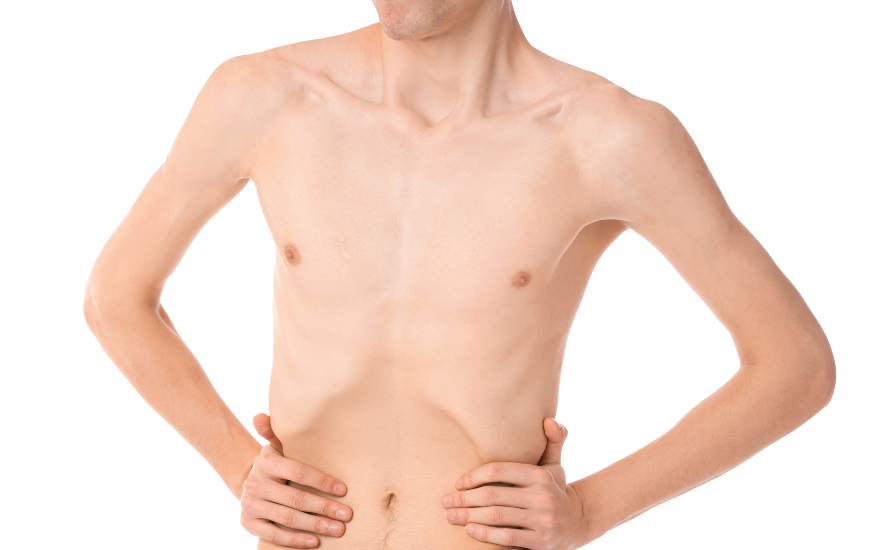
Importantly, weight loss associated with tuberculosis involves not only a loss of body fat but also a loss of lean muscle mass. Reduced muscle mass can lead to weakness, impaired mobility, poorer food intake and slower recovery. Adequate protein intake is therefore important not only for weight gain but also for preserving muscle mass and supporting physical recovery.
Protein supports immune function and recovery
Protein provides the building blocks needed to produce antibodies, immune cells and signaling molecules involved in inflammatory and immune responses. Prolonged protein deficiency can impair immune function, leaving patients more susceptible to fatigue and infections and slowing recovery.
The World Health Organization also emphasizes the two way relationship between tuberculosis and undernutrition. Tuberculosis can worsen nutritional status, while undernutrition can weaken immune function and increase the risk of latent tuberculosis progressing to active disease. Nutritional assessment and intervention should therefore be provided alongside medical treatment rather than focusing solely on anti tuberculosis medications.
Protein deficiency can delay weight gain and prolong recovery
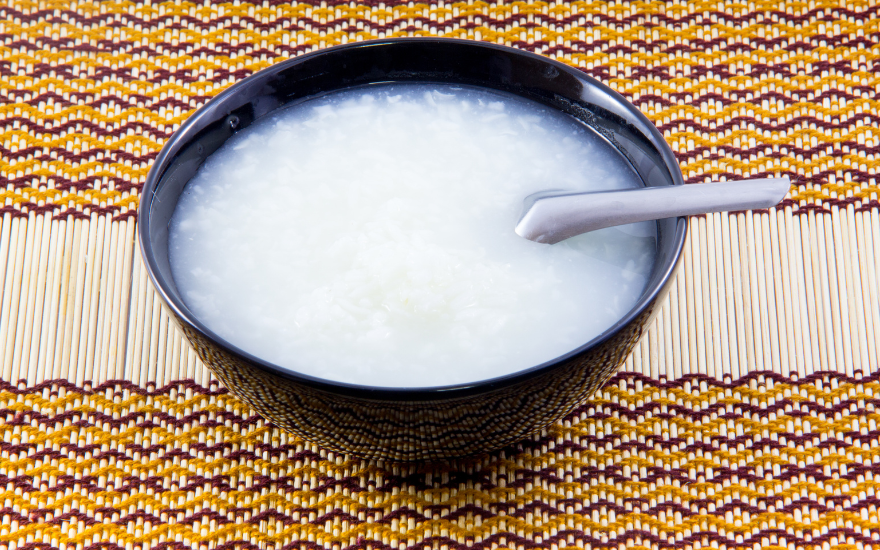
A diet consisting mainly of thin porridge, small portions of rice, boiled vegetables or sugary drinks, with few protein rich foods such as meat, fish, eggs, milk and legumes, is unlikely to meet the patient’s nutritional needs. Protein is particularly important for maintaining and rebuilding muscle mass. Even with a high carbohydrate intake, weight gain without adequate protein may not lead to improved muscle mass or overall health.
Conversely, if protein intake is increased while total energy intake remains inadequate, the body may use protein as an alternative energy source, reducing its benefits for recovery. Improving nutritional status in people with tuberculosis therefore requires adequate protein, sufficient energy and essential micronutrients.
How much protein should people with tuberculosis consume each day?
There is no single protein requirement for everyone with tuberculosis. Individual needs depend on body weight, the extent of weight loss, nutritional status, disease severity, age, food intake, liver and kidney function, and underlying medical conditions.
Suggested protein intake based on body weight
Vietnam’s National Lung Hospital recommends that people with tuberculosis may need approximately 1.5 to 2 g of protein per kilogram of body weight per day. This can be understood as follows:
This table helps patients estimate their protein requirements but does not mean they must consume exactly this amount every day. People who are underweight, undernourished or have poor food intake may require more protein than those with a normal nutritional status. However, the amount should still be tailored to their individual nutritional needs.
People with kidney disease, gout, liver disease, diabetes or heart failure, as well as older adults and those experiencing adverse effects from tuberculosis medications, should consult a doctor or dietitian before increasing their protein intake.
Grams of protein are not the same as grams of meat or fish
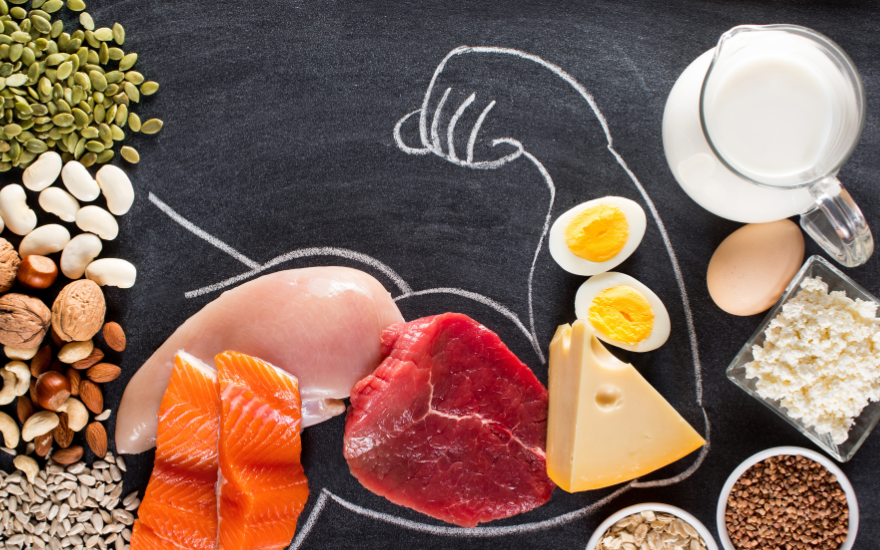
A common mistake is to assume that “100 g of meat equals 100 g of protein.” In fact, 100 g of cooked meat or fish generally provides only about 20 to 30 g of protein, depending on the type. One egg usually provides approximately 6 to 7 g of protein, while the protein content of a glass of milk or a container of yogurt varies by product.
Therefore, a person aiming for 75 g of protein per day does not need to consume a large amount of meat in a single meal. A better approach is to distribute protein throughout the day: eggs or milk at breakfast; fish, meat or tofu at lunch; yogurt or milk as a snack; and lean meat, fish, eggs or legumes at dinner.
Protein intake must be supported by adequate energy intake
Protein can be used effectively only when the patient consumes sufficient energy. If the diet contains too little rice, porridge, potatoes, cooking oil, milk or snacks, the body may use protein for energy. As a result, even a high protein intake may not support weight gain or the restoration of muscle mass.
Vietnam’s Ministry of Health recommends that people with tuberculosis consume a balanced diet containing four food groups: carbohydrates, protein, fats, and foods rich in vitamins and minerals. Meals should therefore include easily digestible carbohydrates, high quality protein, healthy fats, fruit and vegetables, along with suitable snacks.
Which people with tuberculosis may need more protein than usual?
Not everyone with tuberculosis needs a high protein intake. An increased protein intake may be considered following nutritional assessment if the patient has any of the following conditions:

The World Health Organization recommends that people with active tuberculosis undergo nutritional assessment and receive appropriate counseling at diagnosis and throughout treatment. Patients who are severely underweight or unable to eat adequately should therefore consult a doctor about an individualized nutrition plan rather than simply increasing their intake of meat and fish or using protein supplements on their own.
Who should not increase protein intake without medical advice?
Some people with tuberculosis need to exercise caution when increasing protein intake, particularly those with underlying medical conditions or those taking multiple medications. In the following situations, patients should consult a doctor before substantially increasing their intake of meat, fish, eggs and milk or using protein supplements.
People with kidney disease
People with chronic kidney disease, impaired kidney function or proteinuria, or those who have been advised to restrict protein, should not follow an intake of 1.5 to 2 g/kg/day without medical guidance. Excessive protein intake may be inappropriate at certain stages of kidney disease. These patients require an individualized diet based on kidney function test results and medical recommendations.
People with liver disease or those being monitored for liver toxicity from tuberculosis medications
Some tuberculosis medications can affect the liver, but not everyone with liver disease needs to restrict protein. The US Centers for Disease Control and Prevention advises people receiving tuberculosis treatment to notify a healthcare professional if they develop unexplained loss of appetite, nausea or vomiting, dark brown urine, or yellowing of the skin or eyes.
Patients with liver disease, elevated liver enzyme levels or suspected adverse effects from tuberculosis medications should not use protein powders, liver support products or weight gain supplements without consulting a doctor.
People with gout or elevated uric acid levels
A high intake of red meat, organ meats and purine rich seafood may trigger recurrent gout attacks in susceptible individuals. People with both tuberculosis and gout should prioritize lower purine protein sources such as eggs, dairy products and tofu, and seek medical advice if gout attacks occur frequently.

People with diabetes
People with diabetes need to consider not only protein intake but also their consumption of sugar, carbohydrates and overall calories. Some weight gain formulas and high protein drinks may contain large amounts of sugar and can raise blood glucose levels if used inappropriately. People with both tuberculosis and diabetes should therefore choose nutritional products under professional guidance.
People with heart failure, edema or fluid restrictions
Nutritional milk products, smoothies, soups and thin porridge can increase overall fluid intake. People with heart failure, leg swelling or shortness of breath, as well as those advised to restrict salt or fluids, should consult their doctor before consuming additional milk or nutritional drinks.
Which protein sources should people with tuberculosis choose?
People with tuberculosis should prioritize easily digestible, nutrient dense protein sources prepared in soft textures and consumed as part of a varied diet. This can support nutrient absorption, physical recovery and immune function. Rather than relying solely on red meat or milk, patients should include a balanced variety of protein rich foods.
Fish
Fish provides high quality, easily digestible protein and is suitable for people with tuberculosis, particularly those experiencing fatigue, poor appetite or persistent coughing. Suitable options include steamed fish, lightly braised fish, fish porridge, fish soup, or fish cooked with vegetables and tomatoes. Soft preparation methods may make these dishes easier to eat for people with poor appetite. Fatty fish such as salmon, mackerel and sardines also provide unsaturated fatty acids that support overall health.
Lean meat and poultry
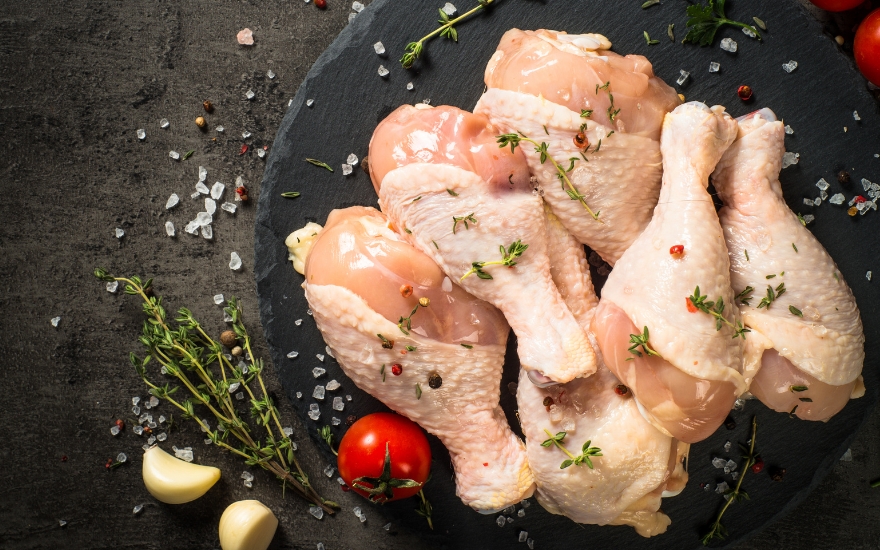
Lean pork, chicken and lean beef are important sources of animal protein and provide essential amino acids needed for recovery. These foods can be minced, stewed, steamed, added to porridge or soup, or lightly braised to make them easier to digest. Processed meats such as sausages, cold cuts and canned meats should be limited because they are often high in salt, saturated fat and additives that may adversely affect health.
Eggs
Eggs are a convenient and versatile source of protein suitable for both main meals and snacks for people with tuberculosis. They can be prepared in various ways, including boiled or steamed, added to porridge or soup, or combined with vegetables. However, people with dyslipidemia, hepatobiliary disease or specific dietary requirements should consult their doctor to determine an appropriate intake.
Milk, yogurt and other dairy products
Milk and yogurt provide not only protein but also energy, calcium and various micronutrients needed for recovery. Patients may consume warm milk or yogurt to improve their nutritional intake, or choose lactose free milk if they are lactose intolerant. If milk causes bloating, diarrhea or nausea, the type or amount consumed should be adjusted according to individual digestive tolerance.
Tofu, legumes and other plant based protein sources
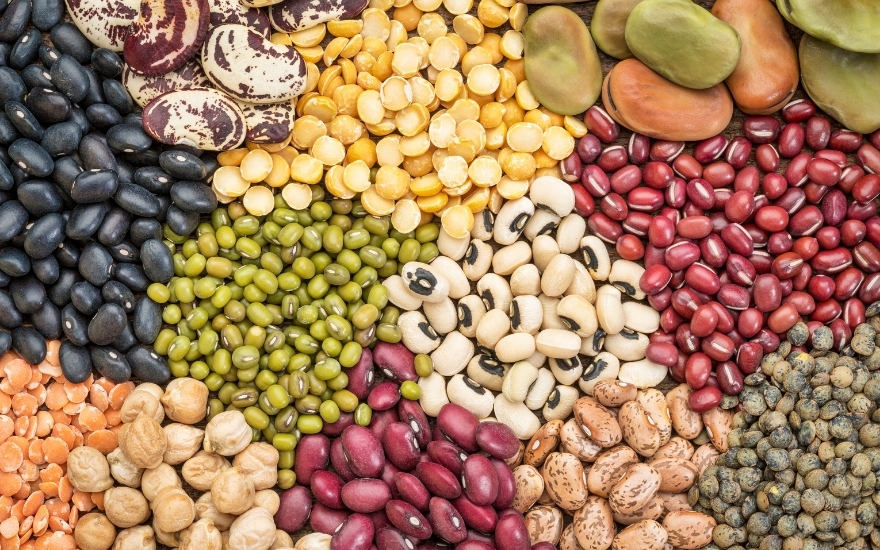
Tofu, soy milk, mung beans, red beans and lentils are nutritious plant based protein sources that can be combined with animal protein to improve the nutritional value of meals. People with sensitive digestive systems or a tendency to experience bloating should consume moderate portions, choose soft preparation methods and divide their intake throughout the day to minimize digestive discomfort.
Protein conversion reference table
Food |
| Approximately 6–8 g, depending on the product |
These figures are estimates, as protein content can vary depending on the type of food, portion size and preparation method. When precise calculations are needed, patients should check nutrition labels or consult a dietitian.
People with tuberculosis often experience poor appetite, fatigue, nausea or difficulty eating large meals. Rather than consuming a large amount of meat or fish in one sitting, they can divide their food intake into several smaller meals throughout the day. Patients may refer to the sample meal plan in: What should people with pulmonary tuberculosis eat to gain weight? Sample meal plan.
Pulmonary tuberculosis diagnosis and follow up at the Respiratory Medicine Department of Hong Ngoc General Hospital
Pulmonary tuberculosis requires an accurate diagnosis and ongoing monitoring throughout treatment to assess response, manage adverse effects of medications and identify abnormalities requiring medical attention. People experiencing possible symptoms such as a persistent cough, sputum production, coughing up blood, night sweats or unexplained weight loss should seek an evaluation by a respiratory specialist.
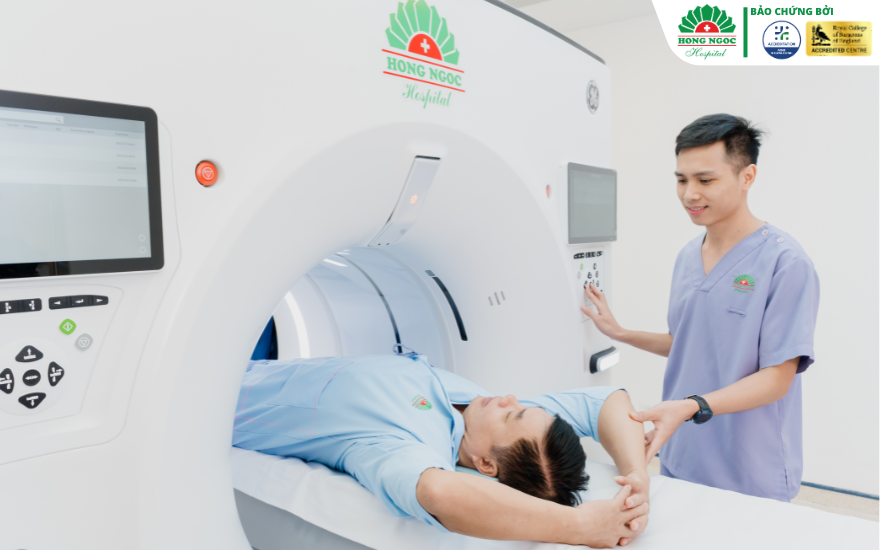
At Hong Ngoc General Hospital, patients are assessed by respiratory physicians, with laboratory tests and diagnostic imaging used to evaluate lung lesions and determine the underlying cause. During follow up, doctors recommend an appropriate review schedule based on the patient’s symptoms, test results and response to treatment. For patients with underlying conditions or other health concerns, the hospital’s multidisciplinary care enables comprehensive assessment and management tailored to each patient’s clinical needs.
Frequently asked questions
Should people with tuberculosis eat large amounts of meat?
Increasing protein intake does not mean eating excessive amounts of meat. People with tuberculosis should obtain protein from a variety of sources, including fish, eggs, lean meat, milk, yogurt, tofu and legumes. Red and processed meats should be consumed in moderation, particularly by patients with gout or kidney disease or those following a medically prescribed diet.
Should underweight people with tuberculosis consume high protein milk, whey protein or protein powder?
High protein milk, whey protein and protein powder are not necessary for everyone with tuberculosis. They may be helpful for patients who are underweight, losing weight, eating very little or unable to meet their protein needs through regular food. However, these products should be used only when appropriate and included in the calculation of total daily protein intake. People with diabetes should avoid products high in sugar, while those with kidney disease, liver disease, gout or heart failure should consult their doctor before use.
Can people with tuberculosis eat eggs?
Yes. Eggs are an easy to eat and versatile source of protein. They can be boiled, steamed or added to porridge and soup. People with hepatobiliary disease, severe dyslipidemia or specific dietary requirements should ask their doctor about an appropriate intake.
Can people with tuberculosis eat tofu?
Yes. Tofu is a soft, easy to eat source of plant based protein suitable for many patients. If it causes bloating or indigestion, patients should consume smaller portions, prepare it until soft and divide their intake across several meals.
Should people with tuberculosis who lose their appetite while taking medication try to consume more protein?
Patients should try to meet their nutritional needs as far as they can tolerate. However, nausea, vomiting, dark urine or jaundice should be reported to a doctor. These symptoms may indicate adverse effects of tuberculosis medication or another condition requiring medical assessment and should not be managed simply by increasing protein intake.
Can a high protein diet replace tuberculosis medication?
No. Protein helps improve nutritional status and supports recovery, but it does not kill the bacteria that cause tuberculosis. Patients must take their medication exactly as prescribed and should not stop treatment simply because they feel better. The US Centers for Disease Control and Prevention emphasizes that people with active tuberculosis require treatment with prescribed medication.
Conclusion
People with tuberculosis should consume adequate protein each day. A carefully managed increase in protein intake may be needed for those who are underweight, losing weight, undernourished or eating poorly. Protein should come from varied sources such as fish, lean meat, eggs, milk, yogurt, tofu and legumes, alongside sufficient carbohydrates, healthy fats, fruit, vegetables and nutritious snacks.
However, increasing protein intake does not replace tuberculosis medication and should not be taken to extremes. People with kidney disease, liver disease, gout, diabetes or heart failure, as well as those experiencing adverse effects from tuberculosis medication, should consult their doctor before increasing their protein intake or using high protein milk or protein powder.
Patients should return for medical assessment if they continue to lose weight despite eating better or experience persistent poor appetite, severe nausea, jaundice, coughing up blood or worsening shortness of breath. Their treatment response, medication related adverse effects, underlying conditions and nutritional status may need to be reassessed.
Medical disclaimer
This article is for informational purposes only and does not replace medical diagnosis, a tuberculosis treatment regimen or individualized nutritional advice.
Patients should not stop taking tuberculosis medication, change the timing of their doses, or use protein powder, whey protein, liver supplements, herbal products or weight gain products without consulting their doctor. Contact the treating doctor or tuberculosis clinic if jaundice, dark urine, severe abdominal pain, persistent nausea or vomiting, numbness or tingling in the limbs, blurred vision, persistent fever, coughing up blood, worsening shortness of breath or continued weight loss occurs during treatment.