



Osteoarthritis is a common form of arthritis, most frequently seen in older adults. If not detected early and treated appropriately, the disease can significantly affect daily activities and may even lead to lifelong disability.
What is osteoarthritis?
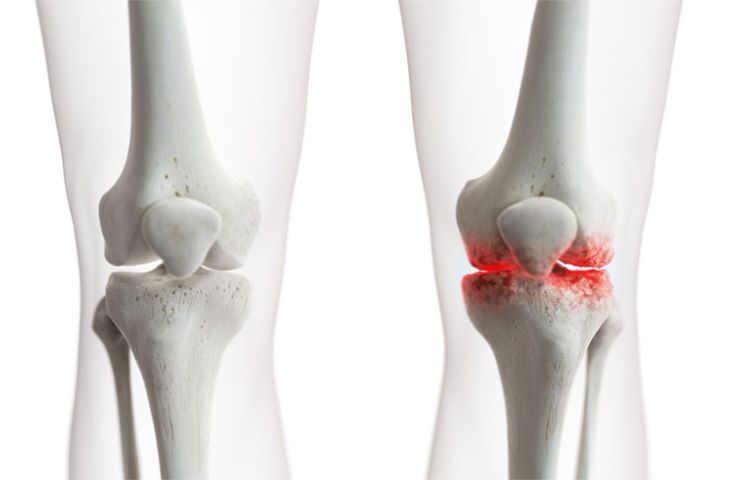
A joint is composed of articular cartilage and synovial fluid, which function to reduce friction between the ends of bones that meet at the joint. This allows the limbs and spine to move smoothly during daily activities without damage. However, over time, the cartilage gradually degenerates, becoming rough and worn, leading to impaired joint function. Surrounding tissues may also be affected, synovial fluid production decreases, and the subchondral bone begins to deform, harden, and develop small cracks. This condition is known as osteoarthritis.
Statistics show that in Vietnam, approximately 30% of individuals over the age of 35, 60% of those over 65, and 85% of those over 85 are affected by osteoarthritis.
Types of osteoarthritis
Osteoarthritis can affect any joint in the body. Some of the most common types include:
Knee osteoarthritis
Knee osteoarthritis occurs when the cartilage covering the knee joint wears away, tears, or deforms, losing its protective function. As a result, the bones rub against each other, causing pain, swelling, inflammation, and restricted movement. In severe cases, the condition can lead to the development of bone spurs around the knee (knee osteophytes), further worsening symptoms. This is the most common form of osteoarthritis.
Wrist and hand osteoarthritis
This type often occurs in older adults. Reduced blood supply to the joints leads to nutritional deficiencies in the cartilage, decreasing its ability to withstand daily mechanical stress and making the joints more vulnerable to degeneration.
Cervical spine osteoarthritis
Cervical osteoarthritis causes pain and discomfort in the neck and sometimes the lower back. Bone spurs that form along the spine may compress spinal nerves, leading to severe pain, numbness, tingling, or radiating discomfort in affected areas.
Hip osteoarthritis
Hip osteoarthritis makes walking difficult. In its early stages, it may be challenging to diagnose because pain can appear in different areas such as the hip, thigh, buttock, or even the knee. The pain may be sharp, stabbing, or dull and aching, often accompanied by stiffness in the hip joint.
Sacroiliac joint osteoarthritis
This condition causes fatigue, lower back pain, hip discomfort, and leg numbness when sitting for prolonged periods. When the sacroiliac joints become inflamed, patients may experience persistent pain and stiffness in the area where the sacrum connects to the pelvis. It can affect one or both sacroiliac joints.
Ankle osteoarthritis
More common in individuals over 40 or in athletes and those with occupations that strain the ankle joint, such as football players. In the early stages, symptoms are mild and difficult to recognize. As the disease progresses, patients may experience heaviness, pain, and reduced flexibility in the ankle joint. Intense activity or direct impact on the joint often triggers sudden sharp pain.
Causes of osteoarthritis
Normally, articular cartilage is continuously regenerated to maintain smooth and flexible joint function. However, after the age of 30, cartilage regeneration slows down while degeneration accelerates. Osteoarthritis results from an imbalance between the processes of regeneration and degeneration in the cartilage and subchondral bone, leading to progressive joint damage.
The main contributing factors include:
- Age: Osteoarthritis typically begins to appear after the age of 40. The older a person is, the higher the risk.
- Obesity: Excess body weight increases stress on the joints, particularly weight-bearing joints such as the spine and knees, causing ligament damage and accelerating cartilage degeneration.
- Joint overuse: Occupations or activities that involve repetitive or heavy joint movements increase the risk of osteoarthritis.
- Congenital joint deformities: Individuals born with joint abnormalities are more likely to develop early and severe osteoarthritis.
- Genetics: Certain genetic defects affecting cartilage formation can predispose individuals to joint degeneration.
- Joint injuries: Trauma from sports overexertion, accidents, or repetitive strain can damage the joints and hasten the degenerative process.

Other contributing factors include:
- Improper posture, frequent heavy lifting, prolonged sitting or standing, and lack of physical activity
- Unhealthy diet lacking essential nutrients, particularly calcium, glucosamine, and chondroitin
- Underlying medical conditions such as osteoporosis, joint infections, or rheumatoid arthritis, which can increase the risk of developing osteoarthritis
Symptoms of osteoarthritis
When joints undergo degeneration, patients may experience the following symptoms:
- Joint pain: In the early stages, pain is usually mild and occurs during movement, often subsiding quickly, which may cause patients to overlook it. Over time, as cartilage damage worsens, the pain becomes more noticeable and intense, with increasing frequency and severity, particularly during sudden cold weather changes.
- Joint stiffness: This symptom commonly appears in the morning after waking up or following a period of inactivity.
- Reduced mobility: Daily activities such as walking, squatting, or bending and extending the joints become increasingly difficult.
- Swelling and warmth of the joints: Osteoarthritis often causes inflammation, leading to swelling and a sensation of heat around the joint. Patients may also hear cracking or grinding sounds (“crepitus”) during movement.
Diagnosis of osteoarthritis
Accurate diagnosis plays a crucial role in determining the effectiveness of osteoarthritis treatment. Therefore, patients should seek evaluation at a reputable medical facility with a specialized rheumatology or musculoskeletal department. At Hong Ngoc General Hospital, the diagnostic process for osteoarthritis is carried out as follows:
Clinical examination The physician first takes a detailed medical history, asking about symptoms, duration, and the extent to which they affect daily life. A physical examination is then performed to assess:
- Morning stiffness (“joint rusting” sign): Stiffness lasting less than 30 minutes after waking, with movement gradually restoring mobility.
- Abnormal joint sounds: Crepitus, clicking, or cracking noises, accompanied by restricted joint movement. Limited range of motion may be caused by bone spurs, rough cartilage surfaces, or periarticular muscle tightness. Joint locking may indicate torn meniscus or loose cartilage fragments within the joint.
- Joint deformities: Misalignment, axis deviation, or bony outgrowths (osteophytes) around the joint.
Imaging tests Following the clinical evaluation, the physician may request imaging studies to confirm the diagnosis and identify the extent of joint damage:
- X-ray: Detects joint space narrowing, bone spurs, subchondral sclerosis, or bone defects in weight-bearing areas. This is typically the first imaging test performed.
- MRI (magnetic resonance imaging) or CT (computed tomography): Provides detailed assessment of structural changes, such as focal cartilage defects and subchondral bone marrow lesions.
Additional tests In certain cases, further investigations may be required, including:
- Ultrasound
- Blood tests: complete blood count, coagulation profile, blood glucose (particularly in patients over 50 years old, with BMI > 25, or a history of diabetes)
- Joint fluid analysis
- Liver and kidney function tests (liver enzymes, creatinine, electrolytes)
- Electrocardiogram (ECG)
Effective treatment of osteoarthritis
When abnormal joint symptoms are detected, patients should promptly visit a specialized medical facility for consultation, examination, accurate diagnosis, and timely treatment. Depending on the stage of the disease, osteoarthritis can be managed using the following methods:
Medication
Commonly prescribed drugs include injectable agents, pain relievers, anti-inflammatory drugs, and muscle relaxants. Patients must strictly follow their physician’s instructions to avoid overuse and minimize the risk of side effects. Medications may be administered orally, topically, via patches, or through direct intra-articular injections. However, long-term use is generally limited due to potential adverse effects.
Physical therapy
In mild cases, patients are often advised to undergo physical therapy, including hot compresses, electrotherapy, infrared light therapy, shortwave therapy, therapeutic exercises, and massage. These methods help reduce pain and inflammation while improving joint function. Adequate rest and avoidance of strenuous activities are also recommended.
Biologic therapies (conservative treatment)
Intra-articular injections of hyaluronic acid (artificial synovial fluid) or platelet-rich plasma (PRP) are widely used today. PRP injections, in particular, are considered safe and effective, as they use the patient’s own blood processed under sterile conditions. A typical treatment course involves three injections, each spaced two weeks apart, although the protocol may vary depending on the severity of the disease and the patient’s recovery. These methods can relieve pain from osteoarthritis, tendon inflammation, and sports injuries without the need for surgery or long-term medication.
Surgery
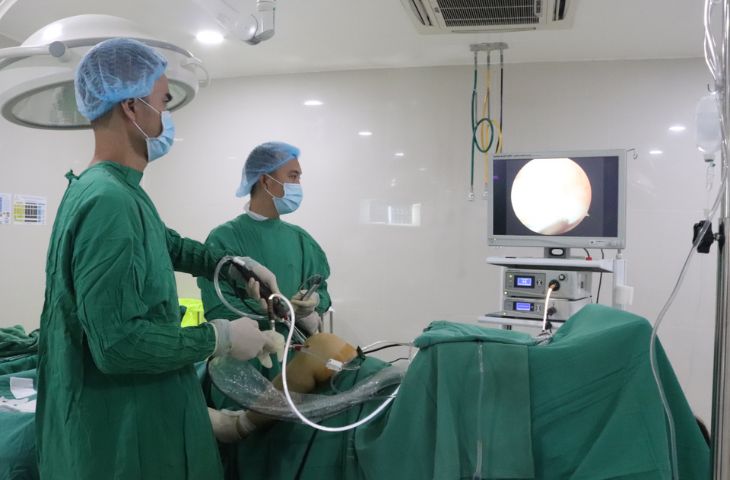
For severe osteoarthritis—such as cases involving significant joint deformity, stiffness, or associated synovitis—surgical intervention may be required when conservative treatments are no longer effective. Common surgical options include arthroscopic debridement and lavage, microfracture to stimulate bone healing, cartilage cell implantation, and joint replacement.
Prevention of osteoarthritis
To prevent joint degeneration, it is important to maintain a healthy and scientific lifestyle by adopting the following habits:
- Engage in regular physical exercise appropriate to your health status to enhance joint flexibility and strength. Recommended activities for individuals at risk of osteoarthritis include yoga, walking, and swimming.
- Maintain proper posture during daily activities, avoid heavy lifting, and minimize strain or injury to the musculoskeletal system.
- Control body weight to reduce the load on ligaments and weight-bearing joints.
- Follow a balanced diet, avoid stimulants, and increase intake of nutrients beneficial for bone and joint health, such as calcium, glucosamine, chondroitin, omega-3 fatty acids, vitamin D, and B vitamins.
- Prevent injuries by warming up thoroughly before exercise, wearing properly fitted shoes, and practicing physical activities in safe environments. In case of injury, seek immediate medical attention at a specialized facility for timely treatment.
- Maintain a positive mental state, manage stress, and avoid excessive tension.
- Undergo routine health check-ups every six months to monitor joint health and detect abnormalities at the earliest stage.
In addition, when early symptoms of osteoarthritis appear, patients should promptly visit a rheumatology or musculoskeletal specialist for accurate diagnosis and appropriate treatment.
In Hanoi, the Musculoskeletal Department of Hong Ngoc General Hospital is a trusted and highly regarded destination for the examination and treatment of osteoarthritis, recognized for both its medical expertise and patient care services. At Hong Ngoc, patients benefit from:
- A team of highly experienced doctors with extensive expertise, many of whom previously worked at leading hospitals in Vietnam and abroad, such as Bach Mai Hospital, Viet Duc Hospital, and Royal North Shore Hospital (Australia).
- Modern diagnostic equipment imported from the United States, including the SIGNA Prime MRI scanner, 128-slice CT scanner, Hologic bone densitometer, and Logiq P7 musculoskeletal ultrasound, providing high-resolution images for the early detection of bone and joint lesions.
- Integration with Physiotherapy and Rehabilitation, using advanced German therapeutic equipment and Austrian manual therapy techniques to help patients regain mobility quickly and relieve pain caused by osteoarthritis.
- Personalized treatment plans and follow-up schedules, with proactive appointment reminders for each patient.
- A clean, patient-friendly hospital environment with modern amenities such as free Wi-Fi, a café, and a restaurant.
- Convenient weekend services, available on Saturdays and Sundays without additional costs.
- Fast insurance claim procedures, ensuring maximum benefits and peace of mind for patients.
Note: The information provided in this article by Hong Ngoc General Hospital is for reference only and is not a substitute for medical diagnosis or treatment. Patients should not self-medicate. For an accurate assessment of your condition, please visit a hospital for direct examination, diagnosis, and consultation with a physician to receive the most appropriate treatment plan.
Follow the official fanpage of Hong Ngoc General Hospital for more useful health information: https://www.facebook.com/BenhvienHongNgoc