


Cervical Spondylosis is a common musculoskeletal disorder that is increasingly affecting younger individuals. People between the ages of 25 and 30 are at higher risk due to occupational factors and unhealthy lifestyle habits. Therefore, this article provides essential information about cervical spondylosis to help you better understand the condition.
What is cervical spondylosis?
Cervical spondylosis is a chronic, slowly progressive condition associated with posture and movement of the cervical spine. It develops as a result of inflammation and calcium deposition in the ligaments surrounding the spine, leading to narrowing of the intervertebral foramina, impaired blood circulation, and compression of the nerves.
Degeneration can occur at any level of the cervical spine, but it is most commonly observed at the C6–C7 segment.
Causes of cervical spondylosis
There are many causes of cervical spondylosis, with the most common including:
- Aging: After the age of 40, the natural aging process accelerates degeneration of the cervical vertebrae. The rate of degeneration depends on factors such as nutrition and lifestyle. However, cervical spondylosis is now increasingly common in younger adults, particularly between 25 and 30 years of age.
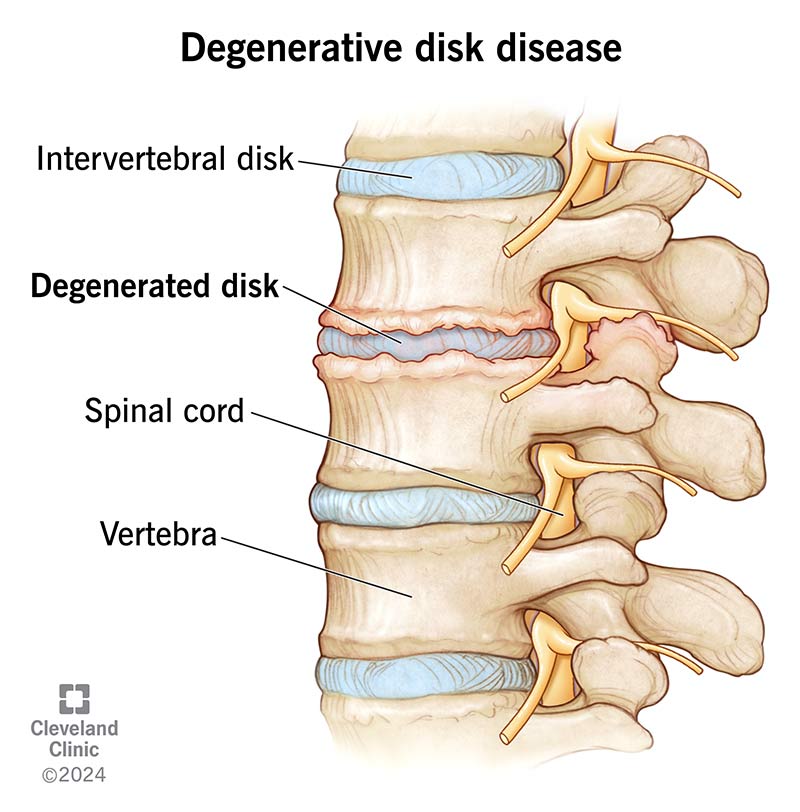
- Bone spurs (osteophytes): Osteophytes form as a natural response to strengthen bones and repair joint damage. While most bone spurs do not cause problems, in some cases they may grow excessively, compressing the spinal cord or nerves and leading to neck and shoulder pain.
- Intervertebral disc damage: Discs act as cushions between vertebrae, absorbing shock and reducing friction during movement. Over time, the nucleus pulposus inside the disc can dehydrate and shrink, causing the vertebrae to rub against each other and resulting in pain and progressive degeneration. In some cases, discs may tear or rupture, with the nucleus leaking out and pressing on the spinal cord or nerves, causing pain, stiffness, or numbness radiating into the arms.
- Ligament sclerosis: Ligaments connect the vertebrae and support spinal flexibility. With age, they can stiffen and lose elasticity, restricting neck movement and causing stiffness or discomfort.
- Trauma: Neck injuries from traffic accidents, occupational hazards, or sports-related trauma increase the risk of early cervical spondylosis.
- Occupational factors: Jobs involving repetitive motions or heavy lifting, such as construction work, office work requiring long hours at a computer, gym training, or retail work, can place continuous stress on the cervical spine. This repetitive strain alters bones, muscles, and ligaments, accelerating degeneration.
In addition, several other factors may increase the risk of cervical spondylosis, including:
- Genetics: Individuals with a family history of musculoskeletal disorders are at higher risk of developing cervical spondylosis.
- Overweight and obesity: Excess body weight combined with physical inactivity accelerates spinal degeneration.
- Unhealthy lifestyle habits: Excessive alcohol consumption, smoking, irregular sleep patterns, and poor posture during rest or sleep contribute to spinal damage.
- Nutritional deficiencies: A diet lacking essential nutrients such as calcium, vitamin D, and magnesium may weaken bones and joints, increasing susceptibility to degeneration.
Reader may also be interested in:
- Herniated disc: Causes, symptoms, and treatment
- Osteoarthritis: Causes, symptoms, treatment, and prevention
Common symptoms of cervical spondylosis
In the early stages, cervical spondylosis often progresses silently without obvious symptoms. As the condition advances, patients may experience:
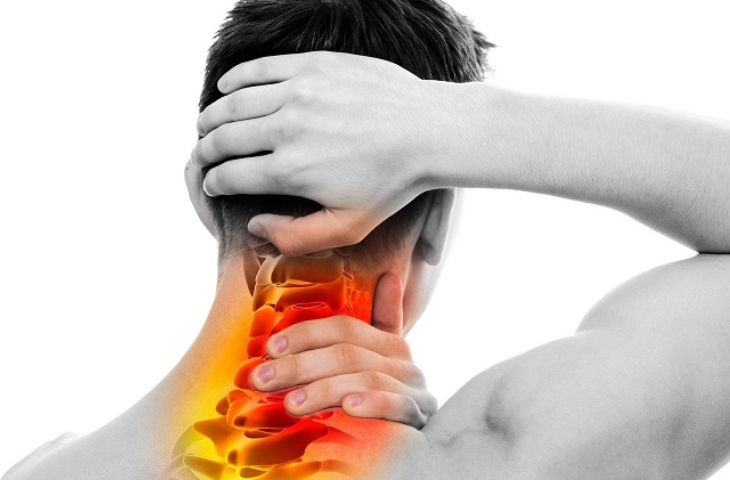
- Neck, shoulder, and nape pain Increasingly frequent pain and stiffness around the neck–shoulder–nape area, sometimes leading to torticollis (twisted neck) or stiff neck. Pain may radiate to the head, causing occipital, frontal, nasal, or ocular headaches, and may extend down one or both arms.
- Loss of sensation in the upper limbs Compression of the nerve roots supplying the arms may cause numbness from the shoulders to the arms, reduced ability to perceive hot or cold, and, in severe cases, muscle atrophy, loss of sensation in the hands, or even paralysis.
- Lhermitte’s sign Also known as the “electric shock” sensation of cervical spondylosis with spinal cord involvement. Patients may feel a sudden, uncomfortable electrical sensation running from the neck down the spine and radiating to the fingers and toes, often triggered or worsened by bending the neck forward.
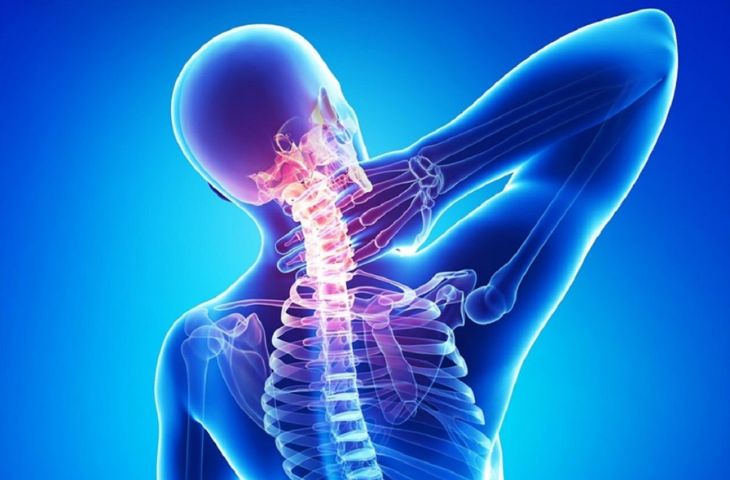
Morning neck stiffness In cold weather, sleeping in an improper position may cause stiffness in the neck the following morning, making it difficult to bend, tilt, or rotate the head. Pain may radiate to the nape or the back of the head and can worsen with coughing or sneezing. In some cases, patients are unable to turn their head left or right and must rotate their entire body instead.
Other symptoms In rare cases, damage to the C1–C2 or C4 vertebrae may result in symptoms such as persistent hiccups, excessive yawning, imbalance, dizziness, and loss of bladder or bowel control. When these symptoms occur, patients should seek immediate medical attention for timely evaluation and treatment.
Prevention and proper treatment of cervical spondylosis
In the management of cervical spondylosis, conservative treatments such as medication and physical therapy are generally prioritized over surgery.
Medical treatment
- Pain relievers and nonsteroidal anti-inflammatory drugs (NSAIDs): Prescribed based on the patient’s condition and overall health to ensure appropriate dosage.
- Corticosteroids: Administered orally or by injection to provide temporary pain relief.
- Muscle relaxants: Help reduce pain associated with muscle spasms.
- Anticonvulsants: Used to relieve nerve pain caused by cervical nerve compression.
- Antidepressants: Shown to alleviate chronic neck pain related to cervical spondylosis.
Physical therapy
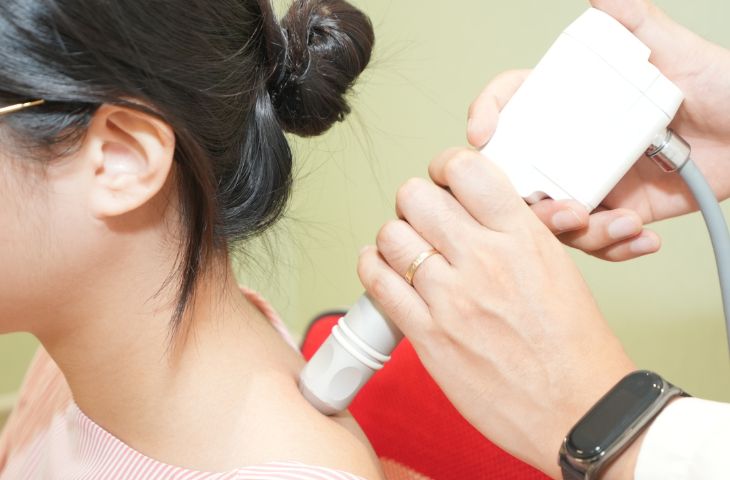
Through specialized equipment and guided exercises, physical therapy helps restore mobility and improve flexibility in the neck and shoulder area. At Hong Ngoc, advanced therapeutic devices are used, including traction machines, shockwave therapy, laser therapy, interferential current therapy, and magnetic field therapy. In addition, Austrian advanced manual therapy techniques are applied to soften muscle tissue, reduce stiffness, and reposition intervertebral discs.
This approach enables patients to regain neck and shoulder mobility quickly, manage cervical spondylosis effectively, and reduce dependence on medication.
Surgery If conservative treatments are no longer effective and the condition worsens, surgical intervention may be indicated to relieve compression and restore space for the spinal cord and nerve roots.
Current surgical methods include:
- Removal of bone spurs (osteophytectomy)
- Partial removal of vertebrae (laminectomy or foraminotomy)
- Bone grafting and spinal fusion with hardware to stabilize the cervical spine
Prevention and lifestyle modification To prevent or reduce the risk of recurrent cervical spondylosis, it is essential to adopt healthy daily habits:
- Exercise regularly with appropriate intensity to improve joint mobility. Focus on moderate, suitable workouts such as stretching, walking, swimming, or yoga.
- Balance work and rest time, allowing the neck to relax and reducing strain. Avoid prolonged sitting or standing; instead, take breaks to walk or stretch. Gentle massage of the neck and shoulders after long hours of work can also help.
- Adjust work equipment ergonomically. For office workers, the computer screen should be positioned 50–66 cm from the eyes, at eye level—not too high or too low.
- Maintain proper sleeping posture. Avoid high pillows, lying in the same position for too long, or sleeping on the stomach, as these can strain the cervical spine.
- Follow a balanced diet rich in nutrients, especially calcium-containing foods such as shrimp, crab, shellfish, milk, vegetables, and fruits. Incorporate B vitamins daily to strengthen bones and joints.

Cervical spondylosis causes significant discomfort and reduces mobility in daily life. Therefore, patients should pay attention to proper rest, maintain a balanced diet, and engage in regular physical activity to enhance spinal flexibility and support long-term treatment effectiveness.
Note: The information provided in this article by Hong Ngoc General Hospital is for reference only and is not a substitute for medical diagnosis or treatment. Patients should not self-medicate. For an accurate assessment of your condition, please visit a hospital for direct examination, diagnosis, and consultation with a physician to receive the most appropriate treatment plan.
Follow the official fanpage of Hong Ngoc General Hospital for more useful health information: https://www.facebook.com/BenhvienHongNgoc