


Tendinitis can occur in anyone, but it is most commonly seen in athletes and individuals who engage in sports activities. If not detected early and treated properly, tendinitis may lead to serious complications such as chronic pain, joint degeneration, and loss of mobility. There are currently several effective treatment options for tendinitis, including medication, physical therapy, platelet-rich plasma (PRP) injections, and surgery. Depending on the specific condition, physicians will recommend the most appropriate treatment plan.
What is tendinitis?
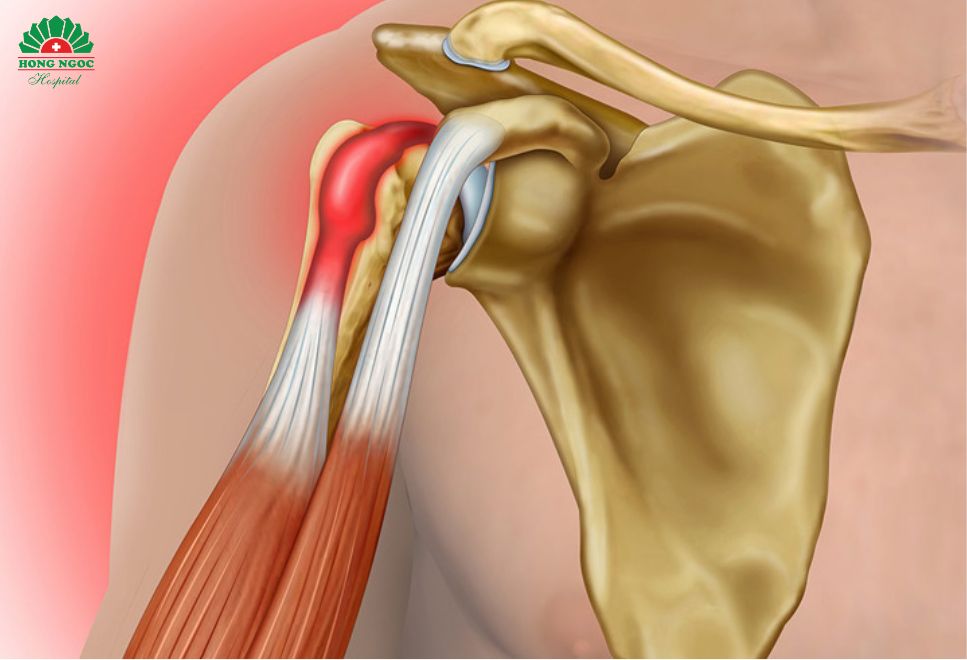
Tendinitis is a condition in which a tendon becomes inflamed or injured, causing pain, swelling, and discomfort around the affected area. The main cause is an exaggerated immune response triggered by various factors, leading to inflammation, redness, warmth, pain, and reduced mobility in the injured region.
Tendinitis can occur in any tendon, but the most common forms include shoulder tendinitis, ankle tendinitis, wrist tendinitis, elbow tendinitis, achilles tendinitis, and foot tendinitis.
Signs and symptoms of tendinitis
- Pain in the affected tendon area, which gradually worsens over time- Swelling, redness, and warmth of the overlying skin- Reduced mobility, decreased strength, and impaired muscle support- Cracking, popping, or a grating sensation in the injured tendon area
Causes of tendinitis
There are several causes of tendinitis, including:
- Repetitive stress and injury: high-intensity activities such as running or jumping, or excessive load on the tendons, can cause strain and damage, leading to inflammation.
- External trauma: impacts, falls, or other external forces can injure the tendon and trigger an inflammatory response.
- Infection: bacteria, viruses, or fungi can invade the tendon area, causing infection and triggering inflammation.
- Immune disorders: conditions such as arthritis, lupus, or leukemia can trigger abnormal immune responses, leading to tendinitis.
- Environmental factors: exposure to toxic chemicals, industrial emissions, or other environmental elements may stimulate inflammatory responses in the body and contribute to tendinitis.
- Aging: the natural aging process can reduce tendon flexibility and increase the risk of inflammation.
- Genetic factors: some individuals may have a hereditary predisposition to tendinitis due to genetic influences.
- Alcohol and tobacco use: the harmful effects of alcohol and smoking can contribute to tendinitis by impairing the immune system and reducing the body’s ability to heal.
Reader may also be interested in:
- Can psoriatic arthritis be cured? Treatment methods for psoriatic arthritis
- Lateral epicondylitis (tennis elbow): Causes, symptoms, and treatment options
Diagnosis of tendinitis
Diagnostic methods for tendinitis may include:
- Clinical examination: physicians usually begin with a physical assessment of the painful, swollen area to determine signs of tendinitis.
- Blood tests: blood tests may be performed to measure inflammation levels and identify markers such as c-reactive protein (crp) and white blood cell count.
- X-ray imaging: x-rays can be used to detect bone changes or signs of tendinitis, such as swelling or calcium deposits.
- Ultrasound: basic ultrasound can be used to detect soft tissue damage around the tendon and assess the extent of inflammation.
- Magnetic resonance imaging (MRI): MRI provides detailed images of soft tissues such as tendons, ligaments, and surrounding structures, enabling accurate diagnosis of tendinitis and identification of its underlying cause.
- Computed tomography (CT) scan: a CT scan can generate 3d images of the affected area and help determine the extent of tendon damage.
Depending on the patient’s specific condition and clinical signs, physicians may choose one or a combination of these methods to accurately diagnose tendinitis.
Treatment methods for tendinitis
Treatment of tendinitis often requires a combination of different approaches and strict adherence to the guidance of physicians or healthcare professionals. Common methods include:
- Rest: rest is an essential part of tendinitis treatment. Avoiding activities that place stress on the affected area helps reduce pain and promotes healing.
- Cold or heat therapy: applying ice packs or heat packs can help reduce swelling and alleviate pain.
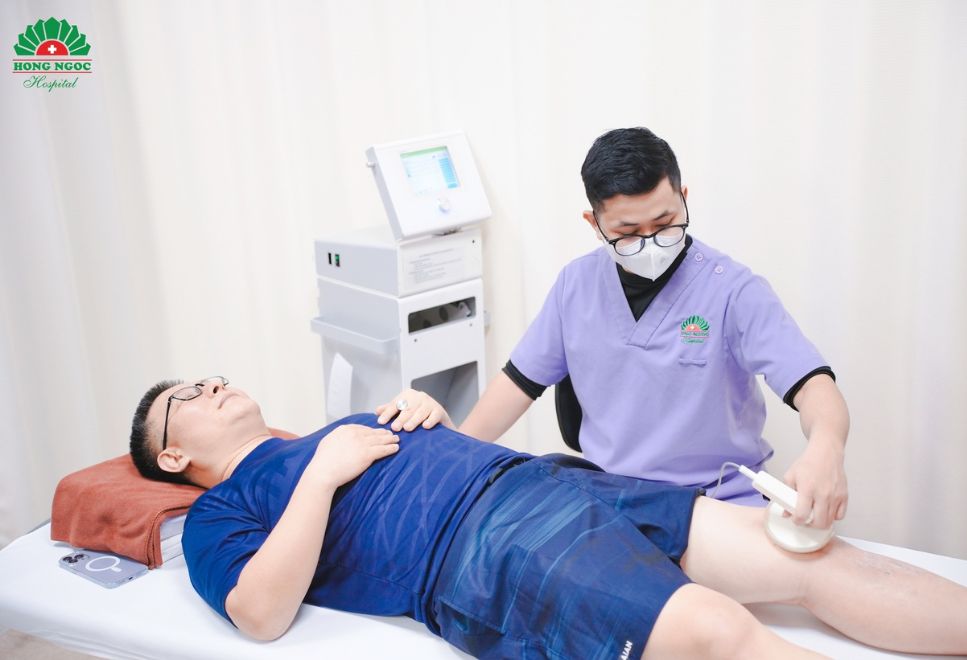
- Physical therapy: modalities such as microwave therapy, interferential current, and shockwave therapy, combined with manual massage techniques, help improve flexibility and strength of the affected tendon.
- Pain relievers and anti-inflammatory medications: nonsteroidal anti-inflammatory drugs (nsaids) such as ibuprofen or naproxen can help reduce pain and inflammation in tendinitis. In some cases, physicians may prescribe stronger pain medications or use corticosteroids to control inflammation.
- Platelet-rich plasma (PRP) injections: when activated, platelets release growth factors and bioactive molecules that stimulate local tissue repair. With PRP injections, a variety of proteins essential for wound healing are released, thereby enhancing the healing process and accelerating tissue recovery at the affected site.
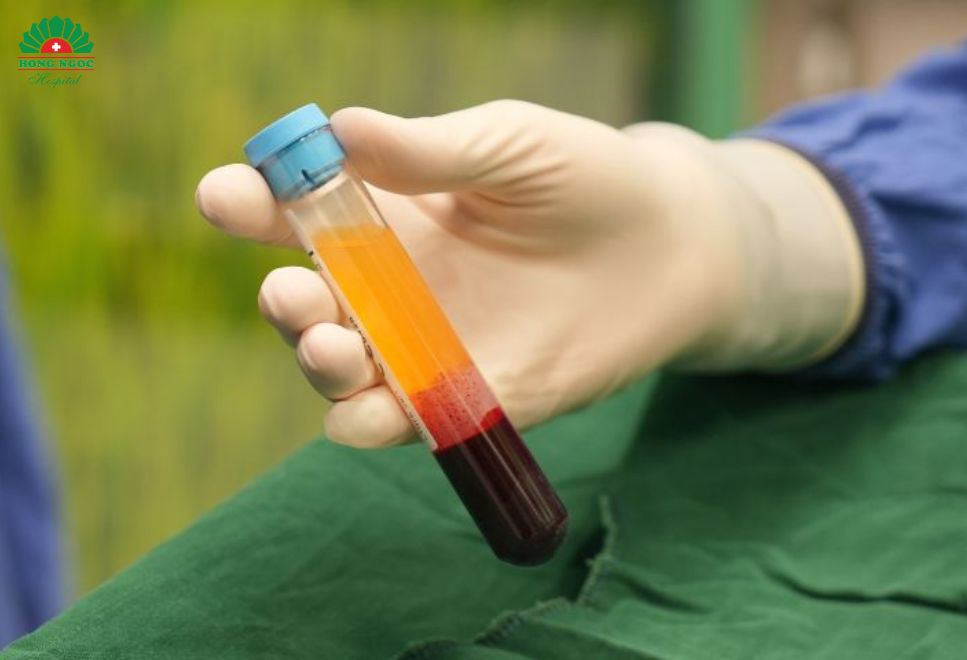
- Surgery: in severe cases, surgical intervention may be considered, especially when other treatments are ineffective. Surgery may involve debridement or repair of the damaged tendon, or in some cases, tendon replacement with a graft.
Tendinitis treatment at Hong Ngoc General Hospital
In Hanoi, Hong Ngoc General Hospital is a trusted address for tendinitis treatment, offering a wide range of methods tailored to each patient’s condition. The hospital is highly regarded and chosen by many patients because:
- Highly qualified and experienced medical team: physicians and therapists at the department are well-trained in specialized techniques, ensuring that patients receive appropriate consultations and effective treatment tailored to their condition.
- Modern medical equipment: the department is equipped with advanced devices imported from Germany, including pulsed ultrasound machines, microwave therapy systems, interferential current machines, and hydrotherapy tubs.
- Patients undergoing examination and treatment can benefit from numerous amenities, including a five-star hospital-hotel environment, personalized follow-up schedules with proactive appointment reminders, and health insurance as well as direct billing services to optimize cost savings.
If you would like to receive more in-depth consultation regarding tendinitis treatment, please contact our hotline at 0889621046 for timely support.
Note: The information provided in this article by Hong Ngoc General Hospital is for reference only and is not a substitute for medical diagnosis or treatment. Patients should not self-medicate. For an accurate assessment of your condition, please visit a hospital for direct examination, diagnosis, and appropriate treatment guidance from a physician.
Follow the official fanpage of Hong Ngoc General Hospital for more useful information: