


Sepsis in children is a serious and potentially life-threatening condition. Most cases of sepsis result from the body’s systemic response to the invasion of microorganisms or their toxic components.
With advances in modern medicine, an increasing number of immunocompromised patients are being successfully treated and surviving, including preterm and extremely preterm infants, patients with chronic diseases, and those requiring invasive medical devices or supportive interventions.
As a result, the incidence of sepsis has been steadily rising, with an estimated annual increase of approximately 1.5%. In addition, the growing problem of antimicrobial resistance among pathogenic microorganisms has further complicated treatment strategies. Sepsis may be caused by a variety of pathogens, including bacteria, viruses, and fungi.
What is sepsis?
Sepsis is an extremely complex systemic disorder involving the activation of multiple biological mechanisms within the body during infection. These processes include pro-inflammatory responses, anti-inflammatory pathways, coagulation cascades, and other interacting physiological systems, which often overlap and influence one another.
Therefore, the definitions of sepsis and related clinical syndromes in children are based on specific diagnostic criteria, which may vary according to the patient’s age group.
Clinical definitions of sepsis and related syndromes
- Sepsis: A systemic inflammatory response syndrome (SIRS) caused by infection.
- Severe sepsis: Sepsis accompanied by organ dysfunction, hypoperfusion, or hypotension. Hypoperfusion and hypotension may include, but are not limited to, lactic acidosis, oliguria, or acute alterations in mental status.
- Septic shock: A severe form of sepsis characterized by persistent hypotension that does not respond to adequate fluid resuscitation, accompanied by signs of tissue hypoperfusion, such as lactic acidosis, oliguria, or acute changes in mental status.
- Multiple Organ Dysfunction Syndrome (MODS): A condition in which multiple organ systems exhibit functional impairment in a patient with acute illness, such that homeostasis cannot be maintained without appropriate medical intervention.
The condition is most commonly caused by bacterial pathogens such as Streptococcus pneumoniae, Haemophilus influenzae, Escherichia coli (E. coli), Klebsiella species, and Pseudomonas species.
Clinical manifestations of sepsis
The clinical presentation of sepsis may vary in severity but is generally characterized by the presence of at least two of the following criteria:
- Body temperature greater than 38°C or lower than 36°C
- Heart rate greater than 90 beats per minute (in infants younger than 3 months: >140 beats per minute)
- Respiratory rate greater than 20 breaths per minute (in infants younger than 3 months: >60 breaths per minute) or PaCO₂ < 32 mmHg
- Peripheral white blood cell count greater than 12,000 cells/mm³ or lower than 4,000 cells/mm³
Common signs of sepsis
Typical clinical signs of sepsis may include:
- High fever or hypothermia
- Tachycardia and tachypnea (rapid heart rate and rapid breathing)
- Leukocytosis (elevated white blood cell count)
- Dysuria, urinary incontinence, or frequent urination, which may indicate a urinary tract infection
- Bloody diarrhea, which may be associated with a gastrointestinal infection
Children are at high risk of sepsis
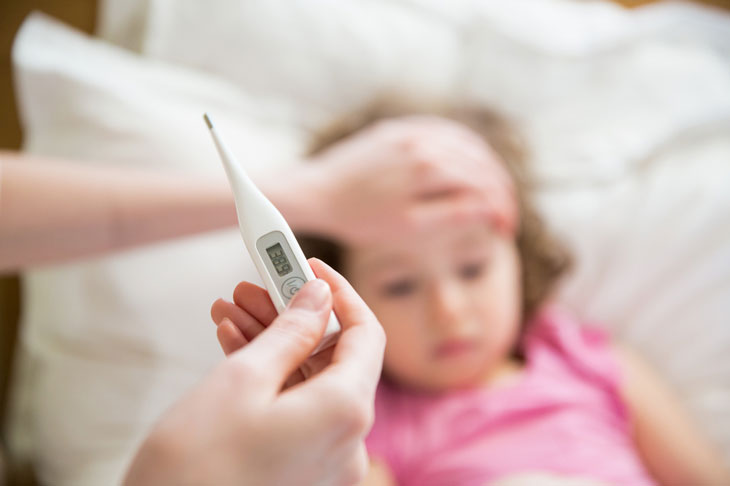
Sepsis can occur in children of all ages, particularly in those with existing infections or breaches in the skin barrier, such as dermatitis, skin abscesses, dental and gingival infections, localized abscesses, pneumonia, bacterial gastroenteritis, or purulent meningitis.
The risk of developing sepsis is significantly higher in vulnerable pediatric populations, including unvaccinated children, those with malnutrition, premature infants, immunocompromised patients, children receiving corticosteroid therapy, and those with congenital heart disease.
Management of sepsis in children
Although the mortality rate associated with sepsis particularly in patients with multiple organ failure remains high, experimental research and numerous clinical trials conducted over recent decades have provided new hope for more effective treatment strategies.
Successful management of sepsis largely depends on early diagnosis and prompt initiation of treatment as soon as the condition is suspected. Current recommendations for the management of sepsis are based on the following key principles:
Infection control
Early elimination of the infectious source is the primary priority in the management of sepsis. For example, intravenous antibiotic therapy should be initiated within the first hours after sepsis is suspected and after blood cultures have been obtained.
Procedural interventions may be required to remove the focus of infection, including drainage of abscesses, surgical debridement of necrotic tissue, or removal of other infectious sources, depending on the individual patient’s condition.
Once the causative pathogen has been accurately identified, antimicrobial therapy should be adjusted to targeted antibiotic treatment, aimed at effectively eradicating the pathogen while minimizing drug-related toxicity.
Intensive supportive care
Early cardiovascular and circulatory support during the initial phase of sepsis can significantly reduce mortality rates.
Early mechanical ventilation may be required in patients with acute respiratory distress syndrome (ARDS). Careful attention should also be given to nutritional support and prevention of complications, such as deep vein thrombosis.
Adjunctive therapies
Appropriate use of anti-inflammatory agents, hemostatic therapies, anticoagulants, and vasopressors may be considered when indicated. In the later stages of the disease, management often requires organ support and strict prevention of hospital-acquired infections.
Emerging research is currently focusing on novel therapeutic targets, new mechanisms of action, and combination treatment strategies, which may help improve clinical outcomes and prognosis in patients with sepsis.
Prevention and treatment of sepsis in children
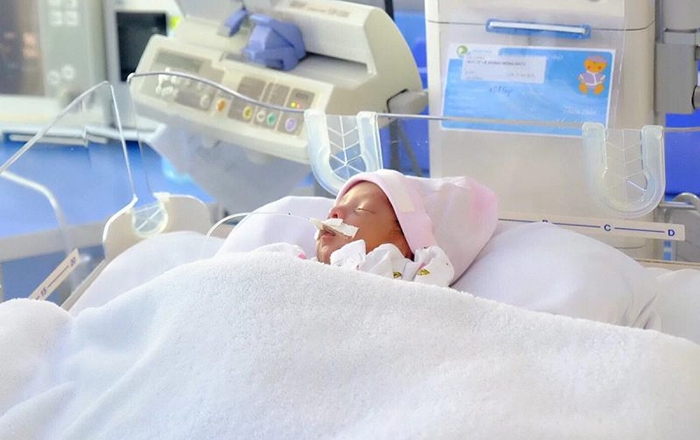
Sepsis is a severe and potentially life-threatening condition, and many pediatric patients require intensive care management. In addition to administering pathogen-specific antibiotic therapy, treatment may also involve the use of vasoactive agents and rapid restoration of circulating blood volume in children presenting with septic shock. In severe cases, renal replacement therapy (blood purification or dialysis) may be required.
Sepsis often originates from a localized focus of infection within the body. Therefore, effective prevention involves prompt and definitive treatment of these primary infections. Even a seemingly minor skin infection can potentially progress to severe systemic complications if left untreated.
Children who are already suffering from pneumonia or bacterial gastrointestinal infections causing diarrhea should be closely monitored for disease progression. They should receive soft, easily digestible foods and adequate nutritional support. These cases require careful medical supervision by pediatric specialists to ensure early detection of complications.
To further reduce the risk of sepsis, parents are advised to ensure that their children receive all recommended vaccinations according to the immunization schedule, thereby strengthening the child’s immune defenses against preventable infectious diseases.
Note: The information provided in this article by Hong Ngoc General Hospital is intended for reference purposes only and does not replace professional medical diagnosis or treatment. For an accurate evaluation of any medical condition, patients should visit a healthcare facility for direct examination, diagnosis, and consultation with qualified physicians to determine an appropriate treatment plan.
Follow the official fanpage of Hong Ngoc General Hospital for more useful health information:https://www.facebook.com/BenhvienHongNgoc/