



Myocarditis is defined as inflammation accompanied by necrosis of cardiac muscle cells. The condition may arise from multiple causes such as infections, medications, cardiotoxic agents, or systemic diseases related to sarcoidosis, but in most cases it is idiopathic. Common clinical manifestations include fatigue, edema, dyspnea, palpitations, and in some cases, sudden death.
What is myocarditis?
Myocarditis is a condition in which the thick muscular layer of the heart wall becomes inflamed, leading to myocardial injury and necrosis. This impairs the heart’s contractile function and, if not detected and treated promptly, may result in severe complications that are potentially life-threatening.
Symptoms vary among individuals, ranging from mild and nonspecific to rapidly progressive, which may lead to cardiogenic shock and death. Myocarditis is one of the leading causes of dilated cardiomyopathy and chronic heart failure.
Classification of myocarditis
Acute myocarditis
This form is most often caused by viral infection and develops suddenly. In children, the condition is more common due to an immature immune system, making them more vulnerable to viral attacks. Typical symptoms include left-sided chest pain, tachypnea, shortness of breath, fever (which may or may not be present), cyanosis of the skin and lips, fatigue, myalgia, and palpitations.
Fulminant (rapidly progressive) myocarditis
In children, signs may include low-grade fever, irritability, and loss of appetite; in adults, chest pain and dyspnea are more common. These symptoms progress rapidly and can be life-threatening, requiring urgent medical intervention.
Giant cell myocarditis
This is a rare and fulminant form of the disease, with an often unidentified cause, including autoimmune mechanisms. Patients may present with cardiogenic shock, refractory ventricular arrhythmias, or complete heart block.
The condition is highly dangerous and life-threatening due to sudden heart failure or treatment-resistant arrhythmias. Prompt immunosuppressive therapy is required for management.
Chronic myocarditis This refers to a recurrent, long-lasting condition, most commonly associated with autoimmune disorders.
Reader may also be interested in:
- What a cardiovascular examination entails and when to get a cardiac examination?
- Cardiac arrhythmia: Causes, symptoms, and treatment
Is myocarditis dangerous?
Myocarditis most commonly affects individuals between the ages of 20 and 40, with higher incidence during seasonal changes or rainy periods. This condition is complex, rapidly progressive, and carries a high risk of mortality. In its early stages, symptoms often resemble those of a common cold, such as shortness of breath, chest pain, fatigue, and loss of appetite.
Serious complications may include:
- Heart failure: Rapid progression of the disease can damage the myocardium, leading to impaired pumping function of the heart.
- Tachycardia or arrhythmias: Abnormal rapid heartbeat may cause shortness of breath, palpitations, or dizziness.
- Sudden cardiac death: The most severe complication. Approximately 20% of sudden deaths in young individuals are attributed to myocarditis.

Severe forms of myocarditis include diphtheritic myocarditis, giant cell myocarditis, and myocarditis caused by Toxoplasma or Trypanosoma cruzi. Approximately 20% of patients with diphtheria develop myocarditis, with a mortality rate as high as 80–90%.
Causes of myocarditis
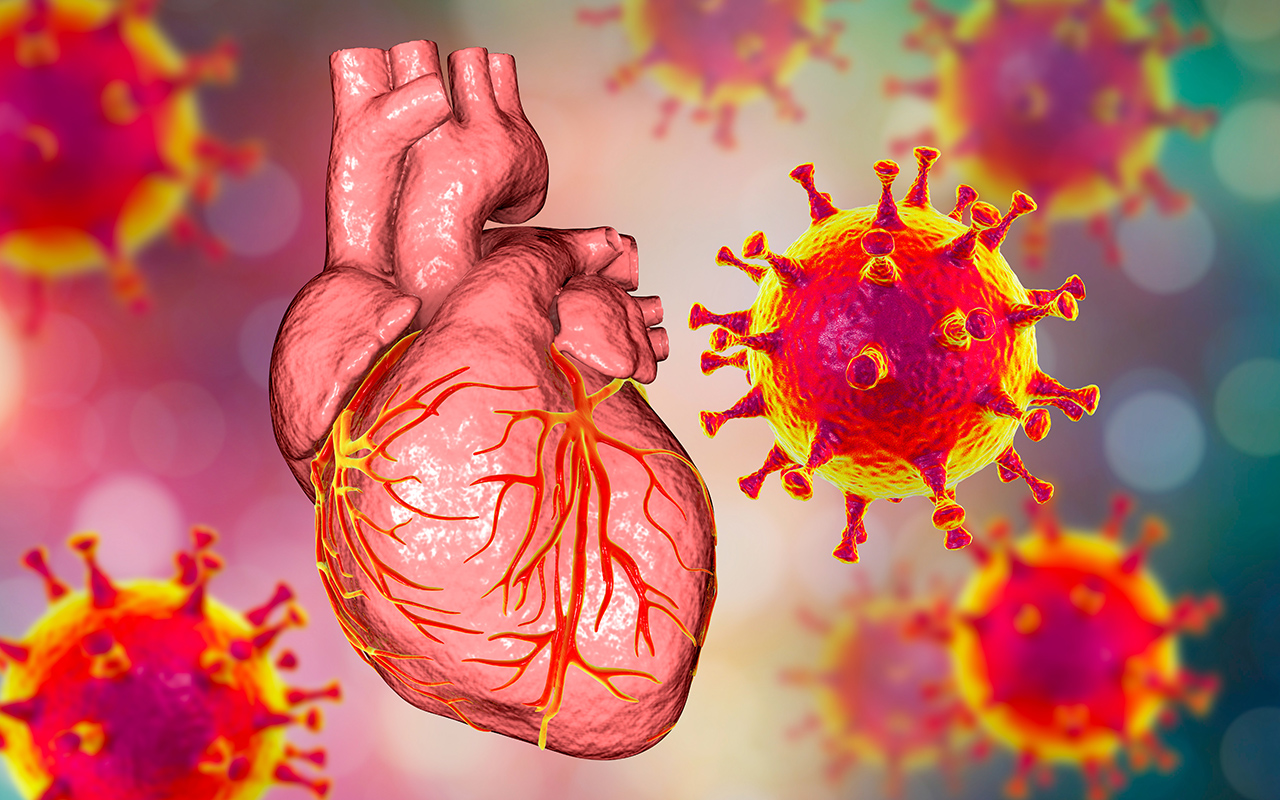
There are many causes of myocarditis, including: bacterial infections, viral infections, parasitic infections, medications, and chemical toxins.
Infectious causes
- Viruses: adenovirus, arbovirus, coxsackievirus, parvovirus B19, hepatitis B and C viruses, HIV, …
- Bacteria: Streptococcus (streptococcal infections), Streptococcus pneumoniae (pneumococcus), Salmonella (typhoid), Shigella, Legionella, …
- Spirochetes: Leptospira, Treponema pallidum (syphilis), Borrelia burgdorferi (Lyme disease), …
- Parasites: Trypanosoma cruzi (Chagas disease), helminth larvae, protozoa, malaria parasites.
Myocarditis most frequently develops as a result of viral infections, particularly in children and pregnant women.
The condition may be accompanied by complications such as heart failure, atrioventricular block, arrhythmias, or thromboembolism.
Non-infectious causes
- Chemical-induced myocarditis: due to exposure to heavy metals, mercury, carbon monoxide, and other toxic agents.
- Radiation-induced myocarditis: occurs after exposure to radiation above 400 rad, either during radiotherapy or accidental exposure to radioactive materials.
- Drug-induced myocarditis: associated with certain medications such as anticancer drugs, emetine, chloroquine, and others.
- Idiopathic myocarditis: in some cases, the exact cause cannot be identified.
These agents may lead to myocarditis either through direct toxic injury to the myocardium or by triggering immune-mediated mechanisms, resulting in myocardial cell damage and necrosis.
Diagnosis
The diagnosis of myocarditis is based on clinical symptoms, cardiac and pulmonary examination, along with paraclinical investigations. Specifically:
- Electrocardiogram (ECG): may reveal conduction abnormalities, atrioventricular block of varying degrees (I, II, or III), particularly sinus tachycardia, nonspecific ST-segment changes, and T-wave abnormalities.
- Chest X-ray: used to assess cardiomegaly (generalized and rapidly progressive) and pulmonary congestion; after appropriate treatment, ECG findings may return to normal.
- Echocardiography: evaluates impaired myocardial contractility, detects pericardial effusion, and identifies mitral regurgitation without evidence of coronary artery disease.

- Blood tests: complete blood count, liver function, kidney function, …
- Antibody testing: evaluation of antibodies against bacteria and viruses that cause the disease.
- Endomyocardial biopsy.
Myocarditis presents with symptoms that are quite similar to many other cardiac conditions, such as infective endocarditis, pericarditis, valvular heart disease, myocardial ischemia, or dilated cardiomyopathy.
Treatment of myocarditis
Can myocarditis be cured? With proper treatment, patients can recover and return to normal daily activities. Treatment strategies are tailored according to the underlying cause and focus on preventing complications.
- Infectious myocarditis (bacterial or parasitic): treated with appropriate antimicrobial or antiparasitic agents.
- Toxin-, drug-, or radiation-induced myocarditis: requires discontinuation of exposure to the offending agents and the use of antidotes or detoxifying medications if available.
- Medications commonly prescribed: angiotensin-converting enzyme (ACE) inhibitors, beta-blockers, diuretics, and corticosteroids, depending on the patient’s condition.
During treatment, patients must combine medication with adequate rest and supportive care. In cases of myocarditis due to leukocytic infiltration or rheumatic fever, strict bed rest is recommended to reduce the risk of complications.
For patients with severe myocarditis who do not respond to medical therapy, extracorporeal circulation (mechanical circulatory support) may be considered as an advanced intervention.
Care for patients with myocarditis
In addition to treatment as directed by physicians, supportive care plays an important role in recovery. Recommended measures include:
- Following a balanced diet rich in vegetables and fruits
- Drinking plenty of fluids, especially warm water
- Sleeping with the head elevated to improve comfort
- Wearing loose, comfortable clothing
- Maintaining a clean, well-ventilated living environment
Prevention of myocarditis
Currently, there is no specific method to completely prevent myocarditis. However, the following measures can help reduce the risk of developing the disease:
- Maintain good personal hygiene; wash hands regularly with soap to prevent infectious spread
- Limit contact with individuals who have viral infections such as influenza, especially for those with weakened immunity or underlying health conditions
- Avoid stimulants and harmful substances such as alcohol, beer, and tobacco, which may worsen disease progression
- Receive vaccinations as recommended by physicians to protect against common infectious agents

Note: The information provided in this article by Hong Ngoc General Hospital is for reference only and is not a substitute for professional medical diagnosis or treatment. Patients should not self-medicate. For an accurate assessment of their condition, patients should visit a hospital for direct examination, diagnosis, and treatment planning by a physician.
Follow the official fanpage of Hong Ngoc General Hospital for more useful health information.