


Leukemia accounts for approximately 25% of all childhood cancers and affects around 2,200 children in the United States each year. Fortunately, the prognosis for this disease is now highly favorable. With appropriate treatment, the majority of affected children achieve complete remission and remain disease-free without recurrence.
What is leukemia?
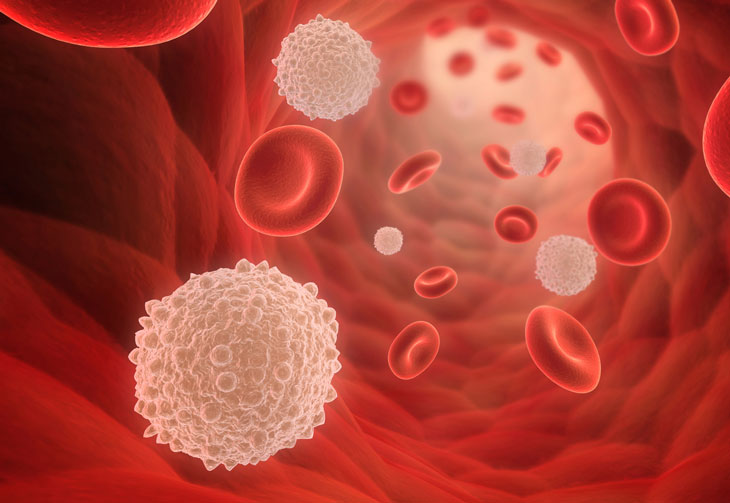
Leukemia is a malignancy of the white blood cells. In children with leukemia, the bone marrow produces an abnormally large number of defective white blood cells.
These abnormal leukocytes accumulate within the bone marrow and enter the bloodstream; however, they are unable to perform their essential role of protecting the body against infections because they are functionally impaired.
As a hematologic malignancy, leukemia is considered a unique form of cancer because it does not involve the formation of a solid tumor. Although malignant cells can circulate in the bloodstream, this does not mean that cancer can be transmitted from one person to another through blood transfusion.
As leukemia progresses, it interferes with the bone marrow’s ability to produce other vital blood components, including red blood cells and platelets (small disc-shaped blood elements responsible for blood clotting). Consequently, patients may develop anemia and bleeding disorders, while their susceptibility to infections increases significantly.
Leukemia accounts for approximately 25% of all childhood cancers and affects around 2,200 children in the United States each year. Fortunately, the prognosis for this disease has improved considerably. With appropriate treatment, the majority of affected children achieve complete remission and remain disease-free without recurrence.
Types of leukemia in children
In general, leukemia is classified into two main categories: acute leukemia, which progresses rapidly, and chronic leukemia, which develops more slowly. In pediatric patients, approximately 98% of leukemia cases are acute.
Acute leukemia in children is further divided into two principal subtypes: acute lymphoblastic leukemia (ALL) and acute myeloid leukemia (AML), depending on the specific type of white blood cell involved. Lymphocytes are a subtype of white blood cells that play a critical role in the body’s immune response.
Approximately 60% of childhood leukemia cases are acute lymphoblastic leukemia (ALL), while about 38% are acute myeloid leukemia (AML). Chronic myeloid leukemia (CML) may also occur in children, although it is considered extremely rare in the pediatric population.
Risk factors for leukemia in children
Acute lymphoblastic leukemia (ALL) occurs most frequently in children between 2 and 8 years of age, with the peak incidence around 4 years old. However, the disease can affect individuals across all age groups.
Children who have an identical twin diagnosed with leukemia before the age of six carry an estimated 20–25% risk of developing ALL or AML themselves. Among non-identical twins and children with a sibling diagnosed with leukemia, the risk is approximately two to four times higher than that of the general pediatric population.
Children with certain genetic disorders are also at increased risk of leukemia, including Down syndrome, Li-Fraumeni syndrome, Klinefelter syndrome, neurofibromatosis, ataxia-telangiectasia, and Fanconi anemia.
In addition, children who have previously undergone chemotherapy or radiation therapy for other malignancies face an elevated risk of developing secondary leukemia, particularly within the first eight years following cancer treatment.

Environmental factors and early detection
Current research also suggests that environmental factors may contribute to the development of leukemia in children. To minimize fetal exposure to ionizing radiation during pregnancy, expectant mothers are often advised to consult their physicians before undergoing diagnostic tests or medical procedures involving radiation, such as X-ray examinations.
Regular medical screening can facilitate the early detection of leukemia, particularly in children considered at higher risk. This includes cases where parents have inherited genetic abnormalities, or when the child has a history of prior cancer treatment or long-term use of immunosuppressive medications associated with organ transplantation.
Symptoms of leukemia
Because the white blood cells responsible for fighting infections are abnormal and functionally impaired, children with leukemia may have an increased susceptibility to infections and recurrent fever. They may also develop anemia, which can cause pallor, unusual fatigue, and shortness of breath during physical activity or play.
Children with leukemia may also bruise easily and experience abnormal bleeding, including frequent nosebleeds or prolonged bleeding even after minor injuries.
Other possible symptoms of leukemia may include:
- Bone or joint pain, which may sometimes cause the child to walk with a limp
- Swollen lymph nodes in the neck, groin, or other areas of the body
- Persistent or unusual fatigue
- Loss of appetite
Approximately 12% of children with acute myeloid leukemia (AML) and 6% of those with acute lymphoblastic leukemia (ALL) may experience central nervous system (CNS) involvement. When leukemia spreads to the brain, it can cause headaches, intracranial hemorrhage, impaired balance, and visual disturbances. If ALL spreads to the lymph nodes within the chest, these enlarged nodes may compress the trachea and major blood vessels, potentially leading to respiratory difficulties and impaired blood circulation to and from the heart.
Therefore, when parents notice any of the above warning signs or unusual symptoms, they should promptly seek medical evaluation for their child in order to obtain timely diagnosis and appropriate treatment.
For consultation regarding pediatric healthcare services at Hong Ngoc General Hospital, please register here:
Note: The information provided in this article by Hong Ngoc General Hospital is for reference purposes only and should not be considered a substitute for professional medical diagnosis or treatment. For an accurate assessment of any medical condition, patients are advised to visit a healthcare facility for direct examination, diagnosis, and consultation with qualified physicians to determine an appropriate treatment plan.
Follow the Pediatrics Department – Hong Ngoc Hospital fanpage HERE to stay updated with useful pediatric health information and the latest healthcare programs and promotions from the hospital.