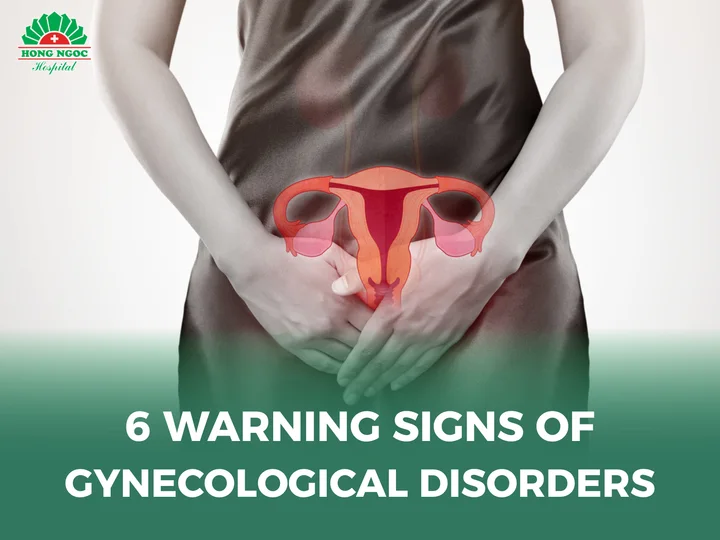

Physicians at Hong Ngoc General Hospital recently performed a surgical procedure lasting more than three hours to remove a uterine fibroid mass weighing 1.3 kg. Notably, the patient had experienced persistent dull abdominal pain but did not seek medical evaluation, as she had mistakenly attributed the symptoms to a digestive disorder.
According to Dr. Chu Thi Nga, Specialist Level I (Obstetrics and Gynecology Department, Hong Ngoc General Hospital): “A considerable number of women tend to underestimate pain in the lower abdominal or pelvic region, assuming it to be a normal physiological phenomenon or a consequence of digestive disturbances. However, such symptoms may represent early warning signs of various serious gynecological disorders.”
Common gynecological disorders in women
Gynecological disorders refer to a spectrum of diseases affecting the female reproductive system, ranging from the vulva and vagina to the cervix, uterus, and ovaries. According to statistics from the World Health Organization (WHO), up to 90% of Vietnamese women of reproductive age experience at least one gynecological condition at some point in their lifetime. These conditions include:
– Infections caused by bacteria, fungi, or viruses, including vaginitis and cervical ectropion–associated cervicitis.
– Endocrine disorders affecting the menstrual cycle and ovulatory function.
– Benign tumors, such as uterine fibroids and ovarian cysts.
– Endometriosis and endometrial polyps.
– Malignant conditions, including cervical cancer and endometrial cancer.
“Gynecological disorders may progress silently over a prolonged period without overt clinical manifestations. Coupled with the hesitation and reluctance commonly observed among many women, numerous patients present to the hospital only when tumors have reached a considerable size or inflammatory lesions have become extensive, thereby necessitating surgical intervention to prevent or limit complications” Dr. Nga noted.
Many women only incidentally discover gynecological disorders during routine general health examinations.
Pain regions associated with gynecological disorders
Pain is one of the most common and earliest warning signs of gynecological diseases.
Lower abdominal pain
The lower abdomen (hypogastric region) is the most common site of pain associated with gynecological disorders. Women may experience only mild, dull pain during menstruation or severe pain accompanied by prolonged abdominal distension.
“Many women assume that lower abdominal pain is a normal physiological response to uterine contractions around the menstrual period. However, it may also serve as a warning sign of common gynecological conditions such as uterine fibroids or ovarian cysts, or even more serious disorders including ovarian torsion and adnexal inflammation,” Dr. Nga explained.
In clinical practice at Hong Ngoc General Hospital, numerous patients presenting with only mild, persistent lower abdominal pain were found on ultrasonography to have large gynecological tumors. One such case involved patient N.H.D. (Hanoi), who experienced hypogastric pain for several months but did not seek medical evaluation. Only after developing menorrhagia did she undergo examination, which revealed multiple uterine fibroids requiring surgical intervention to address anemia caused by prolonged blood loss.
Pelvic pain
Unlike the dull discomfort typically localized to the lower abdomen, pelvic pain is more often described as a sensation of pressure or cramping that may radiate to both flanks or the gluteal region, and is frequently exacerbated by vigorous physical activity or following sexual intercourse. In some cases, women may also experience chills or profuse sweating as a result of prolonged and severe pain.
Pelvic pain commonly serves as a warning sign of adnexal pathology, most notably pelvic inflammatory disease with adhesions, endometriosis, or ectopic pregnancy.
Lower abdominal pain and pelvic pain are the most commonly observed signs associated with serious gynecological disorders.
Vulvar and vaginal pain
Pain in the intimate area (including the vulva and vagina) is often accompanied by symptoms such as burning, stinging, tingling, or pruritus, particularly during urination or following sexual intercourse. These manifestations are commonly indicative of acute infectious or inflammatory conditions requiring prompt treatment, such as vaginitis, cervicitis, or Bartholin gland inflammation. Neglecting pain in the genital region may result in serious consequences, including bilateral fallopian tube obstruction or abscess formation, ultimately affecting long-term quality of life and reproductive potential.
Patient N.T.T. (33 years old) represents a typical and unfortunate example of delayed medical consultation despite persistent genital pain. She presented to the hospital with prolonged chills and severe vulvar swelling to the extent that she was unable to sit upright. Clinical examination led to a diagnosis of a Bartholin gland abscess. Management required incision, thorough drainage, and abscess cavity cleansing to prevent further complications.
Lower back pain
Lower back pain is not only a warning sign of musculoskeletal or spinal disorders but may also represent a common manifestation of gynecological conditions such as uterine fibroids, ovarian cysts causing nerve compression, or posteriorly infiltrating endometriosis.
Lower back pain related to gynecological diseases is typically persistent, may radiate to the hips and thighs, and can significantly impair daily functioning and quality of life.
Pain in other regions
When a tumor or inflammatory lesion involves adjacent nerves or surrounding organs, patients may experience radiating pain to the thighs or buttocks, a sensation of tenesmus (when there is compression of the rectum and gastrointestinal tract), or urinary urgency and dysuria (when the bladder and urinary system are affected). Some women also report a sensation of heaviness or pressure in the buttock region during prolonged sitting, which may indicate the progression of a pelvic mass.
Differentiating pain caused by gynecological disorders from other medical conditions
Pain related to gynecological diseases is often easily confused with symptoms arising from gastrointestinal or urinary tract disorders. To achieve accurate recognition, women may consider key characteristics of the pain, including its nature, location, timing of onset, and associated symptoms, as outlined below:
Comparison between pain caused by gynecological disorders and gastrointestinal or urinary tract conditions.
Comparison of pain locations in gynecological disorders versus gastrointestinal and urinary tract diseases
“For women, the presence of pelvic pain, lower abdominal pain, or lower back pain accompanied by menstrual irregularities, abnormal vaginal discharge, or related symptoms warrants prompt evaluation at a reputable medical facility. Self-treatment at home should be strictly avoided,” Dr. Nga emphasized.
Regular gynecological examinations: early detection, effective treatment
Regular gynecological check-ups represent the most effective approach for early detection and timely management of potentially serious gynecological disorders, particularly in asymptomatic cases. Physicians recommend that women proactively seek evaluation at reputable healthcare facilities when experiencing unusually severe pain or recurrent pain associated with the menstrual cycle, especially when accompanied by abnormalities such as menstrual irregularities or vaginal discharge with unusual color or odor.
“Depending on the specific condition, its severity, and the individual clinical status, physicians will determine appropriate medical therapy or interventional management (minor procedures or surgery). The selected approach aims to address the underlying cause of pain while maximally preserving reproductive function in women who desire future fertility,” Dr. Nga added.
Regular gynecological examinations facilitate early detection and timely treatment of many potentially serious gynecological disorders.
With more than 20 years of experience in reproductive healthcare for millions of Vietnamese women, Hong Ngoc General Hospital has established itself as a trusted destination for the examination and treatment of gynecological disorders. Supported by a team of highly experienced obstetrics and gynecology specialists and advanced medical equipment, the hospital has successfully managed numerous complex cases, including large uterine fibroids, giant ovarian cysts, and cervical cancer.
Notably, Hong Ngoc General Hospital is among the very few private hospitals in Vietnam to simultaneously attain two globally recognized accreditations: the Australian Council on Healthcare Standards International (ACHSI) certification and accreditation from the Royal College of Surgeons (RCS) of England. These prestigious certifications underscore the hospital’s clinical excellence, as well as its adherence to professional, safe, and patient-centered standards of care.
For consultation and support, please contact the hotline at +84 916 690 018.
Hong Ngoc General Hospital: 55 Yen Ninh Street, Ba Dinh Ward, Hanoi.
Hong Ngoc Phuc Truong Minh General Hospital: No. 8 Chau Van Liem Street, Tu Liem Ward, Hanoi.
Note: The medical information provided is for reference purposes only and does not substitute for professional diagnosis or treatment. For an accurate assessment of your condition, please visit a qualified healthcare facility for appropriate medical evaluation.

Physicians at Hong Ngoc General Hospital recently performed a surgical procedure lasting more than three hours to remove a uterine fibroid mass weighing 1.3 kg. Notably, the patient had experienced persistent dull abdominal pain but did not seek medical evaluation, as she had mistakenly attributed the symptoms to a digestive disorder.
According to Dr. Chu Thi Nga, Specialist Level I (Obstetrics and Gynecology Department, Hong Ngoc General Hospital): “A considerable number of women tend to underestimate pain in the lower abdominal or pelvic region, assuming it to be a normal physiological phenomenon or a consequence of digestive disturbances. However, such symptoms may represent early warning signs of various serious gynecological disorders.”
Common gynecological disorders in women
Gynecological disorders refer to a spectrum of diseases affecting the female reproductive system, ranging from the vulva and vagina to the cervix, uterus, and ovaries. According to statistics from the World Health Organization (WHO), up to 90% of Vietnamese women of reproductive age experience at least one gynecological condition at some point in their lifetime. These conditions include:
– Infections caused by bacteria, fungi, or viruses, including vaginitis and cervical ectropion–associated cervicitis.
– Endocrine disorders affecting the menstrual cycle and ovulatory function.
– Benign tumors, such as uterine fibroids and ovarian cysts.
– Endometriosis and endometrial polyps.
– Malignant conditions, including cervical cancer and endometrial cancer.
“Gynecological disorders may progress silently over a prolonged period without overt clinical manifestations. Coupled with the hesitation and reluctance commonly observed among many women, numerous patients present to the hospital only when tumors have reached a considerable size or inflammatory lesions have become extensive, thereby necessitating surgical intervention to prevent or limit complications” Dr. Nga noted.
Many women only incidentally discover gynecological disorders during routine general health examinations.
Pain regions associated with gynecological disorders
Pain is one of the most common and earliest warning signs of gynecological diseases.
Lower abdominal pain
The lower abdomen (hypogastric region) is the most common site of pain associated with gynecological disorders. Women may experience only mild, dull pain during menstruation or severe pain accompanied by prolonged abdominal distension.
“Many women assume that lower abdominal pain is a normal physiological response to uterine contractions around the menstrual period. However, it may also serve as a warning sign of common gynecological conditions such as uterine fibroids or ovarian cysts, or even more serious disorders including ovarian torsion and adnexal inflammation,” Dr. Nga explained.
In clinical practice at Hong Ngoc General Hospital, numerous patients presenting with only mild, persistent lower abdominal pain were found on ultrasonography to have large gynecological tumors. One such case involved patient N.H.D. (Hanoi), who experienced hypogastric pain for several months but did not seek medical evaluation. Only after developing menorrhagia did she undergo examination, which revealed multiple uterine fibroids requiring surgical intervention to address anemia caused by prolonged blood loss.
Pelvic pain
Unlike the dull discomfort typically localized to the lower abdomen, pelvic pain is more often described as a sensation of pressure or cramping that may radiate to both flanks or the gluteal region, and is frequently exacerbated by vigorous physical activity or following sexual intercourse. In some cases, women may also experience chills or profuse sweating as a result of prolonged and severe pain.
Pelvic pain commonly serves as a warning sign of adnexal pathology, most notably pelvic inflammatory disease with adhesions, endometriosis, or ectopic pregnancy.
Lower abdominal pain and pelvic pain are the most commonly observed signs associated with serious gynecological disorders.
Vulvar and vaginal pain
Pain in the intimate area (including the vulva and vagina) is often accompanied by symptoms such as burning, stinging, tingling, or pruritus, particularly during urination or following sexual intercourse. These manifestations are commonly indicative of acute infectious or inflammatory conditions requiring prompt treatment, such as vaginitis, cervicitis, or Bartholin gland inflammation. Neglecting pain in the genital region may result in serious consequences, including bilateral fallopian tube obstruction or abscess formation, ultimately affecting long-term quality of life and reproductive potential.
Patient N.T.T. (33 years old) represents a typical and unfortunate example of delayed medical consultation despite persistent genital pain. She presented to the hospital with prolonged chills and severe vulvar swelling to the extent that she was unable to sit upright. Clinical examination led to a diagnosis of a Bartholin gland abscess. Management required incision, thorough drainage, and abscess cavity cleansing to prevent further complications.
Lower back pain
Lower back pain is not only a warning sign of musculoskeletal or spinal disorders but may also represent a common manifestation of gynecological conditions such as uterine fibroids, ovarian cysts causing nerve compression, or posteriorly infiltrating endometriosis.
Lower back pain related to gynecological diseases is typically persistent, may radiate to the hips and thighs, and can significantly impair daily functioning and quality of life.
Pain in other regions
When a tumor or inflammatory lesion involves adjacent nerves or surrounding organs, patients may experience radiating pain to the thighs or buttocks, a sensation of tenesmus (when there is compression of the rectum and gastrointestinal tract), or urinary urgency and dysuria (when the bladder and urinary system are affected). Some women also report a sensation of heaviness or pressure in the buttock region during prolonged sitting, which may indicate the progression of a pelvic mass.
Differentiating pain caused by gynecological disorders from other medical conditions
Pain related to gynecological diseases is often easily confused with symptoms arising from gastrointestinal or urinary tract disorders. To achieve accurate recognition, women may consider key characteristics of the pain, including its nature, location, timing of onset, and associated symptoms, as outlined below:
Comparison between pain caused by gynecological disorders and gastrointestinal or urinary tract conditions.
Comparison of pain locations in gynecological disorders versus gastrointestinal and urinary tract diseases
“For women, the presence of pelvic pain, lower abdominal pain, or lower back pain accompanied by menstrual irregularities, abnormal vaginal discharge, or related symptoms warrants prompt evaluation at a reputable medical facility. Self-treatment at home should be strictly avoided,” Dr. Nga emphasized.
Regular gynecological examinations: early detection, effective treatment
Regular gynecological check-ups represent the most effective approach for early detection and timely management of potentially serious gynecological disorders, particularly in asymptomatic cases. Physicians recommend that women proactively seek evaluation at reputable healthcare facilities when experiencing unusually severe pain or recurrent pain associated with the menstrual cycle, especially when accompanied by abnormalities such as menstrual irregularities or vaginal discharge with unusual color or odor.
“Depending on the specific condition, its severity, and the individual clinical status, physicians will determine appropriate medical therapy or interventional management (minor procedures or surgery). The selected approach aims to address the underlying cause of pain while maximally preserving reproductive function in women who desire future fertility,” Dr. Nga added.
Regular gynecological examinations facilitate early detection and timely treatment of many potentially serious gynecological disorders.
With more than 20 years of experience in reproductive healthcare for millions of Vietnamese women, Hong Ngoc General Hospital has established itself as a trusted destination for the examination and treatment of gynecological disorders. Supported by a team of highly experienced obstetrics and gynecology specialists and advanced medical equipment, the hospital has successfully managed numerous complex cases, including large uterine fibroids, giant ovarian cysts, and cervical cancer.
Notably, Hong Ngoc General Hospital is among the very few private hospitals in Vietnam to simultaneously attain two globally recognized accreditations: the Australian Council on Healthcare Standards International (ACHSI) certification and accreditation from the Royal College of Surgeons (RCS) of England. These prestigious certifications underscore the hospital’s clinical excellence, as well as its adherence to professional, safe, and patient-centered standards of care.
For consultation and support, please contact the hotline at +84 916 690 018.
Hong Ngoc General Hospital: 55 Yen Ninh Street, Ba Dinh Ward, Hanoi.
Hong Ngoc Phuc Truong Minh General Hospital: No. 8 Chau Van Liem Street, Tu Liem Ward, Hanoi.
Note: The medical information provided is for reference purposes only and does not substitute for professional diagnosis or treatment. For an accurate assessment of your condition, please visit a qualified healthcare facility for appropriate medical evaluation.
Để lại câu hỏi của bạn để nhận được giải đáp từ các bác sĩ của Hồng Ngọc
Lorem ipsum dolor
Lorem ipsum dolor sit amet, consectetur adipiscing elit. Mauris odio lectus, pretium faucibus nisi eu, accumsan consectetur orci. In blandit vehicula nisl, vel lacinia ligula finibus a. Donec fermentum rhoncus