


Pregnancy is a period marked by substantial hormonal, circulatory, respiratory, and metabolic changes in a woman’s body. As a result, sudden changes in weather may leave many pregnant women feeling more fatigued, sluggish, drowsy, mildly dizzy, or less able to concentrate than usual.
These symptoms are particularly common during seasonal transitions, hot and humid conditions, periods of high humidity, sudden cold spells, prolonged rainfall, or poor air quality. In most cases, mild fatigue improves with adequate rest, proper hydration, a balanced diet, and sufficient sleep. However, pregnant women should not overlook fatigue that persists, progressively worsens, or is accompanied by other abnormal symptoms during pregnancy.
Quick answer: Pregnant women may experience increased fatigue when the weather changes because the body must adapt to environmental fluctuations while simultaneously meeting the physiological demands of fetal growth and development. Changes in body temperature regulation, blood circulation, hormonal levels, respiratory function, hydration requirements, and sleep quality may all contribute to increased fatigue. However, fatigue during pregnancy may also be associated with anemia, gestational diabetes, thyroid disorders, dehydration, preeclampsia, infection, or other medical conditions. Therefore, any accompanying warning signs should be closely monitored.

Warning signs requiring urgent medical evaluation or emergency care: Shortness of breath, chest pain, fainting, severe palpitations, a severe or persistent headache, blurred vision, marked swelling of the face or hands, severe abdominal pain or regular cramping, vaginal bleeding, leakage of amniotic fluid, reduced fetal movement, high fever, persistent vomiting with inability to eat or drink, seizures, or extreme weakness with reduced alertness.
Medical review: This article was medically reviewed by Dr. Do Danh Truong, Specialist Level I physician, Obstetrics and Gynecology Department, Hong Ngoc Phuc Truong Minh General Hospital.
Medical disclaimer: This article is intended for informational purposes only and does not replace medical diagnosis, professional advice, or routine antenatal care provided by a qualified physician. Pregnant women should not self-medicate with supplements, iron, vitamins, antiemetics, cold and flu medications, sleeping pills, sedatives, or dietary supplements without medical advice. Urgent medical evaluation or emergency care is required if fatigue is accompanied by shortness of breath, chest pain, fainting, a severe headache, blurred vision, marked swelling of the face or hands, vaginal bleeding, leakage of amniotic fluid, regular abdominal cramping, reduced fetal movement, high fever, or persistent vomiting with inability to eat or drink.
Article summary
Why are pregnant women more prone to fatigue when the weather changes?
During pregnancy, the body must not only maintain the mother’s normal physiological functions but also provide the fetus with a stable environment, adequate oxygen, and essential nutrients for growth and development. When weather conditions change, the maternal body must activate additional adaptive mechanisms, including thermoregulation, blood pressure adjustment, maintenance of fluid and electrolyte balance, and preservation of adequate placental circulation.
According to Dr. Do Danh Truong, Specialist Level I physician, Obstetrics and Gynecology Department, Hong Ngoc Phuc Truong Minh General Hospital: “Pregnant women are generally more sensitive to changes in weather because their cardiovascular, respiratory, and metabolic systems are working harder to meet the physiological demands of both the mother and the developing fetus. However, if fatigue persists or is accompanied by shortness of breath, headache, marked swelling, reduced fetal movement, or elevated blood pressure, medical evaluation should be sought promptly to rule out pregnancy-related complications.”
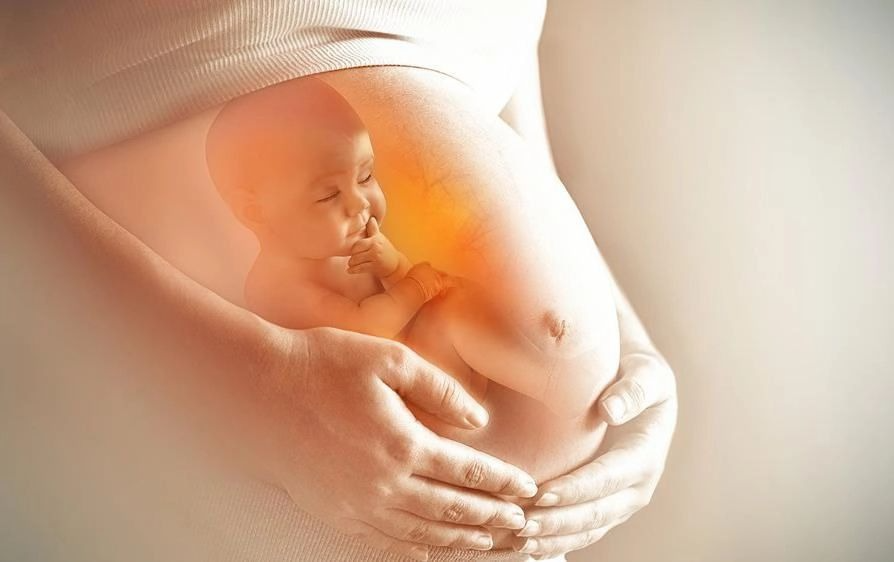
The body must adapt to multiple changes at the same time
A non-pregnant person mainly needs to adapt to changes in the environment. In contrast, a pregnant woman must simultaneously:
- adapt to changes in weather;
- maintain placental function;
- support fetal growth;
- meet increased circulatory and metabolic demands;
- continuously regulate hormonal activity;
- maintain adequate sleep, nutrition, and maternal well-being.
When multiple physiological demands occur at the same time, fatigue, drowsiness, a feeling of heaviness, or reduced stamina may become more noticeable, especially if the pregnant woman is sleep-deprived, eating poorly, dehydrated, or has an underlying medical condition.
Physiological changes during pregnancy that make fatigue more common
Increased oxygen demand and cardiopulmonary workload
During pregnancy, the heart, lungs, and circulatory system work harder to supply oxygen and nutrients to the fetus. Along with hormonal changes and increased requirements for fluids and energy, the maternal body becomes more sensitive to environmental factors and may feel more fatigued when the weather changes.
In hot weather, sudden cold spells, or fluctuating humidity, the body must expend additional energy to regulate body temperature. As a result, many pregnant women may experience drowsiness, sluggishness, or reduced stamina. These symptoms often improve with rest, adequate sleep, and sufficient hydration. However, if fatigue persists or progressively worsens, medical evaluation is recommended to identify the underlying cause.

Increased blood volume during pregnancy
During pregnancy, blood volume increases to support the fetus and placenta and to prepare the body for childbirth. This increase improves the delivery of oxygen and nutrients but also places greater demands on the cardiovascular system.
When the weather changes, particularly on hot days, the body must also adjust blood flow to the skin to dissipate heat. This combination may cause fatigue, mild dizziness, or reduced stamina, especially when standing for long periods, changing position quickly, or not drinking enough fluids.
Hormonal changes can increase drowsiness and low energy
Progesterone acts on the endometrium, reduces uterine contractions, and also affects the nervous system, producing a mild sedative effect that may cause drowsiness and slower thinking and reflexes.
Progesterone also causes vasodilation and reduces peripheral vascular resistance, which can lower maternal blood pressure compared with pre-pregnancy levels and contribute to drowsiness, poor concentration, dizziness, and fatigue.
When weather changes disrupt sleep, such as hot conditions that make it difficult to sleep, uncomfortable high humidity, or cold weather that causes frequent awakenings, fatigue may become more pronounced.

Increased fluid and metabolic requirements
Fluid requirements during pregnancy increase by approximately 40% to support the expansion of circulating blood volume and amniotic fluid production. Inadequate fluid intake may therefore lead to relative hypovolemia and reduced cerebral perfusion, causing postural dizziness, fatigue, and headache. In hot weather, with excessive sweating or pregnancy-related vomiting, the risk of dehydration increases. Dehydration may cause fatigue, headache, dizziness, palpitations, reduced urine output, or muscle cramps.
Pregnancy is also a period of increased energy expenditure and basal metabolic activity to support the development of fetal organs, blood vessels, uterine muscle, and breast tissue. Because energy and nutrients are preferentially directed toward these physiological processes, pregnant women may experience reduced concentration and increased drowsiness.
Dr. Truong also noted: “Blood glucose levels may fluctuate more markedly during pregnancy, particularly before and after meals. Pregnant women may feel weak when hungry and drowsy after eating. During fasting, glucose must continue to meet the needs of both the mother and fetus, so glycogen stores may be mobilized more rapidly than in non-pregnant individuals. This can result in lower maternal fasting blood glucose levels, causing tremor, fatigue, lightheadedness, irritability, and difficulty concentrating. After adequate energy intake, increased blood flow to the gastrointestinal tract may contribute to drowsiness and reduced concentration for one to two hours after a meal.”

Fatigue during pregnancy by trimester
Fatigue can occur at any stage of pregnancy, but the underlying causes often vary by trimester.
If fatigue is accompanied by any abnormal symptoms at any stage of pregnancy, pregnant women should seek medical evaluation promptly rather than assuming the fatigue is caused by weather changes.
How do weather conditions affect pregnant women?
High temperatures
In hot weather, the body increases sweating and causes vasodilation to dissipate heat. During pregnancy, the body must work harder to regulate temperature for both the mother and the fetus, which can make pregnant women more prone to fatigue on hot days.
Hot weather may increase the risk of:
- dehydration;
- dizziness;
- headache;
- extreme fatigue;
- muscle cramps;
- nausea;
- rapid heart rate;
- heat exhaustion.
Pregnant women should avoid going outdoors during periods of intense heat, drink fluids regularly, rest in a cool and well-ventilated environment, and avoid excessive physical exertion in hot weather.

High humidity
High humidity reduces the efficiency of heat dissipation through the skin. When sweat does not evaporate effectively, the body has more difficulty cooling itself, which may leave pregnant women feeling heavy, uncomfortable, overheated, sleep-deprived, and persistently fatigued.
On humid or hot and humid days, pregnant women should wear lightweight, breathable, moisture-wicking clothing, keep indoor spaces well ventilated, avoid staying for long periods in enclosed and humid environments, and maintain good skin hygiene to reduce discomfort.
Sudden cold weather
When temperatures drop rapidly, the body must increase heat production and induce peripheral vasoconstriction to maintain a stable body temperature. This process may make pregnant women feel more sluggish, particularly if they are sleeping poorly, eating inadequately, or physically inactive.
Pregnant women should keep the neck, chest, and feet warm, avoid bathing late at night, avoid exposure to cold air immediately after bathing, and avoid sudden temperature changes.
Humid weather, prolonged rainfall, and poor air quality
Humid weather and prolonged rainfall can increase mold, household dust, and environmental allergens. Poor air quality, fine particulate matter, or air pollution may irritate the respiratory tract, causing rhinitis, cough, sleep disturbance, or increased fatigue in pregnant women.
Pregnant women with pre-existing asthma, allergic rhinitis, sinusitis, or other respiratory conditions should monitor their symptoms more closely when the weather changes.
Changes in atmospheric pressure
Some people who are particularly sensitive to weather changes may experience headache, dizziness, or discomfort when the weather changes rapidly, before storms, or when atmospheric pressure fluctuates. However, in pregnant women, fatigue should not be attributed solely to changes in atmospheric pressure.
Greater attention should be paid to other important factors, such as dehydration, sleep deprivation, anemia, blood glucose levels, blood pressure, infection, and abnormal symptoms during pregnancy.

Can fatigue caused by weather changes affect the fetus?
In most cases, mild fatigue related to weather changes does not directly affect the fetus. If the pregnant woman is still able to eat and drink, sleep reasonably well, has no high fever, shortness of breath, abdominal pain, or vaginal bleeding, and fetal movement is normal at the stage when it should be monitored, she can rest and continue to observe her symptoms.
However, if persistent fatigue leads to:
- poor food intake;
- frequent vomiting;
- dehydration;
- recurrent sleep disturbance;
- excessive reduction in physical activity;
- weight loss;
- poor adherence to antenatal visits;
- signs of medical conditions such as anemia, gestational diabetes, preeclampsia, or infection,
maternal health may be affected, which can in turn indirectly affect the pregnancy.
Therefore, pregnant women should maintain adequate nutrition, get appropriate rest, monitor fetal movement as advised by their doctor, and attend regular antenatal check-ups.

Fatigue is not always caused by weather: medical conditions that should be ruled out
Fatigue is common during pregnancy, but it should not automatically be attributed to weather changes. If fatigue persists, progressively worsens, or is accompanied by abnormal symptoms, underlying medical conditions should be considered.
Anemia during pregnancy
Iron-deficiency anemia is a common cause of fatigue during pregnancy. Pregnant women may experience:
- persistent fatigue;
- lightheadedness;
- dizziness;
- pale skin;
- rapid heartbeat;
- shortness of breath on exertion;
- difficulty concentrating.
The World Health Organization (WHO) recommends daily iron and folic acid supplementation during pregnancy to help prevent maternal anemia. However, the dosage and formulation should follow the advice of a physician or other qualified healthcare professional. Pregnant women should not take high-dose iron supplements without medical guidance, particularly if they have severe constipation, gastrointestinal disorders, or are taking multiple vitamin supplements at the same time.

Gestational diabetes
Gestational diabetes may cause fatigue, excessive thirst, frequent urination, abnormal weight gain, or sometimes no obvious symptoms. Therefore, pregnant women should attend routine antenatal visits and undergo gestational diabetes screening as scheduled.
If gestational diabetes has already been diagnosed, they should follow the recommended diet and physical activity plan, monitor blood glucose levels, and attend follow-up appointments as advised.
Thyroid dysfunction
The thyroid gland plays an important role in energy metabolism. Thyroid dysfunction during pregnancy may cause fatigue, drowsiness, abnormal weight gain, palpitations, hand tremors, irritability, constipation, or difficulty concentrating.
Pregnant women with a history of thyroid disease, a family history of thyroid disorders, or persistent symptoms should discuss these concerns with their doctor for appropriate evaluation.

Preeclampsia
Fatigue accompanied by a severe or persistent headache, blurred vision, lightheadedness, epigastric pain, significant nausea, shortness of breath, marked swelling of the face or hands, or high blood pressure may be warning signs of preeclampsia. This condition requires prompt medical evaluation.
Pregnant women should not rely on home monitoring alone if these symptoms occur, particularly during the second half of pregnancy.
Severe nausea and vomiting or dehydration
Frequent vomiting, inability to eat or drink, reduced urination, dizziness, dry lips, and extreme fatigue may indicate dehydration or severe nausea and vomiting of pregnancy. Medical evaluation is needed to prevent adverse effects on maternal health.
Infection or respiratory illness
Seasonal changes may increase the risk of colds, influenza, or other respiratory illnesses. If fatigue is accompanied by fever, persistent cough, sore throat, shortness of breath, chest pain, or poor oral intake, pregnant women should seek medical care for pregnancy-safe evaluation and treatment.
Sleep disorders, anxiety, or depression during pregnancy
Persistent insomnia, anxiety, sadness, frequent crying, loss of interest, changes in appetite, or prolonged exhaustion may also contribute to increased fatigue during pregnancy. These symptoms should not be dismissed as simply being “emotionally weak,” but should be appropriately assessed and supported.

When is fatigue a warning sign?
Depending on the severity of fatigue and accompanying symptoms, pregnant women may monitor their condition at home, seek medical evaluation promptly, or require emergency care.
Pregnant women should seek medical evaluation if they experience:
- Fatigue lasting more than 1 week.
- Progressive fatigue that interferes with daily activities.
- Shortness of breath, significant breathlessness, or chest discomfort.
- Persistent palpitations.
- Swelling of the face or hands, or rapidly worsening edema.
- Frequent dizziness, fainting, or a feeling of near-fainting.
- Severe or persistent headache, or blurred vision.
- High fever, chills, persistent cough, or severe sore throat.
- Frequent vomiting, inability to eat or drink, or reduced urination.
- Vaginal bleeding, leakage of vaginal fluid, or intermittent abdominal pain.
- Reduced fetal movement compared with normal if the pregnancy has reached the stage when fetal movement should be monitored.
Depending on the clinical situation, the doctor may order a complete blood count, ferritin or serum iron testing, blood glucose testing, an oral glucose tolerance test, thyroid function tests, urinalysis, blood pressure measurement, fetal ultrasound, or other investigations as indicated.

Safe ways to reduce fatigue during pregnancy
Stay adequately hydrated
Fluid requirements are generally higher during pregnancy than in non-pregnant individuals. Adequate hydration helps support circulation, regulate body temperature, reduce the risk of dizziness, and prevent fatigue related to dehydration.
Pregnant women should drink fluids regularly throughout the day and increase intake during hot weather, heavy sweating, or physical activity. Fluids can also be obtained from soups, milk as appropriate, and water-rich fruits. If fluid restriction is required because of an underlying medical condition, intake should follow the doctor’s specific recommendations.

Get enough sleep and adequate rest
Pregnant women should aim for around 7–9 hours of sleep each night, if possible, and take short rests during the day when feeling tired. Maintaining a relatively consistent sleep schedule, limiting caffeine later in the day, avoiding prolonged phone use before bedtime, and keeping the sleeping environment well ventilated and comfortable may help improve sleep quality.
During the third trimester, supportive pillows may be used, and sleeping on the left side or in a position recommended by the doctor may help improve comfort.
Maintain a balanced diet and eat smaller, more frequent meals
A balanced diet provides the energy and essential nutrients needed by both the mother and the fetus. Pregnant women should prioritize:
- lean meat;
- fish that is safe during pregnancy;
- eggs;
- milk or suitable dairy products if well tolerated;
- green vegetables;
- fruits;
- legumes;
- whole grains;
- healthy fats.
If nausea or poor appetite occurs, meals should be divided into smaller portions, with soft and easily digestible foods preferred. Pregnant women should avoid going for prolonged periods without eating and should not follow restrictive diets without medical guidance.

Take iron, folic acid, and vitamins as prescribed
Iron, folic acid, and other micronutrients play important roles during pregnancy, but pregnant women should not take high doses or combine multiple dietary supplements without medical advice. Supplementation should be based on gestational age, laboratory results, diet, and overall health status.
If iron supplements cause nausea, constipation, abdominal pain, or discomfort, pregnant women should consult their doctor to adjust the formulation, timing, or method of administration.
Engage in appropriate physical activity
Light activities such as walking, prenatal yoga, gentle swimming, or stretching exercises can help improve circulation, reduce aches and discomfort, support better sleep, and reduce fatigue.
Physical activity should be appropriate for gestational age and individual health status. Pregnant women should avoid exercise if they are experiencing dizziness, abdominal pain, vaginal bleeding, shortness of breath, chest pain, or have been advised by their doctor to limit physical activity.

In hot weather: stay cool and prevent dehydration
On hot days, pregnant women should:
- avoid going outdoors during periods of intense heat;
- wear loose, breathable, moisture-wicking clothing;
- drink water regularly;
- rest in a cool, well-ventilated environment;
- avoid strenuous exercise or prolonged standing outdoors;
- carry water when traveling.
If extreme fatigue, dizziness, headache, nausea, muscle cramps, excessive sweating, or a feeling of near-fainting occurs, pregnant women should rest immediately in a cool place, sip water, and seek medical care if symptoms do not improve.
In cold weather: keep warm and avoid sudden temperature changes
In cold weather, pregnant women should keep the neck, chest, abdomen, hands, and feet warm and wear several light layers that can be adjusted easily. They should avoid bathing late at night, using very cold water, or going out into cold air immediately after bathing.
Pregnant women with asthma, cardiovascular disease, hypertension, or a tendency to experience shortness of breath should monitor their symptoms more closely during cold spells.
In humid weather or poor air quality: protect the respiratory system
Humid conditions can increase mold, household dust, and allergens. Pregnant women should keep indoor spaces well ventilated, clean bedding regularly, address dampness and mold, avoid tobacco smoke, and limit exposure to dust.
When air quality is poor, outdoor activities should be limited, an appropriate mask should be worn when going outside, and respiratory symptoms such as cough, wheezing, or shortness of breath should be monitored.
Attend regular antenatal check-ups
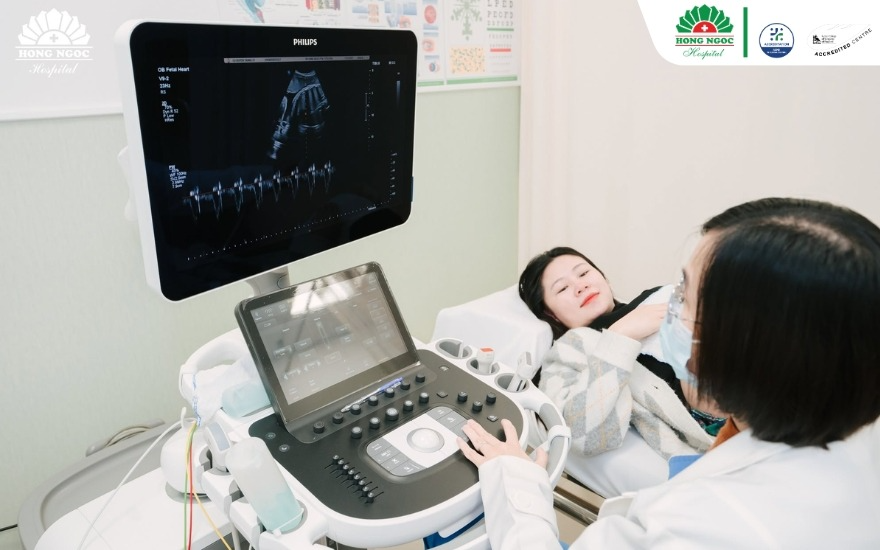
Regular antenatal visits help detect conditions that may cause fatigue, such as anemia, gestational diabetes, thyroid dysfunction, preeclampsia, infection, or abnormal fetal growth.
Pregnant women should not skip antenatal appointments simply because they assume their fatigue is caused by the weather.

Frequently asked questions
Is fatigue during pregnancy when the weather changes normal?
It can be normal if the fatigue is mild, occurs after a change in weather, improves with rest, adequate hydration, and proper nutrition, and is not accompanied by any warning signs. However, if fatigue persists, progressively worsens, or is accompanied by shortness of breath, chest pain, severe headache, marked swelling, vaginal bleeding, leakage of amniotic fluid, or reduced fetal movement, medical evaluation is recommended.
What should pregnant women do if they feel fatigued in hot weather?
Pregnant women should rest in a cool, well-ventilated environment, stay adequately hydrated, avoid going outdoors during periods of intense heat, wear breathable clothing, and maintain adequate nutrition. If extreme fatigue, significant dizziness, or signs of heat exhaustion occur, medical evaluation should be sought promptly.
Do pregnant women with fatigue need iron supplements?
Iron supplementation may be needed if there is a risk of iron deficiency or if iron deficiency or anemia has been diagnosed. However, pregnant women should not take high-dose iron supplements without medical advice. Iron, folic acid, and vitamin supplementation should follow the recommendations of a doctor or qualified healthcare professional.
Can fatigue during pregnancy be a sign of anemia?
Yes. Anemia during pregnancy may cause persistent fatigue, lightheadedness, dizziness, pale skin, rapid heartbeat, or shortness of breath on exertion. However, anemia is not the only possible cause. Pregnant women should attend routine antenatal visits and undergo blood tests as scheduled to identify potential underlying causes of fatigue.
Is fatigue accompanied by headache during pregnancy dangerous?
A mild, temporary headache may be related to sleep deprivation, dehydration, or weather changes. However, a severe or persistent headache accompanied by blurred vision, marked swelling of the face or hands, epigastric pain, or high blood pressure may be a warning sign of preeclampsia and requires immediate medical evaluation.
Should pregnant women seek medical care if reduced fetal movement is accompanied by fatigue?
Yes. If the pregnancy has reached the stage when fetal movement should be monitored and the mother notices a clear reduction in fetal movement compared with usual, she should seek medical care immediately, particularly if it is accompanied by extreme fatigue, abdominal pain, vaginal bleeding, or leakage of amniotic fluid.
When should pregnant women seek medical evaluation for fatigue?
Medical evaluation is recommended if fatigue lasts for more than 1 week, interferes with daily activities, is associated with poor food intake or persistent sleep disturbance, or is accompanied by shortness of breath, chest pain, palpitations, marked swelling, frequent dizziness, high fever, persistent vomiting, severe headache, vaginal bleeding, leakage of amniotic fluid, or reduced fetal movement.
Is excessive drowsiness when the weather changes normal during pregnancy?
It can be normal if there are no warning signs and the drowsiness improves with rest. However, if drowsiness is excessive, fatigue persists, or daily activities are affected, pregnant women should seek medical evaluation to rule out anemia or other health conditions during pregnancy.
Can fatigue caused by weather changes during the first trimester affect the fetus?
It generally does not affect the fetus if the mother continues to eat, drink, and rest adequately. However, if fatigue is associated with poor food intake, frequent vomiting, or prolonged dehydration, medical evaluation and monitoring are recommended.
Is dizziness during seasonal weather changes dangerous in pregnancy?
Mild dizziness may be related to changes in blood pressure, dehydration, or sleep deprivation. However, if dizziness occurs frequently, causes fainting, or is accompanied by shortness of breath, headache, or blurred vision, pregnant women should seek medical evaluation promptly to rule out pregnancy-related complications.
Where should pregnant women in Hanoi seek care for persistent fatigue?
If fatigue persists for several days, interferes with daily activities, or is accompanied by symptoms such as dizziness, shortness of breath, headache, marked swelling, or reduced fetal movement, pregnant women should seek medical evaluation promptly.
At the Department of Obstetrics, Hong Ngoc General Hospital, pregnant women receive comprehensive antenatal care from experienced obstetrics and gynecology specialists, supported by a modern pregnancy management system.
Regular antenatal check-ups not only help monitor maternal health but also allow close assessment of fetal growth and development, enabling an appropriate care plan for each stage of pregnancy. Pregnant women may contact the hotline at 024 3927 5568 or submit their information through the contact form to receive further consultation.
Conclusion
Fatigue during pregnancy when the weather changes is relatively common because the body must adapt to environmental fluctuations while also meeting the demands of fetal growth and development. Factors such as hot and humid weather, sudden cold spells, high humidity, dehydration, poor sleep, and circulatory and hormonal changes may all make pregnant women feel more fatigued.
However, fatigue during pregnancy should not always be attributed to weather changes. Persistent fatigue or fatigue accompanied by shortness of breath, chest pain, palpitations, severe headache, marked swelling, vaginal bleeding or fluid leakage, reduced fetal movement, high fever, or persistent vomiting should be medically evaluated promptly.
p gtb