



Chronic hypertrophic tonsillitis in children is a condition in which the tonsils remain persistently enlarged, leading to airway obstruction, difficulty swallowing, and impaired growth and development. The main causes include recurrent infections, allergic predisposition, or weakened immunity. Treatment focuses on controlling infection, relieving symptoms, and considering surgical intervention if the condition significantly affects the child’s health.
What is chronic hypertrophic tonsillitis in children?
Chronic hypertrophic tonsillitis in children often develops as a consequence of acute tonsillitis that is not treated promptly or appropriately, eventually progressing into chronic hypertrophic tonsillitis. The condition tends to recur multiple times, with the tonsils becoming more swollen than their normal anatomical size.
This disease can affect individuals of all ages, from children to adults. It may involve one or both palatine tonsils, and is therefore also referred to as unilateral or bilateral hypertrophic tonsillitis.
common symptoms include throat pain or burning sensation, a persistent feeling of obstruction in the throat, fatigue, and loss of appetite, all of which reduce the patient’s quality of life. If not diagnosed and treated in time, the condition may lead to serious complications that negatively impact overall health.
Causes of chronic hypertrophic tonsillitis in children
- Bacterial and viral infections Several pathogens can trigger hypertrophic tonsillitis in children, including adenoviruses, parainfluenza viruses, and group a streptococcus.
- Tonsillar structure The tonsils contain multiple crypts that can trap food particles and microorganisms during eating. Without proper daily oral hygiene, this environment facilitates recurrent infections and hypertrophy.
- Sudden weather changes Abrupt changes in temperature or seasonal transitions may compromise the body’s adaptability, making the tonsils more vulnerable to inflammation and infection.
- Underlying respiratory illnesses Children with a history of respiratory conditions such as influenza, pertussis, or measles are at increased risk of developing chronic tonsillitis if not properly managed.
- Exposure to cold Frequent consumption of cold foods or prolonged exposure to cold environments may predispose children to tonsillar inflammation and hypertrophy.
- Other contributing factors Poor nutrition, weakened immune function, and exposure to polluted or dusty environments are additional risk factors for chronic hypertrophic tonsillitis in children.

Four grades of chronic hypertrophic tonsillitis in children
Chronic hypertrophic tonsillitis in children is classified into four grades, each characterized by a different degree of tonsillar enlargement and airway obstruction:
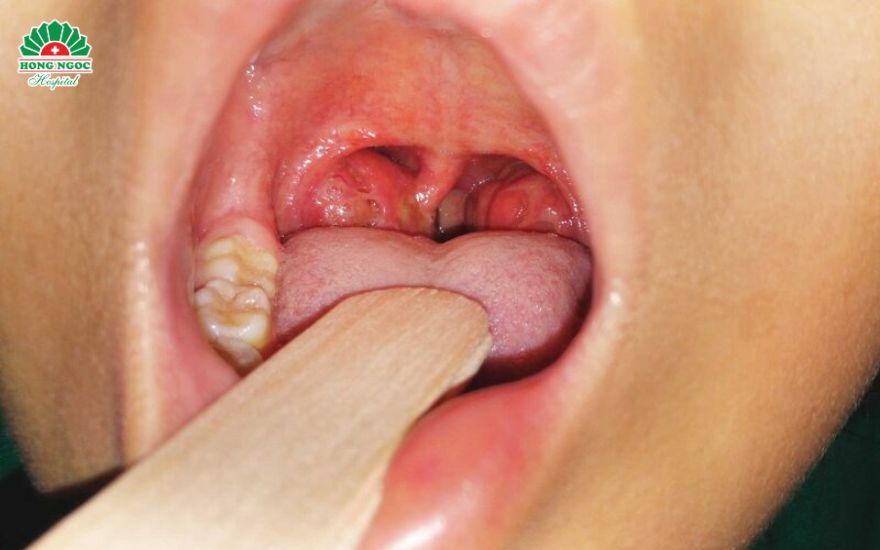
Grade 1 chronic hypertrophic tonsillitis At this stage, the tonsils are typically enlarged and rounded with a narrow base. the transverse diameter of the tonsils is very small, occupying less than one-quarter of the distance between the anterior tonsillar pillars.
Grade 2 chronic hypertrophic tonsillitis The tonsils remain rounded as in grade 1, but their transverse diameter is slightly larger, occupying less than one-third of the distance between the anterior pillars.
Grade 3 chronic hypertrophic tonsillitis This is considered a severe stage, producing many bothersome symptoms. the transverse diameter of the tonsils is equal to or less than one-half of the distance between the anterior pillars.
Grade 4 chronic hypertrophic tonsillitis (fibrotic form) This advanced stage is more frequently observed in adults. the tonsils appear nodular and raised on the surface, with a dark red coloration. the posterior pillars are thickened, and fibrosis may be present.
Risks of grade 3 hypertrophic tonsillitis When tonsils enlarge to the size of almonds on both sides of the throat, they significantly narrow the oropharyngeal airway. the anterior pillars appear reddened, and patients often complain of throat pain and a persistent foreign body sensation.
In children, markedly enlarged tonsils can obstruct the upper airway, causing snoring, restless sleep, episodes of apnea during sleep, abnormal speech, dysphagia, and impaired physical growth. excessively enlarged tonsils may also lead to poor appetite, prolonged fatigue, chronic dry cough, frequent nocturnal coughing, and halitosis.
When should tonsillectomy be considered?
In cases where the inflamed tonsils are excessively enlarged, obstruct the airway, and no longer respond to medical treatment, physicians may recommend surgical removal (tonsillectomy). Indications for tonsillectomy include:
- Recurrent tonsillitis occurring more than 5 times per year
- Tonsillitis leading to complications such as bronchopneumonia, myocarditis, glomerulonephritis, or arthritis
- Hypertrophic tonsils causing airway obstruction, dysphagia, speech difficulties, snoring, or even sleep apnea
- Persistent throat pain or swallowing difficulties that affect nutrition and quality of life
For children, the optimal age for tonsillectomy is usually 4 years and older, as performing surgery at an earlier age may impact immune function. however, if a child experiences obstructive sleep apnea with episodes of breathing cessation during sleep, tonsillectomy should be performed at any age to prevent life-threatening complications due to oxygen deprivation.
How to prevent chronic hypertrophic tonsillitis in children
To reduce the risk of developing chronic hypertrophic tonsillitis, parents should pay attention to the following measures:
- Maintain proper oral hygiene by brushing teeth at least twice a day and using saline solution to gargle, helping to prevent harmful bacterial invasion.
- Wear a face mask when outdoors and wash hands thoroughly with antibacterial soap after returning home or coming into contact with contaminated surfaces.
- Keep the body warm during seasonal changes, especially protecting the ears, nose, and throat from cold exposure.
- Provide a balanced diet rich in essential nutrients, particularly vitamins from vegetables and fruits; fruit juices and smoothies are recommended to supplement minerals.
- Limit hard, spicy, hot foods as well as cold beverages such as ice water and ice cream.
- Encourage children to drink sufficient water daily to keep the throat moist and reduce irritation.
- Promote healthy lifestyle habits, including regular physical activity and adequate rest, to strengthen immunity and lower susceptibility to infections.
Chronic hypertrophic tonsillitis in children is a common condition, particularly among those with weaker physical health. The disease tends to recur frequently, significantly affecting the child’s quality of life. Therefore, when persistent sore throat is detected, timely medical evaluation and treatment are essential to prevent the progression of infection and avoid potential complications.
The pediatrics department at Hong Ngoc General Hospital, with its team of experienced physicians and advanced diagnostic equipment, is a trusted destination for the examination and effective treatment of chronic hypertrophic tonsillitis in children. The department provides thorough clinical evaluation, accurate identification of underlying causes, application of WHO-standard treatment protocols, minimal use of antibiotics, and the highest level of safety for pediatric patients.
Note: The information provided in this article by Hong Ngoc General Hospital is for reference only and is not a substitute for medical diagnosis or treatment. For an accurate assessment of your condition, please visit a hospital for direct examination and consultation with a physician to receive the most appropriate treatment plan.
PEDIATRICS DEPARTMENT – HONG NGOC GENERAL HOSPITAL
- 55 Yen Ninh, Ba Dinh, Hanoi
- No. 8 Chau Van Liem, Nam Tu Liem, Hanoi
- 3rd Floor, Building B, Tasco Mall, 07–09 Nguyen Van Linh, Long Bien, Hanoi
- 10th Floor, Keangnam Landmark 72, Pham Hung, Hanoi
- 1st Floor, TNL Plaza Goldseason, 47 Nguyen Tuan, Thanh Xuan, Hanoi
- 1st Floor, HPC Landmark 105, To Huu, Ha Dong, Hanoi
- 1st, 2nd, and 3rd Floors, Kosmo Tay Ho, 161 Xuan La, Bac Tu Liem, Hanoi
Free consultation and quick appointment booking hotline: 0947.616.006
Find more useful information at: https://www.facebook.com/@KhoaNhiBVHongNgoc