

Medical review: Nguyen Van Xuyen, MD, MSc, Specialist Level II – Department of Obstetrics and Gynaecology, Hong Ngoc Phuc Truong Minh General Hospital
What should you eat if you have a gynaecological infection? A balanced diet may include live-culture yoghurt, leafy greens, low-sugar fruit, garlic, sweet potatoes and soy products, together with adequate water intake. Foods high in added sugar, fried foods and alcohol should be limited. These dietary choices may support immune function and beneficial Lactobacillus bacteria, which help maintain the naturally acidic vaginal environment.
However, diet is supportive only and cannot replace medical treatment. This article explains what to eat and limit when experiencing vaginitis, appropriate daily portions and a practical seven-day meal plan.
Key points
- A balanced diet may support recovery from gynaecological infections by promoting general health, immune function and a healthy vaginal microbiome. However, evidence that specific foods prevent recurrence remains limited.
- Beneficial dietary choices include leafy greens, low-sugar fruit, garlic, live-culture yoghurt, sweet potatoes, soy products and water.
- Foods and drinks to limit include products high in added sugar, heavily fried foods and alcohol. Spicy foods may worsen discomfort in some people. Seafood does not need to be avoided unless it causes an allergy or a healthcare professional advises otherwise.
- Supporting symptom management: Yoghurt, vegetables, garlic and high-quality protein can form part of a balanced diet, but they do not treat vaginal itching or fungal infections. Persistent symptoms require medical assessment and appropriate treatment.
1. What should you eat if you have a gynaecological infection?
According to specialists, women with vaginitis may consider including the following foods as part of a balanced diet:
1.1. Yoghurt - May support a healthy vaginal microbiome
Yoghurt may contain live bacteria such as Lactobacillus, a group of beneficial bacteria that plays an important role in a healthy vaginal microbiome. Lactobacillus produces lactic acid, helping maintain the vagina’s naturally acidic environment and limit the excessive growth of microorganisms associated with microbial imbalance.
Live-culture yoghurt may therefore be included in the diet during treatment for vaginitis. However, yoghurt is not a substitute for prescribed medication, and evidence regarding its ability to treat vaginal infections remains limited.
Suggested serving: Approximately 170 g per day. Choose yoghurt containing live cultures, preferably with little or no added sugar. It may be served with strawberries, kiwi or other fresh fruit for additional fibre and vitamins.

1.2. Fresh fruit - Supports general health and immune function
The following fruits can form part of a balanced diet for women with gynaecological infections:
- Banana: One medium banana (approximately 118 g) provides around 0.4 mg of vitamin B6 and 422 mg of potassium. Vitamin B6 supports normal immune function, while potassium is essential for normal cellular activity and overall health.
- Avocado: A 100 g serving provides approximately 0.26 mg of vitamin B6, 2.1 mg of vitamin E and 485 mg of potassium. Vitamin E has antioxidant properties that help protect cells and support healthy tissues.
- Guava and citrus fruits such as oranges, grapefruit and lemons: One medium orange (approximately 130 g) provides around 70 mg of vitamin C, equivalent to approximately 93% of the recommended daily intake for an adult woman. Vitamin C supports immune function and helps maintain healthy mucosal barriers.
- Green apple: One medium apple (approximately 182 g) provides around 4 g of fibre and 9 mg of vitamin C. Fibre supports gut health, while vitamin C contributes to normal immune function and tissue maintenance.
- Blueberries: One cup (approximately 148 g) provides vitamin C and anthocyanins, although anthocyanin content varies according to variety and growing conditions. These compounds have antioxidant properties that help protect cells from oxidative stress.
- Strawberries: Half a cup (approximately 76 g) provides around 49 mg of vitamin C, which supports immune function and the maintenance of healthy tissues.
- Pomegranate: One cup of pomegranate seeds (approximately 174 g) provides around 28.8 mg of vitamin C, together with polyphenols that have antioxidant properties.
- Watermelon: One cup (approximately 152 g) provides around 12.3 mg of vitamin C and 865 µg of lycopene. These nutrients have antioxidant properties and contribute to overall health.
Suggested intake: Approximately 1.5–2 cups of fruit per day, divided into two or three servings and varied throughout the week. Individual requirements may differ according to age, activity level and overall health.
1.3. Vegetables - Support immune function and healthy mucosal barriers
The following vegetables provide vitamins, minerals and plant compounds that support immune function and help maintain healthy tissues:
- Cruciferous vegetables such as broccoli and kale: A 100 g serving of broccoli provides approximately 89 mg of vitamin C, while the amount in kale varies according to its variety and preparation. Vitamin C supports immune function and helps maintain epithelial barriers.
- Carrots and pumpkin: Carrots provide approximately 8,285 µg of beta-carotene per 100 g. The body converts beta-carotene into vitamin A, which is important for immune function and the maintenance of healthy mucosal tissues.
- Fish mint and basil: Basil contains plant compounds such as eugenol and rosmarinic acid, which have demonstrated antioxidant and antimicrobial activity in laboratory studies. However, there is insufficient clinical evidence that these herbs can treat vaginal infections.
- Spinach: A 100 g serving provides approximately 2.71 mg of iron, 194 µg of folate and beta-carotene, which the body can convert into vitamin A. Iron and folate support normal blood formation, while vitamin A contributes to immune function and healthy mucosal barriers.
- Celery: A 100 g serving contains approximately 95.4 g of water and 260 mg of potassium. Its high water content supports hydration, while potassium contributes to normal fluid and electrolyte balance.
Suggested intake: Adult women should generally aim for approximately 2–3 cups of vegetables per day, equivalent to around 300–500 g depending on the type of vegetable and method of preparation. Boiling briefly, steaming or stir-frying can help preserve nutrients.
These foods may support general health but cannot treat vaginitis or other gynaecological infections. Medical assessment and appropriate treatment remain essential.
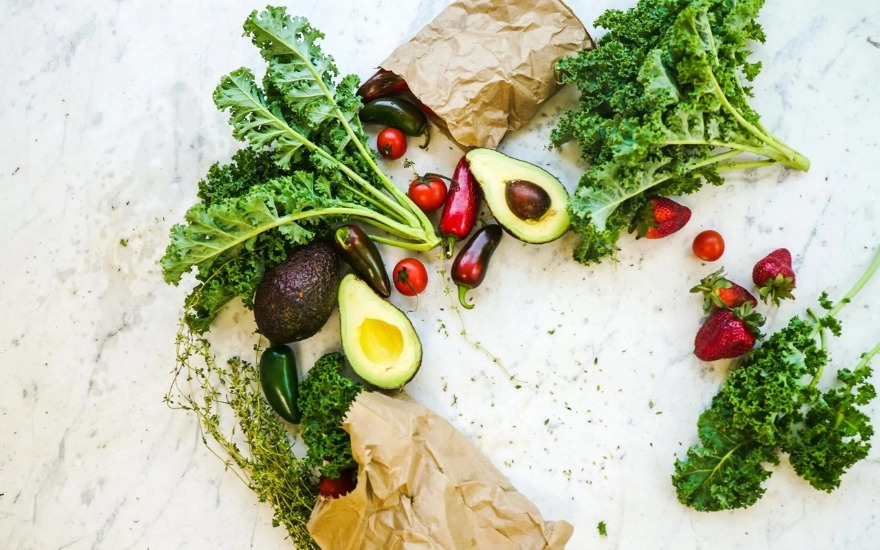
1.4. Garlic - May provide antimicrobial and antifungal compounds
Garlic contains allicin, a sulphur-containing compound formed when fresh garlic is crushed or chopped. Allicin has demonstrated antibacterial and antifungal activity, including inhibitory effects against Candida, in laboratory studies.
Garlic may therefore be included as part of a balanced diet. However, current evidence does not show that eating garlic can treat vaginal infections or replace antifungal or antibiotic medication prescribed by a doctor.
Suggested intake: Adults may use approximately 1–4 fresh garlic cloves per day (3–12 g) in meals, according to individual tolerance. Crushing or chopping garlic before cooking helps allicin form. Excessive intake may cause digestive discomfort and may not be suitable for people taking anticoagulants or preparing for surgery.
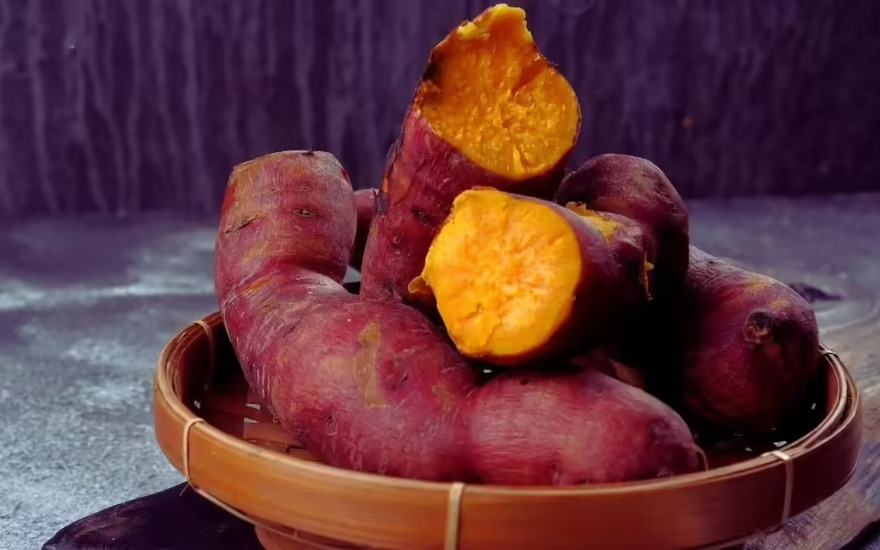
1.5. Sweet potatoes - Support healthy mucosal tissues
Sweet potatoes are rich in beta-carotene, although the amount varies according to the variety and cooking method. The body converts beta-carotene into vitamin A, an essential nutrient that supports immune function and helps maintain healthy mucosal tissues, including the vaginal lining.
Including sweet potatoes in a balanced diet can support overall nutritional health. However, there is insufficient evidence that they directly accelerate recovery from gynaecological infections or prevent recurrence.
Suggested intake: Approximately one serving of cooked sweet potato, around 180–200 g, may be included as a starchy vegetable or carbohydrate source. Portion size should be adjusted to the individual’s nutritional needs and overall diet.
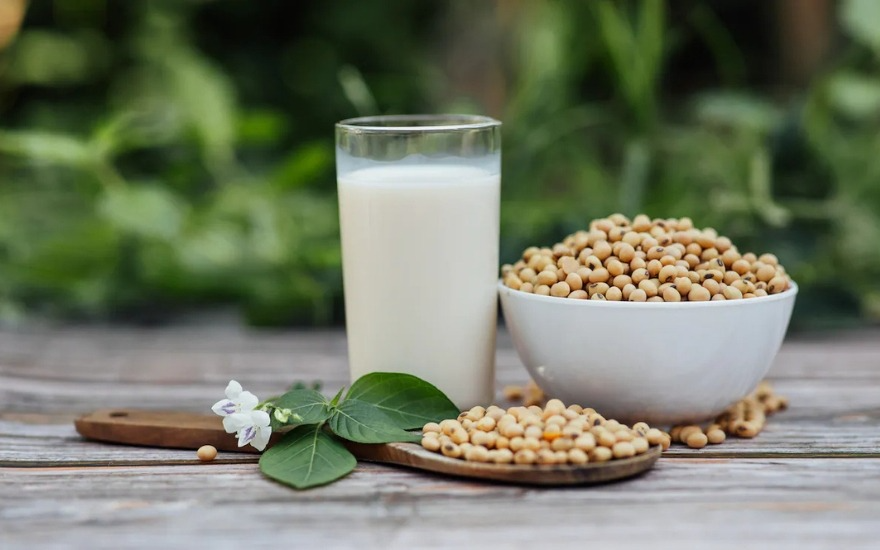
1.6. Soy foods - May support health during the menopausal transition
Soy contains phytoestrogens, particularly isoflavones, which are plant compounds with weak oestrogen-like activity. They may provide modest benefits for some women during perimenopause or menopause, when natural oestrogen levels decline.
Oestrogen plays an important role in maintaining the moisture, elasticity and health of vaginal tissues. Some studies suggest that soy isoflavones may help alleviate certain menopausal symptoms, but evidence regarding vaginal dryness and discomfort during intercourse remains limited and inconsistent. Soy foods should therefore be considered part of a balanced diet rather than a treatment for vaginal dryness or infection.
Suggested intake: There is no universally recommended dose of soy specifically for vaginal health. An intake of up to approximately 25 g of soy protein per day may be obtained from foods such as tofu, edamame or unsweetened soy milk. The isoflavone content varies considerably among products, so supplements should not be used without professional advice.
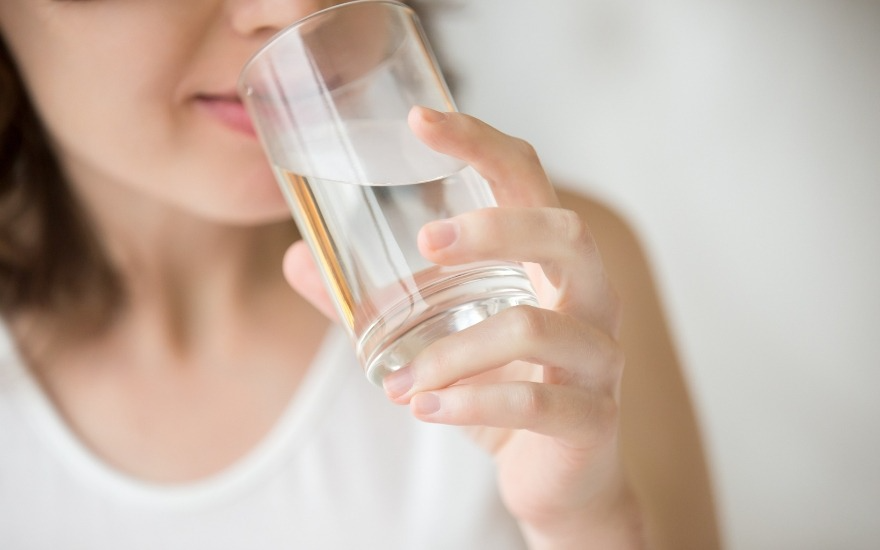
1.7. Staying adequately hydrated - May help reduce the risk of urinary tract infections
Alongside maintaining a balanced diet, drinking enough water is a simple way to support overall health and normal urinary function.
Adequate hydration helps maintain fluid balance and regular urine production. More frequent urination may help flush bacteria from the urinary tract, potentially reducing the risk of urinary tract infections, particularly in women who usually drink only small amounts of water.
However, drinking water does not directly regulate vaginal pH or treat vaginitis and other gynaecological infections. Vaginal dryness is more commonly associated with hormonal changes, irritation, medication use or certain medical conditions.
Suggested intake: Many adult women may aim for approximately 1.5–2 litres of fluids per day, although individual requirements vary according to body size, activity level, weather, diet, pregnancy and health conditions. Women with heart or kidney disease should follow their doctor’s advice regarding fluid intake.
2. What should you limit if you have a gynaecological infection?
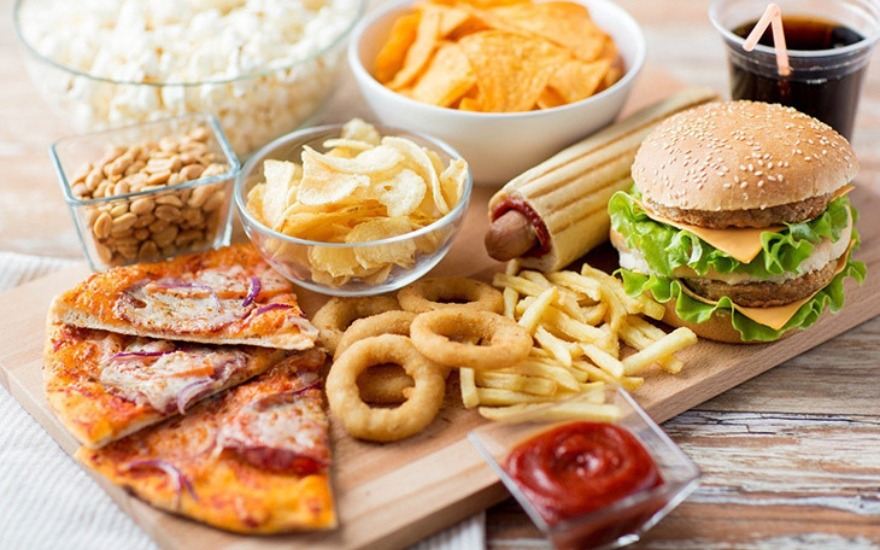
Alongside choosing nutritious foods, women may wish to limit certain foods and drinks that can worsen discomfort or negatively affect overall health. However, no universal “vaginitis diet” exists, and dietary restrictions cannot replace appropriate medical treatment.
Spicy foods
Spicy foods containing chilli, pepper, ginger or large amounts of seasoning may worsen burning or irritation in some women, particularly if they also experience urinary discomfort or digestive sensitivity. However, spicy foods do not directly cause vaginal infections or promote the growth of bacteria and fungi.
If symptoms appear to worsen after eating spicy food, consider reducing the amount consumed and monitoring the body’s response.
Foods high in added sugar and unhealthy fats
Confectionery, sweetened milk tea, soft drinks, chocolate and other foods high in added sugar should be consumed in moderation as part of a balanced diet. High sugar intake is particularly important to limit in women with diabetes or poorly controlled blood glucose, as these conditions can increase susceptibility to recurrent yeast infections.
Fried foods, highly processed products and foods high in saturated or trans fats may also adversely affect metabolic and cardiovascular health. Nevertheless, these foods have not been proven to directly prolong a vaginal infection.
Seafood
Women with gynaecological infections do not generally need to avoid seafood. Fish and shellfish can provide protein, omega-3 fatty acids and essential micronutrients.
However, people with a seafood allergy or sensitivity may experience itching, rashes or other reactions after eating shrimp, crab, squid or certain fish. In such cases, the triggering food should be avoided and medical advice sought if symptoms are severe.
A balanced diet and healthy lifestyle can support general wellbeing during treatment. Persistent or recurrent itching, unusual discharge, unpleasant odour, pain or irritation requires medical assessment to identify the cause and provide appropriate treatment.
3. Suggested 7-day meal plan to support women’s health
Below is a suggested seven-day meal plan designed to support overall recovery, balanced nutrition and a healthy vaginal microbiome. It should complement, rather than replace, medical treatment.
4. Practical measures to support recovery and reduce the risk of gynaecological infections
Alongside a balanced diet, the following habits may help support vaginal and vulval health:
- Practise appropriate intimate hygiene: Wash the external genital area gently each day using clean water. If preferred, use a mild, fragrance-free cleanser formulated for sensitive skin. Avoid harsh cleansing products, vaginal deodorants and douching, as these can cause irritation and disrupt the natural vaginal microbiome.
- Choose suitable underwear: Wear soft, breathable cotton underwear and change it regularly to keep the area dry and comfortable. Avoid wearing very tight or non-breathable clothing for prolonged periods, as trapped heat and moisture can encourage irritation and microbial overgrowth.
- Attend appropriate gynaecological check-ups: The frequency of routine examinations should be based on age, medical history, symptoms and the screening schedule recommended by a healthcare professional. Seek medical advice promptly if you experience unusual discharge, persistent itching, burning, pain or an unpleasant odour rather than using medication without a diagnosis.
- Practise safer sex: Using condoms correctly and maintaining a mutually monogamous relationship can reduce the risk of sexually transmitted infections, although condoms do not provide complete protection against every infection. During treatment, follow your doctor’s advice regarding sexual activity to avoid worsening symptoms or transmitting an infection to a partner.
- Limit alcohol and avoid smoking: Excessive alcohol consumption and smoking can negatively affect general health and immune function. Reducing alcohol intake and avoiding tobacco can support overall wellbeing and recovery.
These measures may reduce certain risks but cannot prevent every gynaecological infection. Symptoms that persist, recur or worsen require assessment by a qualified healthcare professional.
5. When should you seek medical advice?
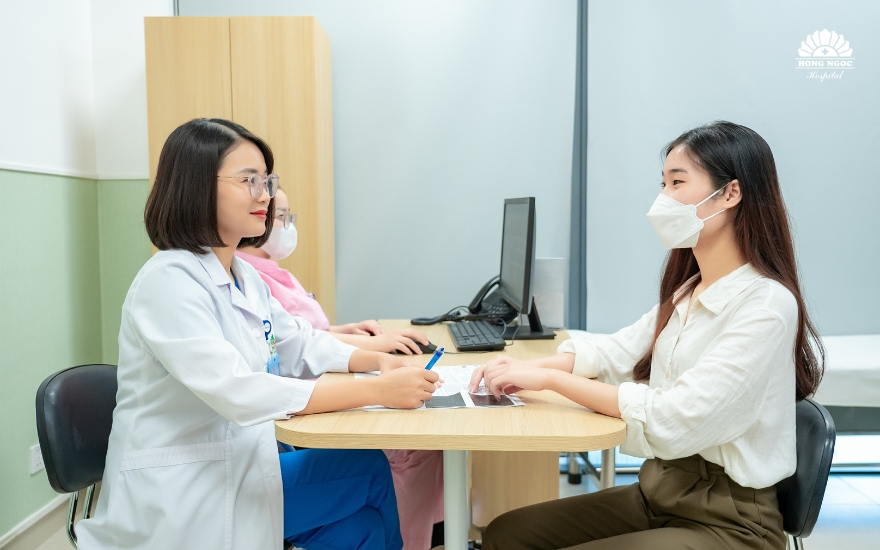
Diet cannot replace a medical diagnosis or appropriate treatment. Women should seek medical assessment rather than self-medicate if they experience any of the following:
- Vaginal discharge that becomes yellow, green or grey, appears frothy or develops a strong, unpleasant or fishy odour.
- Persistent vulval itching, burning or swelling lasting more than a few days.
- Pain during intercourse, pain or burning when urinating, or abnormal vaginal bleeding.
- Lower abdominal pain or fever, which may indicate that an infection has spread to the upper reproductive tract.
- Symptoms during pregnancy or three or more episodes of infection within one year.
Severe pelvic pain, high fever, fainting, heavy bleeding or symptoms during pregnancy require prompt medical attention.
6. Frequently asked questions about diet and gynaecological infections
Many women have questions about what to eat when experiencing a gynaecological infection. The following answers from specialists at Hong Ngoc General Hospital provide practical guidance on maintaining a balanced diet while undergoing appropriate medical treatment.
6.1. What should you eat if you have a vaginal Candida infection?
No specific food or “Candida diet” has been proven to cure vulvovaginal candidiasis. Treatment generally requires an appropriate antifungal medicine following a confirmed diagnosis.
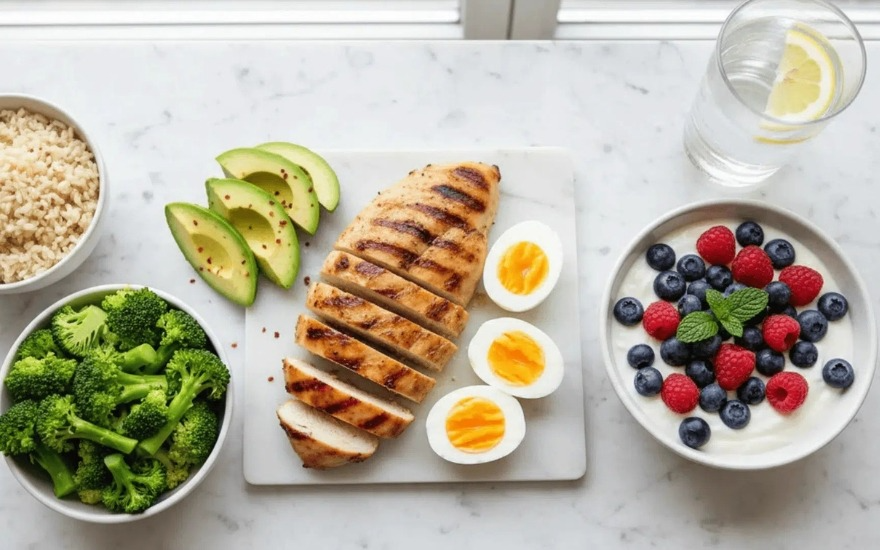
During recovery, maintain a balanced diet that includes non-starchy vegetables such as broccoli and cucumber, whole fruit, and high-quality protein from foods such as chicken, eggs, fish, tofu or legumes. Unsweetened live-culture yoghurt may also be included if well tolerated, although it should not replace antifungal treatment.
Garlic, ginger, turmeric, coconut oil, avocado and herbal teas may be consumed as part of a normal diet, but there is insufficient clinical evidence that they can control or eliminate vaginal Candida. A gluten-free diet is unnecessary unless the individual has coeliac disease, gluten sensitivity or another medical indication.
Women with recurrent infections should be medically assessed for contributing factors such as diabetes, recent antibiotic use, pregnancy, immune suppression or an incorrect initial diagnosis.
6.2. What should you eat to relieve vulval or vaginal itching?
No particular food has been proven to relieve vulval or vaginal itching. Itching may result from a yeast infection, bacterial imbalance, a sexually transmitted infection, skin irritation, an allergic reaction or another medical condition, so identifying the cause is essential.
A balanced diet containing vegetables, whole fruit, adequate protein and unsweetened live-culture yoghurt may support general health, but these foods do not treat the underlying cause of itching. Eating garlic has not been shown to disinfect the vagina or cure a fungal infection, and garlic should never be inserted into the vagina because it may cause irritation or tissue injury.
Spicy foods may worsen discomfort in some individuals, while foods high in added sugar should be limited for general health, particularly in people with diabetes. Seafood does not need to be avoided unless it causes an allergy or sensitivity.
6.3. What should you do if you develop symptoms of a gynaecological infection?
If you develop unusual discharge, persistent itching, burning, an unpleasant odour, pelvic pain or abnormal bleeding, arrange an examination at a reputable specialist healthcare facility. Early assessment can help identify the underlying cause and ensure appropriate treatment before symptoms worsen or affect daily life and reproductive health.
Avoid self-medicating, vaginal douching or using home remedies inside the vagina. Seek prompt medical attention if symptoms are accompanied by fever, severe lower abdominal pain, heavy bleeding or pregnancy.
We hope this article has helped answer the question “What should you eat if you have a gynaecological infection?” and provided practical suggestions for foods that can support immune function and overall health during recovery. However, diet plays only a supportive role and cannot replace an accurate diagnosis or appropriate medical treatment.
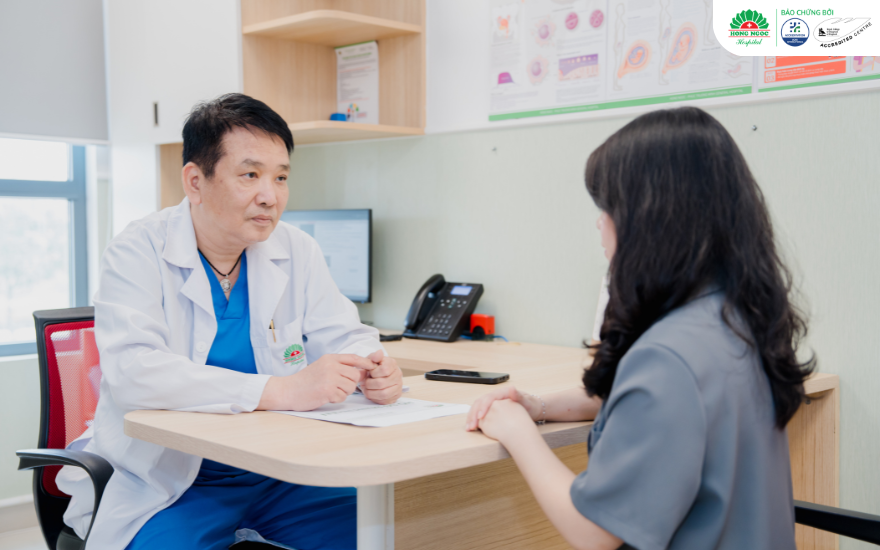
To identify and treat the underlying cause of persistent itching, unusual discharge, unpleasant odour or other symptoms, women should attend a reputable specialist facility such as the Department of Obstetrics and Gynaecology at Hong Ngoc General Hospital. Experienced specialists can provide a thorough examination, establish an accurate diagnosis and recommend a safe, individualised treatment plan.
Disclaimer: This article is for general information only and does not replace professional medical diagnosis or treatment. Please consult a qualified specialist for advice appropriate to your condition.
Follow Hong Ngoc General Hospital’s official Facebook page for more useful health information.