

Medical review: Nguyen Van Xuyen, MD, MSc, Specialist Level II, Resident Physician, Department of Obstetrics and Gynecology, Hong Ngoc Phuc Truong Minh General Hospital
Summary of the article “What should you do if you have a vaginal infection?”
- When to seek medical attention: Persistent itching or irritation in the genital area, vaginal discharge that changes in colour or has an unusual foul odour, pain during sex, bleeding between periods or painful urination.
- Treatment for vaginal infections: Follow an appropriate medical treatment plan, practise proper intimate hygiene and avoid habits that may damage the mucous membranes.
- Preventing recurrence: Avoid sex, ensure your partner receives treatment when indicated, take medication as prescribed, attend follow up appointments as scheduled and maintain a healthy lifestyle.
- Can vaginal infections be cured? Vaginal infections can be cured when detected early and treated appropriately. Do not delay treatment, as this may increase the risk of complications.
- Treatment duration: Around 3 to 7 days for mild cases and 2 to 4 weeks for severe cases. Treatment may take longer for chronic infections.
1. What should you do if you have a vaginal infection?
Depending on the stage of the infection, your doctor may recommend one of two main treatment approaches:
1.1. Medical treatment
Medical treatment may involve medication or surgery, depending on the severity of the condition.
1.1.1. Medical treatment (medication)
Medication is generally used when the infection is at an early stage, has not spread extensively and has not caused complex complications. The medication prescribed will depend on the cause and severity of the infection. Options include:
1. Vaginal medication
Vaginal medication is commonly used for mild infections that are confined to the vaginal area. Treatment usually lasts 3 to 7 days. Follow the prescribed schedule and do not stop or extend treatment without your doctor’s advice.
2. Oral antibiotics
For more severe cases or infections caused by bacteria or Trichomonas, your doctor will prescribe medication suited to the causative organism. This approach may be used when symptoms are pronounced, the infection recurs frequently or there is a risk of it spreading to nearby organs. Do not buy or take antibiotics without medical advice, as inappropriate use can contribute to antibiotic resistance.
Editorial note: The appropriate medication and treatment duration depend on the specific cause. Consider having the “oral antibiotics” section and the 3 to 7 day duration reviewed by the doctor before publication, particularly because treatment for Trichomonas requires specific medication.

1.1.2. Surgical treatment (procedural intervention)
Surgical treatment may be considered when lesions have spread, the condition has become chronic with repeated recurrences, or medical treatment has not been effective. These techniques aim to remove affected tissue and reduce the risk of recurrence:
1. Electrocautery or laser ablation
Electrocautery and laser ablation use heat or laser energy to remove affected areas of the cervix. They may be recommended for persistent or recurrent cervical ectropion that has not responded to medical treatment.
2. Cryotherapy
Cryotherapy uses liquid nitrogen or a cryoprobe to destroy affected cells on the cervix. It may be used for mild to moderate cervical ectropion.
3. LEEP
The loop electrosurgical excision procedure (LEEP) uses a high frequency electrical current passed through a wire loop to remove abnormal cervical tissue. It may be recommended for extensive or recurrent cervical ectropion, or when tests show precancerous changes.
4. Advanced surgery
Advanced surgery may be considered when an infection of the reproductive organs has caused serious complications or damage. Depending on the individual case, a doctor may perform tubal recanalisation, remove a fallopian tube or perform a hysterectomy to control the condition and prevent serious complications.
Editorial note: Please have a specialist review this section before publication. Cervical ectropion is not the same as infection. Cautery or cryotherapy may be offered for bothersome ectropion after infection and cervical abnormalities have been ruled out, while LEEP is used to remove precancerous cervical cells. A hysterectomy or fallopian tube surgery should not be presented as routine treatment for a gynaecological infection; surgical intervention is reserved for selected complications and clinical circumstances.
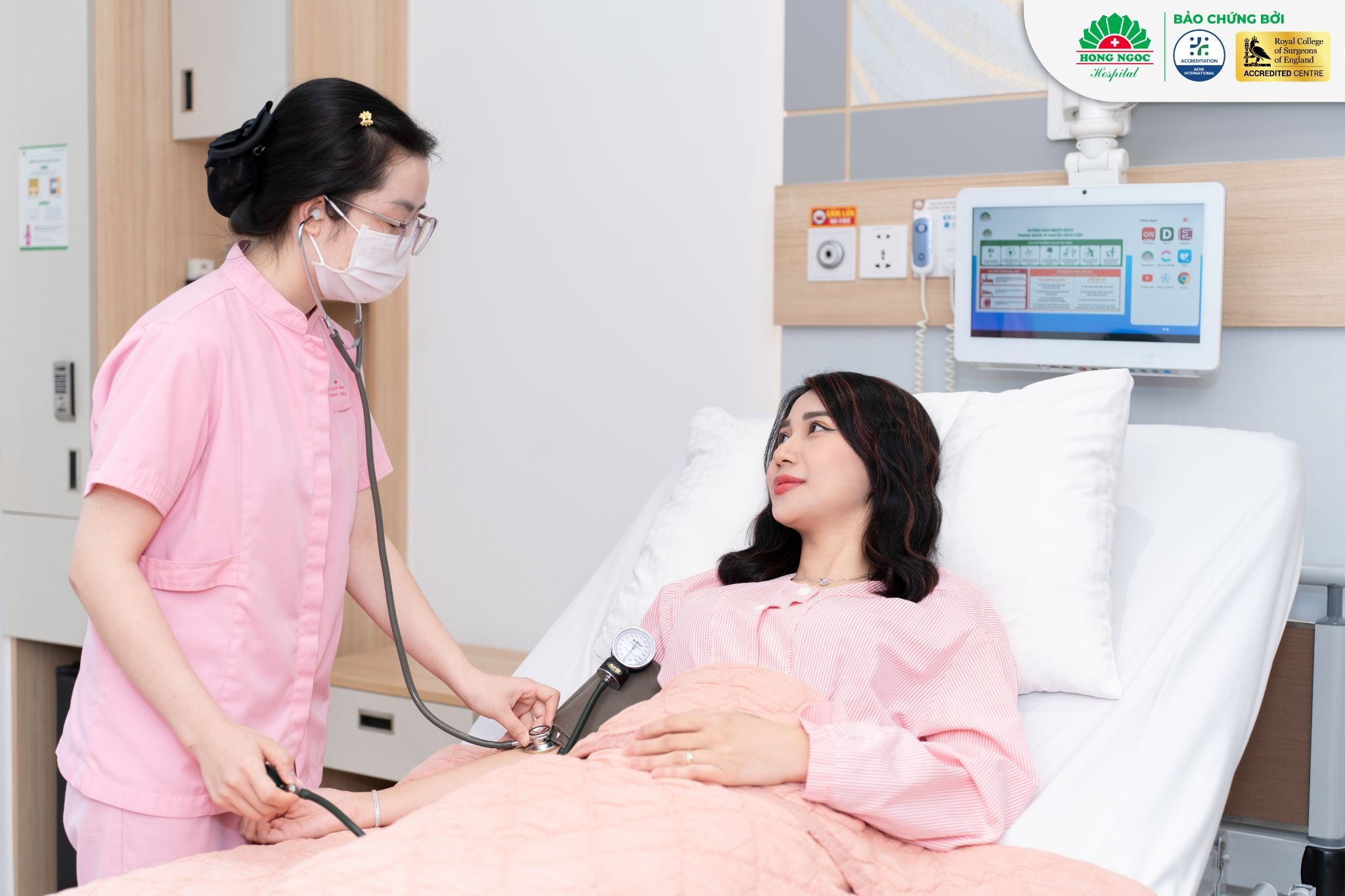
Special note: Any surgical intervention should be performed by highly qualified, experienced doctors at reputable hospitals to protect the uterine lining and preserve fertility.
1.2. Combining supportive measures with home care
To shorten treatment time and help prevent the infection from recurring, women should take the following measures alongside medical treatment:
1.2.1. Follow a healthy, balanced diet
Diet may affect the management of vaginal infections. Women are advised to include probiotics, leafy greens, low sugar fruits and garlic to support a healthy vaginal microbiome, strengthen immunity and help the body fight fungi and bacteria. They should also limit spicy foods, sweets, high fat foods and seafood, which may increase vaginal discharge, cause irritation and worsen discomfort in some people.
1.2.2. Practise good personal hygiene
Proper intimate hygiene can support treatment and help reduce recurrence. Women should:
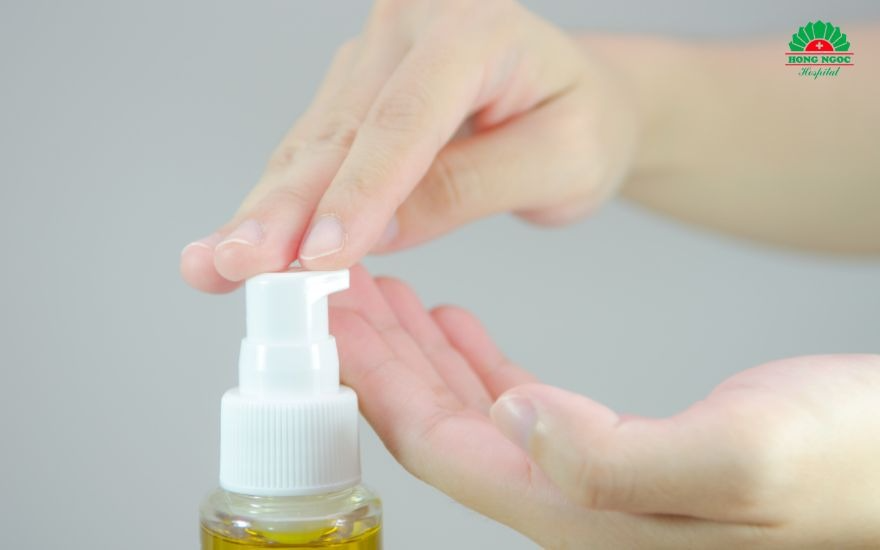
- Clean the external genital area properly: Use a gentle cleanser with a suitable pH. Dry the area after bathing or using the toilet to avoid excess moisture.
- Do not douche: Avoid rinsing or inserting fingers or objects deep into the vagina to protect the mucous membrane and natural vaginal microbiome.
- Maintain hygiene at appropriate times: Clean the external genital area during menstruation and before and after sex. Change sanitary pads every 3 to 4 hours.
- Choose suitable clothing: Change underwear daily and choose breathable, absorbent fabrics to keep the area dry.
- Do not share personal items: Avoid sharing towels, underwear or clothing to reduce the risk of cross infection.
Editorial note: The claims that probiotics or garlic help treat vaginal infections, or that particular foods such as seafood worsen symptoms, should be reviewed before publication. CDC guidance says evidence does not support probiotics as a treatment for bacterial vaginosis or vulvovaginal candidiasis.
2. What to avoid if you have a vaginal infection
When you have a vaginal infection, it is important to know what to do to recover quickly and what to avoid so the condition does not worsen:
- Do not buy or take medication without medical advice: Using the wrong medication may contribute to antimicrobial resistance and allow the condition to become chronic.
- Do not use betel leaves: They may irritate or burn the mucous membranes because they contain compounds with strong antibacterial properties.
- Do not soak in salt water: Salt water mixed at the wrong concentration may draw moisture from the tissues, cause dryness and significantly disrupt the natural pH balance.
- Do not douche: This can disrupt the vaginal microbiome and may carry bacteria further up towards the uterus.
- Do not reuse an old prescription: Each episode may have a different cause, so a previous prescription may not be effective.
- Do not stop medication early: Stopping as soon as symptoms improve may leave the infection incompletely treated and increase the risk of a more severe recurrence.
3. When should you see a gynaecologist?
If you develop signs of infection, seek medical advice promptly for diagnosis and treatment. Common signs include:
- Persistent itching or irritation in the genital area: Itching may worsen in the evening or at night. In more severe cases, red bumps may appear around the vaginal opening, or irritation from chemicals in hygiene products may create conditions that allow pathogens to grow.
- Vaginal discharge that changes colour or has an unusual odour: Healthy discharge is usually clear or white and odourless, but discharge may change depending on the cause. For example, a Candida infection may cause thick, white, cottage cheese like discharge. Cervical ectropion may cause green or yellow discharge with a fishy odour.
- Severe abdominal pain or pain during sex: Infection may irritate or damage the vaginal lining and reduce natural lubrication, causing dryness and pain during intercourse.
- Unusual vaginal bleeding: Bacteria and fungi may make the vaginal or uterine lining more vulnerable to injury, leading to bleeding between periods, prolonged menstrual bleeding or bleeding after sex.
- Pain or burning when urinating: Because the reproductive and urinary systems are close to each other, a vaginal infection may spread to the urinary tract or bladder, causing burning, leakage, frequent urination or pain along the urinary tract.
Editorial note: Please have a gynaecologist review the medical claims before publication. Cervical ectropion is distinct from infection and may cause discharge, but green or yellow discharge with an odour should not be attributed to ectropion without assessment. Vaginal symptoms can have different causes and may require testing for an accurate diagnosis.

4. Treatment and recovery tips to help prevent recurrence
Vaginal infections can recur after treatment. To support recovery and reduce the risk of recurrence, women should:
- Avoid sexual intercourse during treatment: This can help reduce irritation or injury to the genital mucosa, limit the risk of transmission and prevent the infection from worsening.
- Ensure a sexual partner is treated when necessary: If the infection is caused by a sexually transmitted organism, the partner may need assessment and treatment to prevent reinfection.
- Do not use medication or folk remedies without medical advice: Do not buy vaginal or oral medication or try remedies passed on by others before the cause is identified.
- Complete the prescribed treatment: Take medication at the prescribed dose and for the prescribed duration, even if symptoms improve.
- Attend follow up appointments and routine gynaecological examinations: These allow the doctor to assess treatment effectiveness, identify persistent problems, adjust treatment if needed and detect abnormalities promptly.
- Talk to your doctor if you think medication may be the cause: If symptoms develop after taking antibiotics or another medication, seek medical advice about whether treatment needs to be adjusted.
- Maintain a regular sleep schedule: Aim to go to bed before 11 p.m. and wake up before 7 a.m. to support hormonal balance, strengthen immunity and promote recovery.
Editorial note: Partner treatment depends on the diagnosis. It is not routinely recommended for yeast infections or bacterial vaginosis, but may be needed for certain sexually transmitted infections. Please have this point reviewed by a doctor before publication.
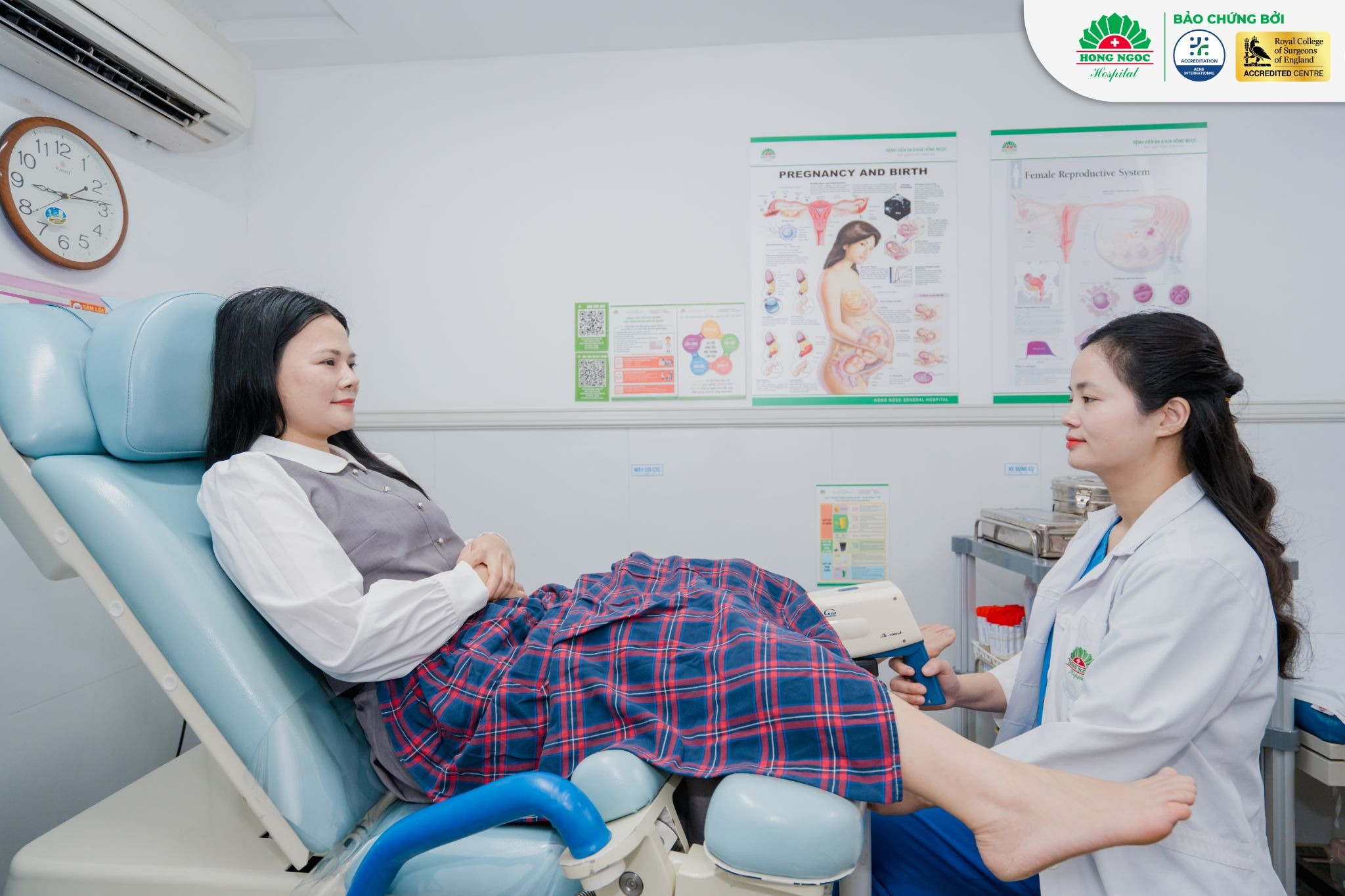
5. Safe, effective and confidential care for vaginal infections at Hong Ngoc Phuc Truong Minh General Hospital
With more than 25 years of caring for the community’s health, the Department of Obstetrics and Gynecology at Hong Ngoc is proud to be a trusted healthcare provider for thousands of women. Understanding that some may feel anxious about pain or the privacy of their personal information when seeking intimate health care, Hong Ngoc Phuc Truong Minh General Hospital aims to provide a reassuring and comfortable experience through the following features:
- Experienced, compassionate and understanding doctors: Patients are examined and treated by qualified doctors with years of experience at major obstetrics and gynaecology hospitals across Vietnam. Drawing on their clinical expertise and careful examination, doctors assess the condition and recommend an appropriate treatment plan.
- Confidential and private care: The hospital follows a strict “one doctor, one patient, one nurse” model. This is designed to protect patients’ medical information and provide a comfortable space for them to discuss sensitive concerns.
- Modern diagnostic and treatment equipment: Hong Ngoc is equipped with advanced diagnostic and treatment technology, including modern ultrasound systems, endoscopic equipment and laboratory testing facilities. These support timely investigation of the cause of symptoms and aim to minimise discomfort during procedures.
- Comfortable facilities and standardised care: Examination, treatment and inpatient areas are designed to be clean, comfortable and well equipped. A coordinated care process, from reception and examination through postoperative care, is provided by a dedicated medical team to support patients’ physical and emotional recovery.

6. Answers to common questions about treating vaginal infections
Here are answers from a specialist to common questions about vaginal infections, to help women manage the condition effectively:
6.1. Can a vaginal infection be cured?
A vaginal infection can be fully cured if it is diagnosed early and treated with an appropriate medical regimen. It does not resolve on its own. Delaying treatment may cause the condition to worsen, lead to persistent recurrences and increase the risk of serious complications, including infertility.
6.2. What should you do if you have a mild vaginal infection?
If you have a mild vaginal infection, see a doctor so they can recommend an appropriate treatment plan. This may include vaginal medication or antifungal or antibiotic treatment, if needed. In addition, maintain a healthy lifestyle by eating plenty of vegetables, exercising regularly and maintaining a healthy weight. Practise proper intimate hygiene, change your underwear regularly and have safer sex to reduce irritation and support recovery.
6.3. Can a vaginal infection go away on its own?
Most vaginal infections do not resolve completely on their own. Some symptoms may improve temporarily, but if the underlying cause is not treated appropriately, the infection may recur or worsen.
6.4. How long does treatment for a vaginal infection take?
Treatment time depends on the severity of the condition and how each person responds. Mild cases may resolve after 3 to 7 days of treatment, while severe infections may take 2 to 4 weeks. Chronic or recurrent infections may take longer to treat and require following a doctor’s treatment plan. These timeframes are only estimates, as treatment duration also depends on the cause and the individual’s response.
Editorial note: Please have the treatment duration ranges and claims about complications reviewed by a specialist before publication. Treatment varies by diagnosis, so a general 3 to 7 day or 2 to 4 week timeframe may not apply to all vaginal infections.
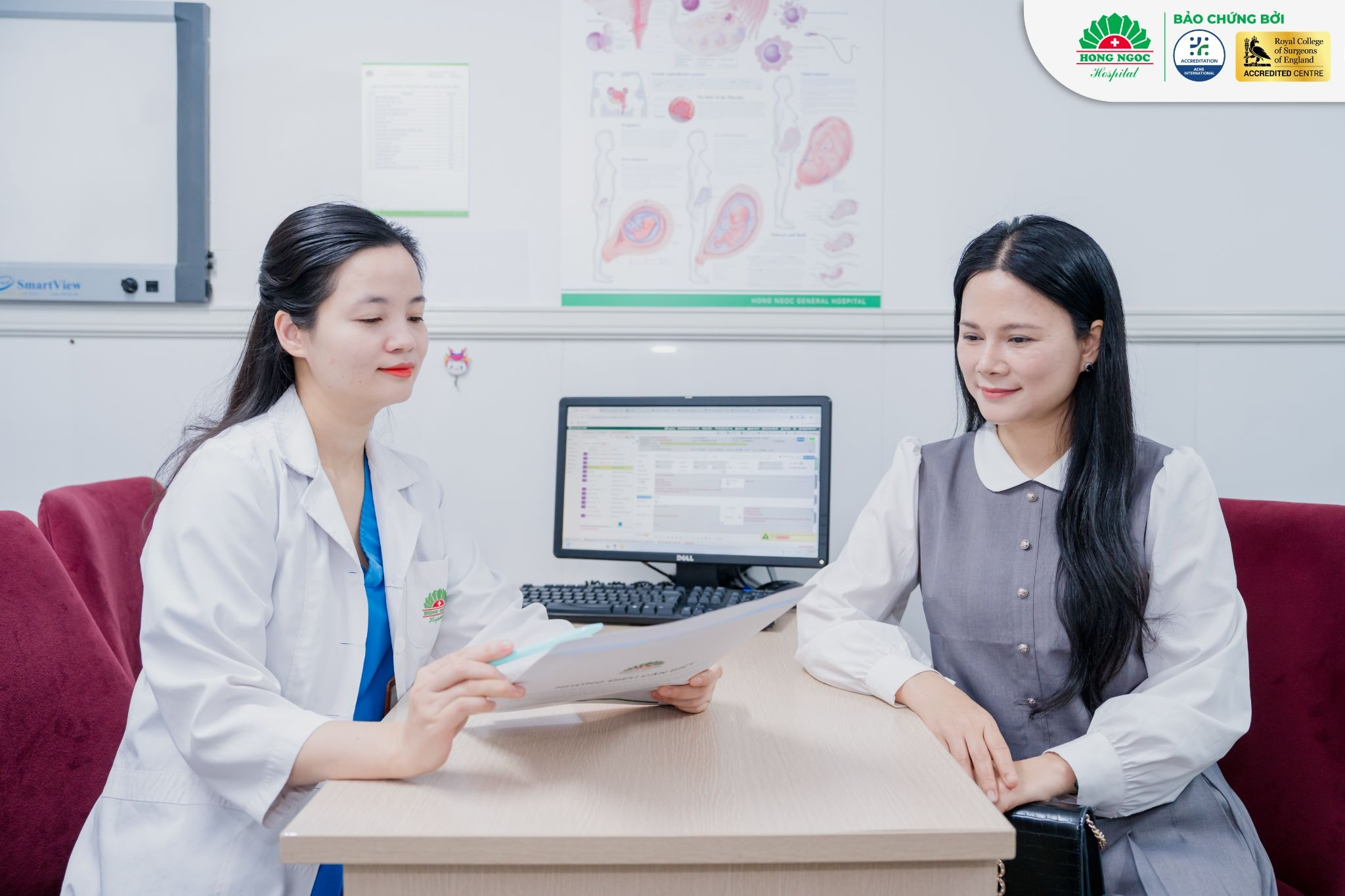
*By now, you should have an answer to the question, “What should you do if you have a vaginal infection?” Seeking medical attention early, treating the underlying cause and following your doctor’s care instructions are key to effective treatment. Do not ignore unusual symptoms in the genital area. Timely care can help prevent complications and protect reproductive health.*
Note: The information in this article by Hong Ngoc General Hospital is for reference only and is not a substitute for medical diagnosis or treatment. For an accurate assessment of your condition, visit a reputable healthcare facility for an examination and treatment advice from a doctor.
Follow the Hong Ngoc General Hospital Facebook page for more useful information HERE.