




Itching and burning around the vagina, thick white clumpy discharge, and discomfort when urinating or having sex are common signs of a vaginal yeast infection. Although common and treatable, the infection can recur if the cause is not identified or treatment is unsuitable. Understanding the symptoms, risk factors and appropriate management can help women care for their intimate health and reduce the risk of recurrence.
Key points:
- What it is: Vulvovaginal candidiasis is a common gynaecological infection caused by an overgrowth of Candida yeast, which is normally present in the vagina.
- Recognisable symptoms: Itching and burning, redness and swelling of the vulva, pain when urinating or having sex, and increased thick, white, clumpy discharge that may resemble cottage cheese.
- Causes and risk factors: Disruption of the vaginal environment, which may be associated with antibiotic use, hormonal changes, diabetes, a weakened immune system or certain hygiene habits.
- Transmission: Vaginal yeast infection is not usually acquired through sex and is not classified as a typical sexually transmitted infection (STI). It can occasionally be passed on through sexual contact. Sharing personal items is not considered a typical route of transmission.
- Diagnosis: Based on a clinical examination and, when needed, microscopic examination of a vaginal discharge sample. Culture may be used in recurrent or complicated cases.
- Treatment: Antifungal medicines, either vaginal or oral, as prescribed by a doctor. Follow the full treatment course and avoid sexual intercourse during treatment if advised.
- Prevention: Avoid vaginal douching and perfumed products, keep the genital area dry and well ventilated, manage blood glucose levels and do not take antibiotics without medical advice.
1. What is a vaginal yeast infection?
A vaginal yeast infection, also known as vulvovaginal candidiasis (VVC), occurs when Candida yeast, which is normally present in small amounts in the vagina, grows excessively and causes inflammation and discomfort.
Vaginal yeast infections are common. An estimated 75% of women experience at least one episode in their lifetime, and around half of them have two or more episodes. The condition is most common after puberty and before menopause.

2. Common signs of a vaginal yeast infection
A vaginal yeast infection may cause the following symptoms:
- Itching and burning: Itching or a burning sensation around the vulva or vagina, which can vary in severity.
- Changes in vaginal discharge: Increased discharge that is usually odourless, thick and white, with a cottage-cheese-like appearance.
- Vulval redness and swelling: The skin around the vulva may become red, sore and swollen, sometimes with tiny cracks.
- Discomfort during daily activities: A burning sensation when urinating or pain during sex.
Advice: The symptoms of a vaginal yeast infection can resemble those of bacterial vaginosis (BV) or trichomoniasis. See a specialist for an accurate diagnosis rather than trying to diagnose the condition yourself.

3. Causes and risk factors for vaginal yeast infections
A vaginal yeast infection occurs when Candida, which is naturally present in the vagina, grows excessively. The cause is not always clear, but certain factors can disrupt the vaginal environment and allow the yeast to overgrow:
- Antibiotic use: Antibiotics can affect the beneficial bacteria in the vagina, including Lactobacillus, which help keep yeast growth in check.
- Hormonal changes: Changes in hormone levels, including during pregnancy or at certain stages of the menstrual cycle, may increase the risk of a yeast infection.
- Poorly controlled diabetes: High blood sugar can increase the risk of Candida overgrowth.
- A weakened immune system: People with a weakened immune system due to a medical condition or certain treatments may be more prone to yeast infections and recurrence.
- Personal care and clothing habits: Wearing damp clothes or swimwear for prolonged periods, tight non-breathable underwear, and using scented sprays, harsh soaps or scented sanitary pads may cause irritation. Avoiding these products can help reduce irritation.

4. Is a vaginal yeast infection contagious?
A vaginal yeast infection is not usually acquired through sexual contact and is not classified as a sexually transmitted infection. It can occasionally be passed between sexual partners, but sex is not the main cause. Partners do not usually need treatment unless they have symptoms or a clinician advises otherwise. STI Treatment Guidelines
A baby may also develop oral thrush after exposure to Candida during vaginal birth. NHS
Important: The infection usually occurs when Candida already present in the vagina overgrows, often after changes in the vaginal environment. Sharing towels, underwear or personal hygiene items is not considered a typical route of transmission.
Consider avoiding sex while symptoms are present or during treatment if sex causes discomfort. Some vaginal antifungal creams can also weaken latex condoms and diaphragms. NHS
5. How is a vaginal yeast infection diagnosed?
A clinician will ask about your symptoms and medical history and may perform a gynaecological examination. If needed, a vaginal discharge sample may be examined under a microscope or tested using other appropriate methods. If symptoms persist, recur or the diagnosis is unclear, a culture may be requested to identify Candida and guide treatment.
6. How is a vaginal yeast infection treated?
Antifungal medicines may be applied in or around the vagina or taken by mouth. The appropriate medicine and treatment duration depend on the individual’s symptoms, medical history, recurrence and other relevant factors. Pregnant women and those with recurrent infections should consult a clinician before using treatment.
Important:
- Follow the prescribed treatment exactly, even if symptoms improve before you have finished it.
- Consider avoiding sex during treatment if it causes discomfort or could interfere with the medicine. Some vaginal antifungal creams can weaken latex condoms and diaphragms.

7. Why do vaginal yeast infections often recur?
Vaginal yeast infections may recur for several reasons:
- Treatment is stopped too soon: Stopping treatment before the prescribed course is complete may allow symptoms to persist or return. Recurrence can also have other causes.
- Self-treatment without a confirmed diagnosis: Using over-the-counter medicines without knowing the cause may delay the correct diagnosis and treatment.
- Frequent antibiotic use: Antibiotics can disrupt the balance of beneficial vaginal bacteria, allowing Candida to overgrow.
- Poorly controlled diabetes: High blood sugar can increase the risk of recurrent infection and make treatment more difficult.
- A weakened immune system: Certain medical conditions or treatments, including corticosteroids, can reduce the body’s ability to control Candida.
- Non-albicans Candida species: Some species, such as Candida glabrata, may respond less well to standard antifungal treatment and require a different approach.
- No identifiable cause: Recurrent infections can occur even when no clear risk factor is found.
8. How to help prevent vaginal yeast infections
These habits may help reduce irritation and the risk of infection:
- Avoid vaginal douching: It can disrupt the natural balance of microorganisms in the vagina.
- Avoid scented products: Do not use vaginal sprays, deodorants or scented sanitary pads, as these may irritate the vulval area.
- Keep the area dry and comfortable: Change out of wet swimwear or sweaty exercise clothes promptly. Choose breathable underwear, such as cotton, and avoid clothing that is too tight.
- Manage diabetes: If you have diabetes, work with your healthcare team to keep your blood glucose within your target range.
- Use antibiotics only as prescribed: Antibiotics can disrupt the balance of vaginal bacteria and increase the risk of Candida overgrowth.
9. When should you seek medical advice?
Consider seeing a healthcare professional if you:
- Have symptoms for the first time: An assessment can help confirm the cause and distinguish a yeast infection from other conditions.
- Are unsure whether the symptoms are caused by Candida: A clinician may examine a vaginal discharge sample to guide diagnosis and treatment.
- Do not improve after treatment: Follow up with a clinician if symptoms persist or worsen.
- Have frequent recurrences: Recurrent infections may need further assessment to identify contributing factors and determine whether longer-term treatment is appropriate.
- Are pregnant: Speak to a healthcare professional before using treatment. During pregnancy, topical antifungal medicines are generally recommended; oral fluconazole should be avoided. www.cdc.gov
- Have diabetes or a weakened immune system: These factors can increase the risk of persistent or recurrent infection.
- Have foul-smelling or unusual-coloured discharge, lower abdominal pain or a fever: These symptoms may point to another infection or condition and should be assessed promptly.
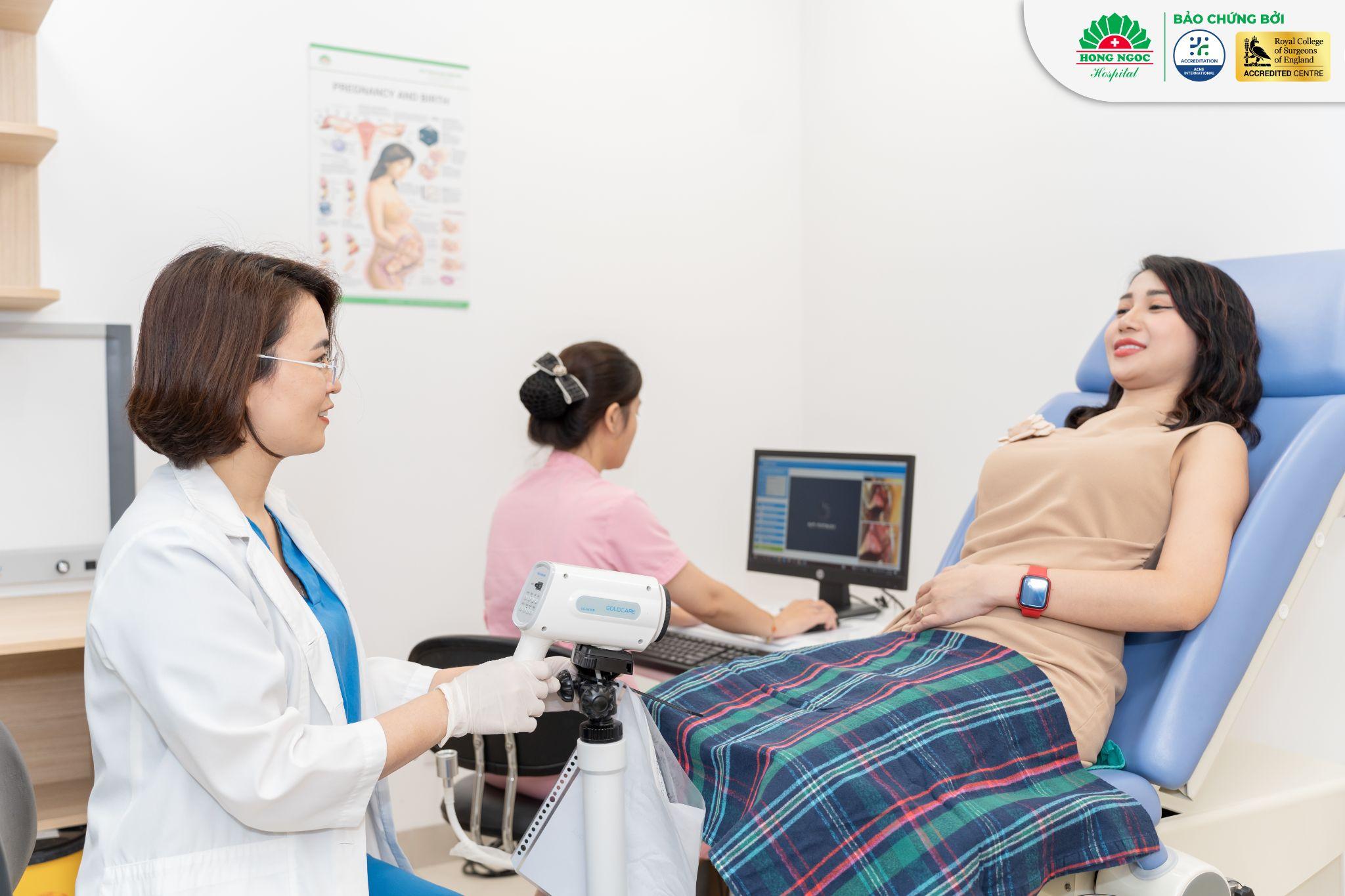
10. Private, effective care for vaginal yeast infections at Hong Ngoc General Hospital
Treating a vaginal yeast infection requires an accurate diagnosis and an appropriate treatment plan to reduce the risk of persistent or recurrent symptoms. If you are experiencing vaginal discomfort, you can visit Hong Ngoc General Hospital for assessment and advice on suitable treatment. The hospital offers:
- Experienced doctors: Help distinguish vulvovaginal candidiasis from bacterial vaginosis (BV) and trichomoniasis, supporting accurate diagnosis and appropriate treatment.
- Testing when needed: Appropriate tests can help identify the cause, particularly in complex or recurrent cases.
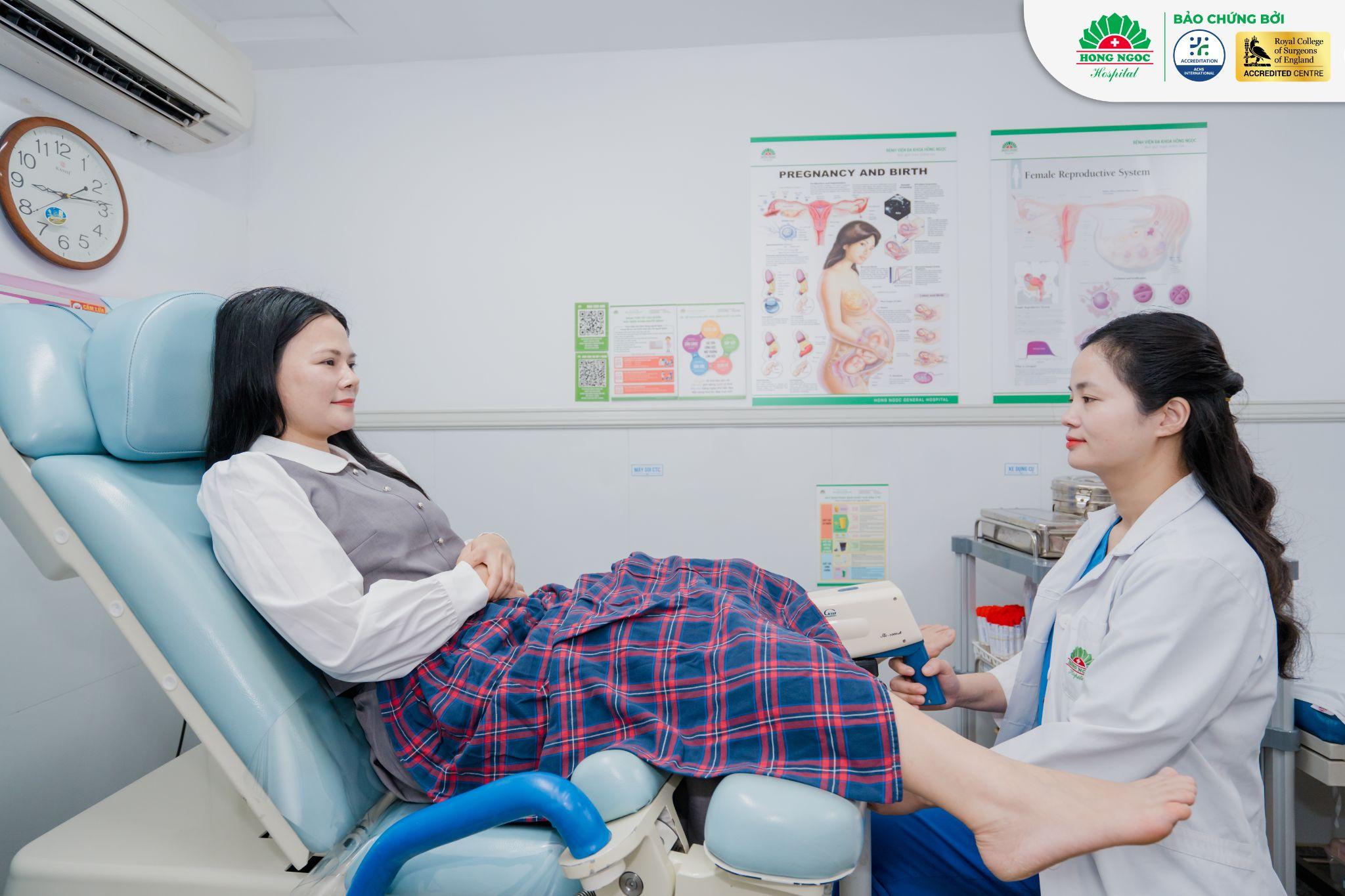
- Private consultations: A one-to-one doctor–patient consultation provides privacy, protects personal information and supports patients throughout treatment.
11. Frequently asked questions about vaginal yeast infections
Here are answers to common questions to help you understand vaginal yeast infections.
11.1. Can a vaginal yeast infection clear up on its own?
Some mild symptoms may improve, but it is best not to rely on the infection clearing up without treatment. Symptoms can resemble those of other vaginal conditions. If this is your first episode, symptoms persist or they recur, see a healthcare professional to confirm the cause.
11.2. Is a vaginal yeast infection contagious?
A vaginal yeast infection is not usually acquired through sex and is not classified as a sexually transmitted infection. It can occasionally be passed between sexual partners, and a baby may develop oral thrush after exposure during vaginal birth. Sharing damp personal items is not considered a typical route of transmission. In most cases, infection occurs when Candida already present in the vagina overgrows. www.cdc.gov
11.3. Why do vaginal yeast infections often recur?
Recurrence may be associated with factors such as stopping treatment before the prescribed course is complete, frequent antibiotic use, poorly controlled diabetes or a weakened immune system. Some infections involve non-albicans Candida, such as Candida glabrata, which may respond less well to standard antifungal treatment. In some cases, no clear cause is found.
11.4. How long does treatment take?
The time needed for symptoms to improve depends on the severity of the infection, the treatment used and the individual’s response. Many uncomplicated infections improve after a short course of treatment, while recurrent or complicated infections may require longer treatment and specialist follow-up.