


Folliculitis in the genital area is a relatively common skin condition, but it can cause embarrassment, anxiety and self-consciousness. In addition to itching, burning and discomfort in daily life, untreated inflammation may spread or develop into boils or abscesses. Understanding the causes, symptoms, treatment options and prevention measures can help you care for the area safely and know when to seek medical advice.
Key points:
- What it is: Genital folliculitis is inflammation or infection of hair follicles in the genital area. It can cause small red bumps or pustules and may develop into an abscess if not properly managed.
- Causes and risk factors: Staphylococcus aureus is a common cause of bacterial folliculitis; fungi and viruses can also be responsible. Poor hygiene, tight clothing, improper shaving, ingrown hairs and hormonal changes may contribute to the problem.
- Symptoms: Small red bumps or pus-filled spots around hair follicles, often accompanied by itching, burning or mild pain. More severe infection may cause pus, crusting or fever.
- Potential complications: Folliculitis is often mild at first, but it can develop into a boil or abscess. Rarely, a spreading infection can become serious. Seek medical advice if the lesions spread, become very painful or large, recur, or are accompanied by fever—especially if you have a weakened immune system.
- Treatment: Mild cases may improve with warm compresses. Depending on the cause, a clinician may recommend topical or oral antibiotics or antifungal medicine. A large abscess may need incision and drainage.
- Prevention: Keep the area clean and dry, wear breathable cotton underwear, avoid skin friction, and use proper hair-removal techniques. Laser hair removal may be an option to help reduce ingrown hairs; discuss it with a clinician.
1. What is folliculitis in the genital area?
Genital folliculitis is inflammation or infection of hair follicles in the genital area. It can cause small red bumps or pustules around the hair follicles. The condition may recur and is sometimes mistaken for acne. Acne is commonly associated with blocked hair follicles, whereas folliculitis occurs when hair follicles become inflamed, sometimes after being damaged or infected by microorganisms.
Most cases are not serious. However, without appropriate care and treatment, the affected area may become more extensive or develop into an abscess that requires medical treatment.
2. Causes and risk factors for folliculitis in the genital area
Folliculitis in the genital area most often occurs when bacteria enter damaged hair follicles. The most common cause is Staphylococcus aureus. In some cases, fungi or viruses may also be responsible.
Factors that may increase the risk include:
- Inadequate hygiene: A build-up of sweat, oil and dead skin cells may irritate or block hair follicles, creating conditions in which microorganisms can multiply.
- Friction and trapped moisture: Tight clothing or underwear, and frequent heavy sweating, can irritate or damage the skin and increase the risk of inflammation or infection.
- Improper shaving or hair removal: Dry shaving, using a blunt razor or poor technique can cause cuts or irritation, damaging hair follicles and allowing bacteria to enter.
- Ingrown hairs: Hairs that grow back into the skin can irritate the follicle and trigger inflammation.
- Exposure to inadequately treated water: Poorly disinfected swimming pools, hot tubs or spas may expose the skin to microorganisms that cause infection.
- Hormonal changes: Changes in hormone levels, particularly during the menstrual cycle, may make the genital skin more sensitive and prone to irritation.
3. Signs of folliculitis in the genital area
Folliculitis is often mistaken for genital acne or bumps caused by blocked hair follicles. It typically appears as small red bumps or pustules centred around hair follicles. However, similar changes can also be caused by ingrown hairs, boils or other skin conditions, so appearance alone is not enough to make a diagnosis.
Typical signs include:
- Small red bumps or pustules, sometimes resembling insect bites, in the pubic area.
- With an ingrown hair, a raised bump may contain a dark spot or line the hair trapped beneath the skin.
- Itching, burning or stinging in the affected area, which may be mildly painful to the touch.
- If the infection worsens, the bumps may rupture and form a crust. A spreading infection may sometimes be accompanied by a low-grade fever.

4. Is folliculitis in the genital area dangerous? When should you see a doctor?
Folliculitis in the genital area is usually mild in its early stages, causing slight itching or small red bumps around hair follicles. It may improve with appropriate care.
However, if the infection worsens, it can develop into a boil or a deeper abscess. In some cases, it may spread to nearby skin, cause scarring or lead to more serious complications. Do not squeeze or lance the affected area at home.
See a specialist if you notice any of the following:
- The affected area is spreading: Red bumps are no longer limited to one or two spots but are spreading across the pubic area, groin or outer vulva.
- Increasing pain or swelling: Pain becomes persistent or severe, or makes it difficult to walk or wear underwear.
- Pus or a boil develops: The bumps contain visible pus or become hard, swollen and tender.
- Fever or feeling unwell: Fever, chills, unusual fatigue or swollen glands in the groin may indicate a more extensive infection and should be assessed promptly. A clinician will determine whether antibiotics or other treatment are needed.
- Repeated episodes: Recurrent folliculitis should be assessed to identify possible contributing factors and guide treatment.
- No improvement with home care: Seek medical advice if the affected area does not improve despite gentle cleansing and appropriate care.
- You have a condition that may affect healing or immunity: People with diabetes or a weakened immune system, including those taking long-term corticosteroids, should seek medical advice early. If you are pregnant, consult a healthcare professional before using any treatment.
5. How is folliculitis in the genital area treated?
Treatment depends on the severity of the condition and its cause. A doctor will recommend the most appropriate approach.
1. Warm compresses: For mild cases affecting only a few hair follicles, applying a warm compress may ease discomfort and encourage the area to drain naturally.
2. Medicines for genital folliculitis:
- Antibiotics: A topical antibiotic may be used for a mild bacterial infection. Oral antibiotics may be prescribed for a deeper or recurrent infection. Antibiotics should be used only when appropriate and prescribed by a doctor.
- Antifungal medicines: A topical or oral antifungal may be prescribed if a fungal infection is confirmed. Antibiotics do not treat fungal infections.
3. Procedures for more severe cases:
- Incision and drainage: If a large boil or abscess develops, a doctor may make a small incision to drain the pus, relieve pain and support healing.

5. How to help prevent folliculitis in the genital area
Good skin-care habits can help protect the genital area:
- Clean gently: Wash the external genital area once a day with warm water and pat it dry. Do not wash inside the vagina. Avoid sharing towels and wash them regularly.
- Take extra care during your period: Change sanitary products regularly, as directed, to help keep the area comfortable and reduce moisture and friction.
- Avoid friction and irritating products: Do not scrub the skin or use products that may irritate it. Avoid applying facial products or exfoliants to the genital area unless advised by a healthcare professional.
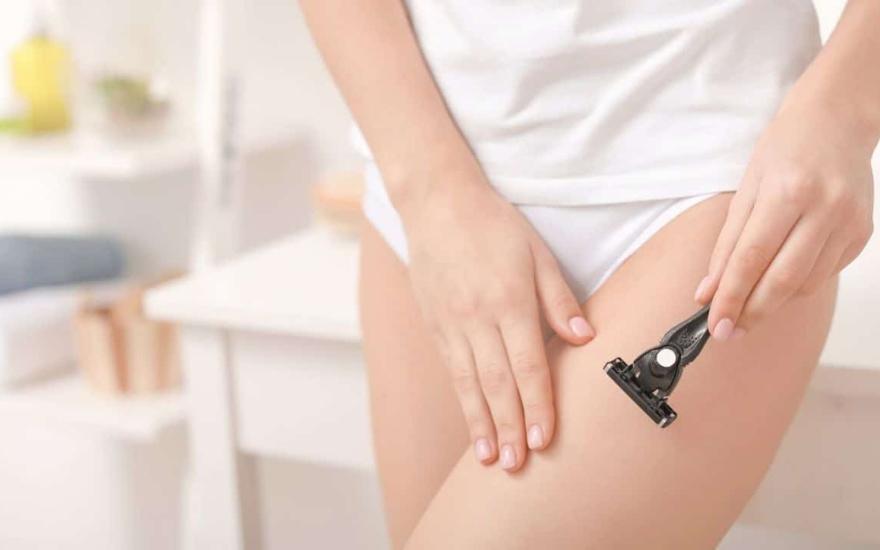
- Remove hair carefully: If you shave, use a clean, sharp razor and shave in the direction of hair growth. Do not stretch the skin, and avoid shaving or removing hair over inflamed, broken or pustular skin.
- Choose hair-removal methods carefully: Waxing and hair-removal creams can irritate the skin and may contribute to ingrown hairs. Professional laser hair reduction may be considered for recurrent ingrown hairs; seek advice from a qualified clinician.
- Wear breathable clothing: Choose well-fitting, breathable underwear, such as cotton, and avoid clothing that is too tight.
6. Private, effective care for folliculitis at Hong Ngoc General Hospital
Folliculitis in the genital area is not usually serious, but it can affect a person’s comfort and wellbeing. Applying medication without medical advice or squeezing the bumps may worsen the infection and increase the risk of scarring.
If your symptoms persist or do not improve, consider seeking care through the Obstetrics and Gynaecology service at Hong Ngoc General Hospital. The hospital offers experienced dermatology and obstetrics and gynaecology clinicians, modern diagnostic equipment, and private consultations that respect patient confidentiality. The care team can assess the cause and recommend an appropriate treatment plan.
7. Frequently asked questions about folliculitis in the genital area
Here are answers to common questions about folliculitis from the specialists at Hong Ngoc General Hospital.
7.1. Can folliculitis in the genital area clear up on its own?
It depends on the severity. Mild, superficial folliculitis may improve with appropriate skin care. However, seek medical advice if the affected area spreads, becomes very painful or pus-filled, is accompanied by a fever, or keeps recurring. Deeper infections, such as boils or clusters of boils, may need medical treatment. As it can be difficult to judge the severity yourself, consult a doctor for an accurate diagnosis and appropriate care.
7.2. How long does folliculitis in the genital area take to clear up?
The recovery time depends on the severity, the cause and how the condition responds to treatment. Mild cases often improve within 7–10 days, but deeper or more severe infections may take longer and require medical treatment. pcds.org.uk If symptoms persist or worsen, see a doctor.
Folliculitis in the genital area can often be managed effectively with early, appropriate care. We hope this information helps you understand its causes, treatment and prevention. If you notice unusual symptoms, contact a specialist for advice and care.