


Obesity treatment is shifting from a focus on weight loss alone to the comprehensive management of a chronic disease. This trend was highlighted by experts from Vietnam and Taiwan, China, at the Comprehensive Weight Management Symposium, with a focus on a multidisciplinary treatment model aimed at improving long-term outcomes.
Comprehensive Weight Management Symposium: toward a shared goal beyond weight loss to whole-person health management
According to the World Health Organization (WHO), in 2022, approximately 2.5 billion adults worldwide were overweight, including nearly 890 million living with obesity. In Vietnam, an estimated 20 million people are overweight or obese, accounting for nearly 20% of the population. These figures show that obesity is no longer merely an individual health concern, but has become a growing burden on the healthcare system.
Citing data from the World Obesity Atlas 2025, Prof. Dr. Weu Wang, Deputy Director of Taipei Medical University Hospital in Taiwan, China, stated that if current trends continue, the world could have approximately 2.9 billion adults living with overweight or obesity by 2030.
Against this backdrop, on August 1, Hong Ngoc General Hospital organized the scientific symposium “Comprehensive Weight Management Symposium”
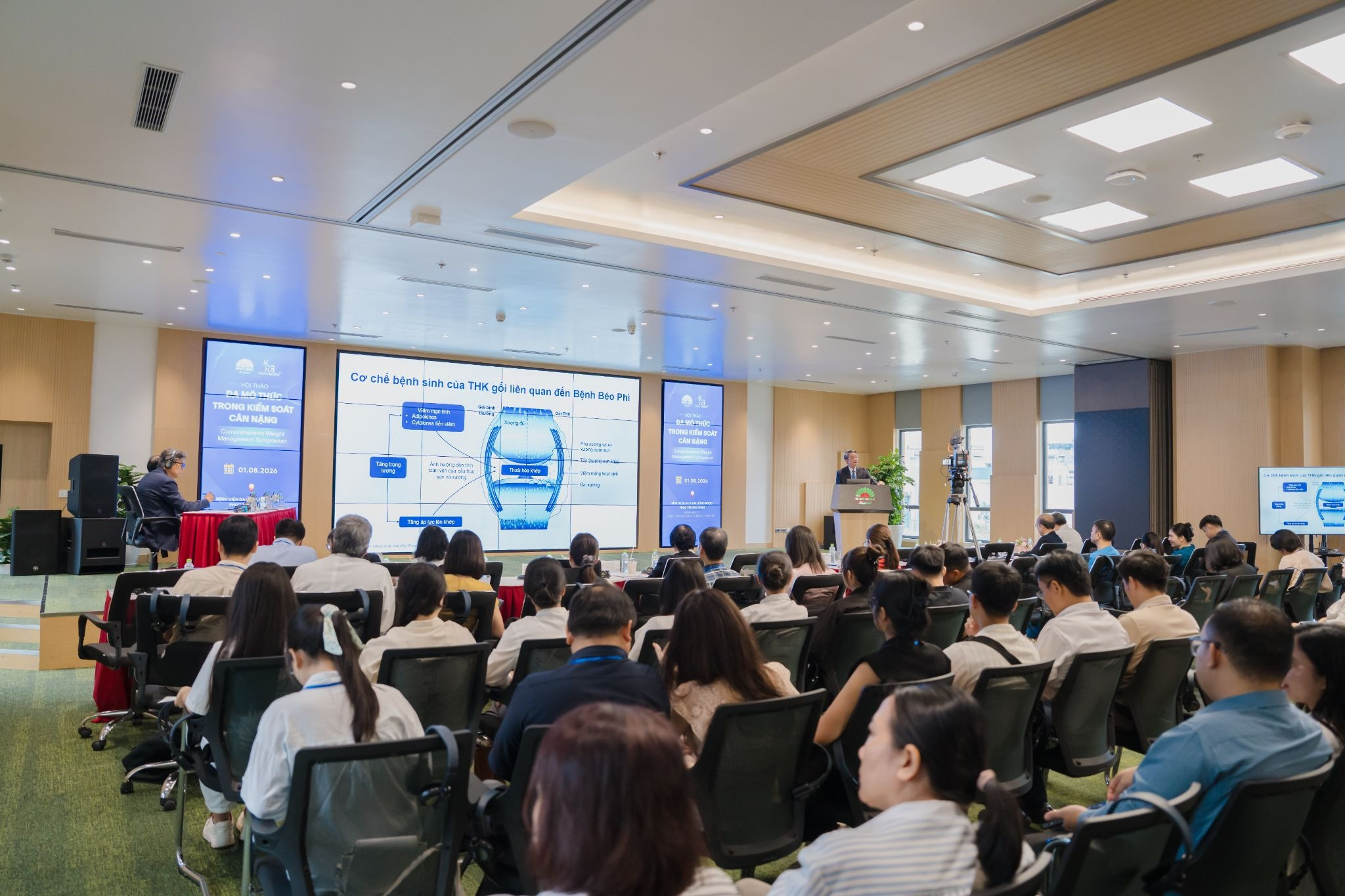
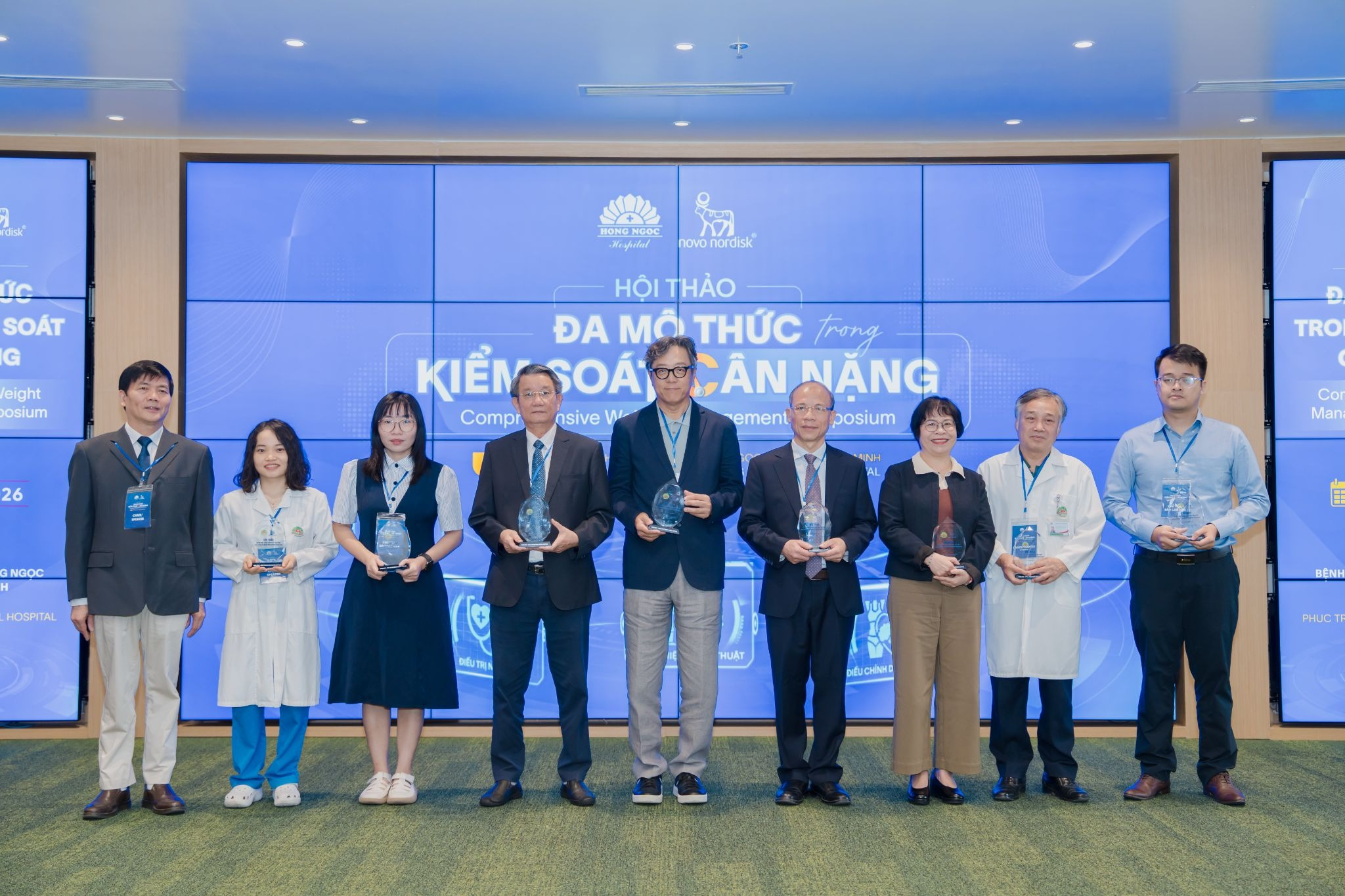
The symposium attracted more than 100 doctors and invited guests, with the participation of leading experts in obesity treatment and metabolic disorders. Notable attendees included Prof. Weu Wang, MD, Deputy Director of Taipei Medical University Hospital, Taiwan; Assoc. Prof. Do Trung Quan, MD, PhD, President of the Hanoi Association of Endocrinology and Diabetes; Assoc. Prof. Nguyen Khoa Dieu Van, MD, PhD, Vice President of the Vietnam Association of Endocrinology and Diabetes; Assoc. Prof. Nguyen Xuan Hung, MD, PhD, Head of the Surgical Division at Hong Ngoc General Hospital and Chair of the symposium; Nguyen Thanh Tam, MD, PhD, Head of the General Surgery Department at Hong Ngoc General Hospital; along with specialists in nutrition, psychology and rehabilitation.
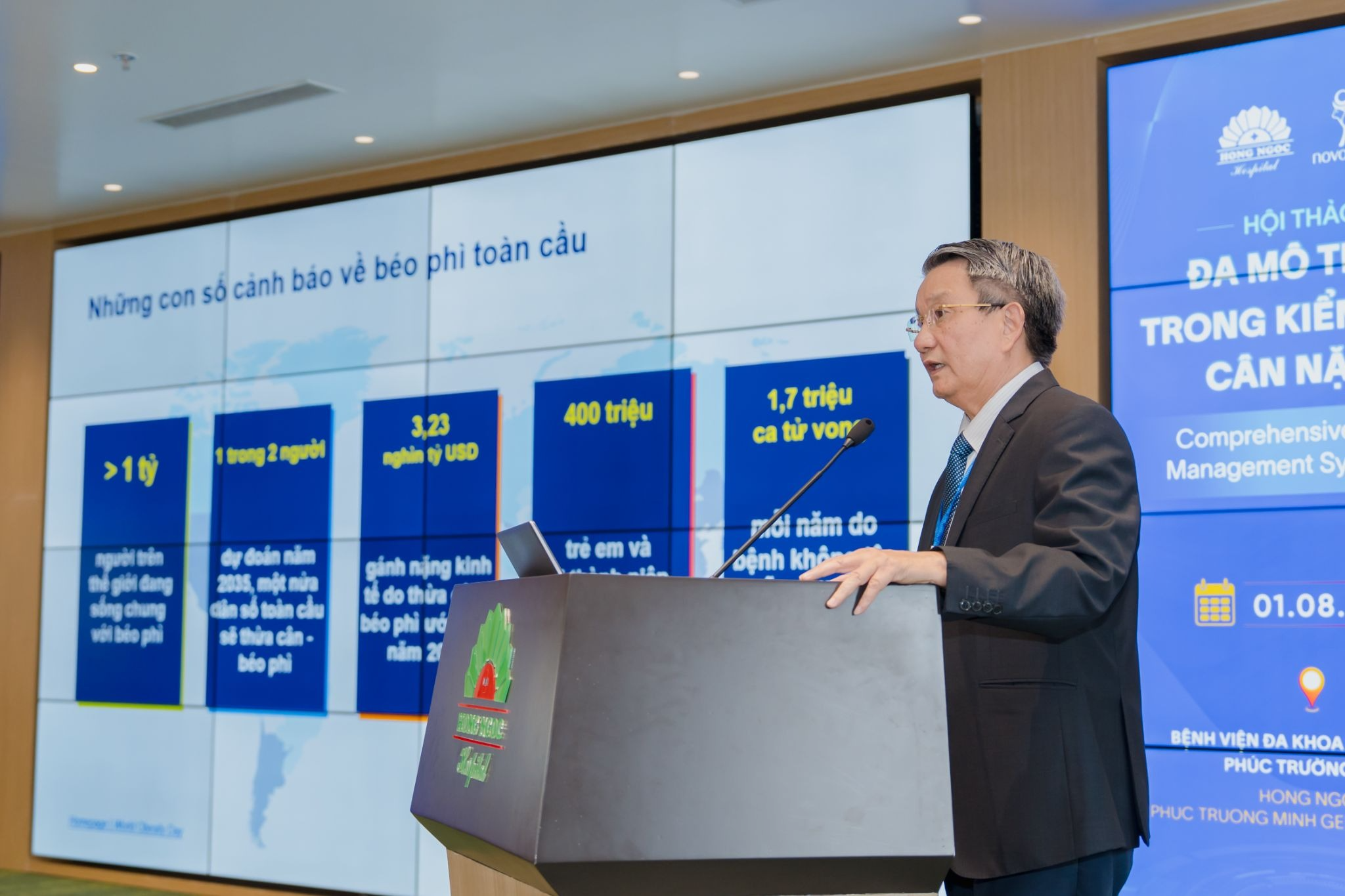
In the opening presentation of the symposium, Assoc. Prof. Do Trung Quan, MD, PhD, President of the Hanoi Association of Endocrinology and Diabetes, emphasized that obesity is a chronic disease with complex pathophysiological mechanisms, closely associated with type 2 diabetes, cardiovascular disease and multiple metabolic disorders. Therefore, it requires long-term management rather than a focus solely on weight loss.
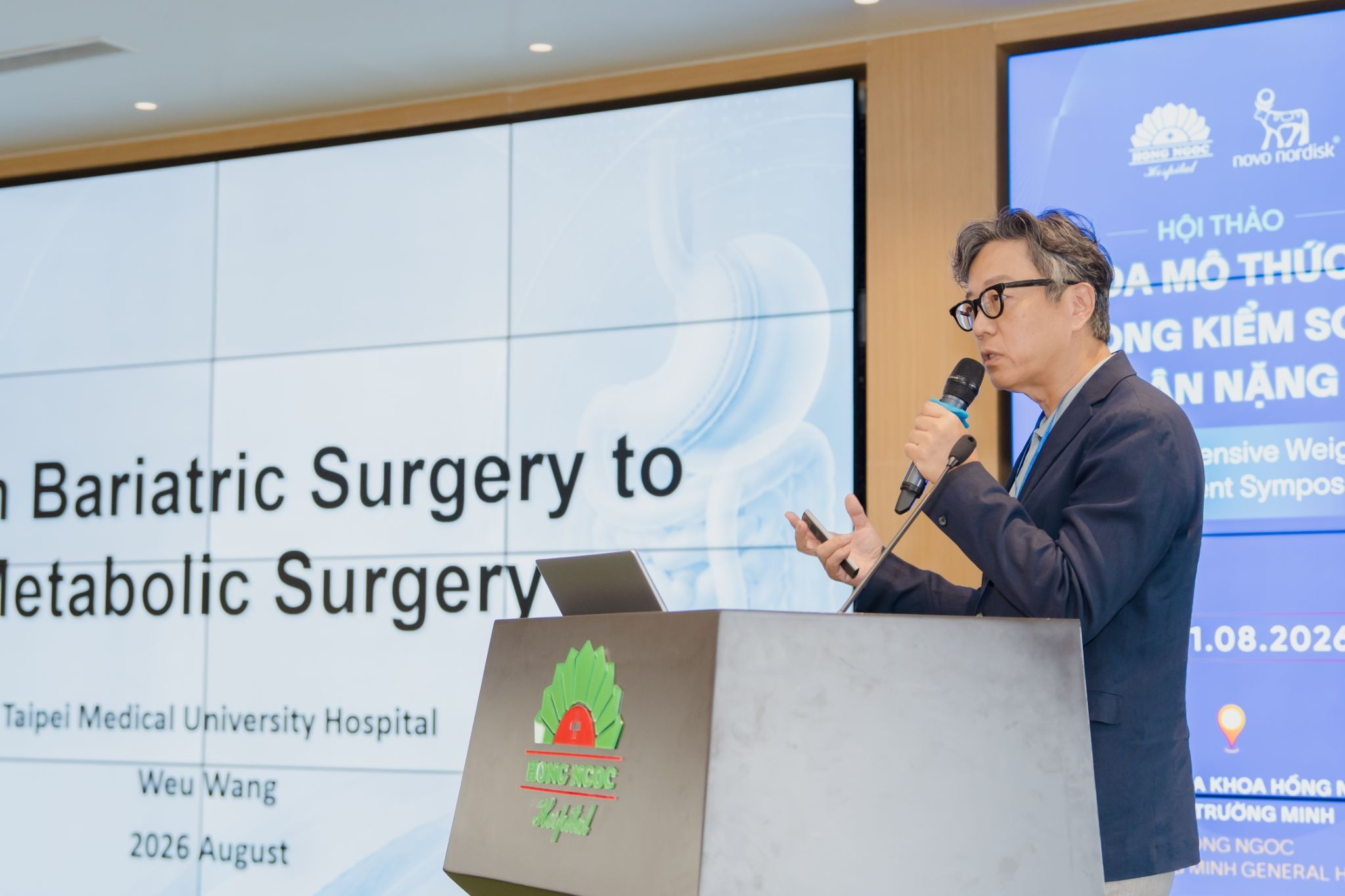
Following this, Prof. Weu Wang, MD, Deputy Director of Taipei Medical University Hospital in Taiwan, China, and a leading global expert in metabolic surgery, also highlighted a noteworthy reality: “Over the past two decades, medical advances have helped reduce overall mortality from cardiovascular disease. However, cardiovascular deaths associated with overweight and obesity have increased by as much as 300%. This shows that obesity is not merely a matter of body weight, but a direct threat to cardiovascular health and life expectancy.”
Obesity is becoming an increasingly significant burden on public health. However, many people still view obesity treatment simply as weight loss, without sufficient attention to associated comorbidities. In reality, these conditions can both contribute to weight gain and result from obesity, creating a complex pathological cycle.
Multimodal treatment: a modern approach to obesity management
Amid the need for comprehensive management of obesity and its comorbidities, Assoc. Prof. Nguyen Xuan Hung, MD, PhD, Head of the Surgical Division at Hong Ngoc General Hospital, emphasized: “There is no single method that serves as the only solution for obesity. Medical treatment, nutrition, psychological support, physical activity and surgery each play a distinct role and complement one another to create a comprehensive and sustainable treatment plan.”
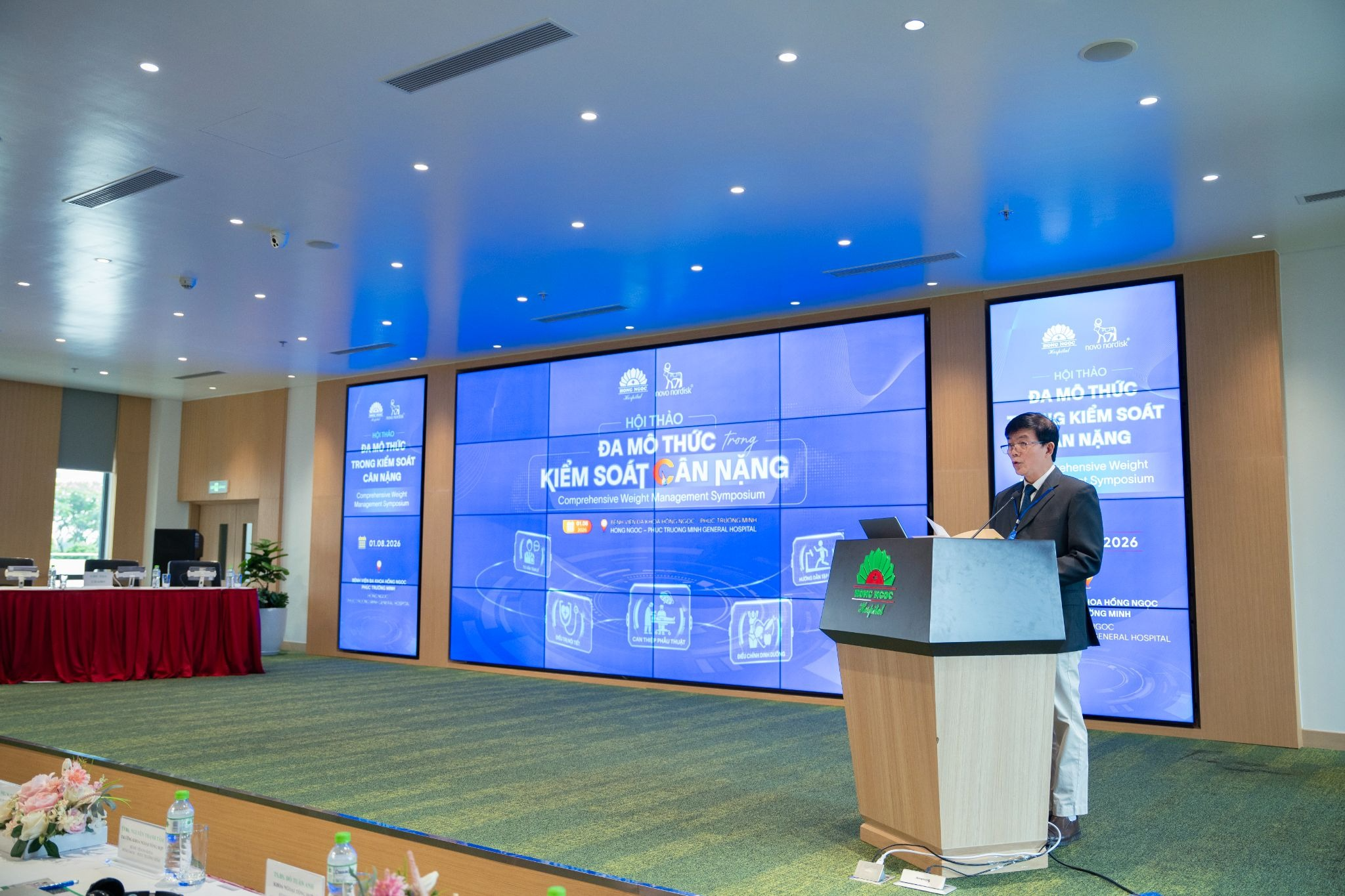
In this spirit, the presentations at the symposium provided updates on recent advances in medical treatment, psychological care, nutrition, rehabilitation and surgery, reflecting the comprehensive approach currently being adopted by many obesity treatment centers worldwide.
In her presentation, “Pharmacotherapy for Obesity Management” Assoc. Prof. Nguyen Khoa Dieu Van, MD, PhD, Vice President of the Vietnam Association of Endocrinology and Diabetes, noted that new-generation anti-obesity medications have expanded treatment options for patients. However, these therapies are effective only when prescribed to appropriate candidates and combined with lifestyle modification.
Notably, two in-depth presentations, “Evolution of Bariatric Surgery to Metabolic Surgery” by Prof. Weu Wang, MD, and “Interventional and Surgical Management of Obesity Reported in Vietnam: An Overview of Evidence and Initial Outcomes” by Nguyen Thanh Tam, MD, PhD, provided updates on the real-world effectiveness of metabolic surgery. The two experts agreed that surgery is no longer merely a weight loss method, but a therapeutic approach for metabolic disorders that can help improve multiple obesity-related comorbidities and should be performed only with appropriate indications.
From symposium to clinical practice: metabolic surgery and multimodal treatment for complex obesity cases
A key highlight of the symposium was the analysis of six obesity cases treated with metabolic surgery at Hong Ngoc General Hospital. All six patients had long-standing obesity accompanied by multiple comorbidities, including type 2 diabetes, hypertension, fatty liver disease, sleep apnea and metabolic disorders. They had also experienced repeated failure with conventional weight loss methods.
Ahead of the symposium, Prof. Weu Wang, MD, and the medical team at Hong Ngoc General Hospital held a professional discussion on these complex obesity cases, providing the basis for developing appropriate metabolic surgery plans.

After surgery, all six patients were clinically stable and continued to receive follow-up care and individualized long-term treatment planning through the coordination of a multidisciplinary team, including gastrointestinal surgery, endocrinology, nutrition, psychology and rehabilitation.
The experts also emphasized that metabolic surgery is not a standalone option, but rather one component within a broader obesity treatment strategy. Long-term effectiveness depends on pre-intervention preparation, as well as ongoing follow-up, nutritional adjustment, physical activity and postoperative micronutrient supplementation.
“The effectiveness of surgery is measured not only by the amount of weight lost, but also by the ability to maintain long-term outcomes, improve metabolic disorders and enhance quality of life. Therefore, patients need long-term follow-up and continued support after the intervention” Nguyen Thanh Tam, MD, PhD, shared.
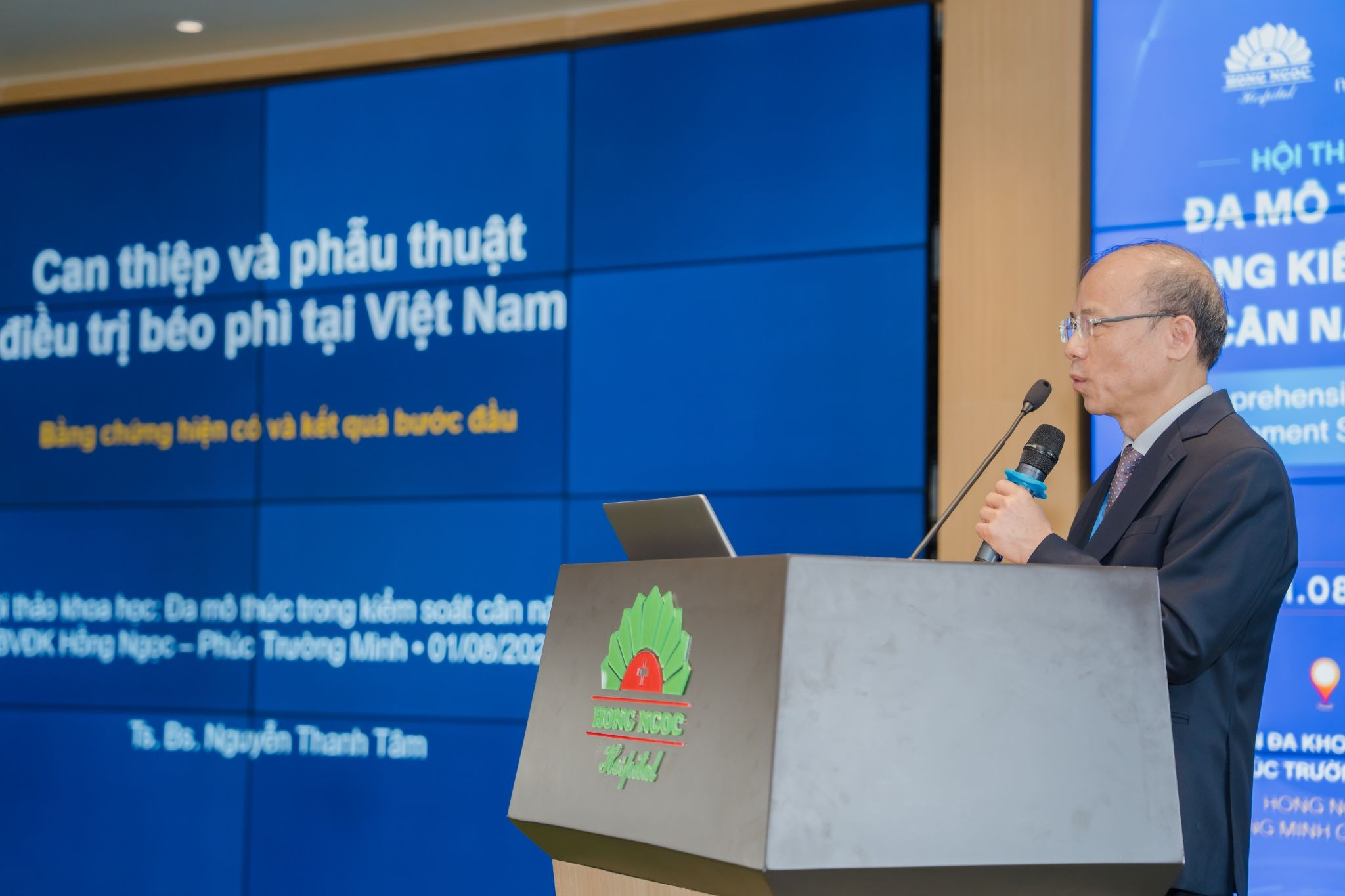
Through the knowledge and practical experience shared by leading experts at the symposium, Hong Ngoc General Hospital is progressively refining a comprehensive, multimodal and individualized obesity management pathway, with the goal of achieving sustainable disease control, reducing obesity-related complications and improving patients’ quality of life.