



Heart rate can serve as a warning sign of many serious cardiovascular conditions. Therefore, heart rate monitoring is important, as it helps detect abnormalities early so that timely medical evaluation and treatment can be provided.
What is heart rate?
Heart rate is the number of times the heart beats in one minute. Each heartbeat helps pump oxygen rich blood to the body’s organs and return oxygen poor blood to the lungs. Heart rate changes throughout the day to adapt to different levels of physical activity and environmental conditions.
During physical activity, the heart rate usually increases. It may also rise when a person feels frightened or overly excited. During rest or relaxation, the heart rate slows down because the body requires less energy at that time.
Heart rate is an important indicator of cardiovascular health as well as overall health. If the heart rate is too fast or too slow, it may be a warning sign of cardiovascular disease or other health problems. Therefore, regular heart rate monitoring is recommended.
Factors affecting heart rate
Heart rate can be influenced by many different factors, including:
- Physical activity: During strenuous activity, the heart rate increases. Conversely, when a person is sitting, resting, or relaxing, the heart rate becomes slower.
- Body position: When changing position from sitting to standing, the heart rate may change and increase slightly. After a few minutes, it usually returns to normal.
- Air temperature: When temperature and humidity rise, the heart rate may also increase due to the greater demand for blood circulation.
- Emotions: Stress, nervousness, anxiety, or intense happiness can also cause the heart rate to rise.
- Body weight: People who are overweight or obese often have a higher heart rate than those with a healthy body weight.
- Medication use: Certain medications may affect heart rate. For example, thyroid medications often increase the heart rate, while medications that block the effects of adrenaline may slow it down.
How to measure heart rate
Heart rate can be measured by healthcare professionals, with medical devices, or by individuals at home.
For home measurement, the following two steps can be followed:
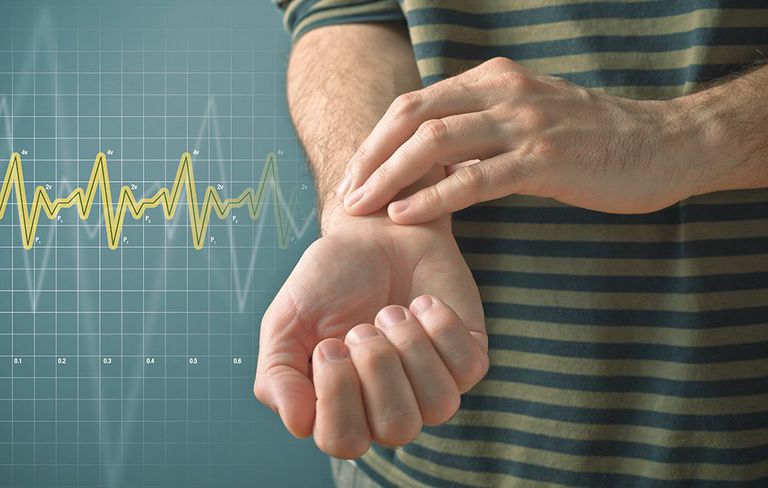
- Step 1: Place the index and middle fingers on the wrist, just below the jawbone, or between the trachea and the large muscles of the neck. Gently press the two fingers on the correct area until the pulse can be felt.
- Step 2: Count the heartbeats. A stopwatch or timer should be used to count the number of beats over one minute. The number of beats counted within one minute is the heart rate.
- This method is simple and can be performed at home. For a more accurate measurement or when combined with a general health checkup, individuals should visit a reputable medical facility for examination.
When is heart rate considered abnormal?
Heart rate is an important health indicator. Therefore, early recognition of whether a heart rate is normal or abnormal can help detect underlying medical conditions and ensure timely treatment.
Abnormal heart rate generally falls into two categories:
Tachycardia
In adults, tachycardia is generally defined as a heart rate above 100 beats per minute while the body is at rest. If the heart rate suddenly increases, especially when accompanied by shortness of breath, fatigue, or dizziness, medical evaluation should be sought promptly.
Tachycardia may be a warning sign of infection, cardiac arrhythmia, electrolyte imbalance, or endocrine disorders such as thyroid disease.
Bradycardia
In adults, bradycardia is generally defined as a heart rate below 60 beats per minute while the body is at rest.
If a slow heart rate is accompanied by fainting, dizziness, or fatigue, patients should seek medical attention promptly. This may be a warning sign of problems with the heart’s electrical conduction system, medication side effects, electrolyte imbalance, or other underlying health conditions.
When should abnormal heart rate be examined by a doctor?
A normal heart rate can change in response to emotions, physical activity, and other daily factors. However, abnormal changes in heart rate may also be a warning sign of an underlying medical condition that requires early evaluation and treatment.
People should visit a cardiology specialist as soon as possible if they experience the following heart rate related symptoms:
- Irregular heart rhythm, with episodes of fast and slow heartbeat, accompanied by shortness of breath or chest pain.
- An abnormally fast or slow heartbeat accompanied by nervousness, dizziness, or palpitations.
- A previously normal heart rhythm suddenly becoming irregular after taking a certain medication.
- Heart rhythm disturbance accompanied by unusual symptoms such as unexplained weight loss, headache, excessive sweating, or prolonged fatigue.

Measures to protect heart rate
Maintaining a normal and stable heart rate is essential for overall health. A normal heart rate is not only a sign of good cardiovascular health but also helps protect the body’s organs.
To maintain a normal heart rate, the following measures should be taken:
Avoid stress and negative emotions
Emotional instability, frequent tension, and chronic stress can place a significant burden on the heart. Therefore, people should try to maintain a positive mindset and avoid prolonged stress. Positive emotional energy is not only beneficial for cardiovascular health but also supports overall well being.
Avoid alcohol and tobacco
Stimulants such as alcohol and tobacco are harmful to human health. Nicotine in cigarettes not only affects the lungs but also has adverse effects on the cardiovascular system, as it stimulates adrenaline production and causes the heart to beat faster.
Maintain a healthy body weight
Rapid weight gain, body imbalance, and obesity can contribute to dyslipidemia and cardiovascular problems. When body weight is excessive, the heart may have more difficulty supplying oxygen and nutrients to the body, forcing it to contract faster and more forcefully to increase blood flow. As a result, the heart rate may increase.
Exercise regularly
Maintaining a regular exercise routine is one of the best ways to protect cardiovascular health and overall well being. Regular physical activity with gentle and appropriate exercises can help maintain a normal heart rate and support a healthier heart.
Follow a healthy diet
Nutrition directly affects the cardiovascular system and other organs in the body. Maintaining a healthy diet, such as eating plenty of green vegetables, drinking enough water, ensuring adequate intake of vitamins and minerals, and limiting greasy foods and foods high in cholesterol, can help keep the heart healthy and maintain a stable heart rate.
Have regular cardiology checkups

Another important measure to maintain a normal and stable heart rate is to have regular cardiology checkups. These examinations help doctors detect abnormalities early so that timely and effective treatment can be provided. During the consultation, doctors can also advise on a suitable diet and lifestyle based on each person’s health condition, helping better protect cardiovascular health.
To schedule a cardiology consultation with specialists at Hong Ngoc Hospital, please register here.
Note: The information provided in this article by Hong Ngoc General Hospital is for reference purposes only and is not intended to replace professional medical diagnosis or treatment. Patients should not purchase or use medications on their own for treatment. To accurately determine their medical condition, patients should visit a hospital for direct examination, diagnosis, and consultation with a physician on an appropriate treatment plan.
Follow the official fanpage of Hong Ngoc General Hospital for more useful health information.