


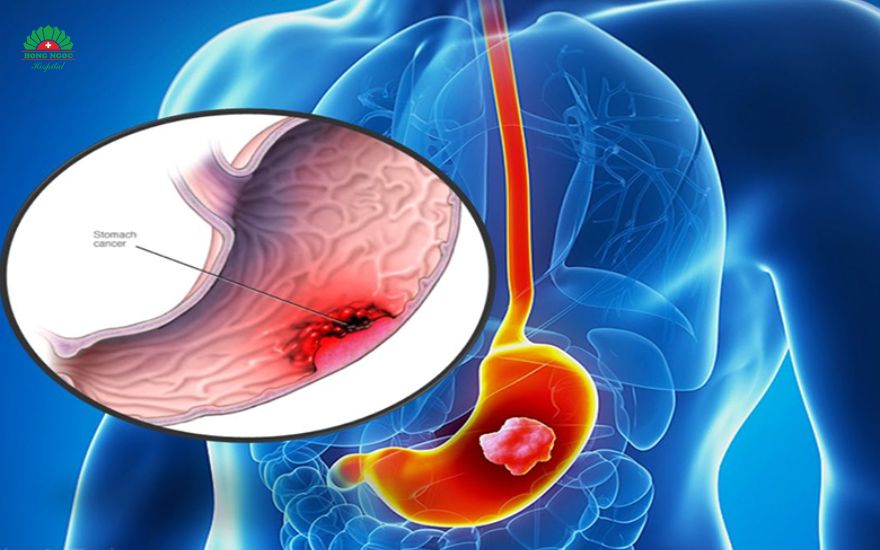
Gastric cancer is one of the most common malignant diseases, characterized by a high propensity for metastasis and a significant mortality rate. Early recognition of warning signs and regular health screening enable detection of gastric cancer at an early stage, thereby facilitating timely intervention and improving treatment outcomes.
Overview of gastric cancer
What is gastric cancer?
Gastric cancer is a condition in which cells of the gastric mucosa undergo abnormal, uncontrolled proliferation, forming malignant tumors. These tumors may spread locally, invade the gastric wall, and metastasize to other organs of the body.
Five stages of gastric cancer progression
Gastric cancer typically progresses through five main stages, including:
- Stage 0: Cancer is confined to the mucosal layer of the gastric wall (carcinoma in situ).
- Stage I: The tumor has invaded deeper layers of the stomach but has not spread to regional lymph nodes or distant organs.
- Stage II: Cancer has penetrated further into the gastric wall and may involve nearby regional lymph nodes.
- Stage III: Malignant cells have spread more extensively, potentially invading through the full thickness of the gastric wall and/or involving multiple regional lymph nodes.
- Stage IV: This is the advanced stage, in which cancer has metastasized to distant organs such as the liver, lungs, or bones, and is associated with a high mortality rate.
Signs of gastric cancer
In the early stages, signs of gastric cancer are often vague, nonspecific, and may be entirely asymptomatic.
Common early warning signs
- Epigastric pain or discomfort: Pain or discomfort in the upper abdomen, beneath the sternum, which may initially improve after meals but later become persistent.
- Indigestion, bloating, and heartburn: Sensations of postprandial fullness, dyspepsia, or prolonged heartburn.
- Loss of appetite and weight loss: Reduced appetite and early satiety leading to unexplained weight loss despite no significant change in dietary intake.
- Nausea and vomiting: Recurrent nausea or episodes of vomiting.
Signs in advanced or late-stage disease
- Gastrointestinal bleeding: Vomiting fresh blood or dark, coffee-ground–like material; passage of black, tarry stools (melena), indicating upper gastrointestinal bleeding originating from the stomach.
- Anemia: Pallor of the skin and mucous membranes, fatigue, and generalized weakness due to chronic blood loss.
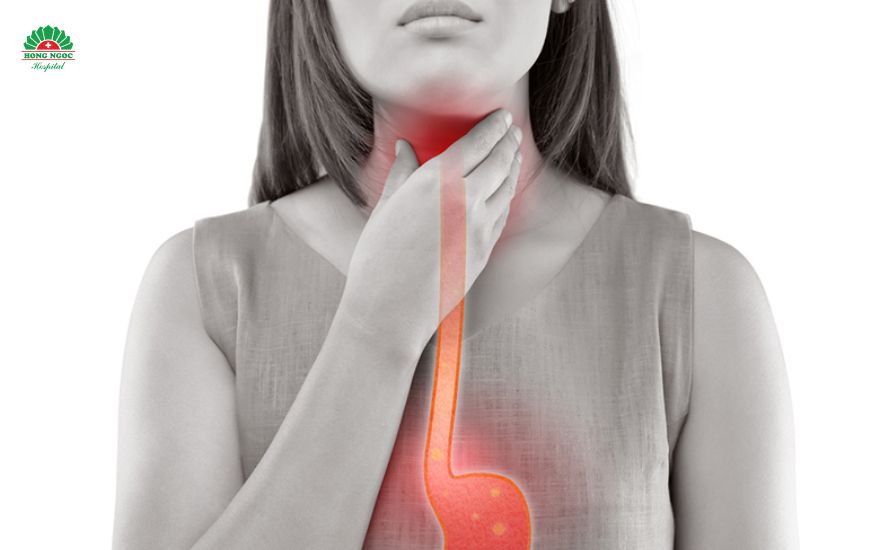
- Dysphagia: A sensation of obstruction or difficulty swallowing, particularly as the tumor progresses.
- Progressive weight loss: Marked physical debilitation, weight loss, and impaired nutritional absorption.
- Jaundice: Yellowing of the skin and sclera, which may occur when the disease has metastasized to the liver.
- Ascites: Abdominal distension caused by fluid accumulation in the peritoneal cavity, typically seen in cases of peritoneal metastasis.
Gastric cancer often progresses silently; therefore, regular health screening—particularly upper gastrointestinal endoscopy—is essential for early detection.
Periodic gastric cancer screening enables early diagnosis and timely treatment of this potentially life-threatening disease. At the Hong Ngoc Gastroenterology Center – Hong Ngoc General Hospital, gastric cancer screening is performed using safe and highly accurate endoscopic services, supported by an experienced team of specialists and advanced medical equipment. Streamlined procedures, a clean and modern clinical environment, and dedicated healthcare professionals ensure a high-quality, patient-centered medical experience.
Individuals at risk of gastric cancer
Individuals in the following high risk groups are strongly advised to undergo gastric cancer screening:
- People over 40 years of age
- Individuals with a family history of gastric cancer, familial adenomatous polyposis, or hereditary non polyposis colorectal cancer
- Patients with chronic gastritis or peptic ulcer disease, especially those infected with Helicobacter pylori
- Individuals who have previously undergone partial gastrectomy
- People with dietary habits that include frequent consumption of salted foods, grilled foods, or poorly preserved foods
- Individuals who smoke cigarettes or regularly consume alcohol
- People presenting with symptoms suggestive of gastric cancer, such as persistent epigastric pain, frequent belching, prolonged acid regurgitation, anemia, or unexplained weight loss
Causes of gastric cancer
Gastric cancer is primarily caused by the following factors:
- Precancerous gastric lesions: Chronic gastritis, long standing atrophic gastritis, and gastric adenomatous polyps are recognized precancerous conditions that may progress to gastric malignancy if not appropriately monitored and managed.
- Helicobacter pylori infection: Infection with Helicobacter pylori leads to chronic inflammation and peptic ulceration of the gastric mucosa, promoting the development of precancerous changes and significantly increasing the risk of gastric cancer.
- Family history and genetic factors: Individuals with a first degree relative diagnosed with gastric cancer have a higher risk of developing the disease, suggesting an important role of genetic susceptibility.
- Post gastrectomy changes: Patients with a history of gastric surgery are at increased risk of gastric cancer due to long term alterations in gastric physiology. Regular surveillance is strongly recommended in this population to enable early detection.
- Unhealthy dietary habits: High intake of salt, salted or cured meats and fish, smoked foods, pickled vegetables, mold contaminated foods, or poorly preserved products is associated with an increased risk of gastric carcinogenesis.
- Lifestyle related factors: Cigarette smoking, excessive alcohol consumption, and obesity are well established risk factors that contribute to the development of gastric cancer.
In addition, other factors such as advancing age, blood group, living environment, and exposure to toxic chemicals are also associated with an increased risk of gastric cancer.
Diagnostic methods for gastric cancer
Upper gastrointestinal endoscopy and biopsy
Flexible upper gastrointestinal endoscopy is the most accurate method for diagnosing gastric cancer, particularly for detection at a very early stage. With advanced endoscopic systems incorporating image enhancement, chromoendoscopy, and high magnification, subtle and localized mucosal lesions can be clearly visualized, allowing targeted biopsy and significantly improving the likelihood of early cancer detection.
Hong Ngoc General Hospital is currently implementing NBI EXTRA III gastrointestinal endoscopy technology, offering up to 150 times magnification with narrow band imaging. This advanced technique enables precise biopsy and highly sensitive detection of early stage gastric cancer.
For detailed consultation, please contact the hotline 0911 908 856.

Biopsy: When a suspicious lesion is identified, the physician obtains a small tissue sample for histopathological examination under microscopy to determine whether the cells are malignant or benign. This method is considered the gold standard for the diagnosis of gastric cancer.
Imaging studies
- Endoscopic ultrasound (EUS): Used to assess the depth of tumor invasion into the gastric wall and evaluate regional lymph node involvement.
- Computed tomography (CT): Performed to determine the extent of local tumor spread, regional lymph node metastasis, and distant metastases to other organs.
- Magnetic resonance imaging (MRI): Similar to CT, MRI is utilized for more detailed evaluation of tumor spread and metastatic disease in gastric cancer.
Tumor marker testing
Tumor marker tests, also known as cancer biomarkers, measure substances produced by cancer cells or generated by the body in response to malignancy. These markers can be detected in blood, urine, or tissue samples.
- Common tumor markers used in the evaluation of gastric cancer include CEA, CA 72-4, and CA 19-9. However, these biomarkers are not sufficient for a definitive diagnosis and must be interpreted by physicians in conjunction with clinical findings and other diagnostic modalities.
- Additional laboratory tests are performed to assess the degree of anemia, liver and renal function, and other relevant systemic parameters.
Treatment modalities for gastric cancer
The main therapeutic approaches for gastric cancer include surgery, chemotherapy, radiotherapy, targeted therapy, and immunotherapy. Selection of treatment depends on the stage of disease, tumor location, and the patient’s overall clinical condition. In most cases, a multimodal treatment strategy is applied to achieve optimal outcomes.
Endoscopic intervention
Endoscopic submucosal dissection (ESD) is an advanced endoscopic technique that enables complete removal of neoplastic lesions confined to the mucosal or submucosal layers while preserving gastric anatomy and function. This approach minimizes bleeding, reduces complications, and shortens recovery time.
At Hong Ngoc General Hospital, highly experienced endoscopic teams are capable of detecting and eradicating early gastric cancer lesions during endoscopy. Numerous cases have been successfully treated, allowing patients to be cured at an early stage through a minimally invasive, rapid, and safe procedure with no significant sequelae.For detailed consultation, please contact the hotline 0911 908 856.
Surgical treatment
Early-stage gastric cancer can be managed surgically. Depending on tumor stage and extent, patients may undergo partial or total gastrectomy.
Chemotherapy
Chemotherapy uses cytotoxic agents to destroy cancer cells and inhibit tumor growth. It may be administered as neoadjuvant therapy before surgery or as adjuvant therapy after surgery.
Radiotherapy
Radiotherapy may be used postoperatively, often in combination with chemotherapy as concurrent chemoradiotherapy, to reduce the risk of recurrence.
Targeted therapy
Targeted treatment involves monoclonal antibodies directed against specific molecular pathways, such as HER2/neu inhibition with trastuzumab, epidermal growth factor receptor (EGFR) inhibition with cetuximab, or vascular endothelial growth factor (VEGF) inhibition with bevacizumab.
Immunotherapy
Immunotherapy utilizes agents that modulate the patient’s immune system, enhancing its ability to recognize and eliminate cancer cells.
Prevention of gastric cancer
- Adopt a balanced and evidence based diet rich in dietary fiber and vitamins, while ensuring food safety and proper hygiene.
- Limit consumption of processed foods, canned products, ready to eat meals, foods high in fat, and foods with excessive salt content.
- Avoid tobacco use, alcohol consumption, and other harmful stimulants.
- Engage in regular physical activity to maintain overall health and a healthy body weight.
- Seek early medical evaluation and definitive treatment for gastric disorders, including chronic gastritis and gastric polyps.
- Undergo periodic health checkups and early gastrointestinal cancer screening, particularly in individuals with a family history of tumors or gastrointestinal malignancies.
Note: The information provided in this article by Hong Ngoc General Hospital is for reference purposes only and does not substitute for professional medical diagnosis or treatment. Patients should not self-medicate. For an accurate assessment of their medical condition, individuals are advised to visit a hospital or reputable healthcare facility for direct examination, diagnosis, and consultation on an appropriate treatment plan, as well as prescription of the most effective medications.
Gastroenterology Center – Hong Ngoc General Hospital
Hong Ngoc Phuc Truong Minh General Hospital – No. 8 Chau Van Liem Street, Tu Liem District, Hanoi
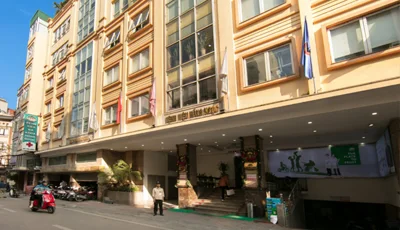
Hong Ngoc General Hospital – 55 Yen Ninh Street, Ba Dinh District, Hanoi
Hong Ngoc Tasco Long Bien Clinic – 3rd Floor, Building B, Tasco Megamall, 07–09 Nguyen Van Linh Street, Viet Hung Ward, Hanoi
Hotline: 0911 908 856 – 0932 232 016Email: trungtamtieuhoa@hongngochospital.vn
For more useful medical information and the latest promotional programs, please follow:https://www.facebook.com/trungtamtieuhoaBVHongNgoc