


Exhaustion may arise from multiple factors, including work related demands, psychological stress, or underlying health conditions. Notably, exhaustion is also a common symptom among individuals with cardiovascular disease. Therefore, people who experience frequent or persistent exhaustion should pay close attention to this condition and undergo medical evaluation to identify the cause and receive timely treatment. Within the scope of this article, we will focus on exhaustion associated with cardiovascular disease.
Frequent exhaustion: a health risk or a clinical manifestation?
Exhaustion is a common sensation that many individuals experience in daily life. While it may be related to psychological factors, it can also serve as a warning sign of serious health conditions, particularly cardiovascular disease.
Exhaustion is a frequent symptom in patients with heart disease, including heart failure, myocardial ischemia, and cardiac arrhythmias, and should therefore not be overlooked.
Recognizing signs of exhaustion
Exhaustion may present with various clinical manifestations. Although there is no single standardized set of diagnostic criteria for exhaustion, existing definitions consistently share common features associated with stress, overexertion, or underlying cardiovascular disease.

There are three main categories of signs associated with exhaustion, including:
- Persistent fatigue: A continuous decline in physical strength and emotional resilience, with increasing tiredness that makes it difficult or impossible to continue working.
- Social withdrawal: Individuals experiencing exhaustion often struggle to complete tasks and tend to blame themselves, leading to feelings of inadequacy and failure. As a result, they may develop a tendency to isolate themselves from others.
- Decline in work performance and quality of life: Exhaustion not only affects job performance but also interferes with family responsibilities and daily activities. Affected individuals often show reduced motivation, impaired concentration, and diminished creativity.
Causes of exhaustion related to cardiovascular disease
Myocardial ischemia
One of the most common causes of exhaustion is myocardial ischemia, which is a key manifestation of coronary artery disease.
Coronary artery disease develops when the coronary arteries supplying blood to the heart muscle become narrowed or obstructed due to the accumulation of lipid deposits and other substances along the arterial walls. When blood flow is restricted, the myocardium does not receive sufficient oxygen and nutrients to function effectively.
Insufficient myocardial perfusion and oxygenation can lead to a range of symptoms, including persistent exhaustion and fatigue. This occurs because the heart muscle is unable to work efficiently and meet the metabolic demands of the body.
In addition to exhaustion, patients with myocardial ischemia may experience other symptoms such as chest pain, shortness of breath, nausea, or palpitations. Without timely treatment, myocardial ischemia may result in serious complications, including acute coronary syndrome or myocardial infarction.
Cardiac arrhythmias
In addition, abnormal heart rhythms may also lead to exhaustion. Cardiac arrhythmias refer to conditions in which the heart rhythm does not follow its normal pattern. Common types of arrhythmias include tachycardia, bradycardia, and irregular heart rhythms.
Exhaustion may be a clinical manifestation of cardiac arrhythmias. When the heart rhythm is irregular, the heart is unable to function efficiently, resulting in inadequate delivery of blood and oxygen to body tissues. This impairment can lead to fatigue and persistent exhaustion.
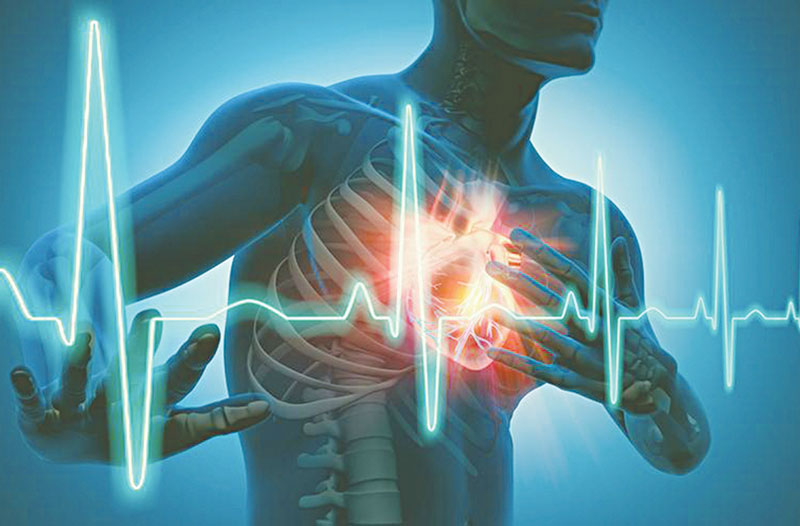
Other symptoms of cardiac arrhythmias may include rapid or slow heart rate, irregular heartbeat, chest pain, palpitations, dizziness, syncope, or even cardiac arrest.
If you suspect an arrhythmia and are experiencing exhaustion, you should seek medical care promptly. Physicians will assess your health status, perform appropriate diagnostic tests, and evaluate clinical manifestations to establish an accurate diagnosis and recommend an appropriate treatment strategy.
Heart failure
Exhaustion may also result from heart failure, a condition in which the heart is unable to pump blood efficiently and cannot supply adequate blood flow and nutrients to meet the body’s needs. Heart failure can present with a wide range of symptoms, among which persistent exhaustion is one of the most common manifestations.
Below are several mechanisms explaining how heart failure may lead to exhaustion:
- Impaired cardiac pumping function: A weakened heart is unable to pump blood effectively, resulting in reduced blood flow to organs and tissues. This leads to decreased oxygen and nutrient delivery, thereby causing fatigue and exhaustion.
- Oxygen deficiency: When cardiac function is compromised, the body does not receive an adequate oxygen supply to sustain daily activities. Insufficient oxygenation can contribute to persistent fatigue and exhaustion.
- Fluid retention: Heart failure may lead to fluid accumulation within the body, including pulmonary congestion or edema of various tissues, creating a sensation of heaviness and physical fatigue.
- Medication related effects: Certain medications used in the treatment of heart failure may cause fatigue or reduced physical stamina, contributing to feelings of exhaustion.
Although heart failure is a serious medical condition, it can be effectively managed through strict adherence to the prescribed treatment regimen and medical guidance provided by physicians.
Reader may also be interested in:
Persistent fatigue: a warning sign of 13 serious medical conditions
Dizziness: causes, symptoms, and treatment
Cardiovascular diseases: etiology, clinical manifestations, and effective preventive strategies
Management of exhaustion in cardiovascular disease
To treat exhaustion associated with cardiovascular disease, the most important step is to identify and address the underlying cause. Accurate cardiovascular evaluation and diagnosis are essential. Based on the specific condition and its severity, treatment strategies may include:
- Lifestyle modification: For individuals with cardiovascular disease, lifestyle changes are essential. These include adopting a healthy diet, engaging in regular physical activity, managing stress, and smoking cessation.
- Pharmacological therapy: Physicians may prescribe medications to control symptoms and improve cardiovascular function. Commonly used drugs include antianginal agents, cholesterol lowering medications, antihypertensive agents, and antiarrhythmic drugs.
- Interventional or surgical procedures: In severe cases, surgical or interventional treatment may be indicated to address cardiovascular abnormalities, such as coronary artery opening, removal of blood clots, or vascular grafting.
Prevention of exhaustion in cardiovascular disease

In addition to treatment, preventing exhaustion plays a vital role in maintaining a healthy heart. The following measures may help reduce the risk of exhaustion:
- Maintain a healthy lifestyle: Follow a diet high in fiber and low in cholesterol and sodium, limit alcohol consumption, and avoid smoking. Engage in regular physical activity and ensure adequate sleep.
- Manage stress effectively: Learn to control stress through practices such as yoga, meditation, regular exercise, or engaging in leisure activities that you enjoy.
- Monitor cardiovascular health: Undergo regular cardiovascular check ups and adhere to scheduled follow up visits to closely monitor heart health.
If you experience persistent exhaustion, it should not be overlooked, especially in the presence of cardiovascular risk factors such as smoking, alcohol consumption, or a family history of heart disease.
Regular medical check ups and timely treatment at reputable healthcare facilities are strongly recommended. The Cardiology Department at Hong Ngoc General Hospital is a trusted center for cardiovascular evaluation, supported by a team of highly qualified specialists and advanced medical equipment, enabling the early detection of cardiovascular conditions and the development of appropriate and effective treatment plans.
Note: The information provided in this article by Hong Ngoc General Hospital is intended for reference purposes only and does not replace professional medical diagnosis or treatment. Patients should not self prescribe or self medicate. To accurately determine a medical condition, patients are advised to visit a medical facility for direct examination, diagnosis, and appropriate treatment planning by qualified physicians.
Follow the Hong Ngoc General Hospital fanpage for more useful and up to date health information.