


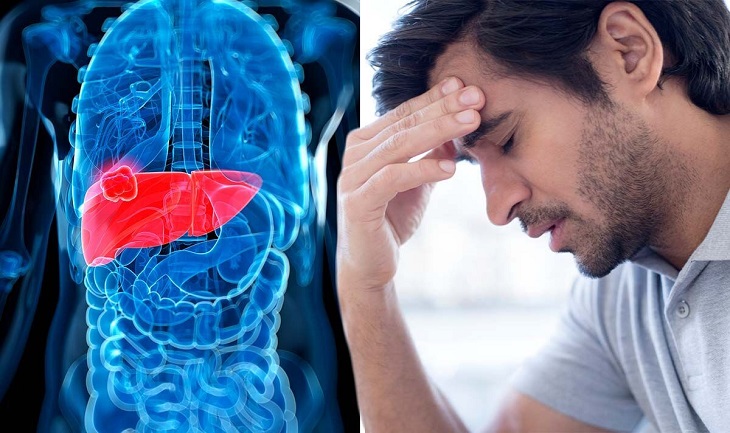
Patients with end-stage liver cancer have a poor prognosis. Clinical symptoms become more pronounced, significantly affecting both overall health and daily functioning. At this stage, survival outcomes are limited, and available treatment modalities often yield suboptimal efficacy.
Clinical manifestations of end-stage liver cancer
Symptoms of end-stage liver cancer are typically pronounced and significantly impact both the patient’s health status and daily activities. Common clinical manifestations include:
Jaundice and pallor
This is a common clinical manifestation in patients with end-stage liver cancer. At this stage, the tumor is typically large, causing compression and biliary obstruction between the liver and gallbladder. Impaired bile metabolism leads to elevated bilirubin levels, resulting in jaundice of the skin and sclera, along with a pale or sallow complexion.

Persistent pain
Patients with end-stage liver cancer often experience continuous abdominal pain, typically described as a tight or pressure-like sensation. Pain may be intermittent or persistent, resulting from tumor enlargement, local compression, or metastatic spread.
Additionally, pain may be exacerbated by treatment modalities such as chemotherapy, radiotherapy, or postoperative effects. Analgesics can be used for symptom control; however, excessive use may further impair hepatic function.
Gastrointestinal bleeding
One of the most severe complications in end-stage liver cancer is gastrointestinal bleeding. Tumor progression can lead to portal hypertension, causing esophageal varices and vascular rupture, resulting in acute blood loss that may be life-threatening without prompt intervention.
Typical clinical manifestations include hematemesis (vomiting fresh blood), melena (black tarry stools), and persistent or colicky abdominal pain.

Ascites
In end-stage liver cancer, ascites commonly develops due to fluid accumulation in the peritoneal cavity as a result of impaired hepatic function and portal hypertension. This leads to abdominal distension, discomfort, and may be accompanied by lower limb edema, affecting mobility.
Hepatomegaly
Liver enlargement is a prominent clinical sign in advanced liver cancer. As the tumor increases in size, it may become palpable on abdominal examination. Patients may also exhibit rapid physical deterioration, along with signs such as hair loss and spider angiomas on the skin.
Fatigue, anorexia, and weight loss
Patients often experience persistent fatigue even at rest. This is frequently associated with loss of appetite and reduced oral intake, leading to significant and rapid weight loss, with some patients losing 5 - 6 kg within a single month.

Dyspnea
Patients with end-stage liver cancer may experience respiratory difficulties. Clinical manifestations can include chest tightness, wheezing, respiratory insufficiency, or even airway obstruction in severe cases.
Nausea and vomiting
Nausea and vomiting are common symptoms in advanced liver cancer. These may result from treatment-related side effects (chemotherapy, radiotherapy), analgesic use, tumor compression, metastasis to the gastrointestinal tract, bowel obstruction due to tumor burden, or psychological factors.
Gastrointestinal disturbances
Severe hepatic dysfunction in end-stage disease significantly affects digestive processes, leading to symptoms such as constipation, diarrhea, bloating, dyspepsia, and increased bowel movement frequency.

Prognosis of end-stage liver cancer
The survival prognosis of patients with end-stage liver cancer depends on multiple factors, including tumor size, extent of cellular damage, presence of metastasis, the condition of surrounding liver tissue, and overall patient health.
The estimated 5-year survival rate for advanced-stage liver cancer is approximately 15%, largely due to the presence of underlying comorbidities and late-stage diagnosis.
- Patients with liver cancer confined to the liver: 5-year survival rate around 28%
- Patients with regional spread to adjacent structures: 5-year survival rate around 7%
- Patients with distant metastasis: survival is significantly reduced, with life expectancy typically around 2 years
Management of end-stage liver cancer
Treatment for end-stage liver cancer is primarily palliative, aiming to prolong survival and alleviate symptoms, particularly pain and discomfort. Depending on the patient’s clinical condition and overall health status, physicians may recommend immunotherapy, analgesic therapy, or interventional pain management.
Pain management
Analgesics may be prescribed to relieve pain, as well as to manage fatigue and general weakness, thereby improving the patient’s quality of life and reducing discomfort.

Interventional pain management
In patients with end-stage cancer who are unable to tolerate or respond adequately to systemic analgesics, image-guided pain intervention may be considered. Under radiological guidance, analgesic agents are precisely injected to block targeted nerve pathways, thereby relieving tumor-related pain.
This approach can provide rapid symptom relief, improve physical condition and psychological well-being, with effects that may last for several months depending on the disease status.
Care for patients with end-stage liver cancer
Supportive care plays a crucial role in improving quality of life and maintaining psychological well-being in patients with end-stage liver cancer. Caregivers should pay attention to the following aspects:
- Positioning and skin care: Patients are often bedridden and physically physically weak . Regular repositioning is essential to prevent pressure ulcers and tissue necrosis.
- Nutritional support: Dietary intake should be adjusted by limiting high-protein, high-fat, and high-sodium foods. Instead, patients are encouraged to consume easily digestible, soft or liquid foods with adequate caloric intake.
- Psychological support: Patients in advanced stages may experience depression, hopelessness, or emotional distress. Family members should provide continuous emotional support to help stabilize mental health and improve overall well-being.
- Pain management adherence: Analgesics should be administered strictly according to the physician’s prescription, ensuring correct dosage and timing to effectively control pain and discomfort.

End-stage liver cancer has significant impacts on both patients and their families. Therefore, individuals are strongly encouraged to undergo regular health check-ups and cancer screening for early detection and timely treatment before the disease progresses.
Hong Ngoc General Hospital is a trusted medical facility chosen by many patients for liver cancer screening and evaluation. The hospital is equipped with a team of experienced specialists and advanced medical technologies, enabling early detection even before the onset of clear clinical symptoms. Based on diagnostic findings, physicians provide individualized treatment strategies to achieve optimal clinical outcomes.
To schedule a consultation and treatment with leading hepatobiliary specialists, please contact the hotline 0911 908 856 or register here.
Note: The information provided in this article by Hong Ngoc General Hospital is for reference purposes only and does not replace professional medical diagnosis or treatment. Patients should not self-medicate. For an accurate diagnosis and appropriate treatment plan, individuals are advised to visit a medical facility for direct consultation, clinical evaluation, and prescription by a qualified physician.