



Coronary stent implantation is an interventional cardiology procedure commonly performed for the treatment of coronary artery disease and for the management of acute myocardial infarction. Hong Ngoc General Hospital, with a team of highly experienced specialists, the use of high-quality coronary stents, and advanced medical equipment, is a leading choice for patients requiring coronary stent placement.
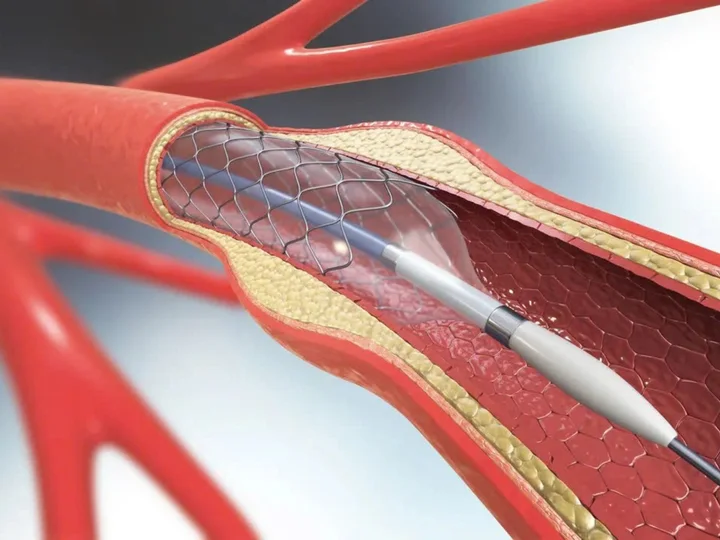
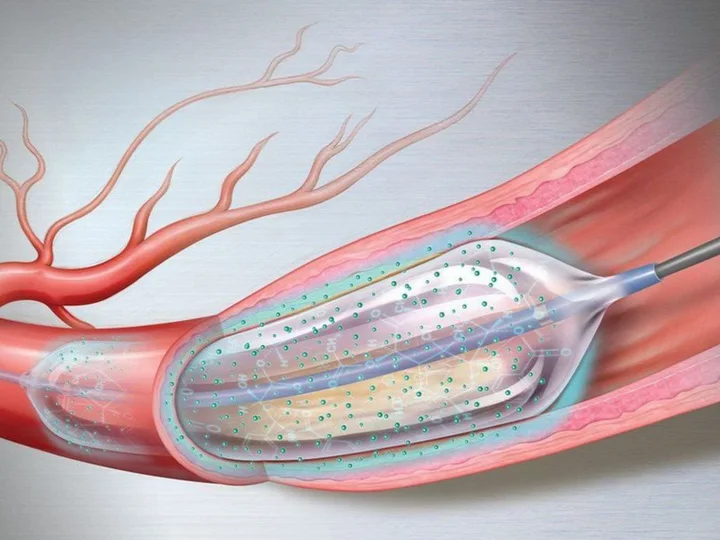
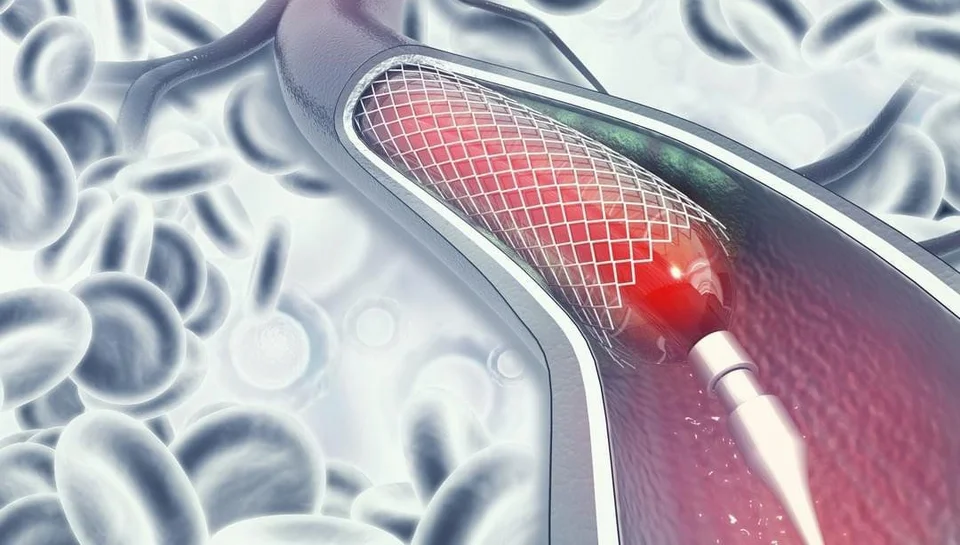
Coronary stents are small, wire-mesh tubular devices designed to dilate narrowed or occluded coronary arteries and restore adequate blood flow to the myocardium. During the procedure, the interventional cardiologist mounts the stent onto a long, thin balloon-tipped catheter and advances it through an arterial access site in the groin or arm.
Coronary stent implantation is indicated in the following clinical conditions
- Coronary artery stenosis of 70% or greater
- Angina pectoris secondary to myocardial ischemia, including angina refractory to optimal medical therapy
- Acute myocardial infarction
- Postoperative angina pectoris
- In-stent restenosis or recurrent coronary artery narrowing following prior percutaneous coronary intervention
- Clinical conditions requiring rapid restoration of coronary blood flow for the management of acute cardiac events
Coronary Stent Implantation Procedure

Coronary stent placement is performed via a minimally invasive procedure known as percutaneous coronary intervention (PCI) or percutaneous transluminal coronary angioplasty (PTCA).
Local anesthesia is administered at the vascular access site while ensuring that the patient remains conscious throughout the procedure.
- An electrocardiogram (ECG) is performed to record the electrical activity of the heart, with continuous cardiac rhythm monitoring via skin-attached electrodes. Heart rate, blood pressure, respiratory rate, and oxygen saturation are continuously monitored throughout the coronary stent implantation procedure.
- A long, hollow tube (catheter) is introduced through a blood vessel in the wrist or groin and advanced to the site of coronary artery obstruction.
- Fluoroscopic X-ray guidance is used to facilitate navigation to the stenotic segment. A fine guidewire is passed through the catheter across the narrowed area, over which a balloon catheter mounted with a stent is advanced to the target lesion.
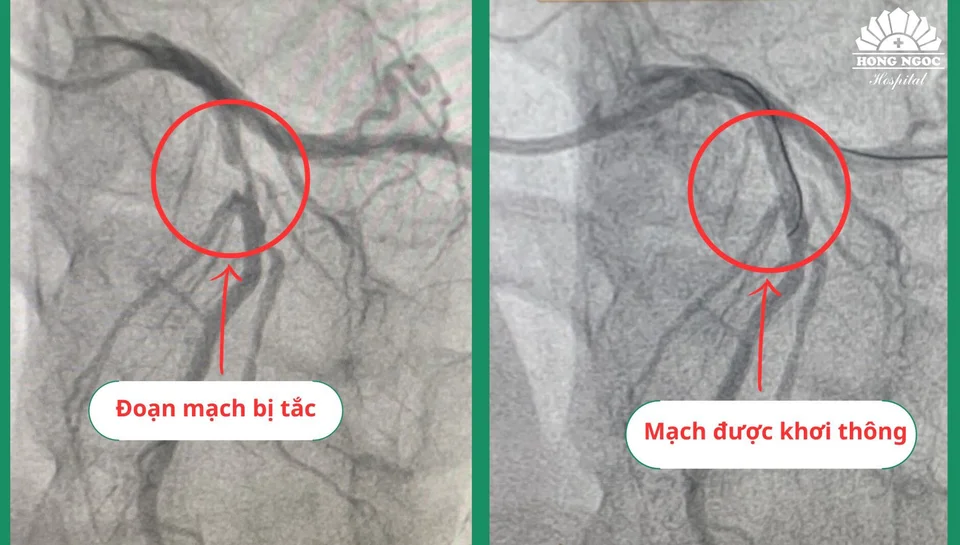
- Once the precise location of the stenosis is confirmed, the catheter is positioned accordingly, and the balloon is inflated to dilate the artery and restore luminal patency.
- The physician then performs measurements and angiographic imaging following vessel dilation. After confirming that the artery has been adequately expanded, the catheter is withdrawn.
- Subsequently, the catheter, balloon, and guidewire are removed, leaving the coronary stent permanently in place. The procedure typically lasts 30–60 minutes.
Safe and effective coronary stent implantation at Hong Ngoc General Hospital
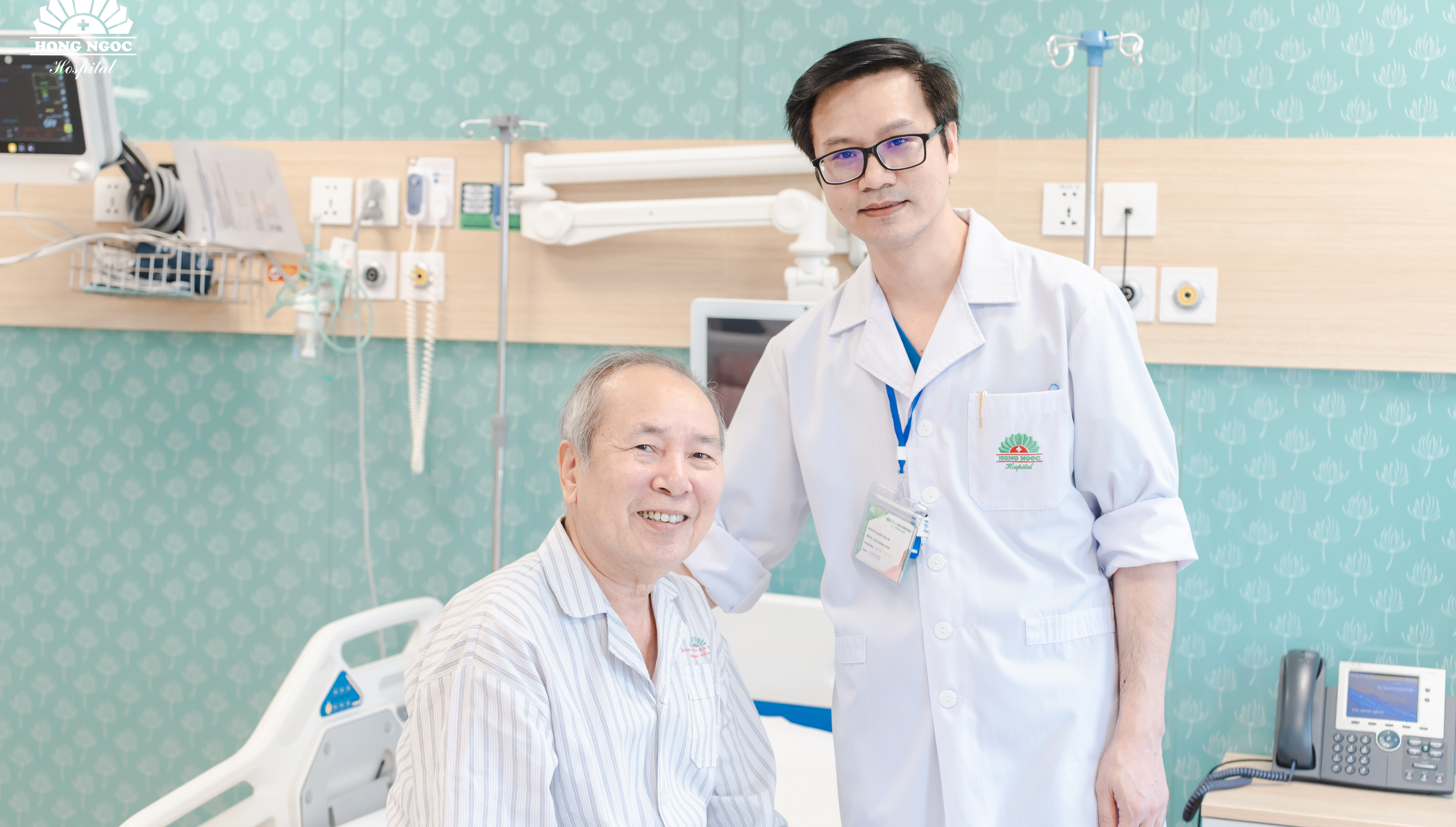
The Cardiology Department at Hong Ngoc General Hospital is developed in accordance with international standards and has successfully implemented coronary stent implantation in numerous cases of myocardial infarction, cardiac arrhythmias, peripheral vascular disease, and congenital heart disease, among others, due to:
- The availability of advanced interventional imaging systems, including Digital Subtraction Angiography (DSA) and Intravascular Ultrasound (IVUS), enables physicians to perform coronary stent implantation with high precision, thereby minimizing the risk of in-stent restenosis.
- The department also brings together a team of leading cardiology specialists with extensive clinical experience, including:
+ Dr. Nguyen Van Hai, MSc, MD – Head of Department: A senior specialist in coronary interventional cardiology, formerly Deputy Head of the Interventional Cardiology Department at Saint Paul General Hospital; currently serving as Deputy Director of the Hospital and Head of the Cardiovascular Medicine Department at Hop Luc General Hospital, Thanh Hoa.
+Dr. Vu Thin: With over 20 years of clinical experience at the Vietnam National Heart Institute - Bach Mai Hospital and Hong Ngoc General Hospital, Dr. Vu Thin specializes in the diagnosis and management of cardiovascular diseases, with advanced expertise in echocardiography and expert interpretation of ambulatory blood pressure monitoring (Holter BP) and Holter electrocardiography (Holter ECG).
+ Dr. Le Thi Thanh Hang: With over 20 years of clinical practice at Huu Nghi Hospital, Dr. Le Thi Thanh Hang specializes in the clinical evaluation and treatment of cardiovascular diseases and metabolic disorders, with extensive experience in the interpretation of Holter electrocardiography (Holter ECG) and ambulatory blood pressure monitoring (Holter BP).
+ Dr. Cao Manh Hung, Resident Doctor: With many years of clinical experience at the Vietnam National Heart Institute – Bach Mai Hospital, Hanoi Medical University Hospital, and Thanh Hoa Provincial General Hospital, Dr. Cao Manh Hung specializes in advanced echocardiography and vascular ultrasound, with a strong focus on cardiovascular imaging.
+ Dr. Nguyen Thi Lan Anh, MSc, MD: With many years of clinical experience at Thanh Nhan Hospital, Dr. Nguyen Thi Lan Anh specializes in the management of cardiovascular diseases and metabolic disorders, with advanced expertise in echocardiography and comprehensive cardiovascular assessment.
+ Dr. Nguyen Dinh Cong, MSc, MD: With 10 years of clinical experience in cardiovascular medicine, Dr. Nguyen Dinh Cong specializes in coronary and peripheral vascular interventions. He previously served as an interventional cardiologist at Thanh Nhan Hospital, with extensive expertise in both diagnostic and therapeutic cardiovascular procedures.
+ Dr. Dao Thi Quynh Trang, MD: With many years of clinical experience at Hong Ngoc General Hospital, Dr. Dao Thi Quynh Trang specializes in the clinical assessment and management of cardiovascular diseases and metabolic disorders, providing comprehensive and patient-centered cardiovascular care.
When choosing Hong Ngoc General Hospital for the examination and treatment of cardiovascular diseases, patients do not have to worry about overcrowding, long queues, or a noisy hospital environment. The Cardiology clinics are designed as separate, dedicated units, offering spacious, well-ventilated spaces that help minimize waiting times and ensure a calm, comfortable care experience. In addition, during each outpatient visit, patients are complimentarily provided with a light refreshment, served directly at the hospital restaurant, contributing to a more convenient and patient-friendly clinical journey.
Cardiology and Interventional Cardiology Department – Hong Ngoc General Hospital
No. 8 Chau Van Liem Street, Tu Liem Ward, Hanoi
No. 55 Yen Ninh Street, Ba Dinh Ward, Hanoi
Hotline: +84 911 858 626