


Early recognition of asthma symptoms in children plays a crucial role in disease control and in preventing dangerous complications. As a chronic respiratory condition, asthma is often prolonged and difficult to cure completely, significantly affecting children’s overall respiratory function. To achieve effective disease management, parents need to clearly understand what the signs of asthma in children are.
Overview of pediatric asthma
Asthma in children is characterized by chronic inflammation of the airways. In asthmatic children, the bronchi become hyperresponsive to various stimuli, leading to bronchial constriction, swelling, and increased mucus secretion, which result in airway obstruction.
Each year, the prevalence of asthma in children tends to increase. Statistics from the Ministry of Health indicate that over a 20-year period, the number of children with asthma increases by 2 to 3 times.
Asthma treatment requires considerable time and financial resources, while also causing children to miss school and, in many cases, necessitating hospitalization and emergency care.
Asthma cannot be completely cured, and its symptoms in children may persist into adulthood. However, the condition can be controlled and the risk of complications prevented if asthma is detected early and managed with timely and appropriate treatment.
Therefore, parents should closely monitor their child’s health to promptly recognize asthma symptoms, ensuring the best possible protection for their child’s well-being.
.png)
Most common signs of asthma in children
Asthma in children presents with a wide range of signs and symptoms. The most common signs of pediatric asthma include:
Persistent cough, often worsening at night
In order to expel irritants from the respiratory tract such as secretions, microorganisms, smoke, foreign bodies, dust, or pollen - the body initiates the cough reflex. The underlying causes of cough may include the common cold, bacterial sinus infection, or asthma.
Cough is a hallmark symptom of pediatric asthma, often presenting with prolonged and recurrent episodes accompanied by shortness of breath and wheezing. The condition is typically more pronounced at night during sleep, may occur seasonally, and can be triggered by physical exertion, laughter, crying, or exposure to specific allergens or irritants suggestive of asthma. Importantly, these symptoms appear in the absence of other respiratory tract infections.
In pediatric asthma, the typical cough is usually dry and irritating. In cases where sputum is present, it is most often clear or white in appearance.
There are also cases in which children with asthma present with cough as the only symptom, typically occurring at night, without any other suggestive manifestations. The child may appear completely normal during the day. This is one of the reasons why parents often overlook this sign, leading to delayed recognition and diagnosis of asthma in children.
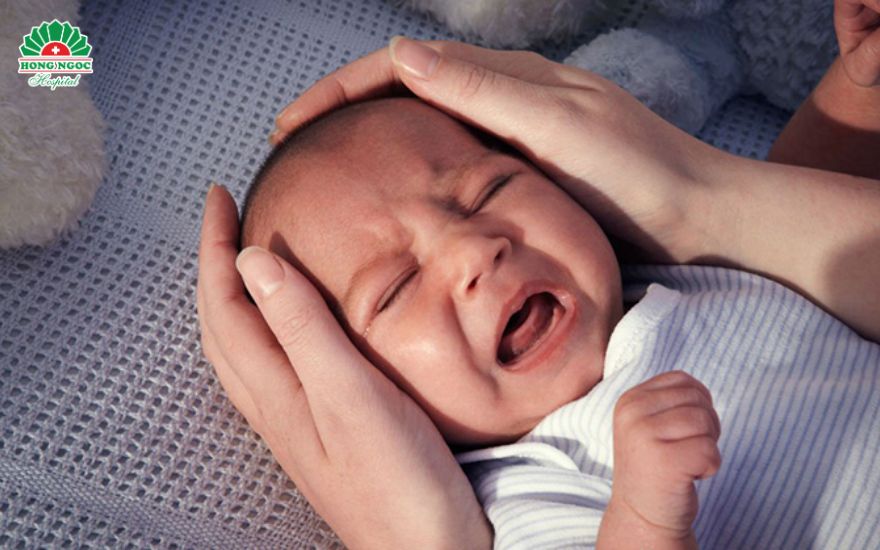
Children experiencing wheezing.
Wheezing is characterized by a whistling or abnormal sound heard during a child’s breathing. In asthma, airway inflammation, swelling, and bronchospasm lead to narrowing of the airways, causing the passage of air to produce the wheezing sound.
Wheezing should not be overlooked when identifying signs of asthma in children. The wheezing sound may be heard during exhalation, or in both exhalation and inhalation in cases of severe asthma, and can often be detected by parents without the need for medical instruments.
In asthma, children often experience recurrent episodes of wheezing, particularly during sleep or when exposed to triggering factors such as physical exertion, crying, laughing, dust, or tobacco smoke.
However, wheezing may also be caused by other respiratory conditions in young children. Therefore, parents are advised to seek early medical evaluation when this symptom occurs to ensure an accurate diagnosis.
Sign of asthma in children: Shortness of breath
In children with asthma, the airways become narrowed due to swelling and bronchospasm, leading to shortness of breath. This condition tends to worsen when the child exerts effort, laughs, or cries.
In younger children, recognizing shortness of breath can be challenging as they are unable to verbalize their symptoms. Parents may suspect breathing difficulty if the child breathes faster and deeper than usual, shows retractions of the neck and chest muscles, or has flaring of the nostrils.
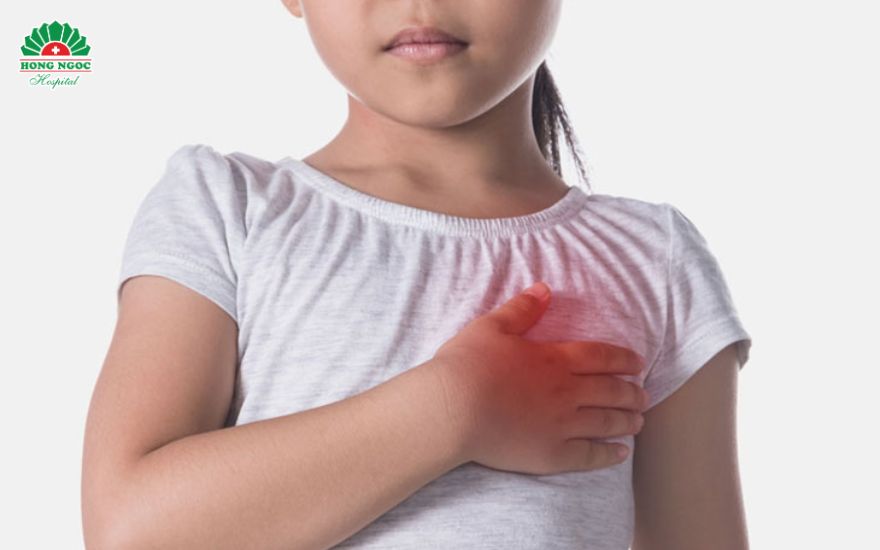
Chest tightness
Narrowing of the airways not only causes shortness of breath but also leads to chest tightness or discomfort due to insufficient airflow into the lungs.
This symptom is usually recognized only by older children, who may be able to describe it to their parents or express it by rubbing their chest.
Reduced physical activity in children
A sign of asthma in children may include reduced physical endurance, with the child appearing easily fatigued, unable to run, play, or laugh like other children, becoming tired quickly when walking, and often asking to be carried by parents.
In addition to the symptoms mentioned above, asthma in children can also be recognized through the following signs:
- Difficulty sleeping due to shortness of breath, coughing, or wheezing.
- Coughing or wheezing episodes that worsen when the child has a cold or flu.
- Slow recovery or development of bronchitis following a respiratory tract infection.
The signs of asthma in children may vary from one child to another. Some children may present with all symptoms, while others may experience only a few. Over time, the severity of symptoms can improve or worsen. Symptoms tend to become more pronounced at night, in the early morning, during physical exertion, or upon exposure to asthma triggers such as pet dander, pollen, mold, dust, tobacco smoke, chemicals, or certain foods.
In children under the age of 5, especially those younger than 2 years, recognizing asthma is more challenging, as symptoms such as coughing and wheezing may occur even in the absence of asthma.
Serious signs of asthma in children requiring immediate hospital care
If not detected early, treated promptly, and properly controlled, asthma can lead to numerous complications in children, such as bronchial infections, pneumothorax, lung collapse, respiratory failure, or even respiratory arrest. In the most severe cases, the condition can be life-threatening.
Therefore, when asthma is suspected in a child, parents should take the child to a medical facility as soon as possible for an accurate diagnosis and appropriate treatment guidance from a physician.
Importantly, parents should take their child to the hospital immediately for urgent medical care if any of the following signs of asthma are observed:
- Symptoms improve little or not at all after using a rescue inhaler, or when no rescue medication is available.
- The child experiences severe shortness of breath and must sit upright to breathe.
- Retractions are visible around the ribs and neck during breathing.
- The child is breathless and unable to speak comfortably or complete sentences.
- Nasal flaring is present.
- Bluish discoloration appears on the lips or fingertips.
How to care for children with asthma?
As asthma in children is a chronic condition, it requires continuous monitoring and long-term treatment over months or even years. Parents need to remain persistent and strictly adhere to the treatment and preventive regimen prescribed by the physician to achieve optimal asthma control and prevent potential complications.
Wheezing, severe coughing, shortness of breath, chest tightness, the need to sit upright to breathe, irritability, and inability to speak in full sentences are among the most common signs of asthma in children. These symptoms often occur suddenly when the child is exposed to triggering factors such as physical exertion, weather changes, allergens (including dust, pollen, medications, or certain foods), or respiratory viral infections.
The first step parents should take when recognizing signs of an acute asthma attack is to remove the child from triggering factors and help them sit in a well-ventilated area. Next, parents should administer the rapid-acting bronchodilator prescribed by the physician and apply appropriate home management measures to relieve the acute episode of shortness of breath:
- Administer two puffs of the rapid-acting bronchodilator inhaler.
- Monitor the child’s symptoms to assess whether breathing becomes easier, coughing decreases, wheezing improves, or chest tightness is relieved.
- If symptoms do not improve after 20 minutes, administer a second round of two puffs.
- If there is still no improvement after another 20 minutes, administer a third round and take the child to the hospital immediately for emergency care.
- For children under 6 years of age, or those unable to use an inhaler correctly, a nebulizer or spacer device may be used as supportive measures.
Always carry the child’s rescue inhaler wherever they go to minimize the risks of an asthma attack and maintain effective control of the condition.
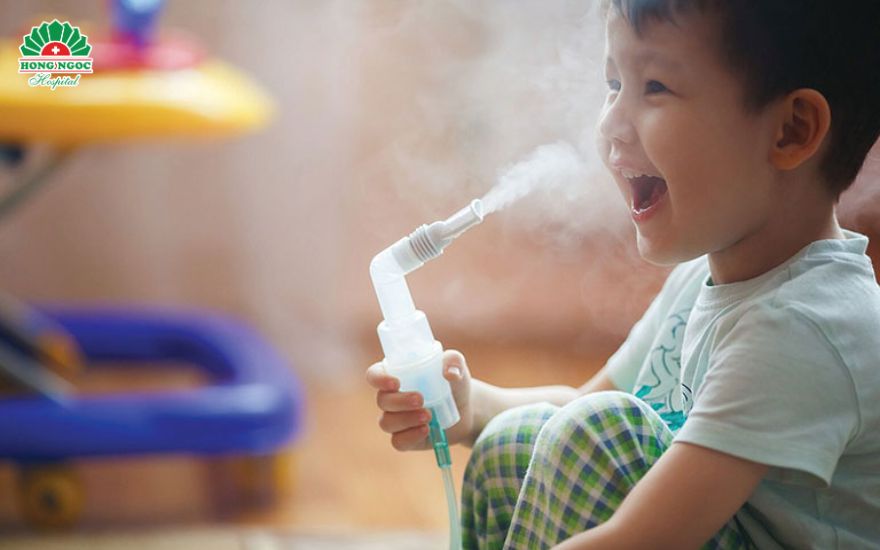
The goal of preventive treatment for asthma in children is to achieve complete control of symptoms, maintain normal respiratory function, and improve quality of life, enabling children to live, study, and play normally like their peers.
Preventive treatment for asthma may involve the use of oral medications, inhalers, or nebulized therapy. The choice of medication depends on the severity of the disease, the previous level of asthma control, and any comorbid conditions the child may have.
Parents and children must strictly follow the physician’s instructions regarding medication use, ensure regular follow-up visits as scheduled, and never discontinue treatment on their own, even if the child’s asthma appears to have improved.
Nutrition and lifestyle for children with asthma
To support better asthma control and promote overall health, families should pay close attention to providing an appropriate diet for children, ensuring adequate intake of:
Establishing a well-balanced and evidence-based diet at home
- Include foods rich in vitamin C and vitamin E (such as green vegetables, carrots, grapefruit, oranges) and those high in omega-3 fatty acids (such as salmon, mackerel, nuts, and omega-3 oils).
- Limit foods that may trigger allergies and asthma attacks, including certain cereals, nuts, and foods high in sulfites.
Keep children away from asthma-triggering factors
- Clean the house regularly, especially the child’s bedroom, to ensure a clean and healthy living environment.
- Absolutely avoid exposing the child to tobacco smoke.
- If the child is allergic to animal dander, limit contact with pets, pet toys, and stuffed animals.
- Prevent exposure to irritant chemicals such as cleaning agents, air fresheners, mosquito sprays, or insect repellents.
- Maintain the child’s physical activity at a normal level, but avoid excessive exertion.
- Keep the child warm during weather changes and ensure they wear a mask when going outdoors, particularly in cold weather; avoid using air conditioning at excessively low temperatures indoors.
Take the child for regular follow-up visits as scheduled
For pediatric asthma, regular follow-up visits every 1-3 months are necessary, even when the condition is well controlled. The interval may be shortened to 2-4 weeks if acute asthma symptoms occur after treatment of an exacerbation.
Regular follow-up visits allow physicians to closely monitor disease progression, accurately assess the effectiveness of current treatment, and adjust the management plan when necessary to achieve the best possible asthma control for the child.
**Note: The information provided in this article by Hong Ngoc General Hospital is for reference purposes only and is not a substitute for medical diagnosis or treatment. For an accurate assessment of health conditions, patients should visit a hospital for direct examination and receive appropriate treatment recommendations from a physician.
PEDIATRICS DEPARTMENT – HONG NGOC GENERAL HOSPITAL
- 55 Yen Ninh Street, Ba Dinh District, Hanoi- No. 8 Chau Van Liem Street, Nam Tu Liem District, Hanoi- 3rd Floor, Block B, Tasco Mall, 07–09 Nguyen Van Linh Street, Long Bien District, - - Hanoi- 10th Floor, Keangnam Landmark 72, Pham Hung Street, Hanoi- 1st Floor, TNL Plaza Goldseason, 47 Nguyen Tuan Street, Thanh Xuan District, Hanoi- 1st Floor, HPC Landmark 105, To Huu Street, Ha Dong District, Hanoi- 1st, 2nd, and 3rd Floors, Kosmo Tay Ho, 161 Xuan La Street, Bac Tu Liem District, Hanoi
Free consultation and fast appointment booking hotline: 0947.616.006
>>>Stay updated with more useful information at: https://www.facebook.com/@KhoaNhiBVHongNgoc