


During pregnancy, iron is essential for the production of red blood cells to support both maternal and fetal needs. However, many pregnant women experience iron deficiency, which may adversely affect fetal development. Therefore, incorporating iron-rich foods into the daily diet is crucial.
Role of iron during pregnancy
To assess iron deficiency or anemia in pregnant women, hemoglobin (Hb) levels are measured. In non-pregnant women, anemia is defined as Hb <12 g/dL, whereas in pregnant women, anemia is diagnosed when Hb levels fall below 11 g/dL.
There are multiple causes of anemia during pregnancy; however, iron deficiency remains the most common. Women of reproductive age are already at increased risk of anemia due to menstrual blood loss and inadequate dietary intake. During pregnancy, iron requirements rise significantly to support both maternal erythropoiesis and fetal development, making iron deficiency even more prevalent.
Iron-deficiency anemia in pregnancy not only affects maternal health but may also have adverse consequences for the fetus, potentially impairing normal growth and development.
Serious consequences of iron deficiency in pregnancy
Iron deficiency in pregnant women leads to anemia and can have adverse effects on both maternal health and fetal development.
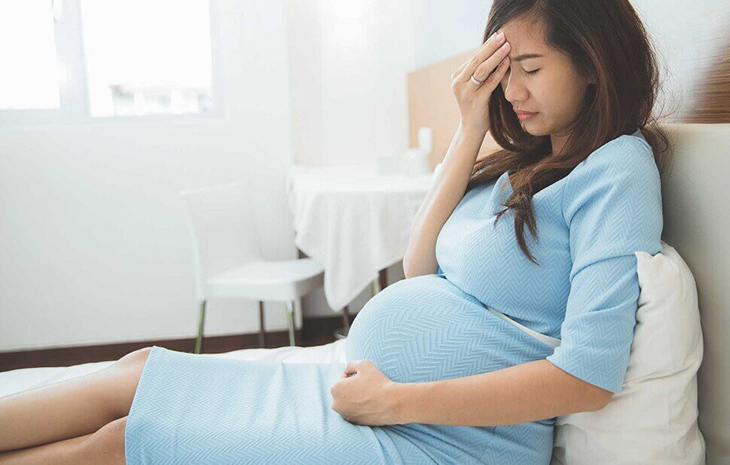
For the mother
Iron-deficiency anemia during pregnancy may lead to persistent fatigue, dizziness, and lightheadedness. More seriously, it increases the risk of obstetric complications such as preeclampsia, eclampsia, and premature rupture of membranes. During labor, prolonged delivery may occur, resulting in maternal exhaustion and potential fetal compromise. Additionally, mothers are at higher risk of postpartum hemorrhage, postpartum infections, and insufficient lactation after delivery.
For the fetus
Maternal iron deficiency and anemia can impair adequate oxygen and red blood cell supply to the fetus, adversely affecting intrauterine growth and development. This may result in intrauterine growth restriction, low birth weight, neonatal jaundice, and an increased risk of preterm birth.
Furthermore, maternal anemia during pregnancy has been associated with a higher risk of cardiovascular disorders in the offspring later in life.
For consultation, please contact the hotline at 0919 645 271 or complete the registration form below to schedule antenatal care and maternity services with experienced obstetric specialists.
Signs of iron deficiency in pregnancy
Many pregnant women may underestimate the importance of regular antenatal check-ups, assuming their health is stable. However, clinical practice has documented cases of severe anemia requiring repeated blood transfusions during labor to maintain maternal stability.
To minimize potential complications, close attention to maternal health is essential. The body may exhibit warning signs suggestive of iron deficiency, including:
- Frequent dizziness or lightheadedness, especially when changing positions (e.g., standing up or sitting down)
- Pale, lackluster skin
- Reduced concentration or easy distractibility
- Headache and persistent fatigue
- Cold extremities (hands and feet)
- Palpitations, irregular heart rate, and shortness of breath
Early recognition of these symptoms is crucial for timely evaluation and appropriate management.
What should pregnant women with iron deficiency eat?
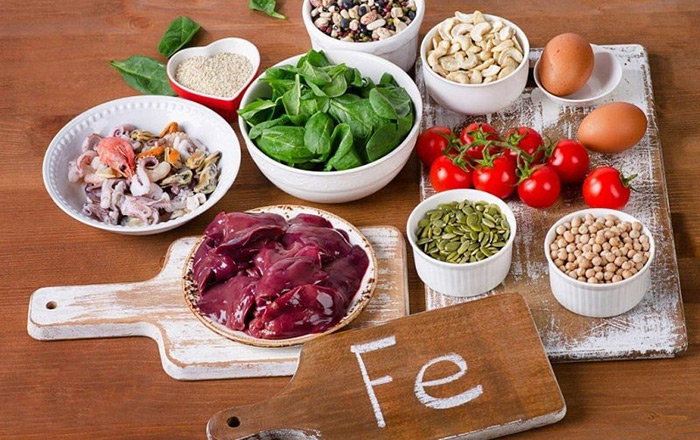
To ensure adequate iron levels for red blood cell production and optimal fetal development, pregnant women should increase their intake of iron-rich foods, as iron requirements are significantly elevated during pregnancy.
Below are recommended dietary sources of iron:
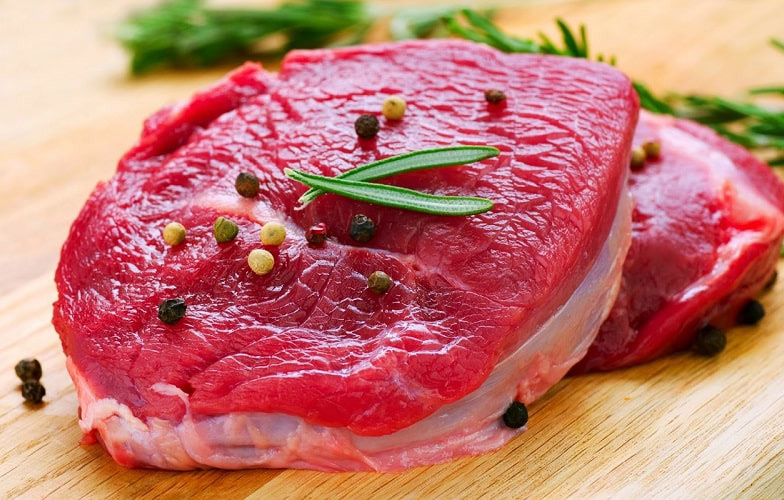
Beef
Beef is a rich and commonly consumed source of iron. Each serving contains approximately 2.5–3 mg of iron. Lean cuts of beef typically provide higher iron content compared to cuts with more connective tissue. Notably, heme iron derived from animal sources is more readily absorbed than non-heme iron from plant-based foods. Therefore, incorporating beef into the daily diet can effectively support adequate iron intake during pregnancy.
Spinach (Spinacia oleracea)
Pregnant women with iron deficiency are advised to increase their intake of green leafy vegetables, particularly spinach. Half a bowl of cooked spinach can provide approximately 3.2 mg of iron. In addition, spinach is rich in essential nutrients such as folic acid, vitamin C, calcium, and beta-carotene, which support both maternal health and fetal development. It can be easily incorporated into daily meals, either sautéed alone or combined with meat.
Egg yolk
Eggs are a highly recommended nutrient source during pregnancy, especially for women with iron-deficiency anemia. Egg yolks are particularly rich in iron, protein, calcium, phosphorus, and essential vitamins. They contain both water-soluble vitamins (B1, B6) and fat-soluble vitamins (A, D, K), which are beneficial and safe for pregnant women. It is generally recommended to consume 3–4 eggs per week to ensure adequate nutrient intake.
Bananas
Bananas are a widely available fruit rich in iron and essential minerals. Regular consumption can support nutritional needs and help alleviate constipation, a common issue during pregnancy. Consuming bananas in the morning may enhance nutrient absorption and help prevent anemia while maintaining energy levels.
Legumes
Legumes such as mung beans, soybeans, and peas are excellent sources of iron and plant-based protein. Pregnant women can diversify their diet by incorporating various types of legumes. Roasted or dried legumes can also serve as nutritious snacks, providing sustained energy and essential nutrients.
Reader may also be interested in:
- Diarrhea during pregnancy - a condition that should not be underestimated
- Iodine deficiency during pregnancy and its unexpected consequences
Pumpkin
Pumpkin is a nutrient-dense food containing protein, iron, calcium, amino acids, and multiple vitamins. It is particularly beneficial for women with iron deficiency. Ripe pumpkins are recommended, as they contain higher levels of calcium, iron, and zinc, which support hematopoiesis.
Nuts and seeds
Nuts such as walnuts, almonds, and macadamia nuts are considered highly beneficial during pregnancy. They are rich in iron, omega-3 fatty acids, and other micronutrients that support fetal physical and neurodevelopment. These can be conveniently consumed as healthy snacks throughout the day.
Oatmeal porridge
Studies have shown that consuming oats can help prevent anemia during pregnancy. Oats are rich in soluble fiber, protein, iron, calcium, magnesium, and phosphorus, making them highly beneficial for maternal health. In addition to preventing iron deficiency and anemia, oats also support digestive health and help reduce common pregnancy-related issues such as constipation and indigestion.
Orange juice
Orange juice is rich in vitamin C, which enhances iron absorption. It also helps boost the immune system, supporting overall maternal health during pregnancy.
Broccoli
Pregnant women with iron deficiency are advised to include broccoli in their diet due to its high nutritional value. Broccoli is a good source of iron, calcium, protein, and vitamins A and C, all of which are beneficial during pregnancy.
Shellfish
Mollusks such as clams, oysters, snails, and mussels are highly nutritious and can be prepared in various dishes. For example, 100 grams of clams can provide up to 28 mg of iron, meeting the daily iron requirement. For pregnant women with iron deficiency, seafood is an excellent dietary source of iron.
Dark chocolate
Dark chocolate is also a rich source of iron and is a popular snack among pregnant women. In addition to iron, it contains antioxidants that may help reduce the risk of cardiovascular conditions. However, intake should be limited due to its caffeine content, which may be harmful if consumed in excess during pregnancy.
Iron supplementation
In cases where dietary intake is insufficient or when underlying conditions affect iron absorption, physicians may prescribe iron supplements. The type and dosage depend on the severity of iron deficiency.
Note: Iron supplements should not be taken concurrently with dairy products or calcium-rich foods, as they may reduce iron absorption. Additionally, iron supplementation may cause constipation; therefore, increasing dietary fiber intake is recommended to alleviate this side effect.
Note: The information provided in this article by Hong Ngoc General Hospital is for reference purposes only and does not replace professional medical diagnosis or treatment. For an accurate assessment of their condition, patients are advised to visit a medical facility for direct examination, diagnosis, and appropriate treatment planning by qualified physicians.
Follow the official fanpage of Hong Ngoc General Hospital for more useful health information and updates, as well as exclusive healthcare programs and promotions.