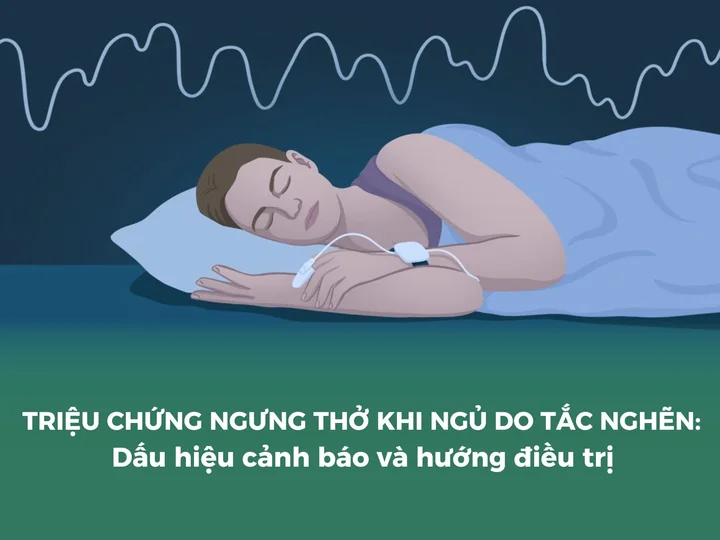



Sleep apnea is a condition characterized by partial or complete interruption of airflow into the lungs, leading to episodes of apnea or hypopnea during sleep. Understanding its underlying causes and recognizing early clinical manifestations can enable timely detection, facilitate appropriate therapeutic intervention, and help minimize the risk of associated complications.
What is sleep apnea?
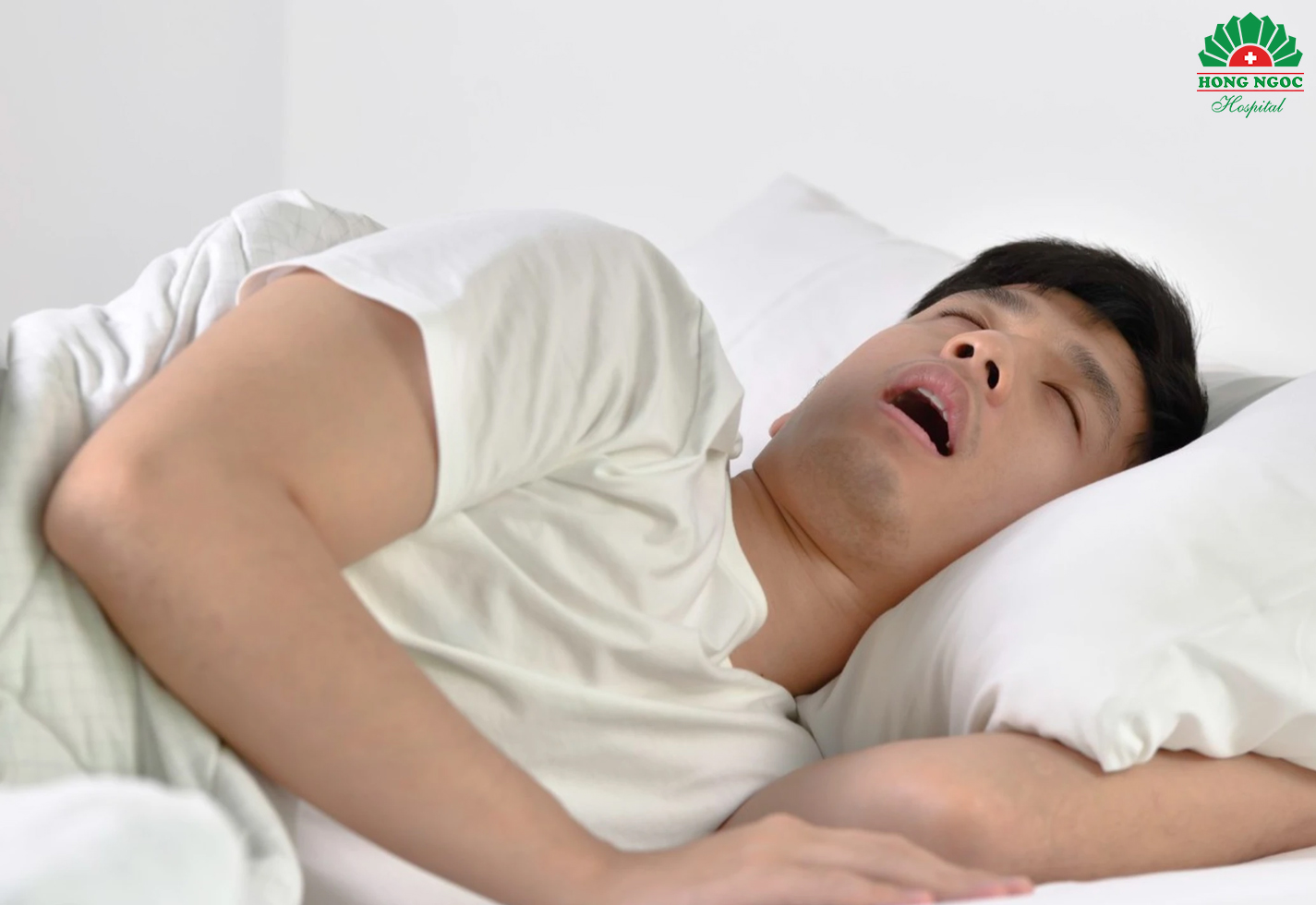
Sleep apnea is a condition characterized by collapse of the upper airway during sleep, leading to partial or complete interruption of airflow into the lungs, resulting in respiratory events including apnea and/or hypopnea.
These apneic episodes typically last from several seconds to more than 10 seconds and may recur repeatedly throughout the night. In many cases, they can occur dozens or even hundreds of times per night, directly disrupting sleep architecture and preventing restorative, consolidated sleep.
Sleep apnea is clinically assessed using the apnea–hypopnea index (AHI), which represents the total number of apnea and hypopnea events per hour of sleep. An AHI of 5 to 14 is classified as mild, 15 to 29 as moderate, and severe sleep apnea is defined by an AHI greater than 30.
Common types of sleep apnea
Sleep apnea is classified into three main types based on the underlying pathophysiological mechanisms, including:
Obstructive sleep apnea
This is the most common form, accounting for approximately 80 to 90 percent of all cases. In this type, relaxation of the pharyngeal muscles during sleep leads to narrowing or collapse of the upper airway, impairing airflow and resulting in transient episodes of apnea.
Central sleep apnea
Another form is central sleep apnea, in which the primary dysfunction is not related to airway obstruction but to impaired neural control of respiration. The brain fails to transmit appropriate signals to the respiratory muscles, leading to disrupted breathing patterns and intermittent cessation of respiratory effort.
Mixed sleep apnea
Mixed sleep apnea, also known as complex sleep apnea, represents a combination of both obstructive and central mechanisms. This form is less common and involves overlapping features of the two aforementioned types.
Causes of sleep apnea
There are multiple etiological factors contributing to sleep apnea, with overweight and obesity being the most common. In such cases, excessive adipose tissue accumulation around the neck increases extrinsic pressure on the upper airway, leading to airway narrowing and impaired airflow during sleep.
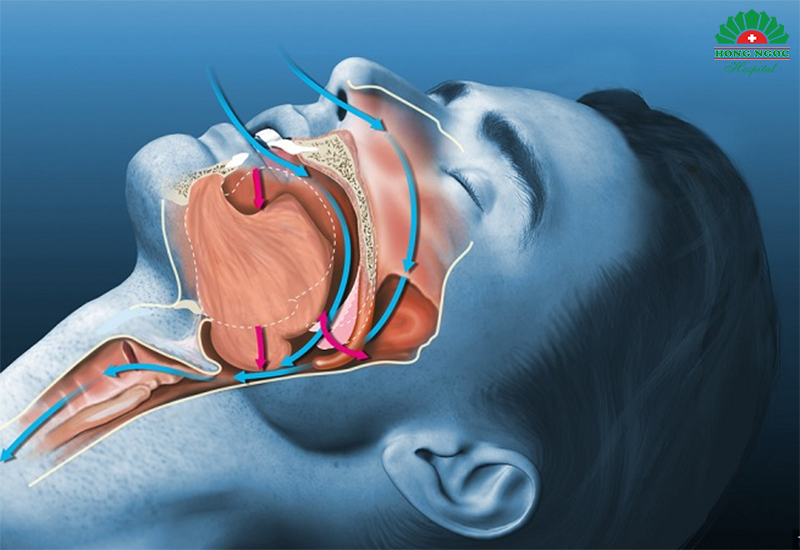
In addition, anatomical variations of the upper airway may also contribute to this condition. Individuals with enlarged tonsils, macroglossia, a narrowed oropharynx, or mandibular hypoplasia are at increased risk of developing sleep apnea, as the airway is more susceptible to collapse when pharyngeal muscles relax during sleep.
Advancing age is another important risk factor. With aging, pharyngeal muscle tone tends to decrease, increasing the likelihood of upper airway obstruction.
Lifestyle factors may also play a contributory role. Excessive alcohol consumption or the use of sedative medications prior to sleep can lead to excessive relaxation of the pharyngeal muscles, thereby increasing the risk of sleep apnea. In addition, cigarette smoking is a recognized risk factor, as it promotes airway inflammation and edema, further impairing airflow during sleep.
Is sleep apnea dangerous?
Sleep apnea not only impairs sleep quality but also poses significant risks to overall health if not detected and managed early.
What are the potential health consequences of sleep apnea?
Reduced sleep quality
This is the most immediate and noticeable impact of the condition. Patients with sleep apnea often experience fragmented sleep, with frequent nocturnal awakenings and non-restorative sleep. As a result, they may wake up feeling fatigued, experience difficulty concentrating, and suffer from excessive daytime sleepiness.
Increased cardiovascular risk
During apneic episodes, blood oxygen levels decline, forcing the cardiovascular system to work harder. Over time, this can contribute to the development of hypertension, cardiac arrhythmias, coronary artery disease, myocardial infarction, and an increased risk of sudden cardiac death.
Metabolic disturbances
Individuals with sleep apnea are at increased risk of insulin resistance, type 2 diabetes mellitus, and dyslipidemia.
Cognitive and psychological impairment
Chronic intermittent hypoxia associated with sleep apnea may impair cognitive function, including memory and attention, and increase the risk of mood disorders such as depression and irritability.
Recognizable signs and symptoms of sleep apnea
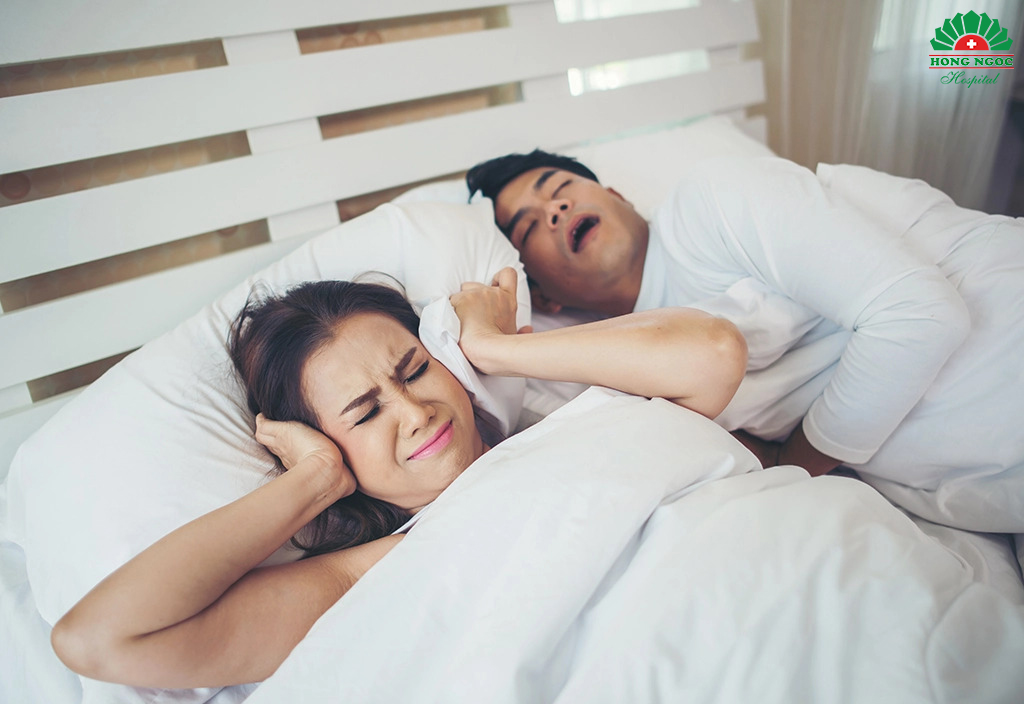
The most common and easily identifiable sign of sleep apnea is persistent, loud snoring. However, not all individuals who snore have sleep apnea. A key distinguishing feature is that snoring associated with sleep apnea is often interrupted by abnormal pauses, resembling temporary cessation of breathing during sleep. These episodes may be followed by gasping, snorting, or abrupt awakenings.
Reader may also be interested in:
- Sleep apnea syndrome: causes, at-risk populations, and potential complications to be aware of
- Obstructive sleep apnea: warning signs and treatment approaches
- Can sleep apnea be treated? Five simple home-based approaches to manage sleep apnea
In addition, individuals with sleep apnea frequently experience excessive daytime sleepiness, fatigue, and difficulty concentrating. Some patients may also report morning headaches or waking with a dry mouth.
When should you see a doctor?
Sleep apnea not only disrupts sleep quality but also poses significant risks, including cardiovascular disease and cognitive impairment. Therefore, individuals who experience persistent loud snoring, non-restorative sleep, or excessive daytime sleepiness should seek medical evaluation to determine the underlying cause and receive timely treatment.
Although not all individuals who snore have sleep apnea, consultation with a qualified healthcare professional is essential to establish an accurate diagnosis and guide appropriate management.
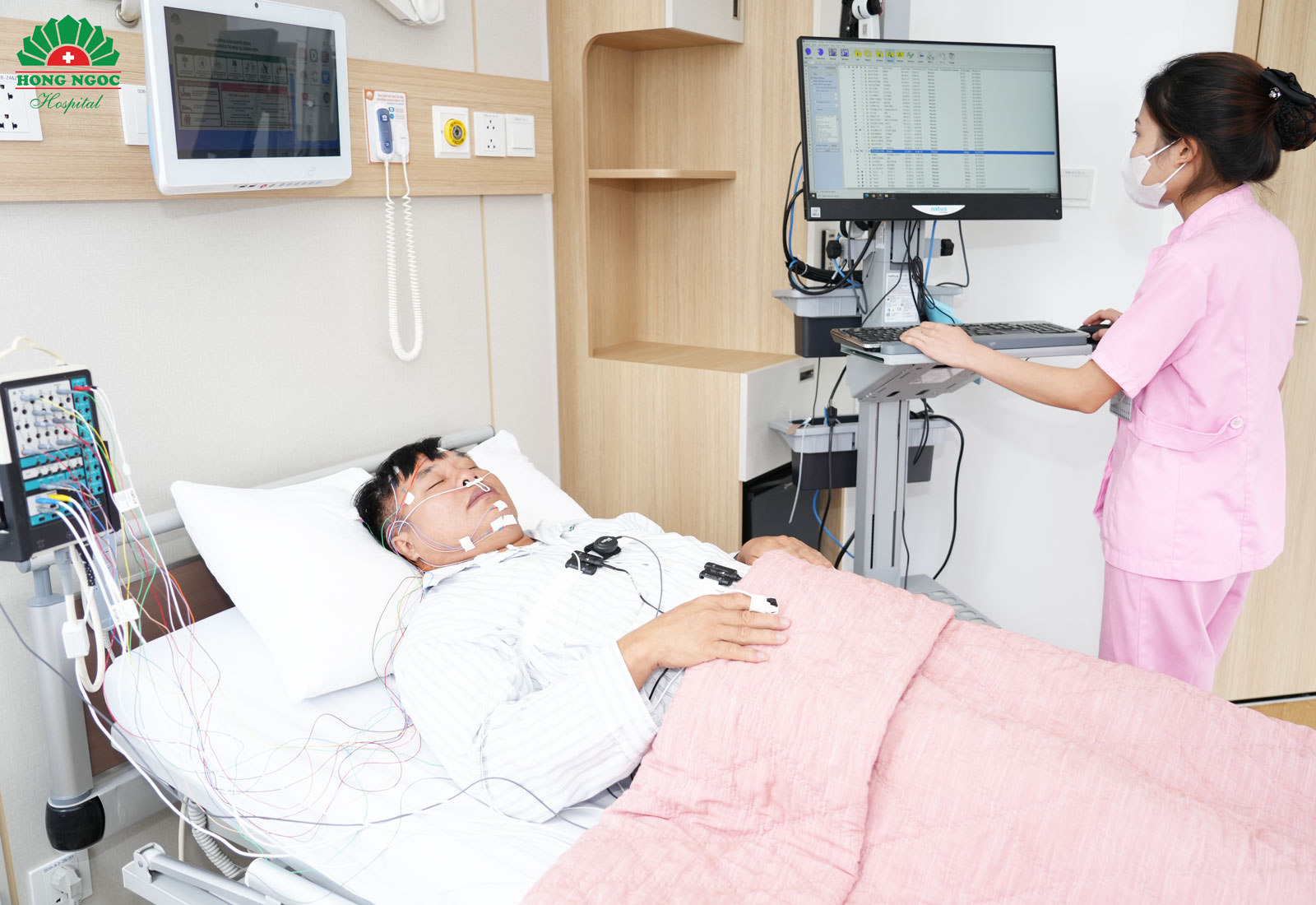
In some cases, physicians may recommend respiratory polygraphy, a diagnostic modality that monitors respiratory rate, heart rate, oxygen saturation, and brain activity during sleep. The results of this assessment enable accurate determination of whether a patient has sleep apnea syndrome.
A comprehensive understanding of the causes, clinical manifestations, and potential impact of sleep apnea allows individuals to take a more proactive approach to their health. Early medical evaluation in the presence of suggestive symptoms can facilitate effective disease control and contribute to improved long-term quality of life.
Department of Respiratory Medicine - Hong Ngoc General Hospital
- No. 8 Chau Van Liem Street, Tu Liem Ward, Hanoi
- No. 55 Yen Ninh Street, Ba Dinh Ward, Hanoi- Hotline: 0947 616 006