


Older adults are particularly vulnerable to hot weather because the body’s ability to regulate temperature, thirst sensation, cardiovascular function, and kidney function all decline with age. During prolonged heat waves, older adults are more likely to experience dehydration, electrolyte imbalance, low blood pressure, a rapid heartbeat, heat exhaustion, heatstroke, or cardiovascular complications if they are not cared for properly.
Quick answer: Older adults need special protection during hot weather because their bodies have more difficulty regulating temperature, they are more prone to dehydration, and they often have underlying heart, kidney, or blood pressure conditions. Emergency care is required if confusion, high fever, hot and flushed skin, shortness of breath, chest pain, fainting, markedly reduced urination, or signs of stroke occur, such as facial drooping, limb weakness, or difficulty speaking.

Professional consultation: Nguyen Duc Manh, MD, Specialist Level II, General Internal Medicine Department, Hong Ngoc - Phuc Truong Minh General Hospital.
Last updated: May 20, 2026.
Quick summary of the article
- Older adults are more vulnerable to hot weather because the body’s ability to regulate temperature, thirst sensation, and heart and kidney function decline with age. As a result, at the same temperature, older adults may experience fatigue, dizziness, or dehydration more quickly than younger people.
- Common risks include dehydration, electrolyte imbalance, orthostatic hypotension, a rapid heartbeat, heat exhaustion, heatstroke, and cardiovascular complications. These problems are more likely to occur in patients with hypertension, heart disease, kidney disease, diabetes, or those taking diuretics.
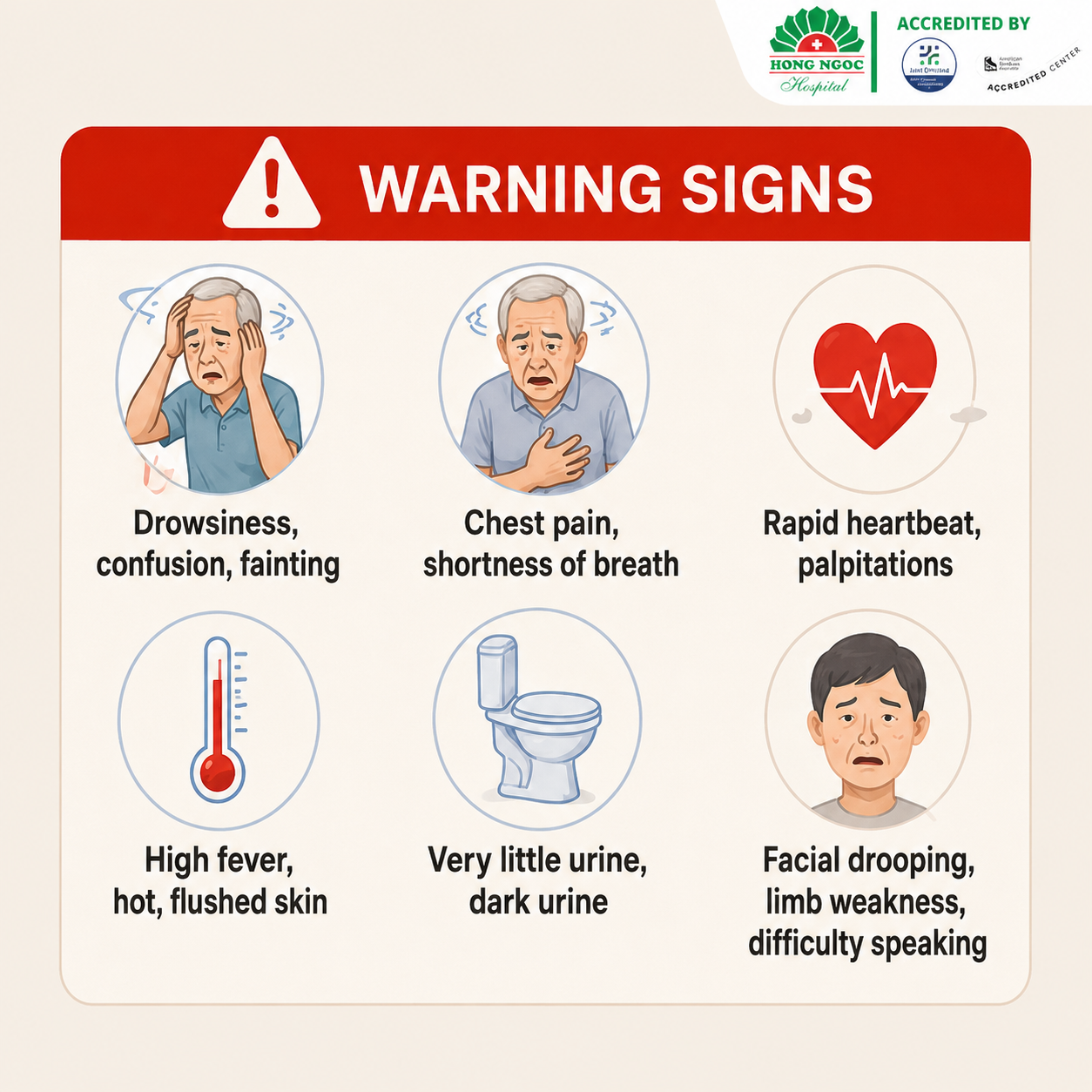
- Warning signs include confusion, altered consciousness, fainting, shortness of breath, chest pain, a persistent rapid heartbeat, markedly reduced urination, high fever, hot and flushed skin, or signs of stroke. These symptoms should not be left to improve on their own at home.
- People with hypertension, coronary artery disease, heart failure, diabetes, kidney disease, or those taking diuretics or antihypertensive medications should be monitored more closely during hot weather. These medications may affect blood pressure, heart rate, fluid balance, and electrolyte levels.
- Older adults should drink water regularly throughout the day, but fluid intake should be individualized. Patients with heart failure, kidney disease, liver disease, those on dialysis, or those advised to restrict fluid intake should consult their doctor about the appropriate amount of water.
- Families should check on older adults who live alone, those with dementia, or those who have limited ability to care for themselves during heat waves. These groups are more likely to forget to drink water, fail to recognize warning signs, or be unable to cool their bodies properly.
Why are older adults more vulnerable to hot weather?
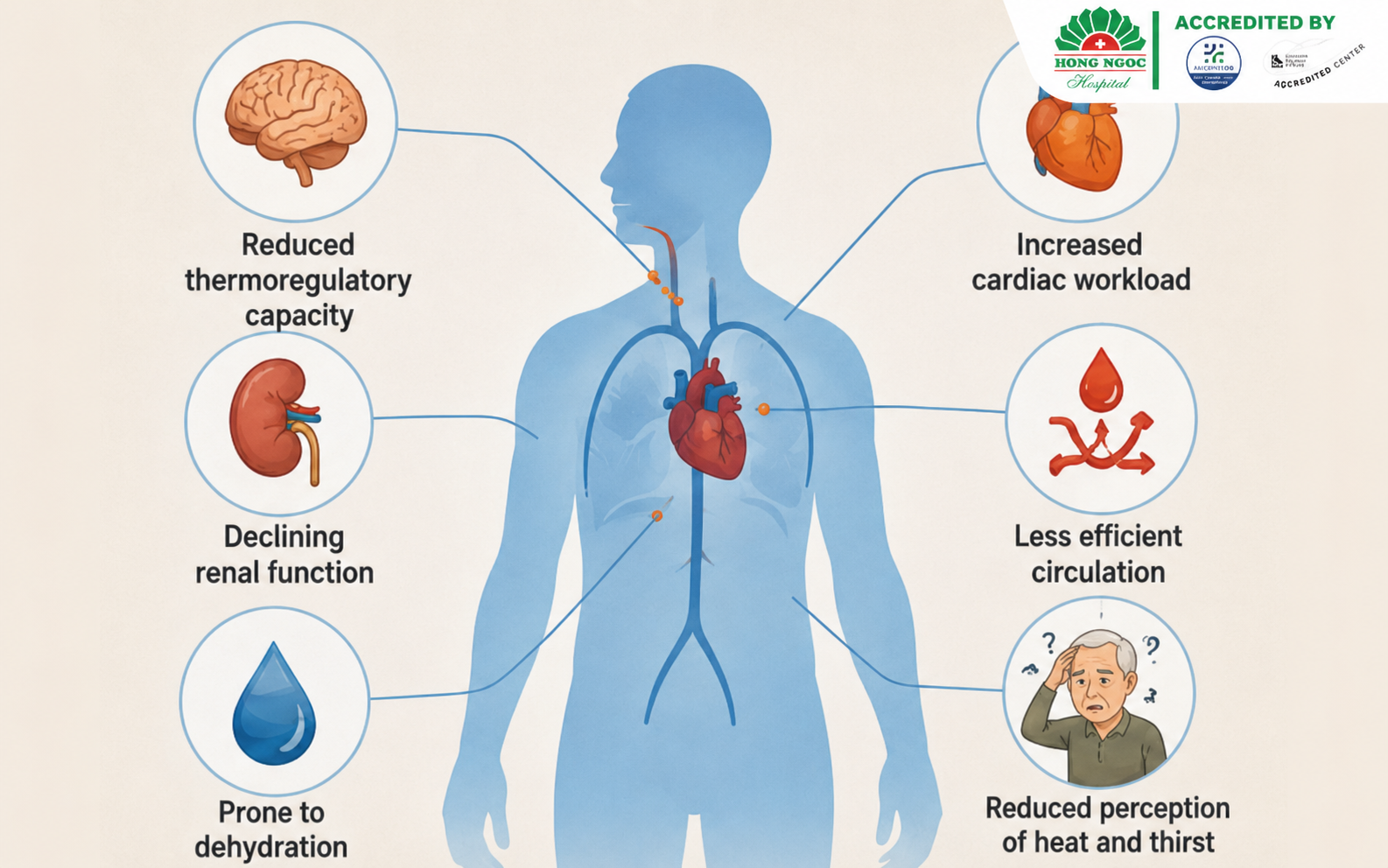
With aging, the body undergoes many changes that make it less able to adapt to high temperatures compared with younger people. This is why older adults are more prone to fatigue, dizziness, dehydration, and cardiovascular complications during prolonged heat waves.
Reduced ability to regulate body temperature
When it is hot, the body usually produces sweat and increases blood flow to the skin to cool itself down. However, in older adults, these mechanisms become less effective.
- Sweating becomes less efficient: Sweat gland function may decline with age, making it harder for heat to escape from the body. As a result, older adults are more likely to develop elevated body temperature, severe fatigue, or heat exhaustion if they remain in a hot environment for a prolonged period.
- Blood vessels respond more slowly to heat: Normally, blood vessels under the skin dilate to help the body dissipate heat. In older adults, this response may be slower because vasodilation and peripheral circulatory regulation decline with age, making it more difficult for the body to adapt when ambient temperatures rise rapidly.
- The heart has to work harder to cool the body: When the body needs to increase blood flow to the skin for heat dissipation, the heart must pump more blood, placing greater strain on the cardiovascular system. People with underlying cardiovascular disease, such as coronary artery disease, heart failure, or arrhythmias, may experience more noticeable palpitations, shortness of breath, or fatigue on hot days.
- The ability to sense heat and thirst may decline: Some older adults have a less sensitive response to thirst or heat, even when the body is already dehydrated or overheated. This increases the risk of missing early warning signs.
Older adults are more prone to dehydration
Many older adults may be dehydrated without feeling noticeably thirsty because their thirst perception is less sensitive than that of younger people. Dehydration in this group may develop silently and present only with fatigue, dizziness, reduced urination, or mild confusion.
This is related to several factors:
- Reduced thirst sensation with age: The brain responds more slowly to fluid deficiency because the mechanism that regulates thirst gradually declines with age. As a result, older adults may already be dehydrated but still not feel the need to drink water. This is why silent dehydration is very common in older adults.
- Declining kidney function: Kidney function in older adults often becomes less effective at retaining water and concentrating urine. During hot weather, sweating, or poor oral intake, the body is more likely to lose fluid and has more difficulty maintaining fluid balance.
- Lower physiological water content: Older adults generally have a lower proportion of body water because of reduced muscle mass and increased body fat. Therefore, they are more likely to become dehydrated than younger people.
- Effects of medications: Some medications commonly used by older adults, such as diuretics, laxatives, or certain blood pressure medications, may increase the risk of dehydration.
- Restricting water intake because of fear of nighttime urination: Many older adults intentionally drink less water to avoid waking up at night to urinate. However, drinking too little during the day may increase the risk of low blood pressure, reduced urination, severe fatigue, or acute kidney injury during hot weather.
- Poor food and fluid intake in hot and humid weather: Older adults may lose appetite, eat less soup or broth, or drink less water on hot days. This reduces both fluid and electrolyte intake.
Signs of dehydration in older adults may not present as thirst, but instead as subtle symptoms that are easily overlooked, such as:
- Dry lips and dry mouth: These may be early signs of dehydration, especially if accompanied by reduced urination or dark-colored urine.
- Reduced urination: If the patient urinates significantly less than usual or has dark-colored urine several times during the day, dehydration or kidney problems may be suspected. Constipation is also an important suggestive sign.
- Severe fatigue: Dehydration in older adults may present only as fatigue, poor appetite, reduced speech, increased sleepiness, or spending more time lying down than usual.
- Dizziness when standing up: This may be a sign of orthostatic hypotension caused by dehydration, antihypertensive medications, or diuretics. Falls may also be a serious sign that the patient has become weaker and is more prone to losing balance when walking.
- Mild confusion: In older adults, dehydration or electrolyte imbalance may cause confusion, slow speech, delayed responses, or drowsiness.
Older adults often have multiple underlying medical conditions
Chronic diseases make it more difficult for the body to adapt to hot weather. Older adults with multiple underlying conditions are at higher risk during prolonged periods of hot and humid weather.
Conditions that require attention include:
- Hypertension: Blood pressure may fluctuate in hot weather, especially if the patient is dehydrated, has poor food and fluid intake, or changes medication on their own. Blood pressure that is too low or too high can both be dangerous.
- Cardiovascular disease: People with coronary artery disease, heart failure, arrhythmias, or a history of myocardial infarction are more likely to experience cardiovascular events because their cardiac function is already impaired.
- Diabetes: High blood glucose can increase urination and raise the risk of dehydration. People with diabetes are also more likely to have coexisting cardiovascular, kidney, or neurological disease.
- Kidney disease: The kidneys play an important role in regulating fluid and electrolyte balance. When kidney function declines, drinking too little or too much water can both cause problems.
- History of stroke or transient ischemic attack: Dehydration, blood pressure fluctuations, and prolonged heat exposure may increase the risk of vascular events in people at high risk.
- Chronic lung disease: People with chronic respiratory conditions such as asthma, COPD, or other chronic lung diseases may tolerate heat poorly because the body has to work harder to breathe.
In addition to underlying conditions, certain medications may also make older adults more vulnerable during hot weather:
- Diuretics: These medications increase the excretion of water and salt through urine. Without appropriate monitoring, patients may be more prone to dehydration, low blood pressure, or electrolyte imbalance.
- Antihypertensive medications: Some blood pressure medications may lower blood pressure further during hot weather or when the patient is dehydrated for a prolonged period. Patients should not reduce the dose or stop medication without consulting a doctor.
- Cardiovascular medications: Medications used to treat arrhythmias, heart failure, or coronary artery disease should be taken exactly as prescribed. Changing medications without medical guidance may cause the condition to become uncontrolled.
- Sedatives, sleeping pills, or certain allergy medications: These medications may cause drowsiness, reduce alertness, or lead to dry mouth, making it harder for patients to recognize early signs of dehydration or overheating.
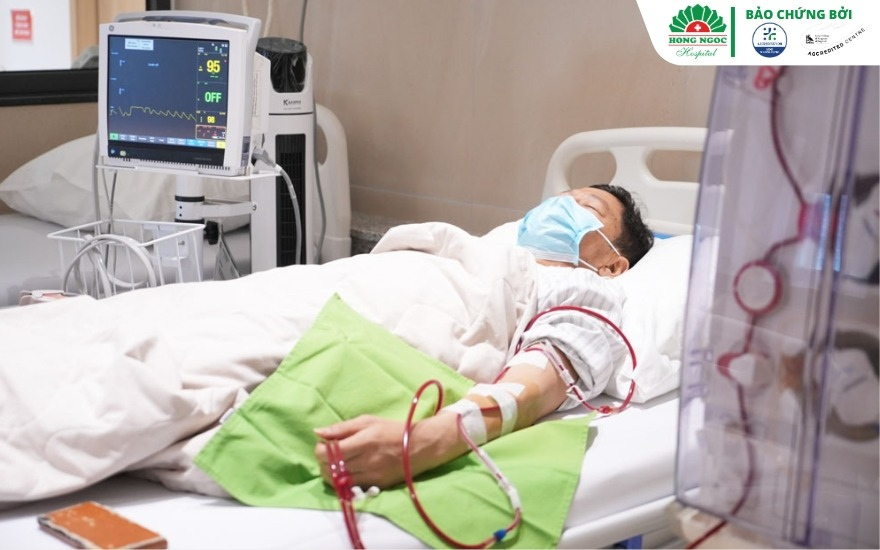
Common health conditions older adults may experience during hot weather
Dehydration and electrolyte imbalance
Dehydration and electrolyte imbalance are very common among older adults during summer. When the body loses fluid and it is not adequately replaced, circulating blood volume decreases, and electrolytes such as sodium and potassium may become imbalanced.
When dehydration persists:
- Blood volume decreases: Patients may experience dizziness, low blood pressure, or a faster-than-usual heartbeat as the body tries to compensate for reduced circulating volume. These signs are more likely to occur when standing up, walking, or after spending time outdoors in hot weather.
- Electrolytes become imbalanced: Low or abnormal sodium and potassium levels may cause severe fatigue, muscle cramps, nausea, confusion, or arrhythmias. Patients taking diuretics should be especially cautious.
- Kidney function may be affected: Prolonged dehydration reduces blood flow to the kidneys and may increase the risk of acute kidney injury, especially in people with underlying kidney disease, diabetes, or hypertension.
- Symptoms may be subtle: Some older adults may present only with unusual fatigue, poor appetite, increased sleepiness, reduced speech, or mild confusion. This is why families need to monitor them closely on hot days.
Heat-related illness, heat exhaustion, and heatstroke
Heat-related illness and heat exhaustion may occur when the body loses fluid and salt and cannot dissipate heat effectively during prolonged hot weather. If not managed promptly, the condition may progress to heatstroke, a dangerous medical emergency.
In heatstroke, patients may experience:
- Rapidly rising body temperature: Body temperature may rise very high, often above 40°C, if cooling is not initiated promptly. In older adults, high fever accompanied by confusion is a dangerous warning sign.
- Hot, flushed skin or profuse sweating: Some patients may have hot, flushed skin, while others may continue to sweat heavily, especially in exertional heatstroke. Heatstroke should not be ruled out simply because the patient is still sweating.
- Confusion or altered consciousness: This indicates that the nervous system is being affected by hyperthermia, dehydration, and reduced circulation. The patient requires prompt emergency care.
- Rapid heartbeat or shortness of breath: The heart has to work excessively to maintain circulation while the body is dehydrated and overheated. If this is accompanied by chest pain, bluish lips, or severe fatigue, emergency care is required.
If not treated early, heatstroke can cause brain injury, heart failure, kidney failure, altered consciousness, and life-threatening complications.
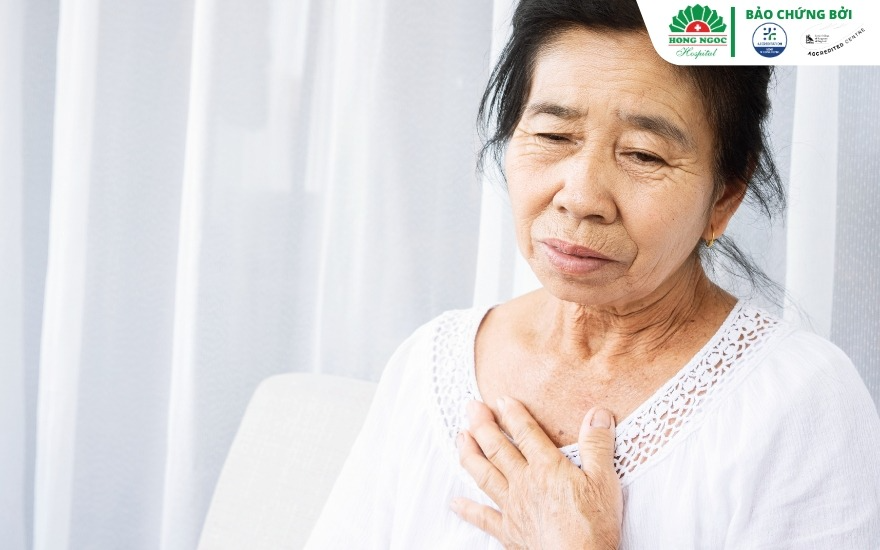
Orthostatic hypotension
Orthostatic hypotension is a condition in which blood pressure drops when the patient stands up, temporarily reducing blood flow to the brain. During hot weather, dehydration, antihypertensive medications, or diuretics may make this condition more pronounced.
Patients may experience:
- Lightheadedness when standing up: This is a common sign when changing position too quickly. Families should advise the patient to sit up slowly, wait a few minutes, and then stand.
- Unsteady gait: Dizziness or loss of balance in older adults increases the risk of falls, fractures, or head injury.
- Near-fainting or fainting: This sign requires early medical evaluation to assess blood pressure, heart rate, electrolyte levels, and current medications.
Cardiovascular complications
In hot weather, the heart has to work harder to dissipate heat. This can lead to excessive strain in people with underlying cardiovascular disease.
Potentially dangerous mechanisms include:
- The heart has to work harder to dissipate heat: People with coronary artery disease, heart failure, or arrhythmias may experience palpitations, shortness of breath, or fatigue more easily than usual.
- Dehydration can cause blood pressure fluctuations: Patients may experience a drop in blood pressure when standing up, lightheadedness after being outdoors in hot weather, or blood pressure fluctuations that are difficult to control.
- Blood may become more concentrated: When the body is dehydrated, circulation becomes less efficient. In people at risk of cardiovascular disease or stroke, this condition requires closer attention.
People with hypertension, coronary artery disease, atrial fibrillation, heart failure, or a history of stroke should be especially cautious during hot weather.
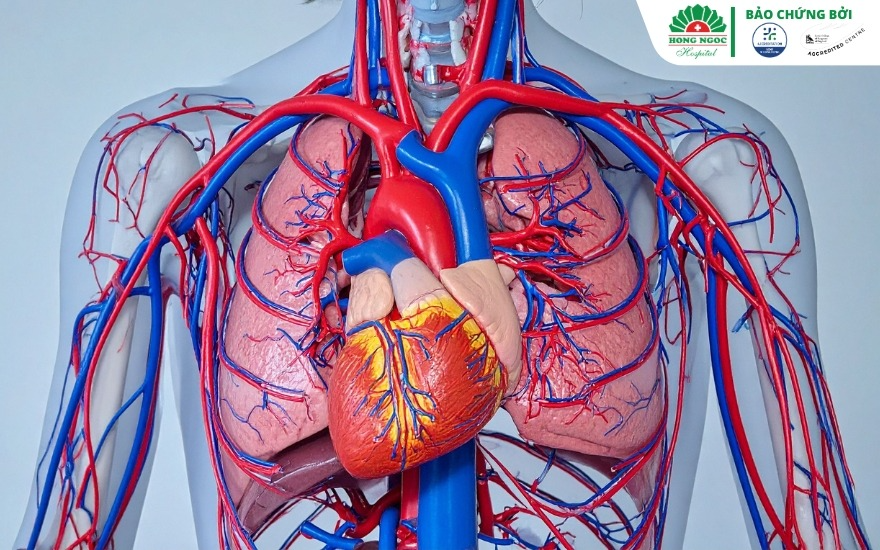
Table: hot-weather risks, warning signs, and initial management
Warning signs that should not be overlooked
Older adults may not show illness as clearly as younger people. Therefore, even subtle changes such as increased fatigue, excessive sleepiness, poor appetite, mild confusion, numbness, weakness or paralysis, or unsteady gait should be taken seriously during hot weather.
Dizziness, unsteady gait, or feeling faint
Dizziness in older adults on hot days may be related to dehydration, low blood pressure, electrolyte imbalance, current medications, or cardiovascular disease.
Attention is needed if the patient experiences:
- Lightheadedness when standing up: This may indicate orthostatic hypotension caused by dehydration, antihypertensive medications, diuretics, or temporarily reduced blood flow to the brain. Family members should have the patient sit or lie down, measure blood pressure if a device is available, and avoid allowing the patient to walk unassisted immediately. In some cases, lightheadedness may also be a warning sign of a transient ischemic attack (TIA), which requires early medical assessment and monitoring to prevent the risk of stroke.
- Unsteady gait or a floating sensation: In older adults, dizziness not only causes discomfort but also increases the risk of falls, fractures, or head injury. If this occurs repeatedly on hot days, medical evaluation is needed to assess blood pressure, electrolyte levels, and cardiovascular status. In particular, if numbness, weakness, or paralysis on one side of the body is present, emergency care is required immediately, as this may be a sign of stroke.
- Fainting or near-fainting: This is a dangerous sign and may be related to low blood pressure, arrhythmia, severe dehydration, or an acute cardiovascular event. The patient should be taken for medical evaluation or emergency care depending on severity, especially if chest pain, shortness of breath, or a rapid heartbeat is present.
Rapid heartbeat, palpitations, or shortness of breath
When the body is dehydrated or overheated, the heart has to beat faster to maintain circulation. However, a rapid heartbeat accompanied by shortness of breath or chest pain in older adults requires early evaluation.
Warning signs include:
- The heart has to beat faster to maintain circulation: Patients may feel palpitations or a stronger-than-usual heartbeat, especially after sun exposure, prolonged standing, physical activity, or inadequate fluid intake.
- Shortness of breath during mild exertion: If the patient becomes more breathless than usual when walking indoors, climbing a few steps, or doing light activities, the heart or lungs may be under strain.
- Shortness of breath when lying down: Some patients may need to sleep with extra pillows because breathlessness worsens when lying flat. This may be related to heart failure, coronary artery disease, or respiratory disease and requires medical evaluation.
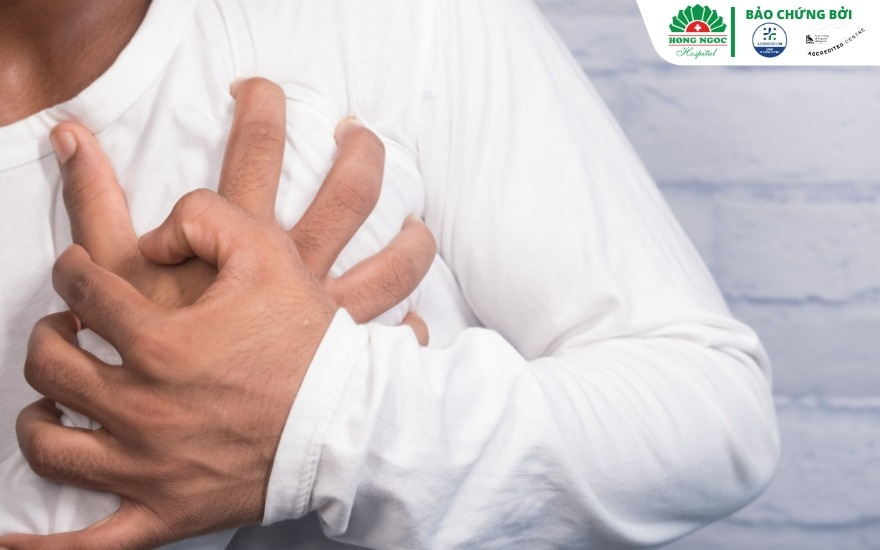
- Shortness of breath accompanied by chest pain, bluish lips, or severe fatigue: These are dangerous warning signs and require prompt emergency care to rule out an acute cardiovascular event or respiratory failure
Confusion, altered consciousness, or difficulty waking
Altered consciousness is an easily overlooked sign in older adults, especially if the family assumes the patient is only “tired because of the heat.” However, confusion or drowsiness may indicate severe dehydration, heatstroke, electrolyte imbalance, infection, or a neurological event.
Attention is needed if:
- The central nervous system may be affected: The patient may speak slowly, respond slowly, become more forgetful than usual, or give inappropriate answers. This should not be regarded as “normal age-related confusion” if it appears suddenly on a hot day.
- Difficulty concentrating or drowsiness occurs: Unusual sleepiness, reduced interaction, or difficulty staying awake may suggest dehydration, low blood pressure, or elevated body temperature.
- Difficulty waking or progressively worsening drowsiness occurs: This is a dangerous sign and requires prompt emergency care, as the risk of brain injury or multiple organ failure may increase.
- Confusion is accompanied by high fever, hot skin, or very little urination: This is an urgent situation and should not be left to improve on its own.
Reduced urination, dark-colored urine, or abnormal swelling
Changes in urine output may reflect dehydration or kidney and cardiovascular problems. Families should pay attention if an older adult urinates significantly less than usual during hot weather.
- Reduced urination: This may be caused by inadequate fluid intake, fluid loss through sweating, or reduced blood flow to the kidneys. If urination becomes very limited and is accompanied by severe fatigue, dizziness, or confusion, early medical evaluation is needed.
- Dark-colored urine: Dark yellow urine may suggest concentrated urine due to dehydration. However, if it persists or is accompanied by painful urination, fever, or jaundice, other causes should be investigated.
- Leg swelling or worsening shortness of breath: Patients with heart failure, kidney disease, or liver disease should not drink excessive amounts of water on their own when they feel hot. If swelling increases, shortness of breath worsens, or rapid weight gain occurs, medical advice should be sought.
Chest pain, signs of stroke, or heatstroke
These are emergency warning signs and require rapid management.
- Chest pain or chest tightness: Chest pain accompanied by shortness of breath, cold sweats, nausea, or pain radiating to the shoulder, left arm, neck, or jaw may indicate an acute cardiovascular event. Emergency care is required immediately.
- Signs of stroke: Facial drooping, weakness or numbness on one side of the body, difficulty speaking, sudden blurred vision, loss of balance, or sudden confusion require immediate emergency services.
- High body temperature, hot and flushed skin, or confusion after exposure to a hot environment: These may be signs of heatstroke. The patient should be moved to a cool place, the body should be cooled, and emergency services should be called.
How much water should older adults drink during summer?
General recommendations suggest that adults should drink approximately 2 liters of water per day. However, actual fluid needs vary depending on age, body weight, underlying medical conditions, activity level, weather conditions, sweating, and current medications. There is no fixed amount of water that is suitable for all older adults.
Older adults should drink water regularly throughout the day and should not wait until they feel thirsty. However, patients with heart failure, kidney disease, liver disease, those on dialysis, or those advised by their doctor to restrict fluid intake should consult their doctor about the appropriate daily amount of water. Drinking too little may lead to dehydration, while drinking too much may cause swelling, shortness of breath, or circulatory overload.
Important notes include:
- Do not wait until thirst occurs before drinking: By the time thirst is felt, the body may already have started to become dehydrated to some degree. Because thirst sensation may decline in older adults, they should be more proactive about drinking water.
- Take small sips several times throughout the day: This approach makes it easier for older adults to drink, reduces the feeling of abdominal fullness, and helps prevent drinking too much at once.
- Monitor urine color: Dark yellow urine or reduced urination may be early signs of dehydration that require attention. However, urine color may also change due to medications or other medical conditions.
- Do not overuse electrolyte replacement: Patients with hypertension, heart failure, or kidney disease should not regularly use electrolyte drinks, sports drinks, or beverages high in salt or sugar without consulting a doctor.
- Adjust according to current medications: Patients taking diuretics, antihypertensive medications, or cardiovascular medications should consult their doctor if they experience dizziness, low blood pressure, reduced urination, or muscle cramps during hot weather.
What should families monitor in older adults on hot days?
Home monitoring helps detect early signs of dehydration, low blood pressure, heatstroke, or cardiovascular complications in older adults.
Fluid intake and frequency of urination
Families should pay attention to whether the patient drinks water regularly, urinates less than usual, or has dark-colored urine. Reduced urination accompanied by fatigue, dizziness, or confusion is a sign that medical evaluation is needed.
Blood pressure and heart rate
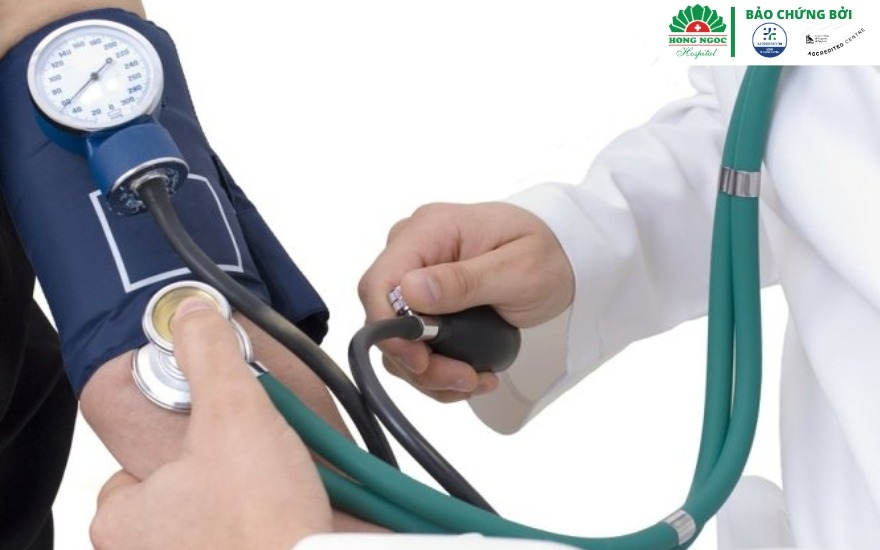
Blood pressure and heart rate should be measured when the patient experiences dizziness, palpitations, fatigue, headache, or after being outdoors in hot weather. Blood pressure that is too low or too high, or a persistent rapid heartbeat, should be assessed by a doctor.
Level of alertness
Confusion, slow speech, drowsiness, delayed responses, or difficulty waking may be dangerous signs in older adults. These may indicate severe dehydration, heatstroke, electrolyte imbalance, or a neurological condition.
Respiratory and cardiovascular signs
Shortness of breath, chest pain, bluish lips, cold sweats, a persistent rapid heartbeat, or pain radiating to the arm or jaw are warning signs that require emergency care, especially in people with cardiovascular disease.
Room temperature and living environment
A room that is too hot, poorly ventilated, lacks airflow, or does not have appropriate fan or air-conditioning support increases the risk of heat exhaustion and heatstroke. Older adults should stay in a cool, well-ventilated place and avoid prolonged direct sun exposure.
Current medications
Families should know whether the patient is taking diuretics, antihypertensive medications, cardiovascular medications, sedatives, or other medications. Medications should not be stopped on one’s own because of dizziness or fatigue; symptoms should be recorded and discussed with a doctor.
Older adults who live alone or have dementia require closer attention
Older adults who live alone, have limited caregiving support, or have dementia are at high risk during hot weather. They may not recognize that they are thirsty, may forget to drink water, may not know how to turn on a fan or air conditioner, or may be unable to respond appropriately when they experience dizziness, falls, or high fever.
Families should:
- Call or check on them in person regularly: This is especially important at midday and in the afternoon, when temperatures are usually higher during the day.
- Prepare drinking water in an easy-to-reach place: Water should be placed in a visible and accessible location. It may be divided into smaller bottles to make fluid intake easier to monitor.
- Check the living environment: Make sure the room is well ventilated and has an appropriate fan or air-conditioning support. Older adults should not be left in a closed, hot, and poorly ventilated room.
- Monitor medications and medication schedules: People with dementia may take medications incorrectly or forget to take them, increasing the risk of blood pressure fluctuations, dehydration, or complications of underlying conditions.
- Watch for behavioral changes: Worsening confusion, reduced speech, excessive sleepiness, poor appetite, or unusual irritability may be signs of illness, dehydration, or overheating.
Common mistakes in caring for older adults during hot weather
Leaving older adults in a room that is too hot or poorly ventilated
Poor ventilation and prolonged high temperatures can increase the risk of heat exhaustion, heatstroke, and cardiovascular complications.
A room that is too hot may:
- Increase the risk of heatstroke: When environmental temperature and humidity are too high, sweat evaporation is impaired, making it difficult for the body to dissipate heat effectively. Body temperature may rise rapidly, especially in older adults whose ability to regulate temperature has declined.
- Overload the heart: The heart has to work harder to support heat dissipation and cool the body, which may cause palpitations, fatigue, or shortness of breath in people with heart disease.
- Make the patient fatigue more quickly: Older adults may develop poor appetite, drowsiness, confusion, or reduced mobility when staying in a hot, poorly ventilated environment for a prolonged period.
- Increase the risk of silent dehydration: Older adults often have a reduced thirst sensation, so dehydration may persist without being recognized, especially in hot and humid weather.
Older adults should stay in a well-ventilated place with an appropriate fan or air-conditioning support and avoid prolonged exposure to excessively high temperatures.

Drinking too little water because of fear of frequent urination
This is a very common mistake among older adults. Prolonged fluid restriction can lead to silent dehydration, especially on hot days.
Drinking too little water may:
- Cause low blood pressure: Fluid deficiency reduces circulating blood volume, making patients more prone to lightheadedness, dizziness, or fainting when standing up.
- Increase the risk of acute kidney injury: The kidneys need adequate fluid to maintain blood filtration. Prolonged dehydration may reduce renal perfusion and increase the risk of acute kidney injury and urinary tract infections.
- Make the blood more concentrated: When the body is dehydrated, circulation becomes less efficient and the heart is placed under greater strain. This is particularly important in people with cardiovascular disease or an elevated risk of stroke.
- Increase the risk of confusion: Dehydration and electrolyte imbalance may cause older adults to become drowsy, respond more slowly, or appear more confused than usual.
Families can help by spreading fluid intake evenly throughout the day, avoiding excessive fluid intake close to bedtime, and consulting a doctor if the patient has heart failure, kidney disease, or frequent nighttime urination.
Outdoor activity during peak midday heat
The period from approximately 1 p.m. to 4 p.m. is often when outdoor temperatures are highest. Older adults who remain active outdoors for long periods during this time are more likely to develop dehydration, low blood pressure, and heatstroke.
The risk is higher if the patient:
- Has hypertension, cardiovascular disease, or kidney disease.
- Is taking diuretics or antihypertensive medications.
- Has poor food or fluid intake.
- Walks, gardens, exercises, or goes to the market under the sun.
- Lives alone and has no one to monitor them.
Outdoor activities should be scheduled for early morning or late afternoon when it is cooler. Older adults should carry water, wear a wide-brimmed hat, and take frequent breaks.
Stopping or reducing medication on one’s own when feeling tired
Some older adults stop taking diuretics, blood pressure medications, or cardiovascular medications on their own when they feel dizzy, tired, have low blood pressure, or urinate frequently. This may cause underlying conditions to become uncontrolled.
Patients should not change medications on their own because:
- Blood pressure may fluctuate abnormally: Abrupt discontinuation of medication may cause blood pressure instability and increase the risk of cardiovascular events.
- Heart failure or arrhythmias may worsen: Some medications must be taken consistently to keep symptoms under control.
- The true cause of symptoms may be missed or misunderstood: Dizziness may be caused by dehydration, low blood pressure, electrolyte imbalance, or medication effects. A doctor’s assessment is needed to identify the cause.
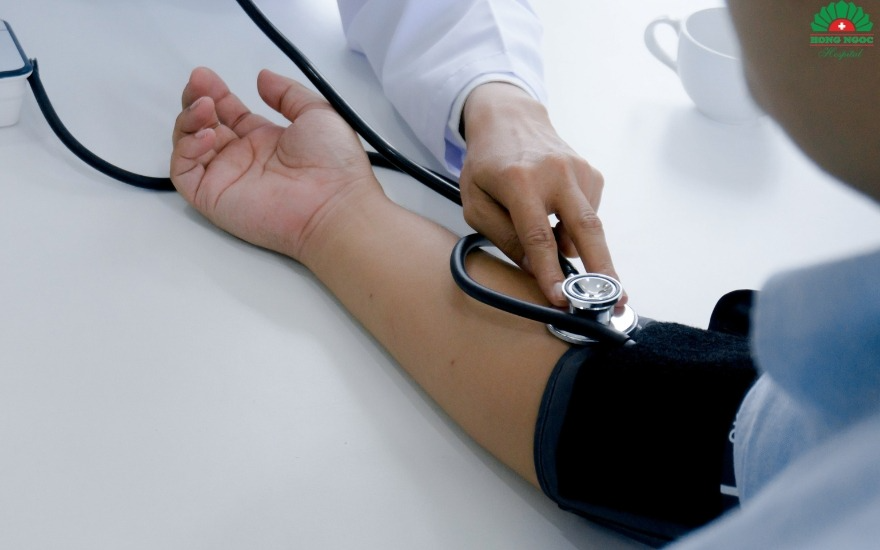
Patients should measure their blood pressure, record symptoms, and contact their doctor for guidance.
Drinking alcohol or sugary beverages to “cool down”
Alcohol is not a safe way to cool the body. It may increase the risk of dehydration and affect blood pressure, heart rhythm, and sleep quality.
Sugary beverages should also not be used as a substitute for plain water, especially in people with diabetes, overweight or obesity, or dyslipidemia. Older adults should prioritize plain water, soup or broth, appropriate fruits, and a balanced diet.
How to prevent heat-related illness in older adults
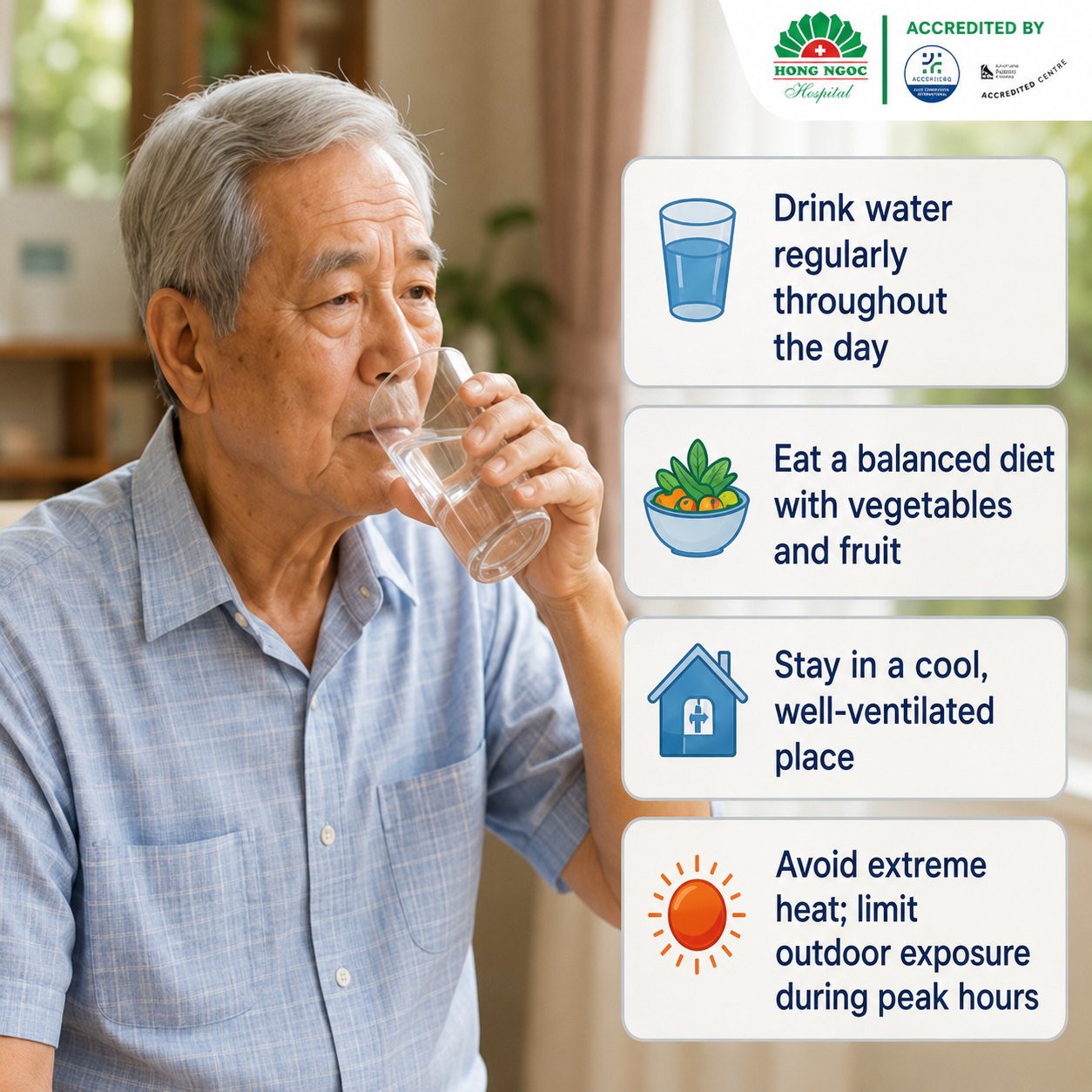
Drink water regularly throughout the day
Older adults should drink water at regular intervals and should not wait until they feel thirsty. Fluid intake can be divided into multiple small amounts throughout the day to make drinking easier and monitoring more practical.
Important notes include:
- Patients with heart failure, kidney disease, liver disease, or those on dialysis should ask their doctor about the appropriate amount of fluid.
- If the patient sweats heavily, has diarrhea, or vomits, signs of dehydration should be monitored closely.
- Electrolyte drinks should not be overused, as many contain high amounts of sodium or sugar and may not be suitable for people with heart failure, hypertension, diabetes, or kidney disease.
- Reduced urination, dark-colored urine, dizziness, or unusual fatigue should be monitored.
Keep the living environment cool and well ventilated
A cool and well-ventilated living environment helps reduce the body’s burden of temperature regulation.
Families may:
- Use a fan or air conditioner appropriately.
- Avoid rooms that are too hot or poorly ventilated.
- Draw curtains and limit direct sunlight during midday.
- Open windows for ventilation during cooler periods if outdoor air quality is suitable.
- Limit outdoor activities for older adults during peak heat hours, especially between approximately 1 p.m. and 4 p.m.
- Avoid sudden temperature changes between a cold room and the hot outdoors.
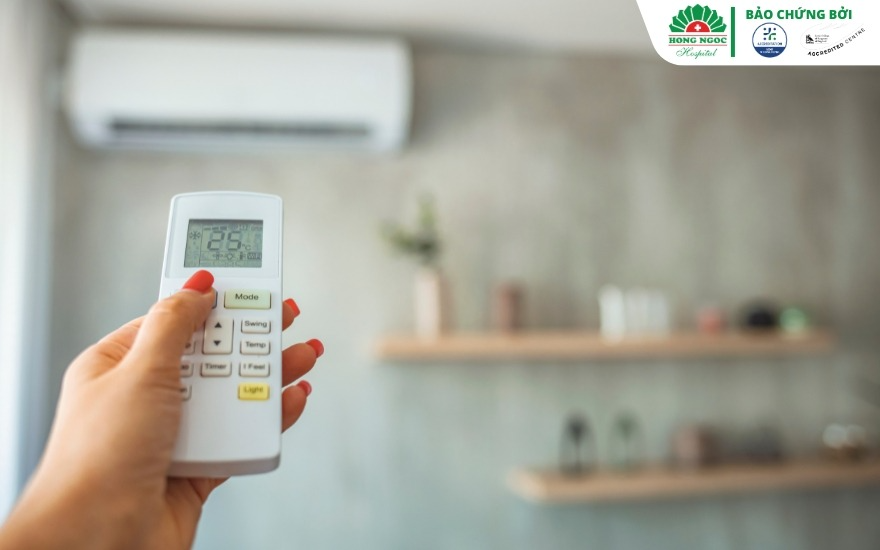
If air conditioning is used, the temperature should not be set too low, and cold air should not blow directly onto the older adult for prolonged periods.
Monitor blood pressure and current medications
People with hypertension, cardiovascular disease, kidney disease, or those taking diuretics should be monitored more closely during hot weather.
They should:
- Take medications as prescribed.
- Measure blood pressure when dizziness, fatigue, palpitations, or other symptoms occur.
- Attend regular follow-up appointments.
- Avoid stopping medications on their own.
- Consult a doctor if blood pressure fluctuates, urination decreases, swelling occurs, shortness of breath develops, or severe fatigue appears.
Maintain adequate nutrition and avoid skipping meals
Hot weather may reduce appetite in older adults. However, prolonged skipping of meals may lead to fatigue, low blood pressure, hypoglycemia, or nutritional deficiencies.
Priority should be given to:
- Soft, easy-to-digest meals.
- Soup, broth, or suitable fluid-rich dishes.
- Green vegetables and fruits appropriate for the patient’s underlying conditions.
- Easily digestible protein sources such as fish, eggs, tofu, and lean meat.
- Limiting alcohol and sugary beverages.
Patients with diabetes, kidney disease, gout, or heart failure should follow an individualized diet as advised by their doctor.

Avoid going outdoors during peak heat hours
Older adults should limit going outdoors during peak heat hours, especially if they have cardiovascular disease, hypertension, or kidney disease.
If going outdoors is necessary, they should:
- Wear a wide-brimmed hat.
- Wear light-colored, breathable clothing.
- Carry water.
- Go with a family member if their health is weak.
- Rest in a shaded place if they feel tired, dizzy, or notice a rapid heartbeat.
Maintain appropriate physical activity
Physical activity helps maintain cardiovascular health, musculoskeletal function, and balance, but the timing and intensity should be appropriate during hot weather.
Older adults should:
- Exercise in the early morning or late afternoon when it is cooler.
- Avoid exercising outdoors during peak heat hours.
- Start with gentle warm-up exercises.
- Stop exercising if dizziness, chest pain, shortness of breath, or a rapid heartbeat occurs.
- Drink fluids appropriately before and after exercise if they are not on fluid restriction.
When is medical evaluation or emergency care needed?
Emergency care is required immediately if warning signs occur
Families should call emergency services or take the patient to a medical facility immediately if any of the following signs occur:
- Confusion, altered consciousness, or difficulty waking: These may be signs of severe dehydration, heatstroke, electrolyte imbalance, infection, or a neurological event.
- High fever, hot and flushed skin, or suspected heatstroke: Heatstroke is a medical emergency. The patient should be moved to a cool place, the body should be cooled, and emergency services should be called.
- Chest pain, shortness of breath, bluish lips, or cold sweats: These are dangerous cardiovascular or respiratory warning signs that require immediate emergency care.
- Fainting or severe low blood pressure: These may be related to severe dehydration, arrhythmia, medication effects, or an acute cardiovascular event.
- Facial drooping, weakness or numbness on one side of the body, difficulty speaking, or suspected stroke: Emergency services should be called immediately. Do not wait for the symptoms to resolve on their own.
- Persistent rapid heartbeat accompanied by lightheadedness, chest pain, or shortness of breath: Heart rhythm, blood pressure, electrolyte levels, and cardiovascular status should be evaluated.
- Very little or no urination for several hours accompanied by severe fatigue: This may be related to severe dehydration or acute kidney injury.
- Seizures: This is an emergency situation that requires urgent medical management.
Older adults should seek medical evaluation early if symptoms persist or recur
Older adults should be taken for medical evaluation if they experience:
- Recurrent dizziness, especially when standing up: This may be related to orthostatic hypotension, dehydration, medication effects, or arrhythmias.
- A rapid heartbeat or palpitations on hot days: If symptoms persist, recur, or are accompanied by fatigue, cardiovascular status and electrolyte balance should be assessed.
- Marked blood pressure fluctuations: Patients with hypertension should not adjust medications on their own and should be evaluated by a doctor.
- Persistent fatigue, poor food and fluid intake, or unusual sleepiness: These may be signs of dehydration, infection, electrolyte imbalance, or worsening underlying disease.
- Reduced urination or dark-colored urine: Dehydration, kidney function, or medication effects should be assessed.
- Use of diuretics, antihypertensive medications, or cardiovascular medications: Medical evaluation is recommended if dizziness, muscle cramps, low blood pressure, reduced urination, or a rapid heartbeat occurs.
- Cardiovascular disease, kidney disease, diabetes, or a history of stroke: Patients in these groups should be monitored earlier during prolonged heat waves.
At Hong Ngoc General Hospital, patients have access to multidisciplinary specialties for examination, emergency management, and comprehensive assessment of blood pressure, cardiovascular status, dehydration, electrolyte balance, kidney function, and related risk factors during hot weather.
Frequently asked questions
Why are older adults more prone to dehydration?
Older adults often have a reduced thirst sensation, and kidney function declines with age, making it harder for the body to conserve water. In addition, older adults may drink less water because they are afraid of nighttime urination, have poor food and fluid intake, or take diuretics, all of which increase the risk of dehydration during hot weather.
Should older adults drink more water when it is hot?
Older adults should drink enough water regularly throughout the day, but they should not drink excessive amounts on their own if they have heart failure, kidney disease, liver disease, or are on dialysis. Fluid intake should be individualized based on underlying conditions, current medications, and the doctor’s guidance.
What are the warning signs of heatstroke in older adults?
Warning signs of heatstroke include high fever, hot and flushed skin, confusion, altered consciousness, rapid heartbeat, shortness of breath, seizures, or fainting after exposure to a hot environment. This is a medical emergency, and the patient should be cooled and taken to a medical facility immediately.
Should older adults spend a lot of time outdoors in the sun?
Older adults should avoid going outdoors during prolonged peak heat hours, especially from around midday to early afternoon. Older adults are more likely to experience dehydration, low blood pressure, heatstroke, and cardiovascular complications when exposed to heat for long periods.
Is confusion in older adults on hot days dangerous?
Yes. Confusion, altered consciousness, drowsiness, or difficulty waking on hot days may be signs of severe dehydration, heatstroke, electrolyte imbalance, infection, or a neurological event. Families should take the patient for medical evaluation or emergency care, especially if these symptoms are accompanied by high fever, hot skin, shortness of breath, or low blood pressure.
Is it dangerous for older adults to drink too little water because they are afraid of nighttime urination?
It can be dangerous if this continues for a prolonged period. Drinking too little water during hot weather increases the risk of dehydration, low blood pressure, reduced urination, acute kidney injury, and severe fatigue. Families can help distribute fluid intake evenly throughout the day, limit excessive fluid intake close to bedtime, and consult a doctor if the patient has heart failure, kidney disease, or frequent nighttime urination.
What should older adults taking diuretics pay attention to during hot weather?
Diuretics can increase the loss of water and salt through urine. In hot weather, patients are more prone to dehydration or electrolyte imbalance. They should not stop the medication on their own. If dizziness, low blood pressure, reduced urination, muscle cramps, severe fatigue, confusion, or a rapid heartbeat occurs, they should contact a doctor.
Is it good for older adults to stay in an air-conditioned room all day?
A cool room helps reduce the risk of heat-related illness, but it should not be too cold, too dry, or poorly ventilated. Older adults should stay in a cool, well-ventilated environment, avoid sudden temperature changes, avoid direct cold airflow for prolonged periods, maintain appropriate hydration, and monitor for dry throat, dizziness, fatigue, or shortness of breath.
Conclusion
Older adults are particularly vulnerable to hot weather because the body’s ability to regulate temperature, thirst sensation, and heart and kidney function decline with age. Early recognition of dehydration, electrolyte imbalance, low blood pressure, heatstroke, or cardiovascular complications can help reduce the risk of hospitalization during summer.
Families should proactively keep the living environment cool and well ventilated, remind older adults to drink fluids appropriately, and monitor blood pressure, heart rate, urine output, and level of alertness. If an older adult develops confusion, chest pain, shortness of breath, fainting, signs of stroke, high fever, or markedly reduced urination, they should be taken to a medical facility early for timely evaluation and management.
Medical note
This article is for reference purposes only and is not a substitute for medical diagnosis or treatment. If the patient develops confusion, shortness of breath, chest pain, low blood pressure, high fever, seizures, markedly reduced urination, or signs of stroke, they should be taken to a medical facility promptly.
People with heart failure, kidney disease, liver disease, those on dialysis, people with hypertension, diabetes, or those taking diuretics or cardiovascular medications should not adjust their fluid intake or treatment regimen without medical guidance.