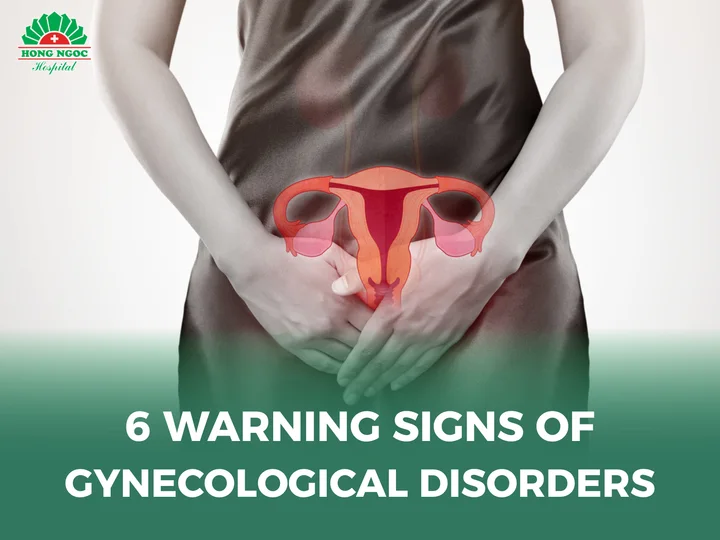

As one of the concerning gynecological conditions, nabothian cysts of the cervix often cause significant anxiety for many women. However, many still do not fully understand this condition or know the proper treatment methods. Hong Ngoc General Hospital invites you to learn more about nabothian cysts of the cervix, including their definition, signs, causes, and treatment options.
What are nabothian cysts of the cervix?
Nabothian cysts (also called nabothian follicles) are small cysts that appear on the surface of the cervix. They form when the cervical glands become blocked, causing mucus to accumulate within these glands and gradually develop into small or larger cysts over time.
Initially, nabothian cysts are about the size of a grain of rice (around 1 mm), but they may enlarge to the size of a pea or bigger as mucus continues to collect. They are typically round, smooth, and white or yellow in color. Most cysts cluster in one area, creating a small bump on the cervix. They are usually firm, resistant to rupture, and painless.
In the early stages, nabothian cysts are benign lesions and rarely interfere with a woman’s daily life.
Signs that you may have nabothian cysts of the cervix
As mentioned above, nabothian cysts are benign lesions. Because they are usually very small, they are difficult to detect. In addition, these cysts rarely cause specific symptoms and have little impact on daily life, so they are often overlooked.
Most cases of nabothian cysts are discovered incidentally during routine health check-ups or gynecological examinations.
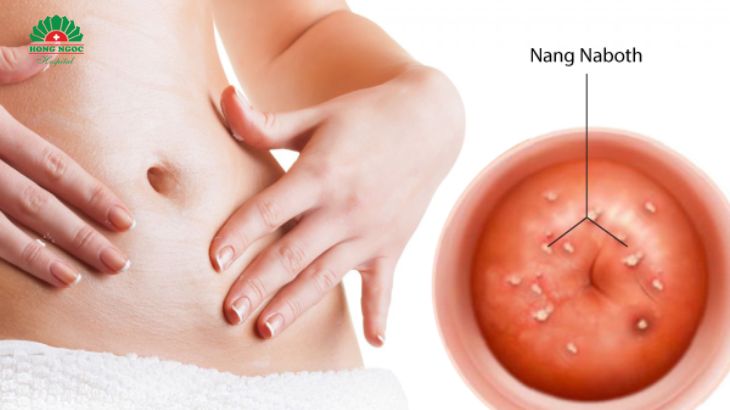
Illustrative images of nabothian cysts of the cervix
Nabothian cysts generally do not cause pain (even when small cysts rupture). However, in rare cases, when the cyst enlarges or ruptures, the following symptoms may occur:
Abnormal vaginal bleeding: usually light bleeding, sometimes accompanied by mild lower abdominal discomfort.
Menstrual irregularities: nabothian cysts may interfere with uterine contractions, leading to disrupted menstrual cycles.
Abnormal vaginal discharge: increased discharge, often yellowish with a foul odor, which is typical of gynecological infections.
Pain during sexual intercourse: bleeding may also occur due to cervical injury; prolonged symptoms can reduce sexual desire.
Painful menstruation (dysmenorrhea).
Contact our hotline 0916 690 018 or fill out the form below to schedule a gynecological consultation with our leading specialists.
Causes of nabothian cysts of the cervix
The primary cause of nabothian cysts is blockage of the cervical glands on the surface of the cervix. Specific contributing factors may include:
Cervical gland obstruction: Nabothian cysts commonly form when the cervical glands become blocked. This may occur when mucus becomes trapped inside the glands and cannot be released, often due to debris or disruption of the cervix’s natural cleansing process.
Gynecological infections: Previous cervical infections or bacterial invasion from the vagina may cause inflammation and blockage of the cervical glands, leading to nabothian cyst formation.
Cervical trauma: Injuries or direct damage to the cervical tissue can obstruct the cervical glands and contribute to the development of nabothian cysts.
Hormonal changes: Fluctuations in female hormones may increase the risk of developing larger nabothian cysts. This can happen during puberty, pregnancy, or as a result of hormonal treatments such as contraceptives or other hormone-based therapies.
Complications of nabothian cysts
Some common questions when nabothian cysts are detected include: “Are nabothian cysts dangerous?” and “Can I get pregnant if I have nabothian cysts?”
In fact, during the early stages, nabothian cysts are not dangerous and usually do not significantly affect a woman’s daily life. However, over time, as the cysts enlarge and symptoms become more pronounced, nabothian cysts of the cervix may lead to the following complications:
Gynecological infections
When nabothian cysts enlarge, rupture, and become infected, they may cause swelling, pain, and pus formation. If the infection spreads, treatment with antibiotics or further medical intervention may be required. Large cysts may also create pressure on surrounding structures, leading to increasing menstrual pain, pelvic discomfort, painful urination, urinary frequency, and difficulty with bowel movements.
Difficulty in diagnosing other gynecological abnormalities
A nabothian cyst measuring about 1 cm can interfere with the detection of other cervical conditions such as infections or fibroids. If large enough to cover part of the cervix, the cyst may obscure or complicate the diagnosis of abnormalities like cervical polyps or adenomas.
Cervical deformity and excessive damage: Overgrowth of nabothian cysts may cause cervical distortion and, in severe cases, lead to rupture or extensive ulceration.
Reduced fertility

Nabothian cysts of the cervix may pose a risk of reducing fertility.
Small nabothian cysts of the cervix usually do not affect fertility. However, when the cysts enlarge or rupture, they may reduce sexual desire to some extent.
In addition, ruptured nabothian cysts can allow inflammation to spread to the adnexa, including the fallopian tubes and ovaries. In some reported cases, fallopian tube obstruction has been observed as a complication of nabothian cysts.
How are nabothian cysts treated?
A common question many women have is: “How can nabothian cysts be treated?” Currently, there are two main approaches with three treatment methods: medical treatment (medications) and surgical/interventional treatment (aspiration or cauterization).
Medication
Applied for small cysts (<10 mm) that have not caused complications.
Commonly prescribed drugs include antibiotics and anti-inflammatory medications to help shrink the cysts, preserve cervical structure, and maintain fertility.
If the cysts cause significant pain, analgesics such as paracetamol or ibuprofen may be recommended to relieve symptoms.
Aspiration of nabothian cysts
Indicated for large cysts that cause discomfort or begin to cluster together.
Performed by a specialist using a fine needle to drain the fluid inside the cyst.
The procedure is minimally invasive, causes little pain, requires no major surgery, and usually heals quickly. Patients may be prescribed analgesics and anti-inflammatory medications afterward.
Cauterization of nabothian cysts
When medication or aspiration is not suitable, cauterization may be indicated. Two main techniques are used:
Electrocauterization:
This is the most commonly used method today. It is generally painless, causes minimal bleeding, leaves little to no scarring, and limits cervical damage. Using a small electrode inserted through the vagina, the cysts are cauterized. The treated tissue later sloughs off naturally as the cervix contracts.
Cryocauterization (cryotherapy):
This method uses liquid nitrogen to freeze and destroy the cysts. However, if performed by an inexperienced physician, cryotherapy may damage the cervix.
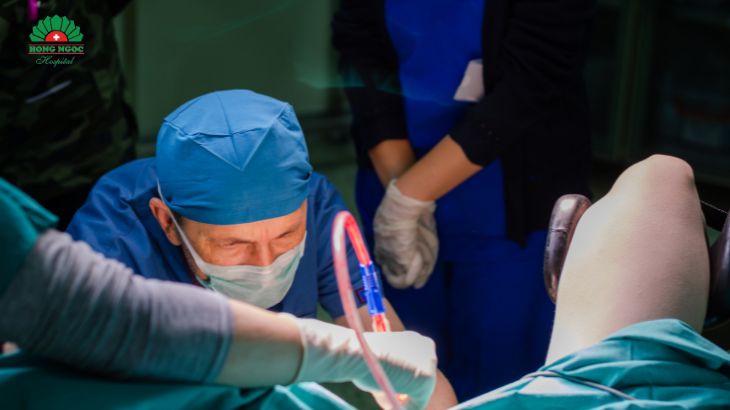
The aspiration method and electrocauterization are the most commonly used treatments for nabothian cysts.
Frequently asked questions about electrocauterization of nabothian cysts
Does electrocauterization of nabothian cysts cause pain? As mentioned, electrocauterization is generally painless, does not damage cervical tissue, and preserves the structure of the cervix. In contrast, cryotherapy (cold cauterization) carries a higher risk of cervical injury if performed by inexperienced physicians, so it should only be done at reputable hospitals with qualified specialists. After cauterization, some women may experience mild lower abdominal discomfort, which usually subsides quickly. Doctors may prescribe pain relievers to ease the discomfort.
How much does electrocauterization of nabothian cysts cost?
The cost depends on several factors, including:
The number and size of nabothian cysts
The patient’s overall condition
The hospital or clinic where the procedure is performed
Follow-up visit costs
Medication costs Additionally, expenses for pre-procedure tests and ultrasound are usually included. Patients are advised to plan their finances carefully and seek treatment at reputable hospitals for accurate cost estimates.
What should be avoided after cauterization?
Depending on the patient’s recovery, physicians may recommend:
Avoiding vaginal douching to prevent cervical injury after the procedure
Avoiding strenuous physical activities to allow wounds to heal
Refraining from spicy foods and stimulants (alcohol, tobacco, caffeine), which may increase the risk of cervical scarring
Practicing gentle intimate hygiene with appropriate cleansing solutions and changing underwear daily
Can I have sexual intercourse after electrocauterization of nabothian cysts?
Women are advised to resume sexual activity only after complete healing of the cauterized area. The recommended abstinence period is typically 4–6 weeks, but this may vary depending on each individual’s recovery. In all cases, intercourse should be avoided for at least one week after the procedure.

After electrocauterization of nabothian cysts, women should abstain from sexual intercourse for at least 7 days.
How long after nabothian cyst cauterization can you get pregnant?
As noted, if performed carefully and precisely, cauterization of nabothian cysts does not affect fertility. However, for conception to occur safely and smoothly, it is important to ensure that the cauterized tissue has fully healed. This means women may plan for pregnancy about 4 to 6 weeks after the procedure, once sexual activity is permitted.
Can nabothian cysts recur after cauterization? Nabothian cysts originate from the cervical mucus glands. Treatments such as cauterization or medication eliminate existing cysts but do not address the underlying cause. Therefore, recurrence is possible, especially if patients do not follow medical advice, neglect proper care, or maintain unhealthy lifestyle habits.
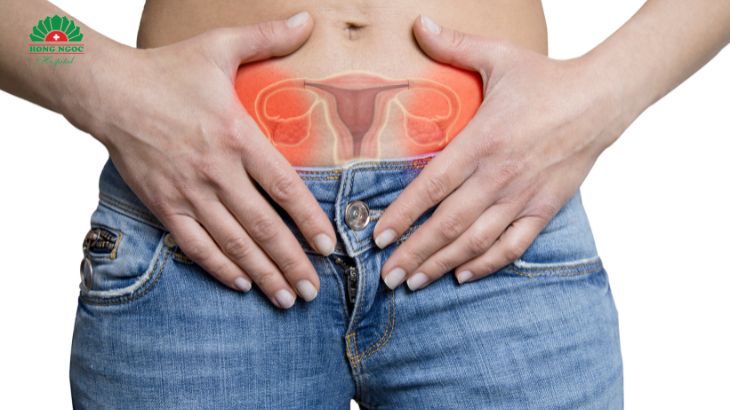
Nabothian cysts of the cervix cannot be definitively treated.
How to prevent nabothian cysts of the cervix?
Some preventive measures include:
Regular health check-ups: Managing overall health and maintaining routine gynecological examinations are essential. Regular check-ups allow early detection of abnormalities and timely treatment.
Protecting the cervix: Avoid trauma to the cervix, such as using rigid instruments or performing unnecessary self-cleaning procedures, which may increase the risk of infection and cervical damage.
Safe sexual practices: Use contraception and protection during intercourse to reduce the risk of infection or cervical injury.
Hormonal regulation: Under medical supervision, hormone balance can be monitored and adjusted to lower the risk of cervical-related conditions.
Healthy lifestyle: Follow a balanced diet, exercise regularly, and avoid harmful habits such as smoking and excessive alcohol consumption to support overall health and reduce gynecological risks.
Note: The information provided in this article by Hong Ngoc General Hospital is for reference only and is not a substitute for medical diagnosis or treatment. Patients should not self-medicate.
As one of the concerning gynecological conditions, nabothian cysts of the cervix often cause significant anxiety for many women. However, many still do not fully understand this condition or know the proper treatment methods. Hong Ngoc General Hospital invites you to learn more about nabothian cysts of the cervix, including their definition, signs, causes, and treatment options.
What are nabothian cysts of the cervix?
Nabothian cysts (also called nabothian follicles) are small cysts that appear on the surface of the cervix. They form when the cervical glands become blocked, causing mucus to accumulate within these glands and gradually develop into small or larger cysts over time.
Initially, nabothian cysts are about the size of a grain of rice (around 1 mm), but they may enlarge to the size of a pea or bigger as mucus continues to collect. They are typically round, smooth, and white or yellow in color. Most cysts cluster in one area, creating a small bump on the cervix. They are usually firm, resistant to rupture, and painless.
In the early stages, nabothian cysts are benign lesions and rarely interfere with a woman’s daily life.
Signs that you may have nabothian cysts of the cervix
As mentioned above, nabothian cysts are benign lesions. Because they are usually very small, they are difficult to detect. In addition, these cysts rarely cause specific symptoms and have little impact on daily life, so they are often overlooked.
Most cases of nabothian cysts are discovered incidentally during routine health check-ups or gynecological examinations.
Illustrative images of nabothian cysts of the cervix
Nabothian cysts generally do not cause pain (even when small cysts rupture). However, in rare cases, when the cyst enlarges or ruptures, the following symptoms may occur:
Abnormal vaginal bleeding: usually light bleeding, sometimes accompanied by mild lower abdominal discomfort.
Menstrual irregularities: nabothian cysts may interfere with uterine contractions, leading to disrupted menstrual cycles.
Abnormal vaginal discharge: increased discharge, often yellowish with a foul odor, which is typical of gynecological infections.
Pain during sexual intercourse: bleeding may also occur due to cervical injury; prolonged symptoms can reduce sexual desire.
Painful menstruation (dysmenorrhea).
Contact our hotline 0916 690 018 or fill out the form below to schedule a gynecological consultation with our leading specialists.
Causes of nabothian cysts of the cervix
The primary cause of nabothian cysts is blockage of the cervical glands on the surface of the cervix. Specific contributing factors may include:
Cervical gland obstruction: Nabothian cysts commonly form when the cervical glands become blocked. This may occur when mucus becomes trapped inside the glands and cannot be released, often due to debris or disruption of the cervix’s natural cleansing process.
Gynecological infections: Previous cervical infections or bacterial invasion from the vagina may cause inflammation and blockage of the cervical glands, leading to nabothian cyst formation.
Cervical trauma: Injuries or direct damage to the cervical tissue can obstruct the cervical glands and contribute to the development of nabothian cysts.
Hormonal changes: Fluctuations in female hormones may increase the risk of developing larger nabothian cysts. This can happen during puberty, pregnancy, or as a result of hormonal treatments such as contraceptives or other hormone-based therapies.
Complications of nabothian cysts
Some common questions when nabothian cysts are detected include: “Are nabothian cysts dangerous?” and “Can I get pregnant if I have nabothian cysts?”
In fact, during the early stages, nabothian cysts are not dangerous and usually do not significantly affect a woman’s daily life. However, over time, as the cysts enlarge and symptoms become more pronounced, nabothian cysts of the cervix may lead to the following complications:
Gynecological infections
When nabothian cysts enlarge, rupture, and become infected, they may cause swelling, pain, and pus formation. If the infection spreads, treatment with antibiotics or further medical intervention may be required. Large cysts may also create pressure on surrounding structures, leading to increasing menstrual pain, pelvic discomfort, painful urination, urinary frequency, and difficulty with bowel movements.
Difficulty in diagnosing other gynecological abnormalities
A nabothian cyst measuring about 1 cm can interfere with the detection of other cervical conditions such as infections or fibroids. If large enough to cover part of the cervix, the cyst may obscure or complicate the diagnosis of abnormalities like cervical polyps or adenomas.
Cervical deformity and excessive damage: Overgrowth of nabothian cysts may cause cervical distortion and, in severe cases, lead to rupture or extensive ulceration.
Reduced fertility
Nabothian cysts of the cervix may pose a risk of reducing fertility.
Small nabothian cysts of the cervix usually do not affect fertility. However, when the cysts enlarge or rupture, they may reduce sexual desire to some extent.
In addition, ruptured nabothian cysts can allow inflammation to spread to the adnexa, including the fallopian tubes and ovaries. In some reported cases, fallopian tube obstruction has been observed as a complication of nabothian cysts.
How are nabothian cysts treated?
A common question many women have is: “How can nabothian cysts be treated?” Currently, there are two main approaches with three treatment methods: medical treatment (medications) and surgical/interventional treatment (aspiration or cauterization).
Medication
Applied for small cysts (<10 mm) that have not caused complications.
Commonly prescribed drugs include antibiotics and anti-inflammatory medications to help shrink the cysts, preserve cervical structure, and maintain fertility.
If the cysts cause significant pain, analgesics such as paracetamol or ibuprofen may be recommended to relieve symptoms.
Aspiration of nabothian cysts
Indicated for large cysts that cause discomfort or begin to cluster together.
Performed by a specialist using a fine needle to drain the fluid inside the cyst.
The procedure is minimally invasive, causes little pain, requires no major surgery, and usually heals quickly. Patients may be prescribed analgesics and anti-inflammatory medications afterward.
Cauterization of nabothian cysts
When medication or aspiration is not suitable, cauterization may be indicated. Two main techniques are used:
Electrocauterization:
This is the most commonly used method today. It is generally painless, causes minimal bleeding, leaves little to no scarring, and limits cervical damage. Using a small electrode inserted through the vagina, the cysts are cauterized. The treated tissue later sloughs off naturally as the cervix contracts.
Cryocauterization (cryotherapy):
This method uses liquid nitrogen to freeze and destroy the cysts. However, if performed by an inexperienced physician, cryotherapy may damage the cervix.
The aspiration method and electrocauterization are the most commonly used treatments for nabothian cysts.
Frequently asked questions about electrocauterization of nabothian cysts
Does electrocauterization of nabothian cysts cause pain? As mentioned, electrocauterization is generally painless, does not damage cervical tissue, and preserves the structure of the cervix. In contrast, cryotherapy (cold cauterization) carries a higher risk of cervical injury if performed by inexperienced physicians, so it should only be done at reputable hospitals with qualified specialists. After cauterization, some women may experience mild lower abdominal discomfort, which usually subsides quickly. Doctors may prescribe pain relievers to ease the discomfort.
How much does electrocauterization of nabothian cysts cost?
The cost depends on several factors, including:
The number and size of nabothian cysts
The patient’s overall condition
The hospital or clinic where the procedure is performed
Follow-up visit costs
Medication costs Additionally, expenses for pre-procedure tests and ultrasound are usually included. Patients are advised to plan their finances carefully and seek treatment at reputable hospitals for accurate cost estimates.
What should be avoided after cauterization?
Depending on the patient’s recovery, physicians may recommend:
Avoiding vaginal douching to prevent cervical injury after the procedure
Avoiding strenuous physical activities to allow wounds to heal
Refraining from spicy foods and stimulants (alcohol, tobacco, caffeine), which may increase the risk of cervical scarring
Practicing gentle intimate hygiene with appropriate cleansing solutions and changing underwear daily
Can I have sexual intercourse after electrocauterization of nabothian cysts?
Women are advised to resume sexual activity only after complete healing of the cauterized area. The recommended abstinence period is typically 4–6 weeks, but this may vary depending on each individual’s recovery. In all cases, intercourse should be avoided for at least one week after the procedure.
After electrocauterization of nabothian cysts, women should abstain from sexual intercourse for at least 7 days.
How long after nabothian cyst cauterization can you get pregnant?
As noted, if performed carefully and precisely, cauterization of nabothian cysts does not affect fertility. However, for conception to occur safely and smoothly, it is important to ensure that the cauterized tissue has fully healed. This means women may plan for pregnancy about 4 to 6 weeks after the procedure, once sexual activity is permitted.
Can nabothian cysts recur after cauterization? Nabothian cysts originate from the cervical mucus glands. Treatments such as cauterization or medication eliminate existing cysts but do not address the underlying cause. Therefore, recurrence is possible, especially if patients do not follow medical advice, neglect proper care, or maintain unhealthy lifestyle habits.
Nabothian cysts of the cervix cannot be definitively treated.
How to prevent nabothian cysts of the cervix?
Some preventive measures include:
Regular health check-ups: Managing overall health and maintaining routine gynecological examinations are essential. Regular check-ups allow early detection of abnormalities and timely treatment.
Protecting the cervix: Avoid trauma to the cervix, such as using rigid instruments or performing unnecessary self-cleaning procedures, which may increase the risk of infection and cervical damage.
Safe sexual practices: Use contraception and protection during intercourse to reduce the risk of infection or cervical injury.
Hormonal regulation: Under medical supervision, hormone balance can be monitored and adjusted to lower the risk of cervical-related conditions.
Healthy lifestyle: Follow a balanced diet, exercise regularly, and avoid harmful habits such as smoking and excessive alcohol consumption to support overall health and reduce gynecological risks.
Note: The information provided in this article by Hong Ngoc General Hospital is for reference only and is not a substitute for medical diagnosis or treatment. Patients should not self-medicate.
Để lại câu hỏi của bạn để nhận được giải đáp từ các bác sĩ của Hồng Ngọc
Lorem ipsum dolor
Lorem ipsum dolor sit amet, consectetur adipiscing elit. Mauris odio lectus, pretium faucibus nisi eu, accumsan consectetur orci. In blandit vehicula nisl, vel lacinia ligula finibus a. Donec fermentum rhoncus