


A meniscal tear of the knee is a common injury that can cause the joint to lock or produce clicking sounds, accompanied by swelling, pain, and restricted movement. At the first signs of a meniscal tear, patients should promptly seek medical attention for timely diagnosis and treatment.
What is a meniscal tear of the knee?
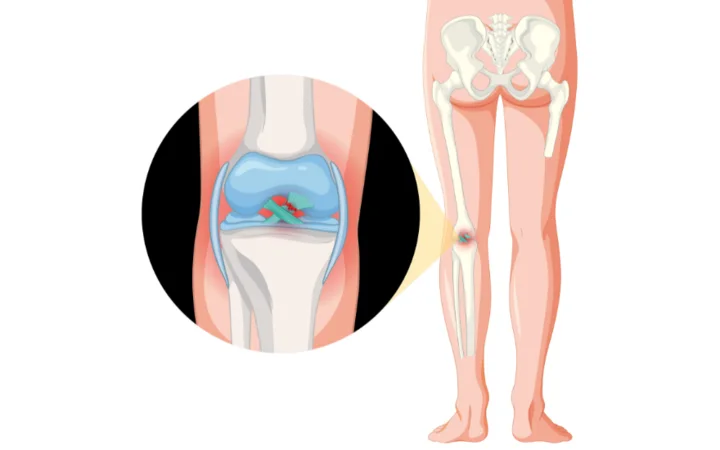
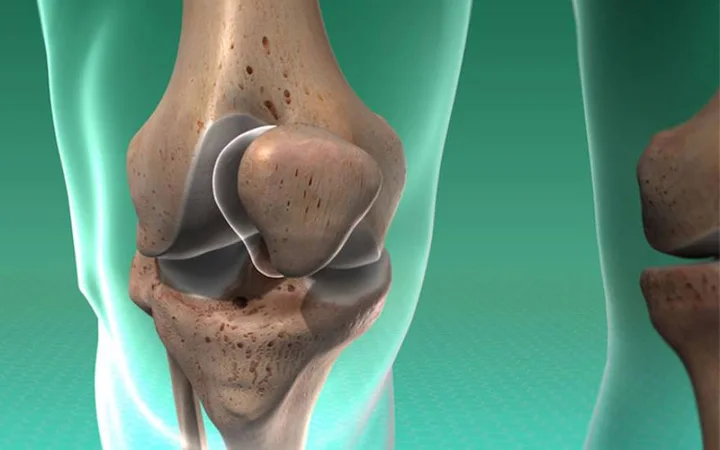
The knee joint contains two menisci: the medial meniscus – located on the inner side of the knee with a C-shape, and the lateral meniscus – located on the outer side of the knee with an O-shape. The menisci act as cushions between the lower end of the femur and the upper end of the tibia.
Each meniscus is divided into three main parts: the anterior horn, the body, and the posterior horn. The outer edge attaches to the joint capsule, while the inner edge is free. With their tough yet elastic structure, the menisci play essential roles in stabilizing the knee joint, absorbing shock during movement, evenly distributing load across the knee, facilitating the spread of synovial fluid to lubricate the articular cartilage, and preventing the joint capsule or synovial membrane from being trapped within the joint space.
A meniscal tear of the knee is a common knee injury that significantly affects mobility. When the knee sustains strong impact, the meniscus may tear or fragment, becoming trapped in the joint and leading to knee degeneration. Meniscal tears present in various patterns, such as longitudinal, transverse, flap, or radial tears, and are frequently seen in athletes, as well as in individuals involved in occupational or traffic accidents.

Causes of meniscal tear of the knee
A meniscal tear of the knee can occur in people of all ages and in different areas of the meniscus, such as the medial or lateral meniscus, the anterior or posterior horn, as well as in vascular or avascular zones. Specific causes include:
- In children: Meniscal tears may occur when the knee is suddenly bent, causing the leg to twist. This often happens during sports, vigorous play, running, or jumping, and may also result from traffic accidents.
- In adults: Tears are most commonly caused by occupational activities, sports training, or traffic accidents that exert sudden force on the knee or involve abrupt changes in position. In addition, natural knee joint degeneration is also a common cause of meniscal tears in adults.
- In the elderly: The primary cause is degeneration, especially knee osteoarthritis or arthritis, which weakens the meniscus structure, making it prone to tearing during routine activities such as standing up, sitting down, or sudden movements.
Signs and symptoms of a meniscal tear of the knee
In the early days following a meniscal tear, patients may not notice obvious changes in the knee joint and may still be able to walk, perform daily activities, or even engage in sports. However, after 2–3 days, pain and swelling typically develop around the knee, leading to restricted mobility. Meniscal tear of the knee can often be recognized through the following signs:
- Swelling and pain around the knee joint
- A clicking or popping sound in the knee during movement
- Tenderness and sharp pain when pressing along the joint line
- Difficulty walking and performing physical activities
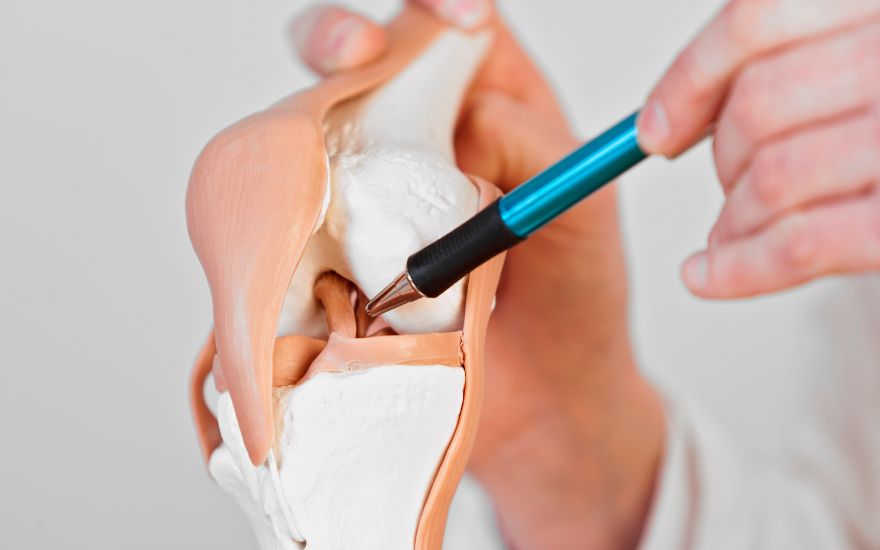
Meniscal tears of the knee can occur in various forms, sizes, locations, and degrees of severity, such as:
Lateral meniscus tear: The tear occurs along the outer rim of the meniscus in an area with abundant blood supply, which allows for easier healing. Small tears in this region may even heal spontaneously.
Central meniscus tear: This represents a more severe type of injury; however, with proper care and treatment, there is still a chance of recovery.
Medial meniscus tear: This is the most serious form, as it occurs in an avascular zone without blood supply. In such cases, the damaged portion of the meniscus usually needs to be surgically removed, since it cannot heal on its own.
Treatment of meniscal tears of the knee
Treatment plans for meniscal tears are determined based on diagnostic findings, the condition of the patient, and the severity of the injury. The goal is to prevent complications such as chronic knee pain, muscle atrophy, joint degeneration, and loss of mobility. Physicians will develop an individualized treatment regimen that may include:
Conservative treatment for meniscal tears: This approach is commonly applied in cases of lateral or central meniscal tears. Patients are prescribed anti-inflammatory and pain-relief medications, use of a knee brace for stabilization, along with physical therapy to enhance recovery and restore joint function.
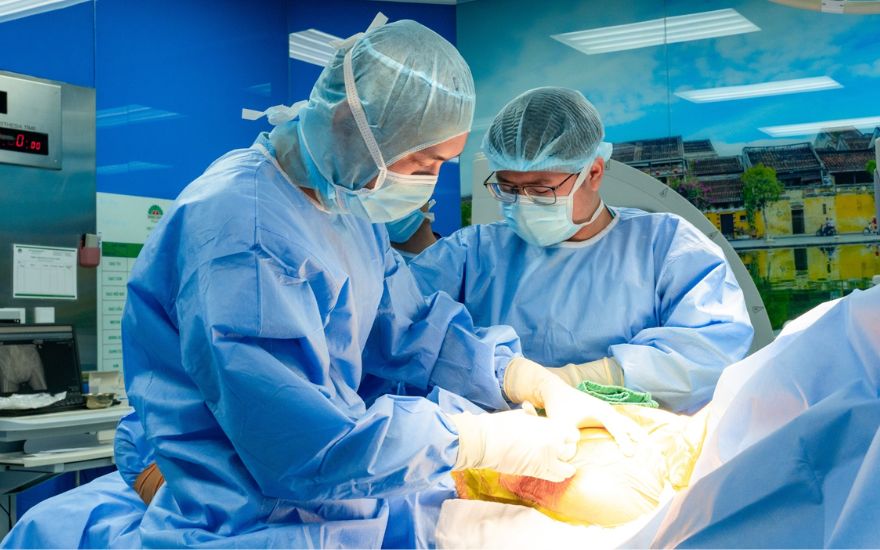
Meniscal tear surgery of the knee: Partial meniscectomy, meniscal repair, and meniscal transplantation are surgical methods for meniscal tears of the knee, depending on the patient’s condition. These procedures help reduce pain, support faster healing of the tear, and restore knee joint mobility.
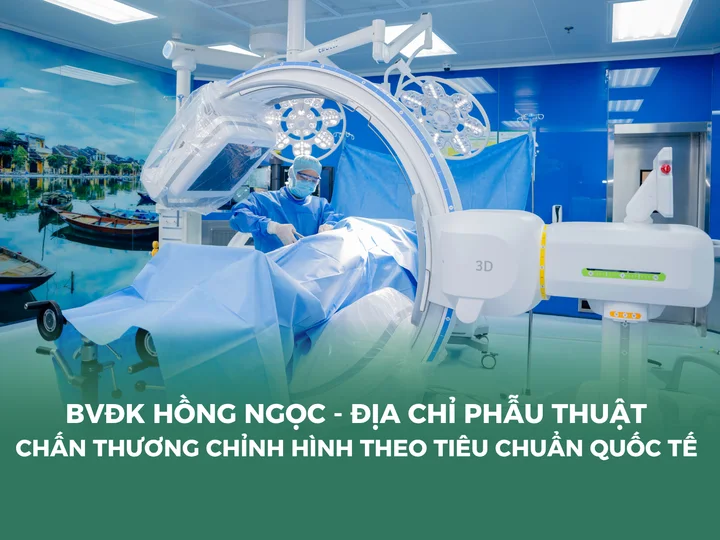
A meniscal tear of the knee needs to be detected and treated promptly to prevent complications that affect the patient’s health and mobility. The Orthopedic Trauma Unit of Hong Ngoc General Hospital is always ready to provide support and consultation on all issues related to meniscal tears of the knee through Hotline 0912002131 or 0949646556.
Note: The information provided in this article by Hong Ngoc General Hospital is for reference only and is not a substitute for medical diagnosis or treatment. Patients should not self-medicate. To accurately determine your condition, please visit the hospital for direct examination, diagnosis, and appropriate treatment planning by a physician.
Follow the official fanpage of Hong Ngoc General Hospital for more useful health information: https://www.facebook.com/BenhvienHongNgoc