



Lumbar disc herniation can cause lower back pain, pain radiating down the leg, numbness and weakness in the lower limbs. Most cases can be managed with conservative treatment. However, surgery may be necessary when conservative treatment fails to provide adequate relief. When is surgery indicated for lumbar disc herniation, and what are the potential consequences of delaying treatment? Read on to learn more.
What is lumbar disc herniation?
Lumbar disc herniation occurs when the gel-like nucleus inside an intervertebral disc shifts and protrudes through a torn or damaged outer fibrous ring. When the herniated disc compresses a nerve root, it may cause pain, numbness, reduced sensation or muscle weakness.
Natural age-related degeneration is one of the most common causes. Over time, the discs gradually lose elasticity, making them more susceptible to tears and herniation. Other factors that may increase the risk include:
- Frequently lifting or carrying heavy objects.
- Sitting or standing in the same position for prolonged periods.
- Poor posture during work or physical activity.
- Being overweight or obese.
- Physical inactivity.
- Spinal injury.
.png)
Lumbar disc herniation does not occur only in older adults. It is increasingly common among younger people, particularly office workers, individuals who use computers frequently and those who drive for prolonged periods without changing position regularly.
Symptoms often begin with lower back pain and may include:
- Pain radiating from the lower back to the buttock and leg along the affected nerve pathway.
- Numbness, tingling or reduced sensation in the leg.
- Muscle weakness or difficulty performing certain leg movements.
- Limited mobility and interference with daily activities.
However, not every case of sciatica is caused by a herniated disc. Similar symptoms may occur in people with spinal canal stenosis, spondylolisthesis, degenerative spinal changes or bone spurs compressing a nerve root. Patients therefore require a thorough assessment and accurate diagnosis before an appropriate treatment is selected.
How is lumbar disc herniation diagnosed?
Back pain may result from many different conditions. Some people may even have no symptoms but are found to have a herniated disc during spinal imaging.
To determine the cause and extent of the condition, the doctor will combine a clinical examination and symptom assessment with appropriate diagnostic tests.
Magnetic resonance imaging (MRI) is particularly important for assessing the condition of the intervertebral discs, identifying the location and extent of the herniation, and determining whether a nerve root or surrounding structures are compressed.
The findings from the clinical examination and diagnostic imaging help the doctor select the most appropriate treatment, ranging from conservative management to surgery.
Treatment of lumbar disc herniation
Depending on the extent of the herniation, symptoms, neurological status and spinal anatomy, treatment may be conservative or surgical.
Conservative treatment
Conservative treatment is generally preferred for patients with early-stage disc herniation, mild symptoms or no evidence of progressive neurological impairment.
Depending on the individual condition, the doctor may recommend:
- Pain-relieving and anti-inflammatory medication.
- Physical therapy.
- Rehabilitation.
- Postural adjustments during daily activities and work.
- Weight management.
- Exercises tailored to the condition of the spine.
These measures can help control symptoms, improve mobility and enhance quality of life. However, conservative treatment primarily aims to manage symptoms and support recovery. If pain persists, recurs frequently or signs of nerve root compression develop, the patient should be reassessed to determine the next appropriate treatment.
.png)
Surgery for lumbar disc herniation
Surgery may be considered when conservative treatment fails to provide adequate relief or when nerve compression affects the patient’s daily activities and mobility.
In particular, once neurological impairment has developed, delaying treatment may make neurological recovery more difficult and prolonged.
The decision to perform surgery should therefore not be based solely on MRI findings. It requires a comprehensive assessment of the patient’s clinical symptoms, degree of nerve compression, spinal condition and response to previous treatment.
Surgical procedures for lumbar disc herniation
The surgeon will select the appropriate procedure based on the location of the herniation, the extent of disc damage and spinal stability. Two principal surgical approaches are available:
Discectomy
Discectomy is generally indicated when herniated disc material compresses a nerve root but the disc and surrounding spinal structures are not severely damaged and the spine remains stable.
The procedure removes the herniated disc material and relieves pressure on the affected nerve, helping reduce pain and numbness while improving mobility.
.png)
Discectomy, bone grafting and spinal fusion
When the intervertebral disc is severely damaged, degenerated or has lost height, or when the patient also has spinal instability, spondylolisthesis or spinal canal stenosis, the surgeon may consider removing the disc, placing a bone graft and performing spinal fusion.
In such cases, removing only the herniated disc material may not fully address the underlying condition. Surgery therefore has two principal aims: to relieve nerve compression and stabilise the affected spinal segment.
The surgeon will select the most appropriate technique based on the patient’s condition to address the cause of compression while minimising damage to the surrounding healthy tissues.
Frequently asked questions about surgery for lumbar disc herniation
Is endoscopic surgery a surgical treatment for lumbar disc herniation?
Not exactly. Many patients confuse the type of surgical procedure with the technique used to perform it. Endoscopic surgery and microsurgery are techniques that may be used during surgery for lumbar disc herniation; they are not entirely separate treatment methods.
Not every case of lumbar disc herniation is suitable for endoscopic or microsurgical techniques. The choice of technique depends on the location of the herniation, the extent of damage, the condition of the disc and the patient’s spinal anatomy.
Can surgery for lumbar disc herniation cause paralysis?
Concerns that spinal surgery may cause paralysis or impair the ability to walk are common among patients. According to Assoc. Prof. Ha Kim Trung, MD, PhD, the spinal cord normally ends above the lower lumbar region. From L2 to L5/S1, the spinal canal primarily contains nerve roots rather than the spinal cord; therefore, surgery at these levels does not typically result in paralysis caused by spinal cord injury.
Surgery for lumbar disc herniation can now be performed using minimally invasive techniques supported by an operating microscope and 3D C arm imaging. These technologies help the surgeon identify the precise location of the lesion and perform surgical manoeuvres with greater accuracy.
.png)
How long does recovery take after surgery for lumbar disc herniation?
Recovery time depends on several factors, including the extent of the condition, preoperative neurological status, surgical procedure, overall health and the patient’s rehabilitation progress.
At Hong Ngoc General Hospital, patients may be encouraged to begin gentle movement and walking approximately one to two days after surgery for lumbar disc herniation, depending on their individual condition.
The timeframe for returning to sport also varies between patients. This may generally be possible one to three months after surgery, following an appropriate medical assessment and professional guidance.
Following postoperative care instructions, participating in rehabilitation and modifying movement habits all play important roles in recovery.
What are the potential consequences of delaying surgery when it is indicated?
Not every lumbar disc herniation requires surgery. However, once surgery is indicated, delaying treatment may prolong the condition and adversely affect quality of life.
Patients may experience chronic pain, numbness, restricted mobility and difficulty walking, working or performing daily activities. Persistent pain may also affect sleep and psychological well-being.
Medication primarily helps control symptoms rather than directly removing the herniated disc material responsible for nerve compression. Prolonged medication use may also carry a risk of adverse effects, depending on the medication and the patient’s health.
In particular, when nerve compression has already caused muscle weakness or other signs of neurological impairment, delaying surgery may prolong neurological recovery and reduce the likelihood of an optimal functional outcome compared with treatment at the appropriate time.
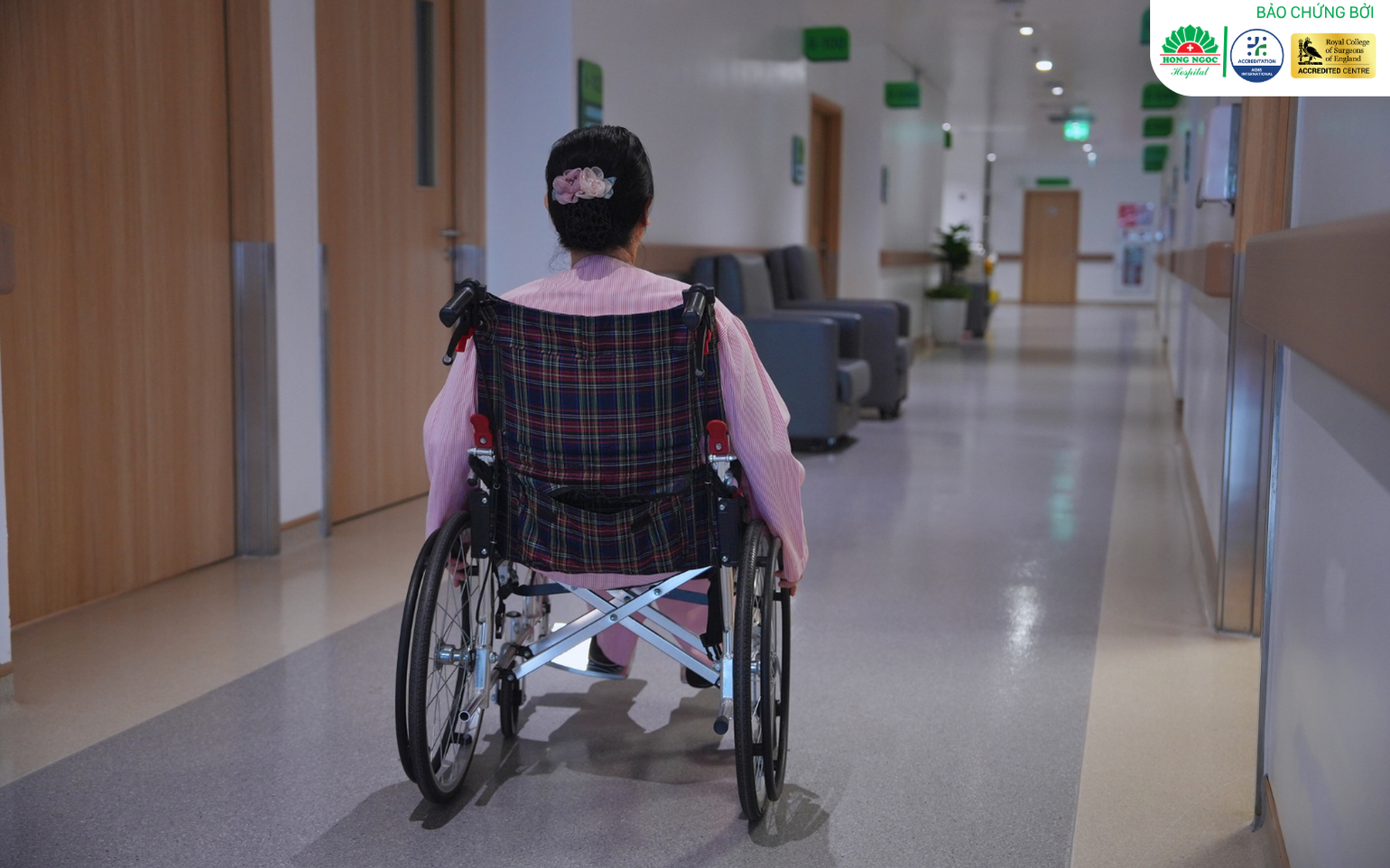
Therefore, patients experiencing persistent lower back pain, pain radiating down the leg, numbness or leg weakness should seek medical evaluation to identify the underlying cause and assess the degree of nerve compression. Patients should not prolong treatment without medical guidance or delay surgery once a doctor has confirmed that surgical intervention is indicated.
For assessment, diagnosis and treatment advice regarding lumbar disc herniation, please contact our hotline at 0912 002 131.
- Hong Ngoc General Hospital: 55 Yen Ninh Street, Hanoi.
- Hong Ngoc Phuc Truong Minh General Hospital: No. 8 Chau Van Liem Street, Tu Liem Ward, Hanoi.
Medical disclaimer: The information provided in this article by Hong Ngoc General Hospital is for reference only and does not replace professional medical diagnosis or treatment.