


Neck and shoulder pain is a common condition experienced by many people. So, is neck and shoulder pain dangerous, and how can it be treated? Read the article below for detailed information and answers.
What is neck and shoulder pain?
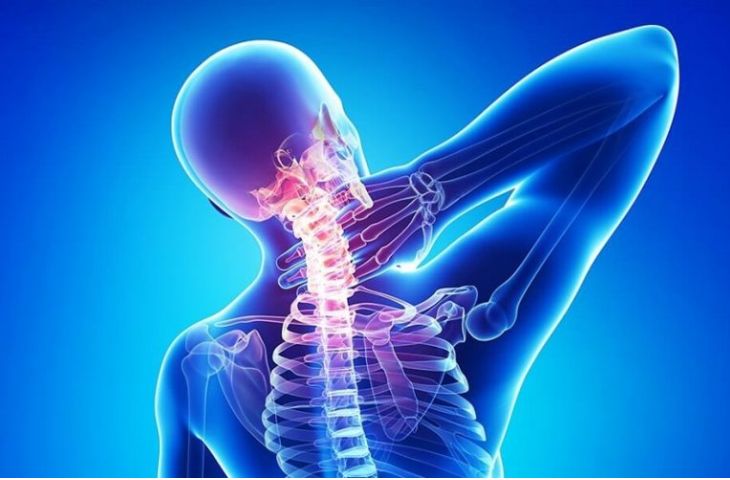
Neck and shoulder pain refers to a disorder affecting the musculoskeletal system and blood vessels in the neck and shoulder region. It may result from unhealthy lifestyle and work habits, or it may be a manifestation of certain musculoskeletal conditions.
The condition can occur at any age but is more common among middle-aged adults. The most characteristic symptom of neck and shoulder pain is stiffness of the muscles in the neck and shoulder area, causing pain, restricted movement, and difficulty tilting or turning the head.
The pain often occurs suddenly, particularly in the early morning after waking. Its intensity may increase with strenuous activity, fatigue, stress, or exposure to cold, and may improve with rest. Without timely treatment, the condition can significantly affect a patient’s daily life and overall health.
Is neck and shoulder pain dangerous?
According to experts, whether neck and shoulder pain is dangerous depends on the underlying cause of the condition. Specifically:
Neck and shoulder pain caused by mechanical factors
When neck and shoulder pain is caused by mechanical factors, such as poor lifestyle or movement habits, it usually results in mild pain and does not lead to serious complications. The pain often improves quickly after risk factors are eliminated, with adequate rest and appropriate medication.
For example, if you sleep with a pillow that is too high or remain in the same position for too long, waking up with neck pain the next morning is usually not a cause for concern. Similarly, if neck and shoulder pain results from poor posture while standing, sitting, or lying down, the symptoms typically resolve within the same day or after a few days.
Neck and shoulder pain caused by underlying medical conditions
However, if neck and shoulder pain is associated with underlying medical conditions, such as cervical spondylosis, neurological dysfunction, spinal calcification, shoulder bursitis, or scapulothoracic joint dysfunction, the condition may become more serious.
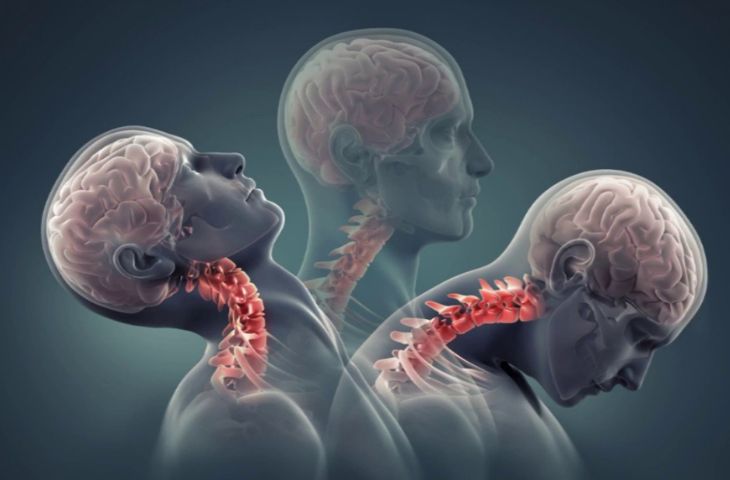
Neck and shoulder pain caused by underlying medical conditions may become persistent, chronic, and prone to recurrence. If not treated promptly, the condition may worsen over time, potentially leading to serious complications and adverse effects on overall health.
Serious complications associated with neck and shoulder pain may include:
- Cerebral circulatory insufficiency: Blood vessels in the neck and shoulder region play an important role in supplying blood to the brain. When neck and shoulder pain occurs, these blood vessels may be compressed, disrupting blood flow to the brain. As a result, the brain may be at higher risk of insufficient oxygen supply required for normal nervous system function. This can lead to headaches, memory impairment, sleep disturbances, and mood changes.
- Vestibular disorders: As mentioned above, vascular compression in the neck and shoulder region may cause a significant reduction in cerebral blood supply. This can also increase the risk of vestibular dysfunction, resulting in a range of symptoms such as dizziness, lightheadedness, loss of balance, and tinnitus.
- Neurological disorders: Most musculoskeletal conditions have the potential to compress nerve roots and lead to autonomic nervous system dysfunction. At this stage, patients may notice abnormal symptoms such as constipation, shortness of breath, memory decline, and irregular fluctuations in heart rate.
- Paralysis: Neck and shoulder pain caused by pathological factors is often persistent and may wor0sen if left untreated. Over time, this can lead to numbness in the arms, loss of grip sensation, and, in severe cases, paralysis of both arms.
Effective treatment for neck and shoulder pain
In practice, many people with neck and shoulder pain tend to underestimate the condition and delay medical examination and treatment. Others attempt improper self-treatment, which may cause the condition to worsen. Because neck and shoulder pain is common and can occur easily, up to 70–80% of patients are often subjective about the condition. They may assume that the pain is simply caused by fatigue or physical inactivity, and that rest and exercise alone will be enough for recovery.
In many cases, patients endure prolonged neck and shoulder pain and only seek medical attention when the condition becomes more severe and the pain is no longer tolerable.
Therefore, to protect musculoskeletal health and treat neck and shoulder pain effectively, patients should visit a reputable specialized medical facility as soon as early warning signs appear. This allows for accurate diagnosis and an appropriate treatment regimen.
Typically, to determine the patient’s condition, specialists will perform a clinical examination and may order additional tests or imaging studies, such as blood biochemistry tests, X-rays, computed tomography scans, magnetic resonance imaging, bone mineral density measurement, or electroencephalography. Based on the examination results, the physician will assess the severity of the condition and recommend a corresponding treatment plan.

When the condition is still mild, patients may apply simple home-based measures as follows:
- Patients should only perform gentle neck rotation exercises and should not forcefully turn the neck or head. Ideally, the affected area should be allowed time to recover naturally.
- Applying a warm compress to the neck and shoulder area may help provide temporary pain relief.
- Patients should avoid sitting directly in front of a fan, staying in overly cold air-conditioned rooms, or bathing late at night, as these factors may cause the neck and shoulder muscles to become more contracted and painful.
- Gently massaging the neck and shoulder area for about 10–15 minutes each day can help improve blood circulation, relax the muscles, and relieve pain effectively.
- Applying these measures may help patients recover from neck and shoulder pain within 2–3 days.
In moderate cases, if the symptoms do not improve after applying the above measures, patients may need to use certain medications under a doctor’s guidance, including:
Pain relievers and anti-inflammatory medications: Analgesics and anti-inflammatory drugs, such as paracetamol and nonsteroidal anti-inflammatory drugs (NSAIDs), are commonly prioritized in the treatment of pain associated with neck and shoulder pain syndrome. These medications help relieve pain and reduce subsequent inflammatory responses. However, they must be used as directed by a physician.
- Muscle relaxants: Doctors may prescribe muscle relaxants such as Decontractyl, eperisone, and tolperisone. These medications help relieve pain caused by muscle stiffness or excessive muscle spasms.
- Salonpas patches: These patches contain a transdermal nonsteroidal anti-inflammatory ingredient, methyl salicylate, which helps relieve pain in the neck and shoulder area.
- B vitamins: For neck and shoulder pain associated with chronic conditions, doctors may prescribe oral supplements containing B vitamins, including vitamins B1, B6, and B12. This group of vitamins helps support the repair and regeneration of nerve cells and may help reduce muscle stiffness in the neck and shoulder region.
Most medications used to treat neck and shoulder pain primarily work by relieving pain and controlling associated symptoms. However, prolonged overuse may cause certain unwanted side effects. Therefore, patients must use medication only as prescribed by a physician to avoid unnecessary risks.
For severe cases, more intensive treatment measures may be required, including:
- Acupuncture: This method helps regulate nerve activity, reduce muscle spasms, and relieve pain.
- Nerve conduction-blocking medications: Drugs such as lidocaine and novocaine may temporarily inhibit strong nerve impulses and help relax the muscles. However, it should be noted that these injections must be performed in a hospital by qualified specialists, with emergency equipment available in case of adverse events. Patients must not purchase and inject these medications on their own.
- Physical therapy: This is a treatment method recommended by specialists in most cases. For acute neck and shoulder pain, physical therapy may produce noticeable improvement from the first sessions. Depending on the patient’s condition, the physician will select appropriate exercises and supportive devices.
- Surgery: Surgery may be indicated when neck and shoulder pain becomes severe, persistent, and prolonged, particularly when it is caused by underlying musculoskeletal conditions. Surgical treatment aims to remove factors that compress the muscles, blood vessels, spine, and nerve roots in the cervical region, such as a herniated disc, bone spurs, vertebral slippage, or spinal canal stenosis.

In addition, to achieve optimal treatment outcomes for neck and shoulder pain, patients should combine medical treatment with changes in daily lifestyle habits and nutrition. Specialists also recommend that when symptoms of neck and shoulder pain occur frequently, patients should seek timely medical examination and treatment to prevent serious complications. A proper understanding of the condition and appropriate treatment can help patients quickly relieve neck and shoulder pain and effectively improve their quality of life.
At Hong Ngoc, patients with neck and shoulder pain are examined and treated by a team of highly experienced and well-qualified musculoskeletal specialists, many of whom have worked at leading hospitals in Vietnam and abroad, including Bach Mai Hospital, Viet Duc Hospital, and Royal North Shore Hospital in Australia. In addition, physical therapy is always prioritized for patients with neck and shoulder pain, using German therapeutic technology combined with advanced Austrian manual therapy techniques. This approach helps release compressed nerve roots, address calcification, and restore mobility quickly while minimizing the overuse of medication.
In summary, the article above has answered the question, “Is neck and shoulder pain dangerous?” and suggested several effective treatment methods. We hope the information provided by Hong Ngoc will be useful to you. For more in-depth consultation or to schedule an examination for neck and shoulder pain at Hong Ngoc Hospital, please contact the hotline at 0911 858 622 or submit your information for further assistance.
Note: The information provided in this article by Hong Ngoc General Hospital is for reference purposes only and is not a substitute for medical diagnosis or treatment. Patients should not purchase or use medication for self-treatment. To obtain an accurate assessment of their condition, patients should visit a hospital for direct examination, diagnosis, and consultation with a doctor regarding an appropriate treatment plan.
Follow the official fanpage of Hong Ngoc General Hospital for more useful information:https://www.facebook.com/BenhvienHongNgoc