


Obesity affects not only body shape but also represents an important risk factor for many cardiovascular diseases. When excess fat, especially visceral fat, accumulates excessively, the body is more likely to develop hypertension, dyslipidemia, insulin resistance, chronic inflammation, fatty liver disease and sleep apnea. These factors make the heart work harder and may increase the risk of coronary artery disease, myocardial infarction, stroke, heart failure or cardiac arrhythmias.
However, obesity does not necessarily mean that a person will develop cardiovascular disease. The actual risk depends on multiple factors, including the degree of obesity, waist circumference, blood pressure, blood glucose, lipid levels, lifestyle, family history and associated underlying conditions.
Medical disclaimer: This article is for informational purposes only and is not a substitute for medical diagnosis or treatment. People with cardiovascular disease, hypertension, diabetes, kidney disease or liver disease, pregnant women or those currently taking prescribed medications should consult a physician before starting a weight-loss diet, using weight-loss medications or engaging in high-intensity exercise. If chest pain, significant shortness of breath, cold sweats, fainting, weakness or paralysis of the arms or legs, facial drooping or difficulty speaking occurs, emergency care is needed immediately.
Quick answer: Obesity affects cardiovascular health by increasing the workload on the heart while also promoting hypertension, dyslipidemia, insulin resistance, type 2 diabetes, chronic inflammation, visceral fat accumulation and sleep apnea. People with a high BMI, large waist circumference, high blood pressure, chest pain, shortness of breath, palpitations, leg edema or loud snoring should seek medical evaluation to assess cardiovascular-metabolic risk.

Professional medical consultation: Nguyen Thi Nhu Quynh, MD, MSc, Resident Doctor - Department of Endocrinology, Hong Ngoc General Hospital - Phuc Truong Minh.
Date updated: May 20, 2026.
Quick article summary
- Obesity forces the heart to pump blood for a larger body mass, which may overload the heart if prolonged.
- Excess fat increases the risk of hypertension, dyslipidemia, insulin resistance and type 2 diabetes.
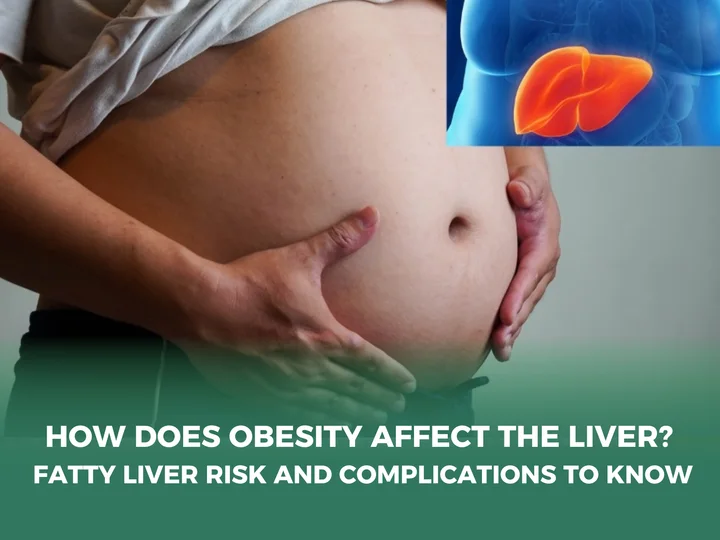
- Visceral fat is strongly associated with abdominal obesity, fatty liver disease, metabolic syndrome and cardiovascular disease.
- Obesity may increase the risk of coronary artery disease, myocardial infarction, stroke, heart failure and atrial fibrillation.
- People with obesity should have BMI, waist circumference, blood pressure, lipid levels, blood glucose, HbA1c and signs of sleep apnea assessed.
- Early medical evaluation is recommended if chest pain, shortness of breath, palpitations, leg edema, high blood pressure, loud snoring or reduced exercise tolerance occurs.
- Patients should not use weight-loss medications, slimming teas, diuretics or products of unclear origin without medical guidance.
How is obesity identified?
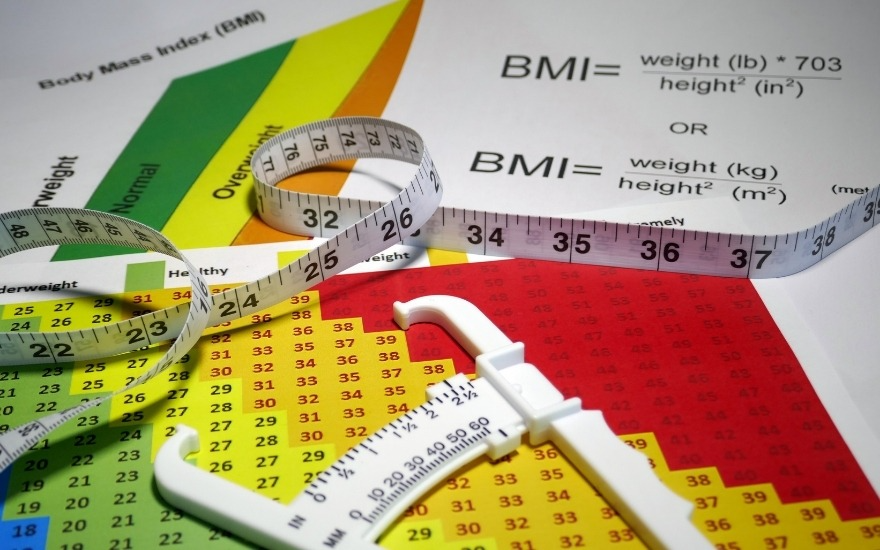
Obesity is a condition characterized by excessive or abnormal fat accumulation that may adversely affect health. BMI is commonly used to screen for overweight and obesity, but it does not fully reflect fat distribution, muscle mass or metabolic risk in each individual.
BMI is calculated using the formula:
BMI = weight / height²
In this formula, weight is measured in kilograms and height in meters.
According to the general classification of the World Health Organization (WHO), a BMI of 25 or higher is considered overweight, and a BMI of 30 or higher is considered obesity. However, in Asian populations, cardiovascular-metabolic risk may increase at lower BMI levels, especially when large waist circumference, hypertension, dyslipidemia or abnormal blood glucose is present.
Therefore, body weight or BMI should not be viewed in isolation. A person whose BMI is not very high but who has a large waist circumference, physical inactivity, elevated blood lipid levels or fatty liver disease may still have significant cardiovascular-metabolic risk.
How does obesity affect cardiovascular health?
Obesity affects cardiovascular health both directly and indirectly.
When body weight increases, the heart has to work harder to pump blood to body tissues. This directly places extra strain on the heart, especially in people who are physically inactive, have hypertension or have underlying cardiovascular disease.
In addition, excess fat increases the risk of metabolic disorders such as hypertension, dyslipidemia, insulin resistance, type 2 diabetes, fatty liver disease and sleep apnea. All of these are indirectly associated with cardiovascular disease.
In brief, obesity increases cardiovascular risk not only because body weight increases, but also because excess fat causes metabolic dysfunction, promotes inflammation, raises blood pressure and forces the heart to work harder over a prolonged period.
Through which mechanisms does obesity affect cardiovascular health?
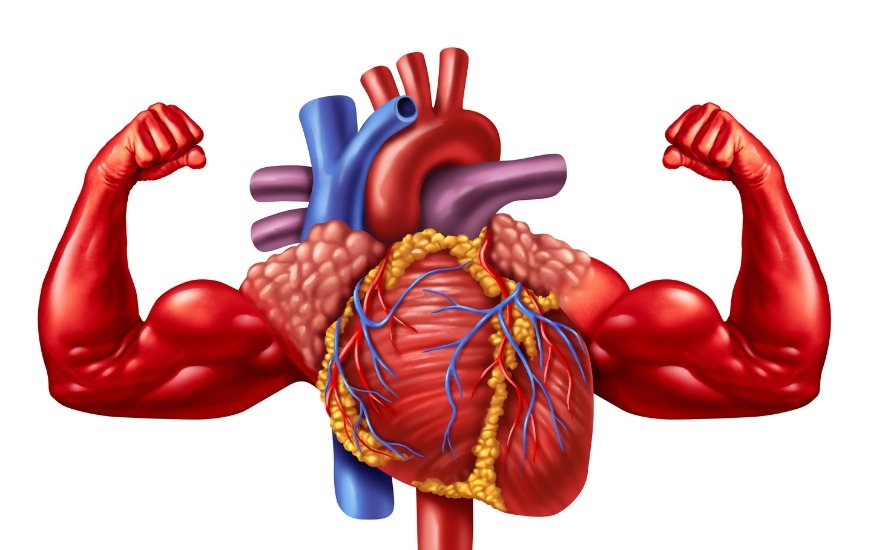
Why does obesity increase cardiovascular disease risk?
Increased workload on the heart
When body weight increases, the heart needs to pump blood to a larger amount of body tissue. Over time, this can overload the heart, especially in patients who are physically inactive or have coexisting hypertension, diabetes or coronary artery disease.
People with obesity may become tired or short of breath more easily when climbing stairs, walking briskly or exerting themselves. These symptoms should not simply be dismissed as being “due to excess weight,” especially if they occur frequently, worsen over time or are accompanied by chest pain, palpitations or leg edema.
Increased blood pressure
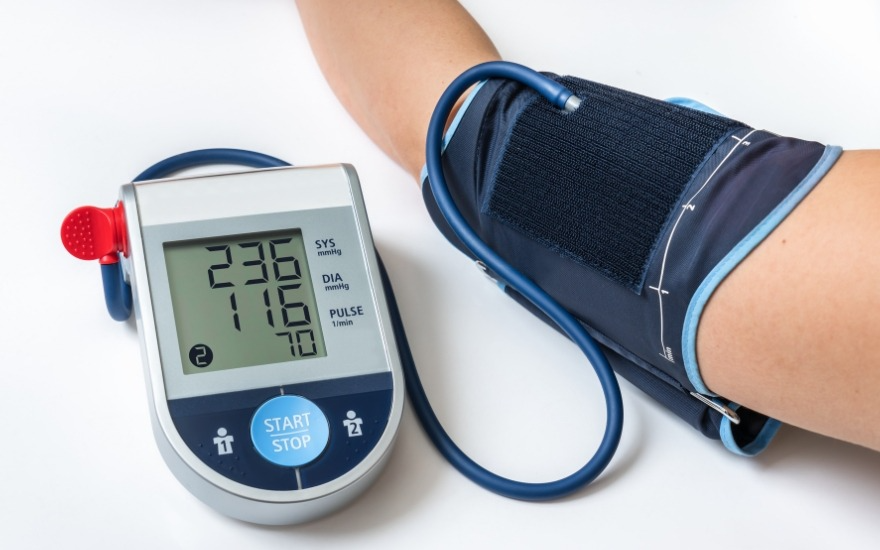
Obesity can increase blood volume, promote salt and water retention, increase sympathetic nervous system activity and raise vascular resistance. These factors cause blood pressure to rise, placing greater pressure on the heart and blood vessels.
Hypertension often causes few symptoms, but its consequences can be serious. It is one of the major factors that increases the risk of stroke, heart failure, kidney disease and myocardial infarction. Therefore, people with obesity should have their blood pressure checked regularly, especially if they have a large waist circumference, are middle-aged or older, or have a family history of cardiovascular disease.
Causes dyslipidemia
People with obesity, especially abdominal obesity, are more likely to have elevated triglycerides, low HDL cholesterol and dyslipidemia. This condition promotes the formation of atherosclerotic plaques inside the arteries.
High blood lipid levels often cause no obvious symptoms. Patients may only discover the condition through blood testing or after a cardiovascular event has already occurred. Therefore, periodic lipid testing is an important step in cardiovascular risk assessment for people with overweight or obesity.
Increases insulin resistance and type 2 diabetes
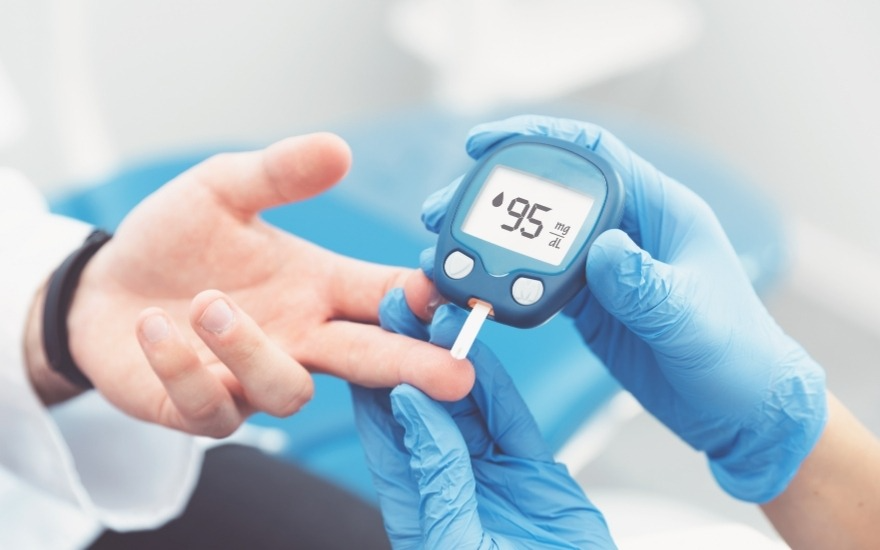
Excess fat, particularly visceral fat, makes the body less responsive to insulin. When insulin resistance persists, blood glucose can gradually rise, leading to prediabetes or type 2 diabetes.
Type 2 diabetes is an important risk factor for cardiovascular disease. People with obesity who have a large waist circumference, a family history of diabetes, fatty liver disease or frequent fatigue after meals should have fasting blood glucose and HbA1c checked.
Increases chronic inflammation and visceral fat
Adipose tissue does not only store energy; it also participates in endocrine and inflammatory activity. When excess fat accumulates excessively, the body may develop low-grade chronic inflammation, contributing to blood vessel injury and promoting atherosclerosis.
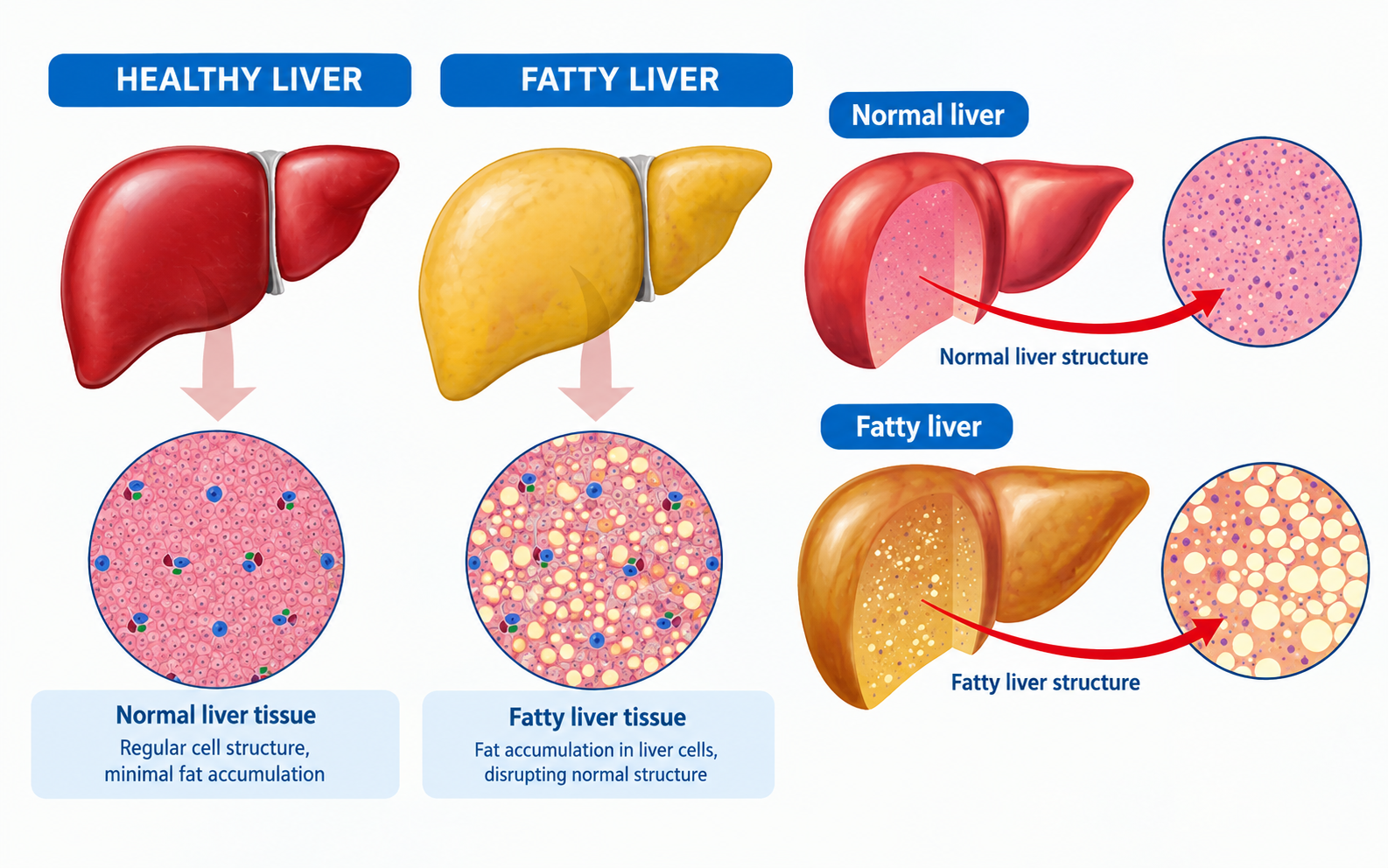
Visceral fat is located deep within the abdominal cavity, surrounding the liver, intestines, pancreas and other internal organs. This type of fat is strongly associated with insulin resistance, elevated triglycerides, low HDL cholesterol, fatty liver disease and hypertension.
Increases the risk of sleep apnea
People with obesity, especially those with excess fat around the neck and abdomen, have a higher risk of sleep apnea. This condition causes repeated pauses in breathing during sleep, leading to intermittent drops in blood oxygen levels and prolonged cardiovascular strain.
Sleep apnea can increase nighttime blood pressure, cause daytime fatigue, morning headaches and poor sleep quality, and worsen the risk of cardiac arrhythmias or heart failure. People with obesity who have loud snoring, witnessed pauses in breathing during sleep or daytime sleepiness should seek medical evaluation as early as possible.

Which cardiovascular diseases may obesity be associated with?
Obesity is not the only cause of cardiovascular disease, but it is a factor that increases the risk of several conditions, including:
Hypertension
When blood pressure remains elevated over time, the heart and blood vessels are placed under greater strain. In people with obesity, hypertension is often associated with salt and water retention, increased sympathetic nervous system activity, insulin resistance and visceral fat.
If not well controlled, hypertension can increase the risk of stroke, heart failure, chronic kidney disease and coronary artery disease.
Coronary artery disease
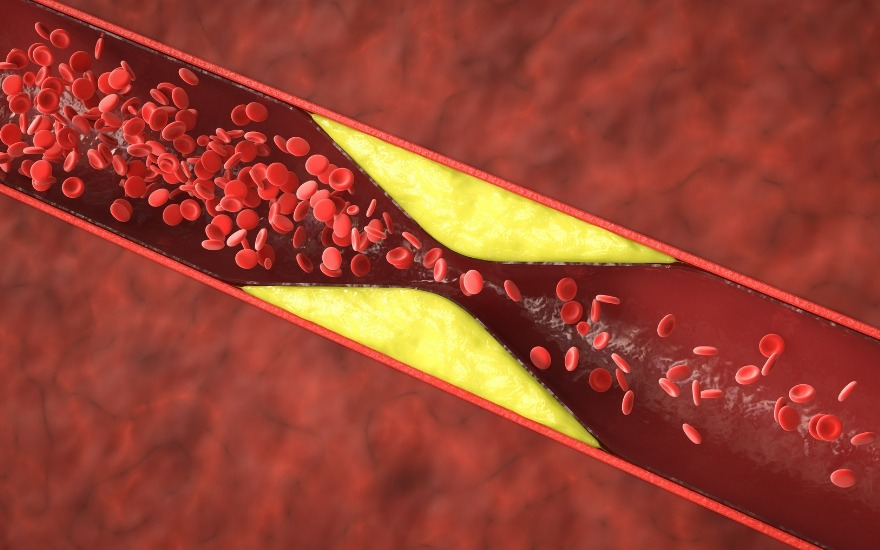
Dyslipidemia, hypertension, diabetes and chronic inflammation can promote atherosclerosis. When atherosclerotic plaques narrow the coronary arteries, the heart may not receive enough blood during physical exertion.
Patients may experience chest pain, chest tightness or shortness of breath when climbing stairs, walking briskly or exercising intensely. Some people, especially those with diabetes, may have atypical symptoms such as significant fatigue, shortness of breath or epigastric pain.
Myocardial infarction
Myocardial infarction occurs when blood flow to the heart is severely reduced or blocked. Obesity increases the risk of myocardial infarction through associated factors such as hypertension, dyslipidemia, type 2 diabetes and atherosclerosis.
Emergency care is needed if severe chest pain occurs, especially when the pain radiates to the left shoulder, arm or jaw, or is accompanied by shortness of breath, cold sweats, nausea, dizziness or a feeling of near-fainting.
Stroke
The risk of stroke increases when obesity is accompanied by hypertension, diabetes, dyslipidemia, smoking, atrial fibrillation or sleep apnea.
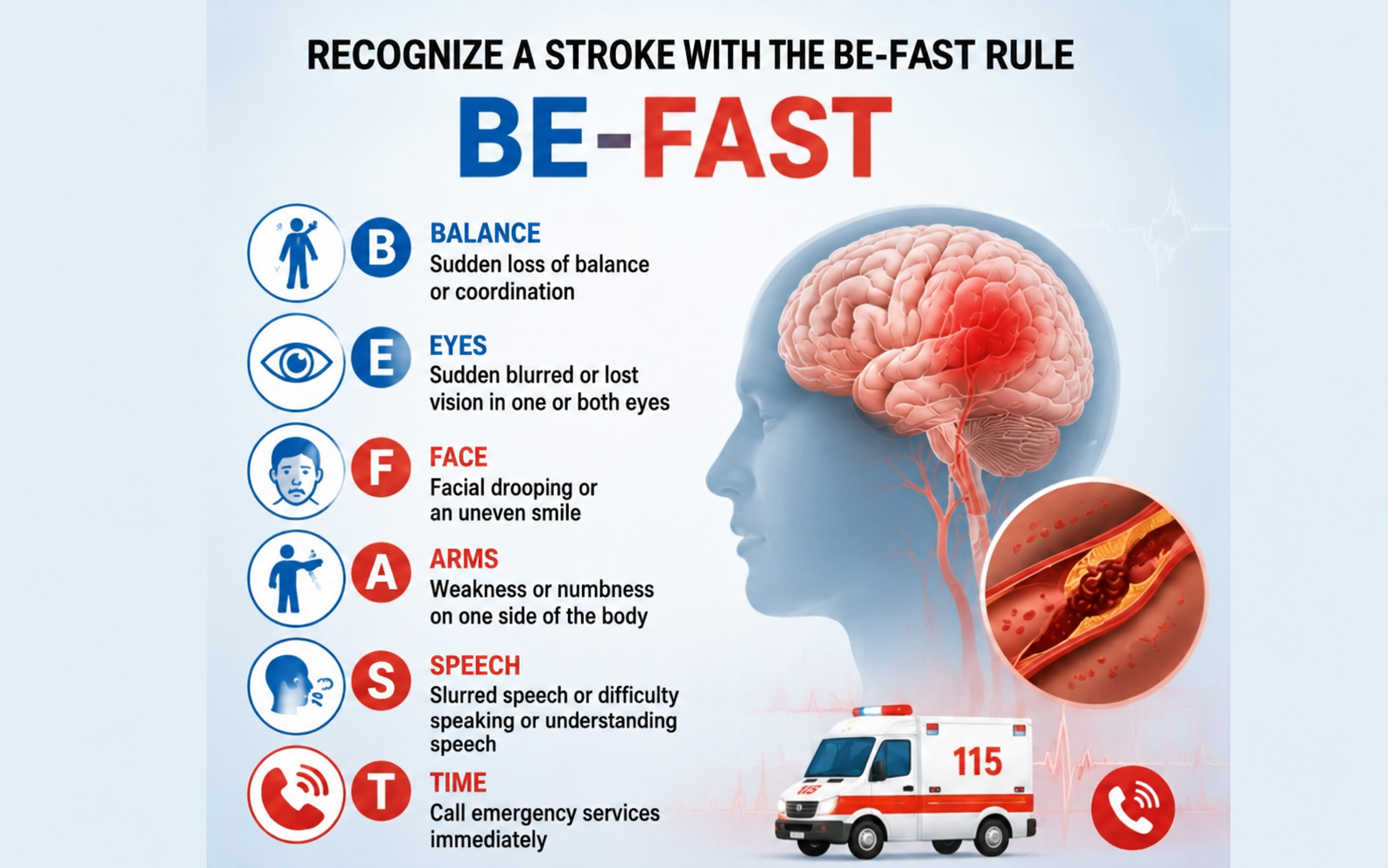
Signs suggestive of stroke include facial drooping, weakness or numbness on one side of the body, difficulty speaking, sudden blurred vision, loss of balance or an unusually severe headache. If these signs occur, emergency services should be called immediately.
Heart failure
In people with obesity, the heart has to pump blood for a larger body mass over a prolonged period. When obesity is accompanied by hypertension, coronary artery disease, diabetes or sleep apnea, the risk of heart failure may increase further.
Heart failure may present with shortness of breath during exertion, shortness of breath when lying down, leg edema, severe fatigue, reduced exercise tolerance or rapid weight gain due to fluid retention. Patients who develop these signs should seek medical evaluation early.
Cardiac arrhythmias and atrial fibrillation
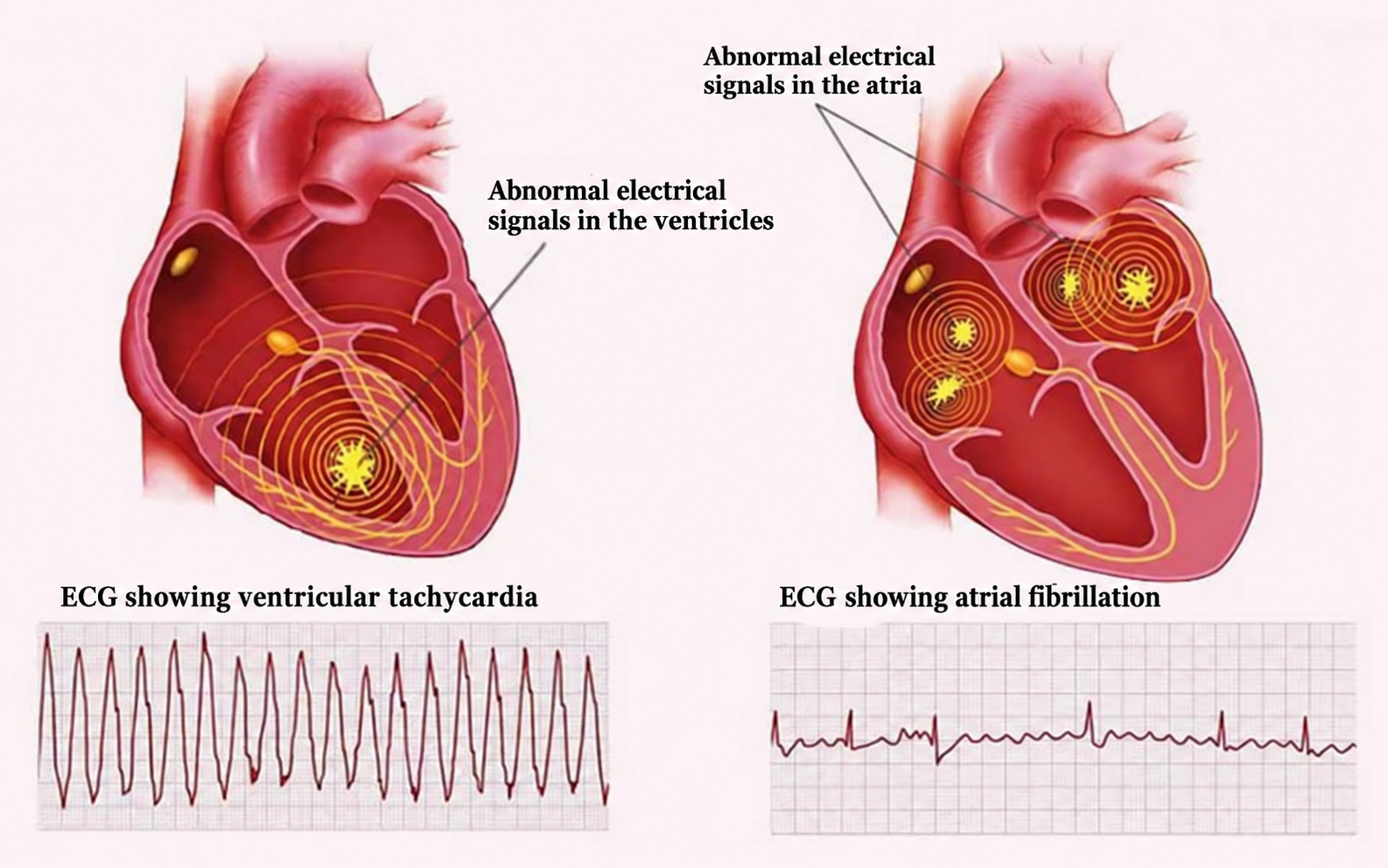
Obesity is associated with enlargement of the heart chambers, chronic inflammation, sleep apnea and structural changes in the heart. These factors may increase the risk of cardiac arrhythmias, especially atrial fibrillation.
Patients may experience palpitations, a rapid heartbeat, an irregular heartbeat, shortness of breath, dizziness or unusual fatigue. If atrial fibrillation is not detected and controlled, it can increase the risk of blood clot formation and stroke.
Why are abdominal obesity and visceral fat dangerous for the heart?
Not everyone with the same body weight has the same cardiovascular risk. People with more abdominal fat or visceral fat often have a higher metabolic risk than those who accumulate fat mainly under the skin.
In Asian populations, a waist circumference of 90 cm or greater in men and 80 cm or greater in women is commonly considered a threshold that warrants attention for abdominal obesity. Even if BMI is not very high, patients with a large waist circumference should still have their blood pressure, blood glucose, lipid profile and fatty liver status assessed.
Some people may not have very high body weight but still have a large abdomen, low muscle mass and physical inactivity, which can increase cardiovascular-metabolic risk. Therefore, body weight alone should not be used to assess cardiovascular health.
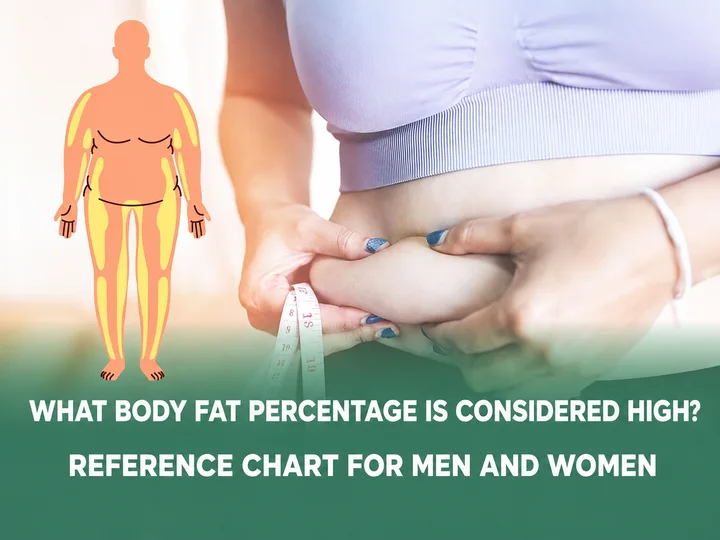
See also: What body fat percentage is considered high?
Which cardiovascular indicators should people with obesity check?
People with obesity should not monitor body weight alone. Assessing waist circumference, blood pressure, lipid levels, blood glucose and cardiovascular symptoms together helps determine the actual risk more accurately.

How to reduce cardiovascular risk in people with obesity
Follow a diet that reduces excess energy intake
Patients should limit sugary beverages, sweets, fried foods, fast food, alcohol and overly large portions. Each meal should include vegetables, an appropriate protein source, a moderate amount of carbohydrates and healthy fats.
Extreme fasting should be avoided, as it can lead to fatigue, muscle loss, compensatory overeating and weight regain. People with diabetes, kidney disease, fatty liver disease or cardiovascular disease should receive dietary counseling tailored to their underlying condition.
See also: What foods help you stay full longer? 15 foods that support hunger control and weight management
Increase physical activity
Regular physical activity helps reduce visceral fat and improve blood pressure, blood glucose, lipid levels and cardiopulmonary function. Beginners may start with brisk walking, light cycling, swimming or guided exercise.
People with chest pain, shortness of breath, cardiovascular disease or high blood pressure should consult a physician before engaging in high-intensity exercise. They should not begin with overly strenuous workouts, as this may increase the risk of injury or cardiovascular events in high-risk individuals.

Control blood pressure, blood glucose and lipid levels
If hypertension, diabetes or dyslipidemia is already present, patients need monitoring and treatment as prescribed. They should not wait until after weight loss to control these risk indicators.
Managing body weight, blood pressure, lipid levels and blood glucose together helps reduce cardiovascular risk more effectively than focusing on body weight alone.
Get enough sleep and check for sleep apnea if suspected
Poor sleep, loud snoring or sleep apnea can increase the burden on the heart and blood pressure. People with obesity who have daytime sleepiness, morning headaches, loud snoring or witnessed pauses in breathing during sleep should be evaluated.
Treatment of sleep apnea, if present, may help improve sleep quality, reduce daytime fatigue and support cardiovascular risk control.
Do not smoke and limit alcohol intake
Smoking damages blood vessels, promotes atherosclerosis and increases the risk of myocardial infarction and stroke. Alcohol can increase energy intake and affect blood pressure, lipid levels, the liver and sleep.
People with obesity who smoke, consume large amounts of alcohol or are physically inactive should receive step-by-step lifestyle counseling, rather than setting overly extreme goals that are difficult to maintain.

When should patients seek medical care?
Early medical evaluation is recommended even before symptoms appear if
- BMI is in the obesity range or waist circumference is large.
- Blood pressure, lipid levels or blood glucose are abnormal.
- Fatty liver disease, elevated liver enzymes or suspected metabolic syndrome is present.
- There is a family history of early cardiovascular disease, diabetes or hypertension.
- The patient smokes.
- Loud snoring or suspected sleep apnea is present.
- Rapid weight gain has occurred, or repeated self-directed weight-loss attempts have resulted in weight regain.
- Physical inactivity has persisted for a prolonged period.
Early cardiology evaluation is needed if symptoms are present
People with obesity should seek early medical evaluation if any of the following signs occur:
- Chest pain, chest tightness or chest pain during exertion.
- Shortness of breath when walking, climbing stairs or lying down.
- Palpitations, rapid heartbeat or irregular heartbeat.
- Leg edema or rapid weight gain over a short period.
- Persistently elevated blood pressure.
- Loud snoring, episodes of sleep apnea or daytime sleepiness.
- Unusual fatigue or reduced exercise tolerance compared with before.
- Abnormal blood glucose, blood lipid levels or liver enzymes.
Emergency care is needed if warning signs appear
Emergency care is needed immediately if any of the following signs occur:
- severe or prolonged chest pain;
- significant shortness of breath;
- cold sweats;
- fainting or severe dizziness;
- weakness or paralysis of the arms or legs;
- facial drooping;
- difficulty speaking;
- sudden severe headache.
At the Overweight Management Center and Management of Obesity-related Consequences, Hong Ngoc General Hospital, patients may receive multidisciplinary evaluation when needed, with individualized treatment protocols and readiness for interhospital and international consultations in difficult or complex cases. This approach helps optimize treatment strategies, improve effectiveness and ensure patient safety. Contact the hotline at 024 3927 5568 or leave your information below to be contacted by a physician for consultation.
Frequently asked questions
How does obesity affect cardiovascular health?
Obesity increases the workload on the heart while also promoting hypertension, dyslipidemia, insulin resistance, type 2 diabetes, chronic inflammation and sleep apnea. These factors increase the risk of coronary artery disease, myocardial infarction, stroke, heart failure and cardiac arrhythmias.
Is abdominal obesity dangerous for the heart?
Yes. Abdominal obesity, especially visceral fat, is strongly associated with insulin resistance, dyslipidemia, fatty liver disease and hypertension. Therefore, a large waist circumference is an important warning sign, even when BMI is not very high.
Is it dangerous to have a normal BMI but a large abdomen?
It can be. Some people may not have a high BMI but still have a large waist circumference, low muscle mass, physical inactivity or increased visceral fat, all of which can raise cardiovascular-metabolic risk. Therefore, waist circumference, blood pressure, lipid levels and blood glucose should also be assessed.
What cardiovascular checks should people with obesity undergo?
People with obesity should have BMI, waist circumference, blood pressure, blood lipid profile, fasting blood glucose, HbA1c and liver enzymes assessed when needed. If chest pain, shortness of breath, palpitations or leg edema is present, the physician may order an electrocardiogram, echocardiography or more specialized tests.
Can weight loss help reduce cardiovascular risk?
Yes. Appropriate weight loss can improve blood pressure, lipid levels, blood glucose, visceral fat and exercise tolerance. People with existing cardiovascular disease, hypertension or diabetes should follow a medically supervised weight-loss plan.
Should people use weight-loss medications on their own to reduce cardiovascular risk?
No. Patients should not use weight-loss medications, slimming teas, diuretics or products of unclear origin without medical guidance. These products may cause cardiac arrhythmias, increased blood pressure, dehydration, electrolyte disturbances or liver and kidney injury.
When should people with obesity see a cardiologist?
Cardiology evaluation is recommended if chest pain, shortness of breath, palpitations, irregular heartbeat, leg edema, high blood pressure or snoring/sleep apnea is present. If severe chest pain, significant shortness of breath or sudden weakness or paralysis occurs, emergency care is needed.
Conclusion
Obesity affects cardiovascular health through multiple mechanisms: it makes the heart work harder, raises blood pressure, disrupts lipid metabolism, increases insulin resistance, promotes chronic inflammation, increases visceral fat and raises the risk of sleep apnea. The consequences may include coronary artery disease, myocardial infarction, stroke, heart failure or cardiac arrhythmias.
People with a high BMI, large waist circumference, elevated blood pressure, or abnormal lipid or blood glucose levels should seek medical evaluation to assess cardiovascular-metabolic risk and receive guidance on safe weight management. Weight loss should be sustainable, individualized and medically monitored if the patient already has underlying conditions.
References