


At around 10:00 p.m. on August 6, hotel staff found L.D.C., a 24-year-old Australian national, unconscious in his room, unresponsive to verbal stimuli and exhibiting abnormal breathing. He was promptly transported to Hong Ngoc General Hospital for emergency treatment.
On arrival, the patient was comatose, unresponsive, cyanotic, and in cardiac arrest. The medical team immediately initiated cardiopulmonary resuscitation (CPR) and activated the hospital’s red alert protocol, mobilizing specialists from the Emergency Department, Intensive Care Unit, Cardiology, and Internal Medicine for coordinated management.

After approximately five minutes of continuous resuscitation, return of spontaneous circulation (ROSC) was achieved. However, this marked only the initial step in the emergency management process.
Further assessment showed that the patient remained critically ill, with shock, hypotension, respiratory failure, and severe acid–base disturbances. He continued to face a high risk of hypoxic brain injury, multiple organ failure, and death following cardiac arrest.
Remarkable recovery after five days of advanced multi-organ critical care
Nguyen Viet Thang, MD, Specialist Level I, Deputy Head of the Emergency Department at Hong Ngoc Phuc Truong Minh General Hospital, said: “When the patient’s heart started beating again, we still could not say that his life had been saved. The subsequent critical care strategy remained highly challenging, as his body had just undergone profound physiological collapse, with severe shock, multiple organ dysfunction, cerebral edema, and a complex intoxication.”
Given the severity of his condition, a multidisciplinary consultation was convened to perform a comprehensive assessment and develop an intensive treatment plan focused on neuroprotection, hemodynamic optimization, and multi-organ support, helping the patient through the critical phase.
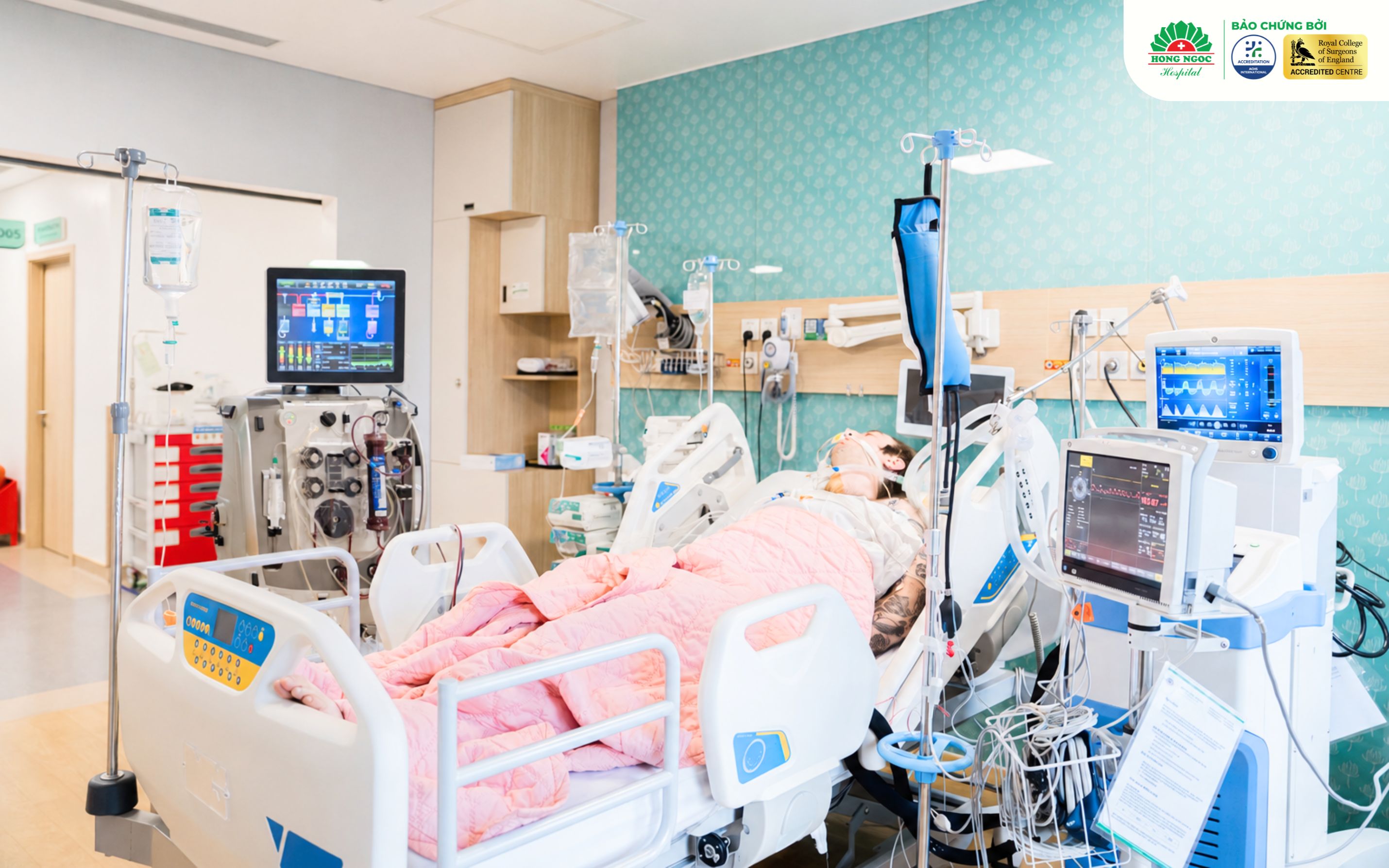
During the first hours of treatment, one of the key priorities was to maintain stable blood pressure and circulation. The PiCCO advanced hemodynamic monitoring system was used to closely assess cardiac output and circulatory status. Based on these real-time parameters, fluid therapy, vasopressors, and other resuscitative measures were continuously adjusted according to the patient’s clinical condition rather than following a fixed regimen.
Alongside circulatory stabilization, the medical team placed particular emphasis on neuroprotection, as the brain is highly vulnerable to oxygen deprivation. The patient received deep sedation when clinically indicated, together with active temperature management to reduce the risk of secondary brain injury following cardiac arrest.
As he was initially unable to breathe independently, the patient also required mechanical ventilation. Ventilator settings were continuously adjusted according to his clinical status to ensure adequate oxygenation while minimizing potential ventilator-associated lung injury.
Given the presence of severe acid–base disturbances and multiple organ dysfunction, the team also initiated continuous renal replacement therapy (CRRT) to help restore internal homeostasis and support the patient through the critical phase.
By the third day of treatment, as his circulatory and respiratory status became more stable, sedation was gradually reduced to assess neurological function. The patient opened his eyes, responded appropriately, and was able to follow simple commands. This was an encouraging sign that neurological function had been preserved following the cardiac arrest.
By day 5, the patient met the criteria for extubation and was gradually weaned from intensive care support. He was able to breathe spontaneously, eat, and perform basic movements. By day 6, he was fully conscious, showed marked clinical improvement, and had no evident neurological sequelae.

The patient’s mother shared emotionally: “When we saw him regain consciousness, breathe on his own, and speak again, our entire family was overwhelmed with relief. We are deeply grateful to the doctors at Hong Ngoc General Hospital for doing everything possible to help him return to his family.”
According to Nguyen Viet Thang, MD, Specialist Level I, the favorable outcome resulted from a continuous chain of emergency and critical care interventions, with each stage playing an essential role from timely cardiopulmonary resuscitation to restore spontaneous circulation to advanced intensive care strategies aimed at neuroprotection, hemodynamic stabilization, respiratory support, and preservation of organ function.
The medical team emphasized that cardiac arrest is an extreme medical emergency. When a person is found unconscious, unresponsive, and not breathing normally, bystanders should immediately call emergency medical services and begin cardiopulmonary resuscitation, particularly chest compressions, as early as possible.
Early CPR at the scene helps maintain blood flow to the brain and other vital organs while awaiting professional medical assistance, thereby improving the patient’s chances of survival and neurological recovery.
Hong Ngoc General Hospital brings together an experienced emergency and intensive care team supported by advanced medical technology, with the goal not only of saving lives but also of optimizing recovery and minimizing complications in critically ill patients.
|