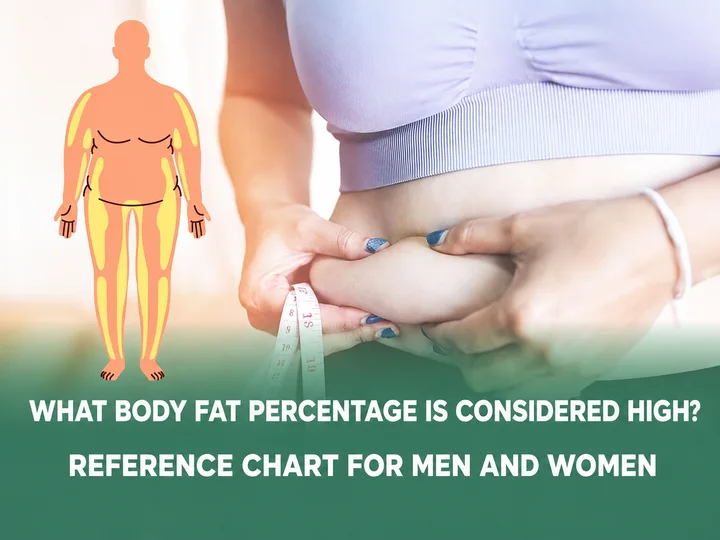



Staying up late is not the sole cause of obesity, but it may increase the risk of weight gain when accompanied by insufficient sleep, late-night eating, physical inactivity, and circadian rhythm disruption. Prolonged late bedtimes may affect hormones that regulate hunger and satiety, glucose metabolism, daytime energy levels, and eating behaviors.
Quick answer: Staying up late may contribute to obesity by increasing opportunities for nighttime eating, intensifying appetite and food cravings, reducing physical activity the following day, and disrupting the body’s biological clock. In adults, sleeping less than seven hours per night is considered insufficient sleep and has been associated with several adverse health outcomes, including weight gain and metabolic disorders.

Medical review: Nguyen Thi Nhu Quynh, MSc, Resident Physician – Department of Endocrinology, Hong Ngoc Phuc Truong Minh General Hospital. Updated: May 20, 2026.
Quick summary of the article
- Staying up late does not directly cause obesity in everyone, but it may increase the risk of weight gain when accompanied by insufficient sleep, late-night eating, and physical inactivity.
- Insufficient sleep may affect hormones that regulate hunger and satiety, making patients more prone to food cravings and more likely to have difficulty controlling portion sizes.
- Late-night eating may contribute to weight gain when total energy intake exceeds energy expenditure.
- Prolonged late bedtimes may disrupt the circadian rhythm, affecting glucose metabolism, insulin regulation, and blood lipid levels.
- Adults should aim for at least seven hours of sleep each night to support overall health.
- People who stay up late and experience rapid weight gain, increased waist circumference, snoring, or abnormal blood glucose or blood lipid levels should seek medical evaluation.
Can staying up late cause obesity?
Staying up late may increase the risk of obesity, but it usually does not cause obesity on its own. Weight gain occurs when energy intake consistently exceeds energy expenditure. Staying up late can make this process more likely because patients tend to get less sleep, eat later, crave more sweets or refined carbohydrates, and reduce physical activity the following day.
It is important to distinguish between the following:
Scientific reviews suggest that insufficient sleep and circadian rhythm disruption may promote weight gain and adversely affect metabolic health.

Why can staying up late lead to weight gain?
Disruption of hormones that regulate hunger and satiety
The body has hormones that help regulate hunger and satiety: ghrelin stimulates hunger, while leptin is involved in satiety signaling. Some studies suggest that insufficient sleep may alter hormones related to hunger and satiety, with leptin levels tending to decrease and ghrelin levels tending to increase. This may make some people feel hungrier, experience stronger food cravings, and have greater difficulty controlling portion sizes.
This is also one reason why people who go to bed late may be more likely to crave sweets, rapidly absorbed carbohydrates, fried foods, or convenient ready-to-eat foods at night. If this pattern repeats, total energy intake increases and body weight may rise more easily.
Increased opportunities for late-night eating
The later a person stays awake, the longer the waking period becomes, and the greater the opportunity for additional food intake. Late-night eating is often not limited to a small snack; it may include instant noodles, pastries, milk tea, soft drinks, snacks, fried foods, or fast food — foods that are energy-dense but provide limited long-lasting satiety.
Meal timing may affect metabolism and sleep quality, but the key factors remain total energy intake, food quality, and the frequency of late-night eating. A low-calorie, protein-rich, easy-to-digest late-night meal is different from regularly eating fast food at night. For example, a late-night meal containing 300–500 kcal, if repeated over many days, can significantly increase total weekly energy intake, especially when the patient does not increase physical activity accordingly.

Circadian rhythm disruption may make metabolism less favorable
The body functions according to a day–night circadian rhythm. When a person frequently goes to bed late, eats late, or is exposed to bright light at night, the biological clock may become misaligned. Circadian rhythm disruption has been associated with weight gain, metabolic disorders, high blood pressure, elevated cholesterol levels, and an increased risk of type 2 diabetes.
People who work night shifts, sleep during the day, or eat at midnight should pay closer attention to meal timing, meal quality, total energy intake, and periodic metabolic health screening.
Reduced physical activity the following day
Insufficient sleep can make the body feel tired, cause daytime sleepiness, reduce motivation to exercise, and increase sedentary time. When energy expenditure decreases but food intake does not decrease accordingly, body weight tends to rise.
People who sleep too little are more likely to skip workouts, walk less, and engage in less light physical activity during the day. This can make weight loss more difficult to maintain, even when the diet does not change significantly.

Increased stress and emotional eating
Prolonged late bedtimes may increase stress, reduce the ability to regulate eating behaviors, and make patients more likely to eat as a way to cope with emotions. Insufficient sleep is also associated with mood-related problems, while stress and loss of control over eating may increase the risk of overweight.
If patients frequently eat late at night when they feel stressed, bored, or have to work late, they need to address sleep habits, work-related pressure, and the food environment, rather than simply “cutting calories.”
Effects on insulin and blood glucose
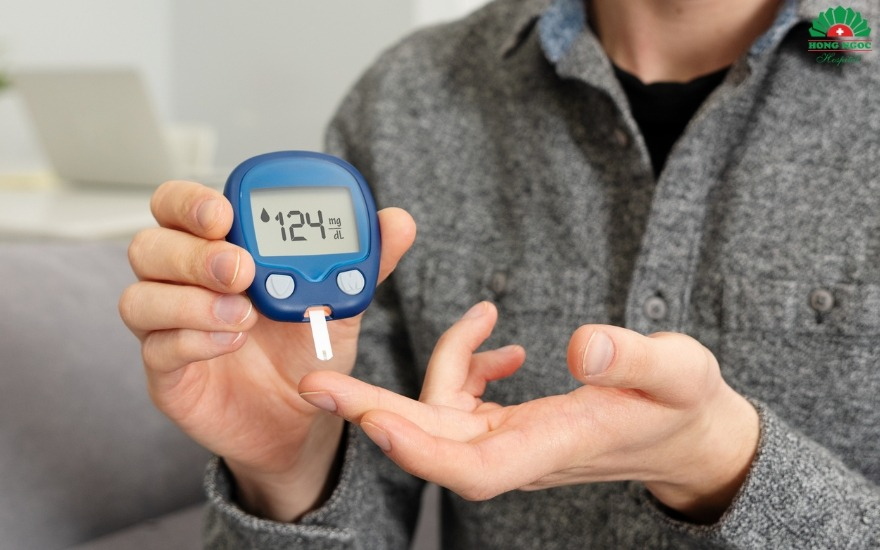
Insufficient sleep and circadian rhythm disruption may affect insulin sensitivity, thereby increasing the risk of blood glucose dysregulation. Insulin resistance is also commonly associated with abdominal obesity, fatty liver disease, and type 2 diabetes.
People who stay up late and experience weight gain, increased waist circumference, excessive thirst, frequent urination, fatigue, or a family history of diabetes should have their fasting blood glucose and HbA1c checked.
A greater tendency to choose less healthy foods
At night, food options are often limited and tend to shift toward convenient foods that are high in sugar, salt, and fat. In addition, when the brain is fatigued from insufficient sleep, it tends to seek foods that provide a quick sense of “reward,” such as sweets, fatty foods, or sugar-sweetened beverages.
Staying up late not only increases the frequency of eating but may also reduce meal quality, thereby increasing the risk of excess energy intake and metabolic disorders.
Can staying up late increase abdominal fat?
Staying up late may contribute to increased abdominal fat when accompanied by insufficient sleep, late-night eating, stress, and physical inactivity. Abdominal fat, particularly visceral fat, is closely associated with insulin resistance, dyslipidemia, high blood pressure, and fatty liver disease.
Several review studies suggest that short sleep duration is associated with a higher risk of obesity and abdominal obesity in adults; one review reported that insufficient sleep was linked to an increased risk of abdominal obesity and metabolic syndrome.
People who stay up late should also monitor:

Is late-night eating the main cause of obesity?
Late-night eating may contribute to obesity, but the core causes remain prolonged energy surplus and disrupted lifestyle habits. Eating after 9 p.m. does not automatically lead to obesity; the key factors are total energy intake, food choices, the frequency of late-night eating, sleep duration, and physical activity level.
When is late-night eating more likely to cause weight gain?
Late-night eating is more likely to contribute to weight gain when patients:
- Eat additional food after dinner even when they are not truly hungry.
- Frequently choose instant noodles, fried foods, pastries, snacks, milk tea, or soft drinks.
- Eat while using their phone, working, or watching movies, making portion control more difficult.
- Eat too close to bedtime, which may worsen sleep quality.
- Feel tired the next day and become less physically active.
What should patients eat if they have to eat late?
If patients work night shifts or have to eat late, they should prioritize light, easy-to-digest meals and control portion sizes. Suitable options include:
- Unsweetened yogurt.
- Boiled eggs.
- A small portion of unsalted nuts.
- Low-sugar fruits in moderate amounts.
- Thin rice porridge or low-fat soup.
- Patients should avoid fried foods, soft drinks, alcohol, beer, and coffee close to bedtime.

Obesity may also disrupt sleep
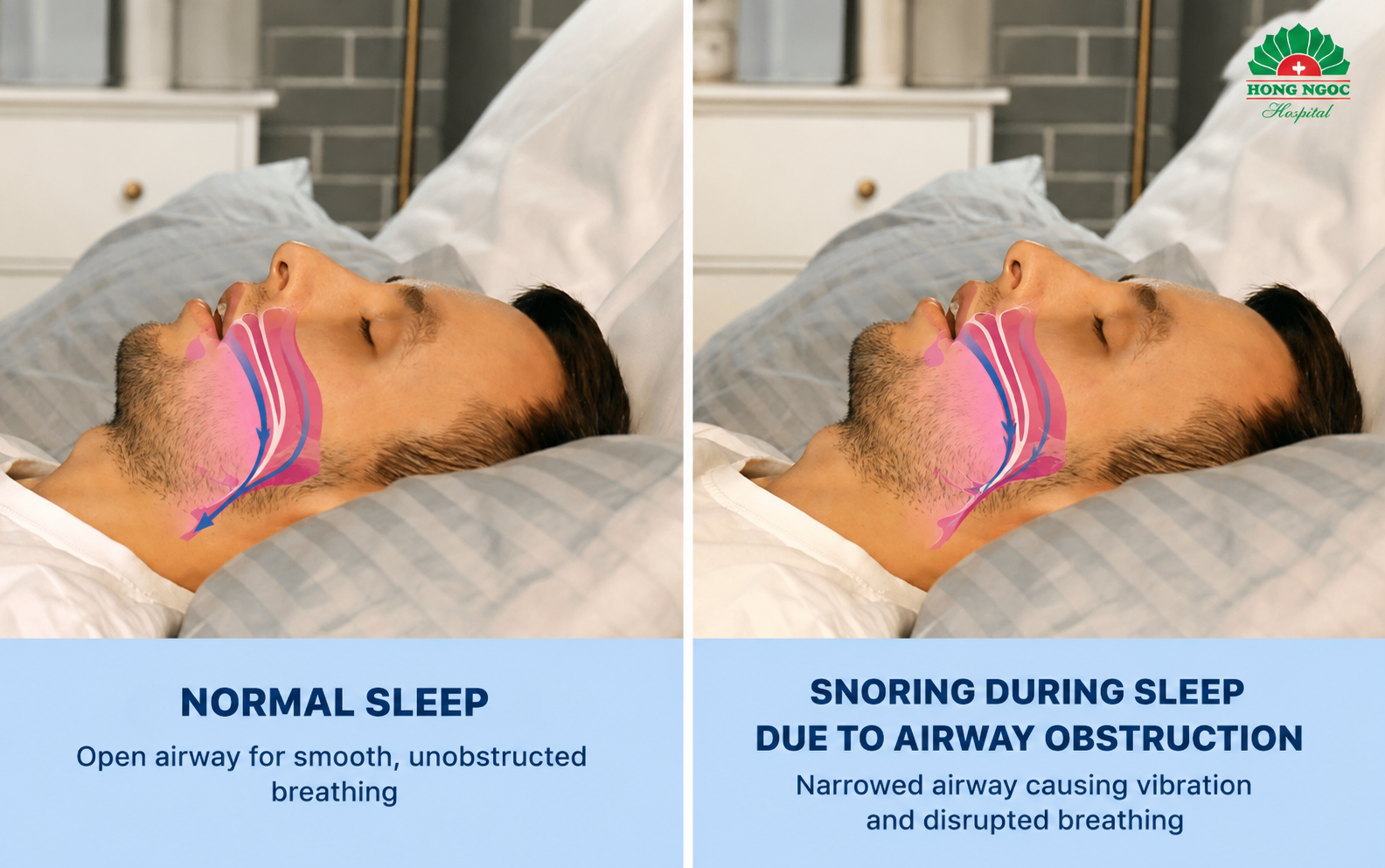
The relationship between staying up late and obesity is bidirectional. Insufficient sleep may increase the risk of weight gain, while obesity may also worsen sleep quality.
People with overweight or obesity have a higher risk of obstructive sleep apnea. This condition causes repeated blockage of the airway during sleep, leading to loud snoring, frequent awakenings, daytime sleepiness, and persistent fatigue.
Patients should pay attention to the following warning signs:
- Loud snoring.
- Breathing pauses during sleep noticed by family members.
- Waking up tired despite getting enough hours of sleep.
- Excessive daytime sleepiness.
- Morning headaches.
- Poorly controlled high blood pressure.
- Large neck circumference and marked abdominal obesity.
Sleep apnea does not only cause fatigue but may also be associated with high blood pressure, cardiac arrhythmias, and cardiovascular risk. People with obesity who snore loudly, have breathing pauses during sleep reported by family members, or experience excessive daytime sleepiness should seek medical evaluation for further assessment.
How much sleep is enough to help reduce the risk of weight gain?
Adults are generally recommended to get at least seven hours of sleep each night to support overall health. The CDC defines insufficient sleep in adults as sleeping less than seven hours per day, while the AASM recommends that adults should regularly sleep seven or more hours per night.
Adequate sleep does not replace a healthy diet and physical activity, but it is an important component of sustainable weight management.

How to improve late-night habits for weight management
Set a consistent bedtime and wake-up time
Try to maintain a relatively consistent bedtime and wake-up time, including on weekends. If you currently go to bed very late, there is no need to force yourself to sleep two to three hours earlier immediately. Instead, you can gradually shift your bedtime earlier by 15–30 minutes every few days.
Reduce blue light exposure before bedtime
Light from phones, computers, and televisions can make the brain more alert and delay sleepiness. It is advisable to reduce electronic device use 30–60 minutes before bedtime or turn on blue light reduction mode if device use is necessary.
Avoid keeping high-calorie late-night foods readily available
The food environment has a major influence on eating behaviors. If instant noodles, sweets, snacks, and soft drinks are always available at home, late-night eating is more likely to occur. Patients should prepare lighter alternatives in advance if they often feel hungry late at night.
Limit caffeine in the late afternoon and evening
Coffee, strong tea, energy drinks, and some caffeinated beverages may make it harder to fall asleep. People who are sensitive to caffeine should avoid consuming it in the late afternoon or evening.

Eat a balanced dinner and avoid eating too late
A dinner that is too low in protein and fiber may make you feel hungry more quickly at night. Dinner should be balanced, including lean protein, green vegetables, appropriate carbohydrates, and healthy fats in moderate amounts.
Engage in light physical activity during the day
Physical activity helps improve energy expenditure and sleep quality. Beginners may start with brisk walking, light cycling, swimming, yoga, or strength training at an appropriate intensity.
Manage stress instead of eating to cope
If staying up late is related to stress, the underlying cause should be addressed through work planning, relaxation, deep breathing, journaling, meditation, or consultation with a specialist when stress persists.
Can catching up on sleep during the weekend help prevent weight gain?
Catching up on sleep during the weekend may temporarily reduce fatigue, but it cannot replace a consistent daily sleep schedule. If a person regularly sleeps too little during the week, eats late at night, and is physically inactive, the risk of weight gain and metabolic disorders may still increase.
Does night-shift work make weight gain more likely?
Night-shift work may increase the risk of weight gain due to circadian rhythm disruption, irregular meal timing, insufficient sleep, and reduced physical activity. Night-shift workers should try to maintain a stable sleep schedule, prepare healthy meals in advance, and undergo periodic metabolic health screening.
When should you seek medical evaluation?
You should seek medical evaluation if staying up late is accompanied by any of the following situations:
- Rapid weight gain over several months.
- BMI in the overweight or obesity range.
- Waist circumference ≥90 cm in men or ≥80 cm in women.
- Frequent late-night eating, cravings for sweets, or difficulty controlling portion sizes.
- Daytime fatigue, poor sleep quality, or prolonged insomnia.
- Loud snoring or suspected sleep apnea.
- High blood pressure, high blood glucose, high blood lipid levels, or fatty liver disease.
- Repeated attempts at weight loss followed by weight regain.
- Considering the use of weight-loss medications or weight-loss support products.
At the Overweight Disease and Metabolic Disorder Control Center at Hong Ngoc General Hospital, each patient undergoes a comprehensive initial assessment to develop a continuous monitoring pathway that can be flexibly adjusted according to the individual patient and each stage of treatment. With the advantage of multidisciplinary collaboration, a team of leading specialists, and a modern medical equipment system, the center helps determine whether weight gain is solely related to lifestyle factors or is accompanied by metabolic disorders that require medical monitoring, thereby guiding appropriate treatment.
Center hotline: 0911 858 626
Frequently asked questions
Can staying up late cause obesity?
It can. Staying up late may increase the risk of obesity when accompanied by insufficient sleep, late-night eating, disruption of hunger and satiety hormones, reduced physical activity, and circadian rhythm misalignment. However, obesity also depends on total energy intake, physical activity, genetics, underlying medical conditions, and current medications.
Can going to bed late but still sleeping seven to eight hours cause weight gain?
Going to bed late while still getting enough sleep may be less harmful than going to bed late with short sleep duration. However, if the sleep schedule remains persistently misaligned, late-night eating occurs frequently, or night-shift work is involved, circadian rhythm and metabolism may still be affected.
Can staying up late increase abdominal fat?
Staying up late may contribute to increased abdominal fat if it leads to more late-night eating, shorter sleep duration, and reduced physical activity. Short sleep duration has also been associated with a higher risk of abdominal obesity and metabolic disorders in some studies.
How many hours should adults sleep each night?
Adults should get at least seven hours of sleep each night to support health. The CDC defines sleeping less than seven hours per day as insufficient sleep in adults.
Does late-night eating definitely cause obesity?
Not necessarily. Late-night eating mainly contributes to weight gain when it causes total energy intake to exceed energy expenditure, especially when people frequently consume sweets, fried foods, fast food, soft drinks, or alcoholic beverages.
Why does staying up late increase food cravings?
Insufficient sleep may alter hormones that regulate hunger and satiety, with leptin tending to decrease and ghrelin increasing after sleep restriction. This can make people who stay up late feel hungrier and experience stronger food cravings.
Is going to bed early necessary for weight loss?
Adequate and consistent sleep should be prioritized. Going to bed early does not automatically lead to weight loss, but it can help control food cravings, improve energy for physical activity, reduce late-night eating, and support a sustainable weight-loss plan.
Conclusion
Staying up late may contribute to obesity through insufficient sleep, late-night eating, disruption of hunger and satiety hormones, circadian rhythm misalignment, and reduced physical activity. For effective weight management, patients should not focus solely on reducing food portions, but should also adjust sleep habits, nutrition, physical activity, and stress management.
If you frequently stay up late, experience rapid weight gain, have increased waist circumference, or have abnormal blood glucose, blood lipid, or blood pressure levels, schedule an appointment at the Overweight Disease and Metabolic Disorder Control Center at Hong Ngoc General Hospital for medical evaluation and appropriate weight-management counseling.
Medical note
This article is for reference only and is not a substitute for medical diagnosis or treatment advice from a physician. Staying up late, insufficient sleep, and weight gain may be associated with multiple factors, including diet, physical activity, stress, underlying medical conditions, current medications, and sleep disorders. People with rapid weight gain, frequent loud snoring, persistent fatigue, blood glucose abnormalities, or underlying medical conditions should seek medical evaluation for individualized assessment.
References
- CDC. About Sleep and Your Heart Health.
- American Academy of Sleep Medicine. Sleep FAQs.
- Nature Reviews Endocrinology. The role of insufficient sleep and circadian misalignment in obesity.
- NIH/PMC. Sleep loss and increased risk of obesity and diabetes.
- Frontiers in Endocrinology. Meal timing and obesity.